paintings
paintings
paintings
paintings
paintings
paintings
paintings
paintings
paintings
paintings
paintings
paintings
paintings
paintings
paintings
paintings
paintings
paintings
paintings
paintings
paintings
paintings
paintings
paintings
paintings
paintings
paintings
paintings
paintings
paintings
paintings
paintings
paintings
paintings
paintings
paintings
paintings
paintings
paintings
paintings
paintings
paintings
paintings
paintings
paintings
paintings
paintings
paintings
paintings
paintings
paintings
paintings
paintings
paintings
paintings
paintings
paintings
paintings
paintings
paintings
paintings
paintings
paintings
paintings
paintings
paintings
paintings
paintings
paintings
paintings
paintings
paintings
paintings
paintings
paintings
paintings
paintings
paintings
paintings
paintings
paintings
paintings
paintings
paintings
paintings
paintings
paintings
paintings
paintings
paintings
paintings
paintings
paintings
paintings
paintings
paintings
paintings
paintings
paintings
paintings
Andreas Löschner-Gornau, Professor Emeritus of Fine Arts
"The Vestal Virgins sculpture" PLA (bio-based plastic),electroplated with copper, patinated/ Click here to buy
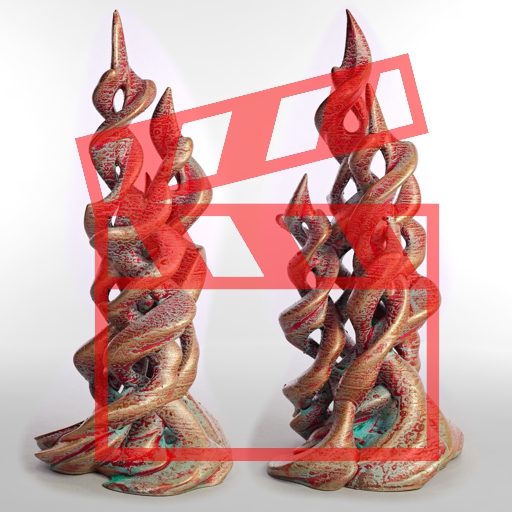
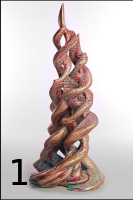
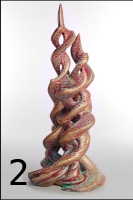
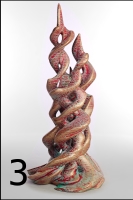
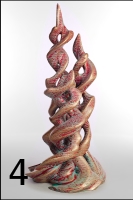
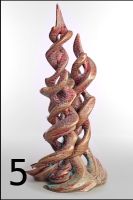
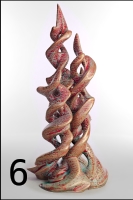
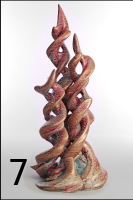
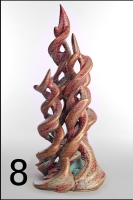
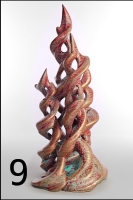
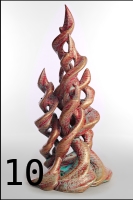
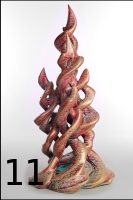
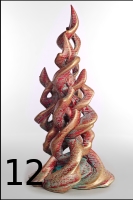
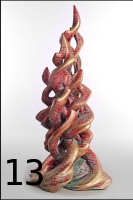
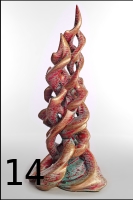
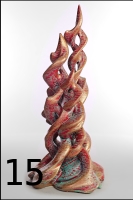
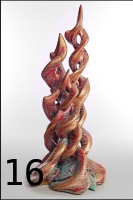
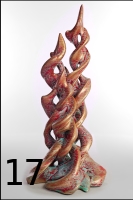
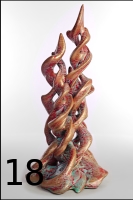
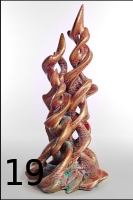
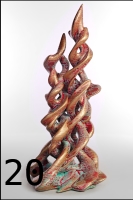
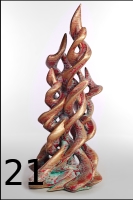
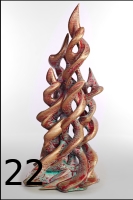
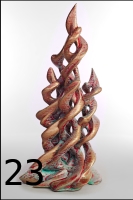
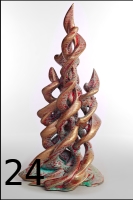
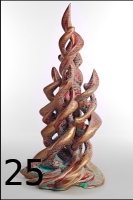
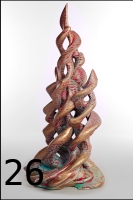
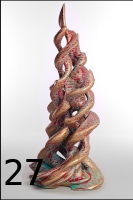
This exclusive sculpture combines cutting-edge technology with traditional craftsmanship. The sculpture’s core is a high-precision form made of PLA, a sustainable, bio-based plastic. Through an intricate, multi-day process, the piece is electroplated with a layer of genuine copper. Its distinctive, vibrant depth is achieved through a subsequent chemical patination process: the shades of verdigris and oxidation result from actual chemical reactions, making this sculpture a truly unique, one-of-a-kind piece. The symbiosis of digital design and classic electroforming gives the work an extraordinary tactile quality and visual dynamism as it rests on its base. Finished with high-quality acrylic accents.
The sculpture "Die Vestalinnen" (The Vestal Virgins) by Andreas Loeschner-Gornau presents itself as a complex, dynamic, and vertical work of art set against a simple, light-gray to white background. The artwork is centrally positioned and fills most of the frame's vertical space.
The sculpture consists of several organically shaped, intertwined elements reminiscent of twisted ribbons, rising flames, or spiraling tendrils. These forms wind upwards from a broader base, tapering to a single, sharp point at the top, flanked by smaller, flame-like projections at various heights. The interlocking strands create open voids and apertures, lending the sculpture a sense of lightness and movement. The entire structure radiates an upward-surging energy.
The coloring is striking and complex, creating a rich, patinated texture. Bold reds, metallic gold or bronze, and a vivid turquoise-green dominate the palette. The red often appears as a base coat or underlayer, showing through cracks and areas where the top layers are peeling or sparsely applied. It possesses a deep, almost blood-red or brilliantly fiery quality, visible in irregular patches and streaks. The gold or bronze is applied as a top layer on the raised surfaces and peaks, giving the sculpture a shimmering, metallic luster. It does not provide uniform coverage but is often blended or layered with the red and turquoise. The turquoise-green emerges in the deeper crevices, cracks, and as a weathered patina, creating a strong contrast with the warm red and gold tones; it is reminiscent of the discoloration found on aged copper or bronze. The sculpture’s surface is rough and heavily textured, bearing visible signs of hand-crafting or artistic manipulation. Fine cracks and irregular ridges and hollows are evident, reinforcing the illusion of age, weathering, or even corrosion. This texture catches the light in varied ways, accentuating the work's three-dimensionality and the complex twists of its forms.
The lighting is soft and diffuse, originating from the front and slightly above, casting gentle shadows behind the sculpture and within its recesses. This highlights the contours and sculptural quality of the piece. The solid-colored background ensures that full attention is focused on the sculpture’s multifaceted form and color, free from distracting elements.
Overall, the sculpture conveys a sense of elegance and danger, of organic vitality combined with a monumental, ancient presence—an impression further enhanced by its evocative title, "The Vestal Virgins."