paintings
paintings
paintings
paintings
paintings
paintings
paintings
paintings
paintings
paintings
paintings
paintings
paintings
paintings
paintings
paintings
paintings
paintings
paintings
paintings
paintings
paintings
paintings
paintings
paintings
paintings
paintings
paintings
paintings
paintings
paintings
paintings
paintings
paintings
paintings
paintings
paintings
paintings
paintings
paintings
paintings
paintings
paintings
paintings
paintings
paintings
paintings
paintings
paintings
paintings
paintings
paintings
paintings
paintings
paintings
paintings
paintings
paintings
paintings
paintings
paintings
paintings
paintings
paintings
paintings
paintings
paintings
paintings
paintings
paintings
paintings
paintings
paintings
paintings
paintings
paintings
paintings
paintings
paintings
paintings
paintings
paintings
paintings
paintings
paintings
paintings
paintings
paintings
paintings
paintings
paintings
paintings
paintings
paintings
paintings
paintings
paintings
paintings
paintings
paintings
Andreas Löschner-Gornau, Professor Emeritus of Fine Arts
"Narcissus" PLA (bio-based plastic),electroplated with copper, patinated/ Click here to buy
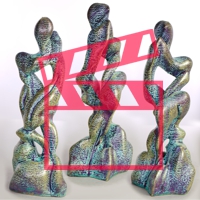
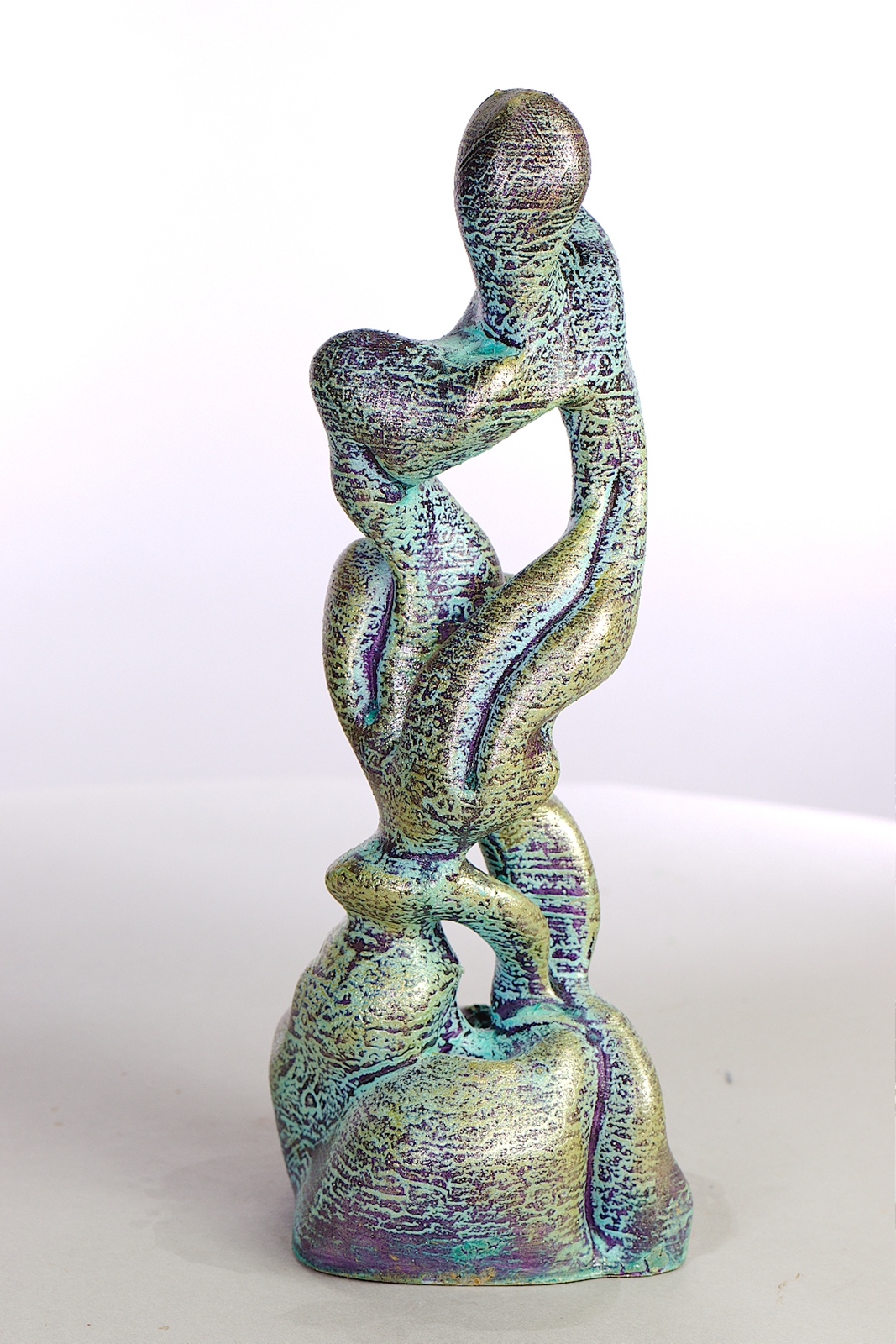
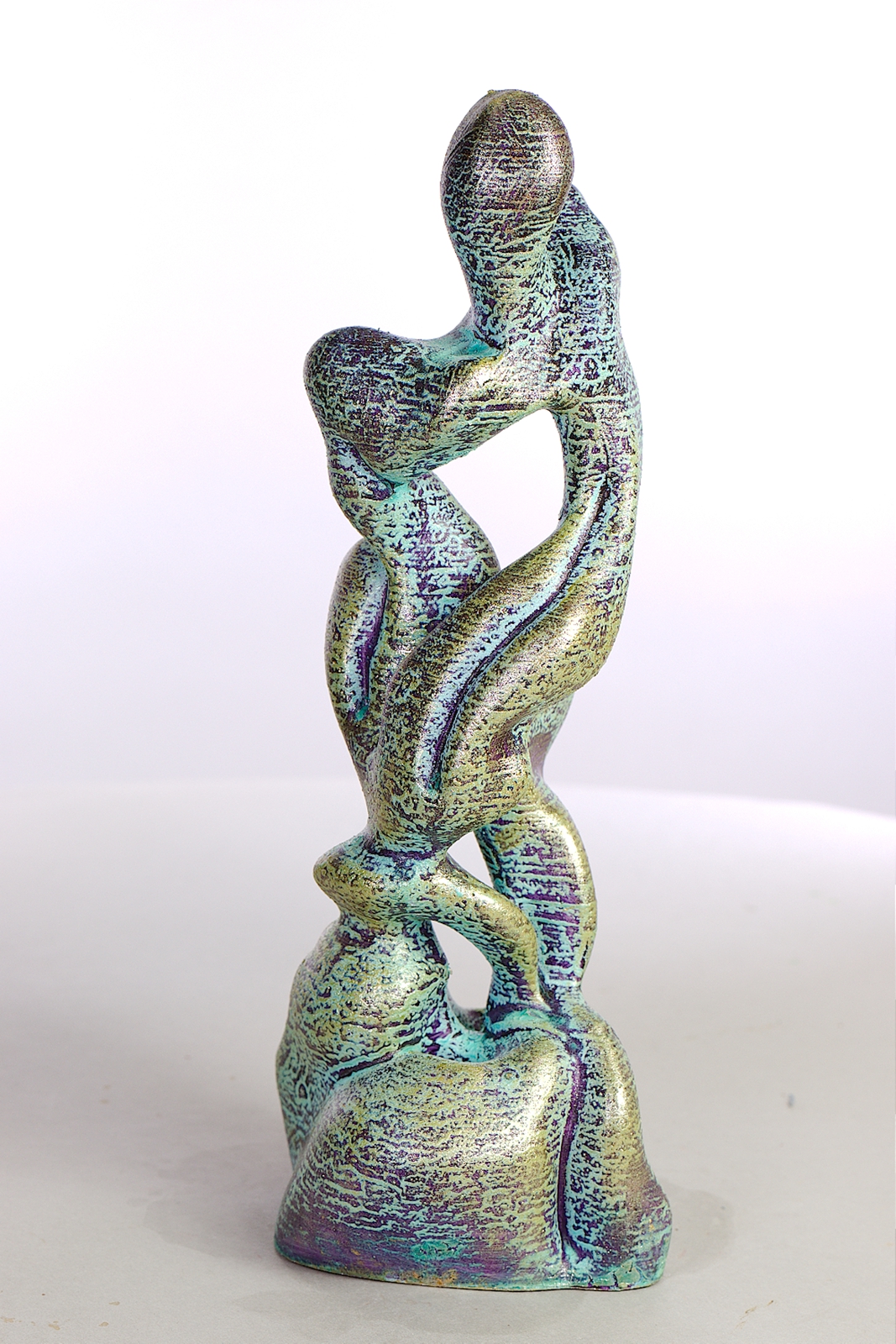
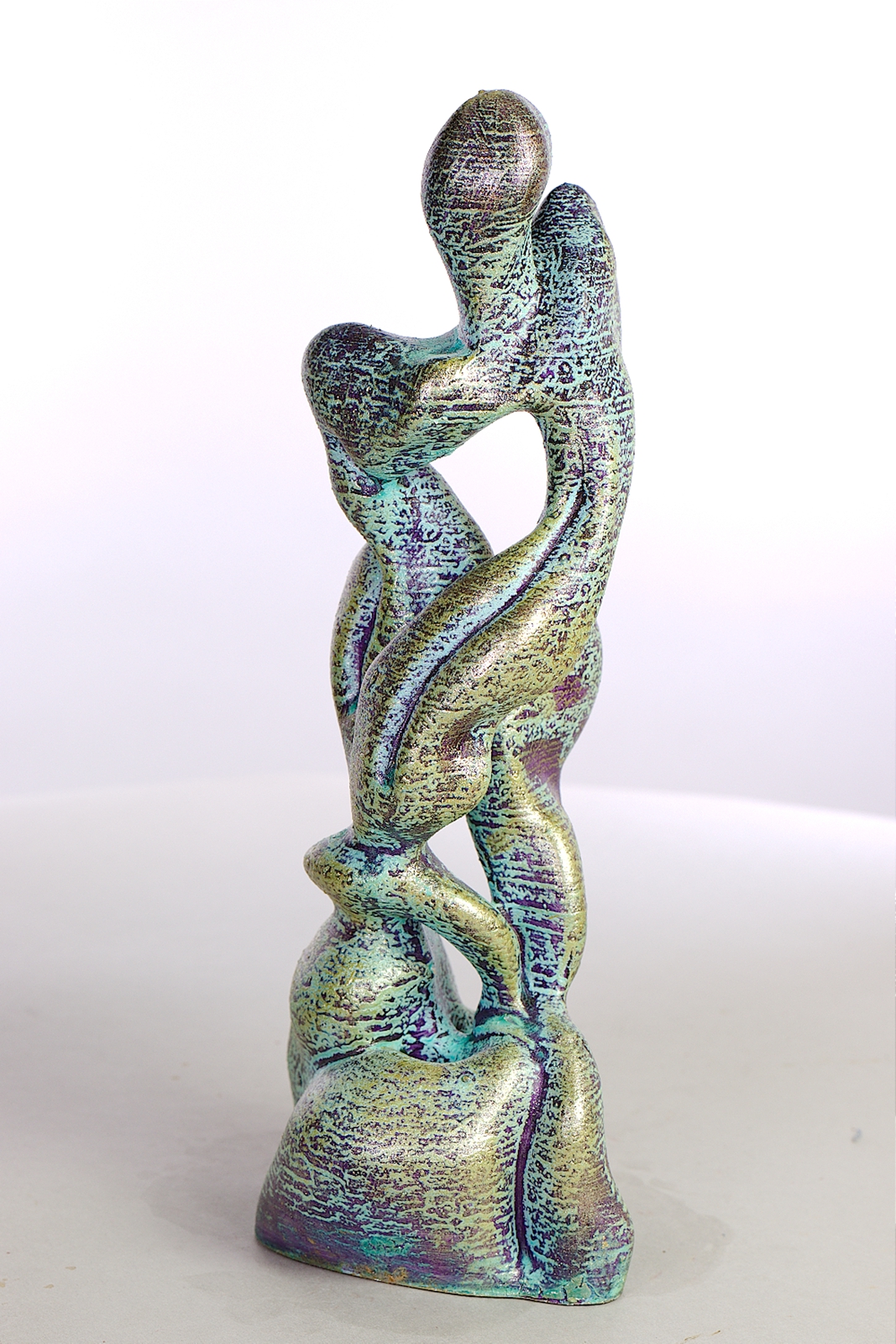
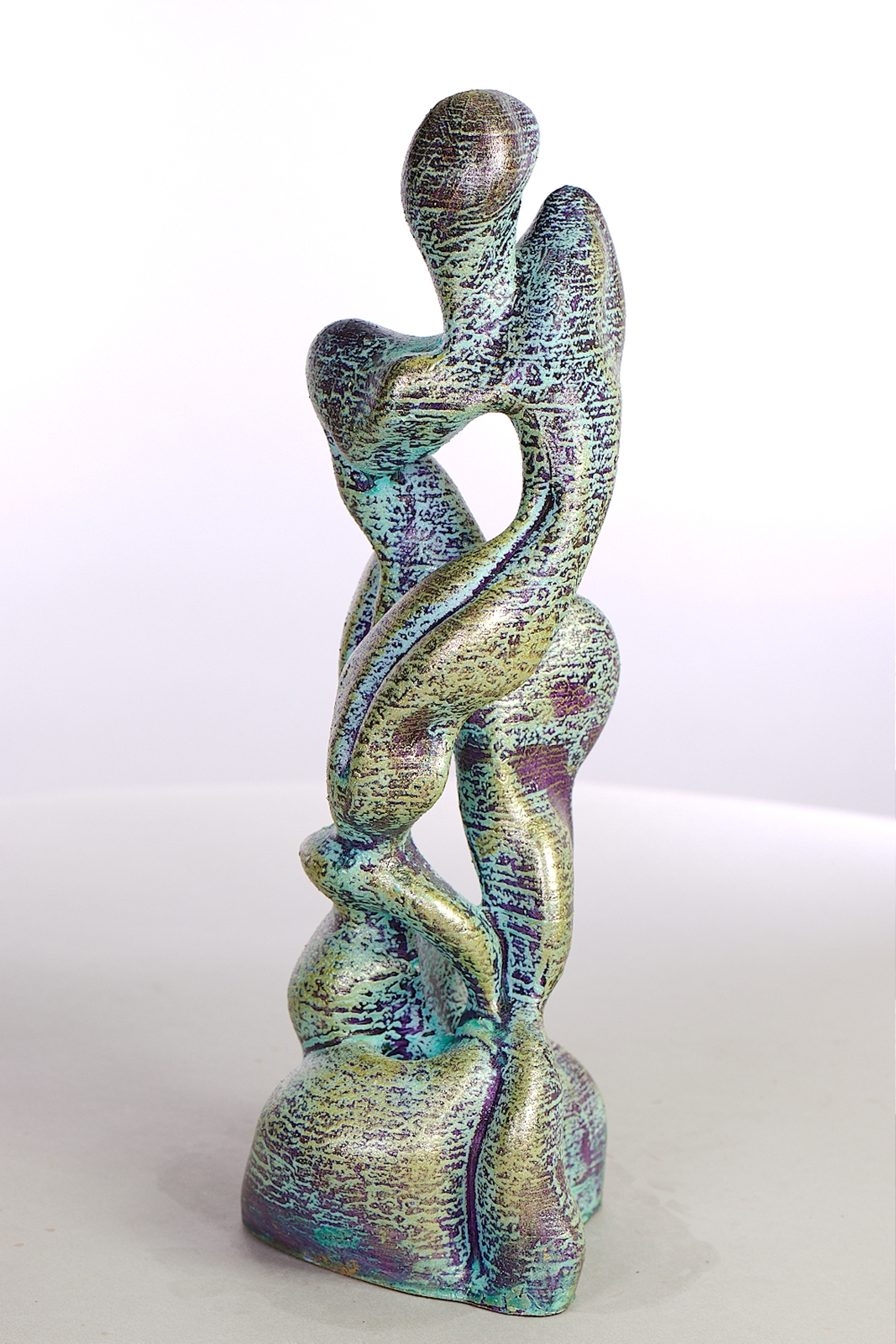
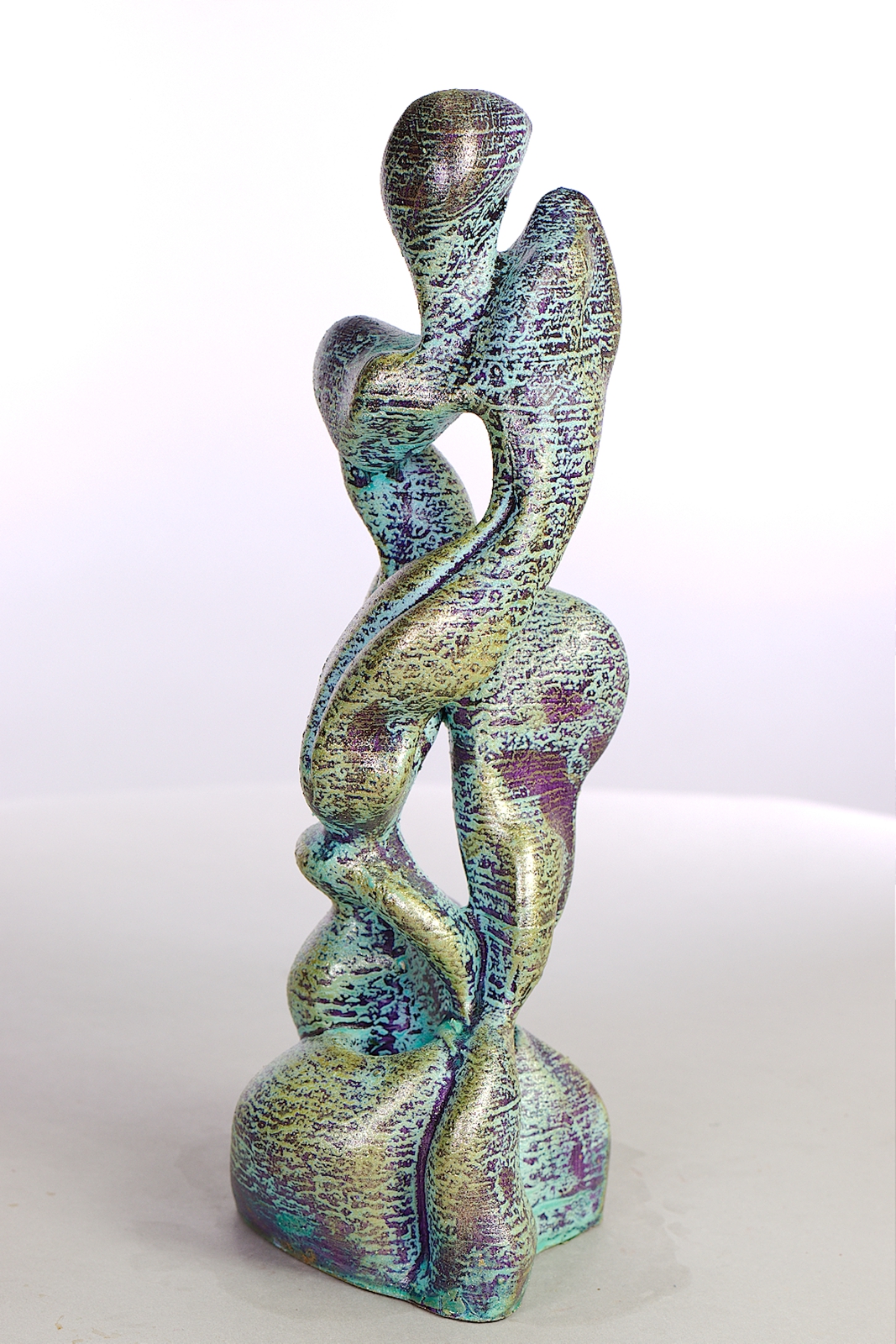
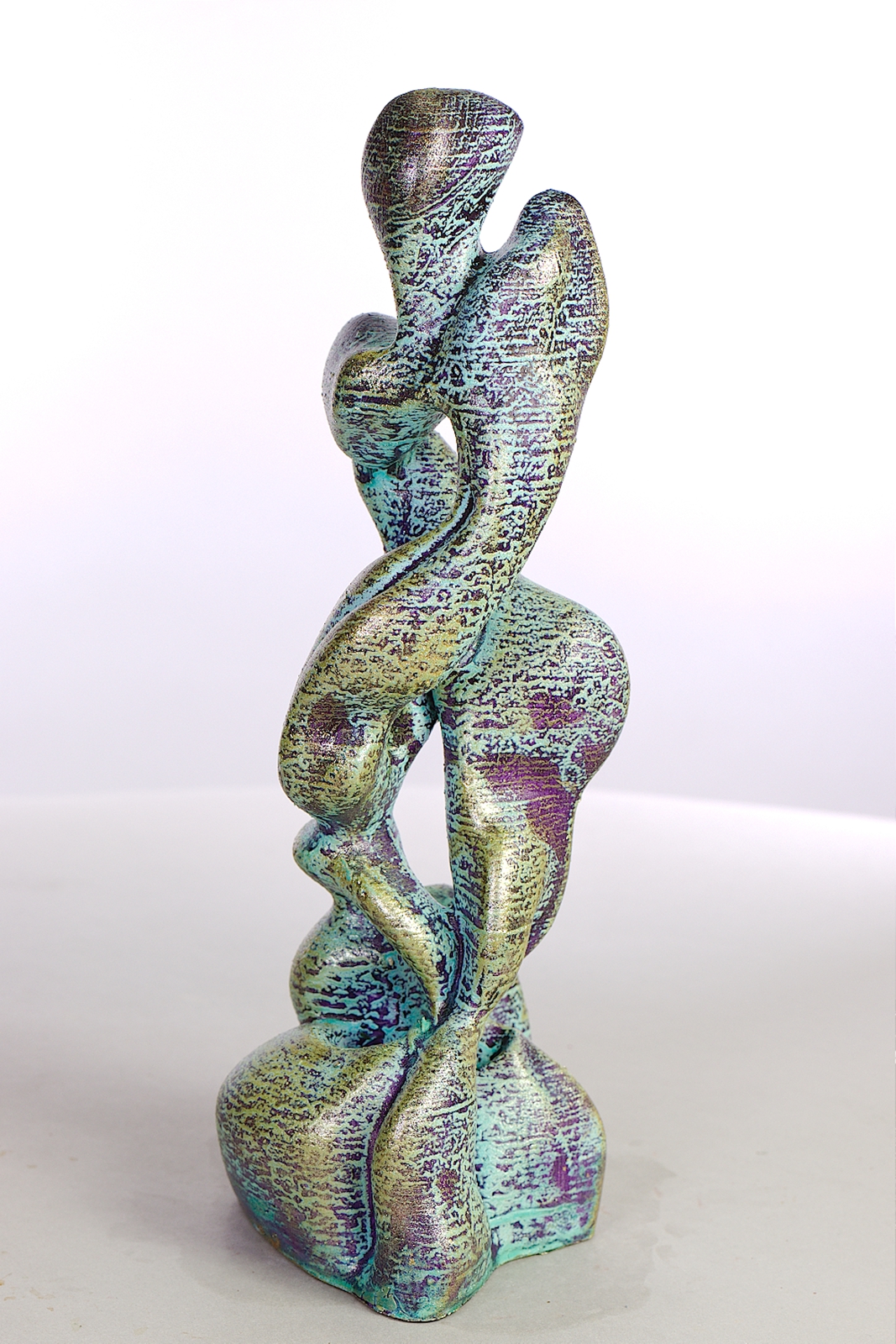
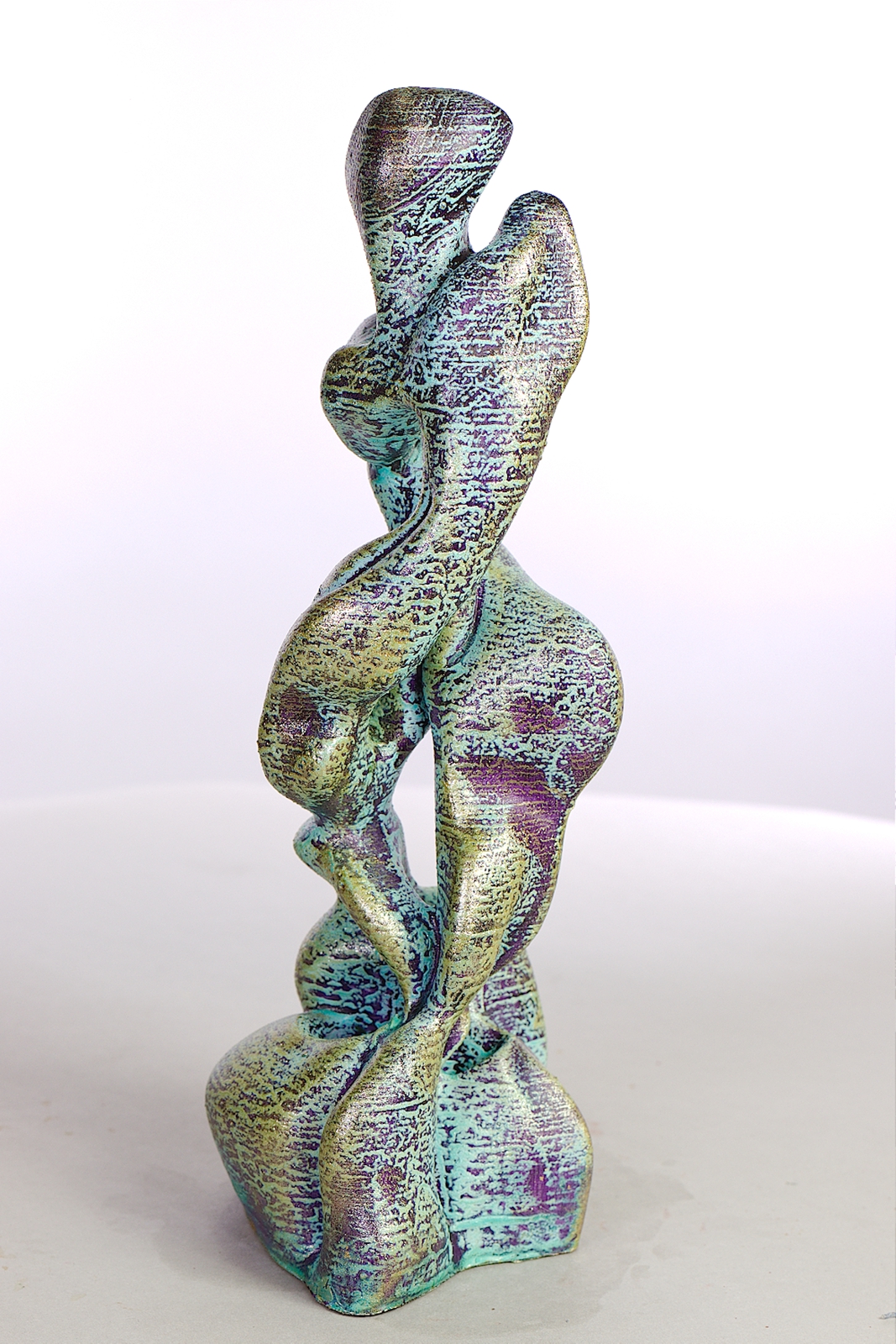
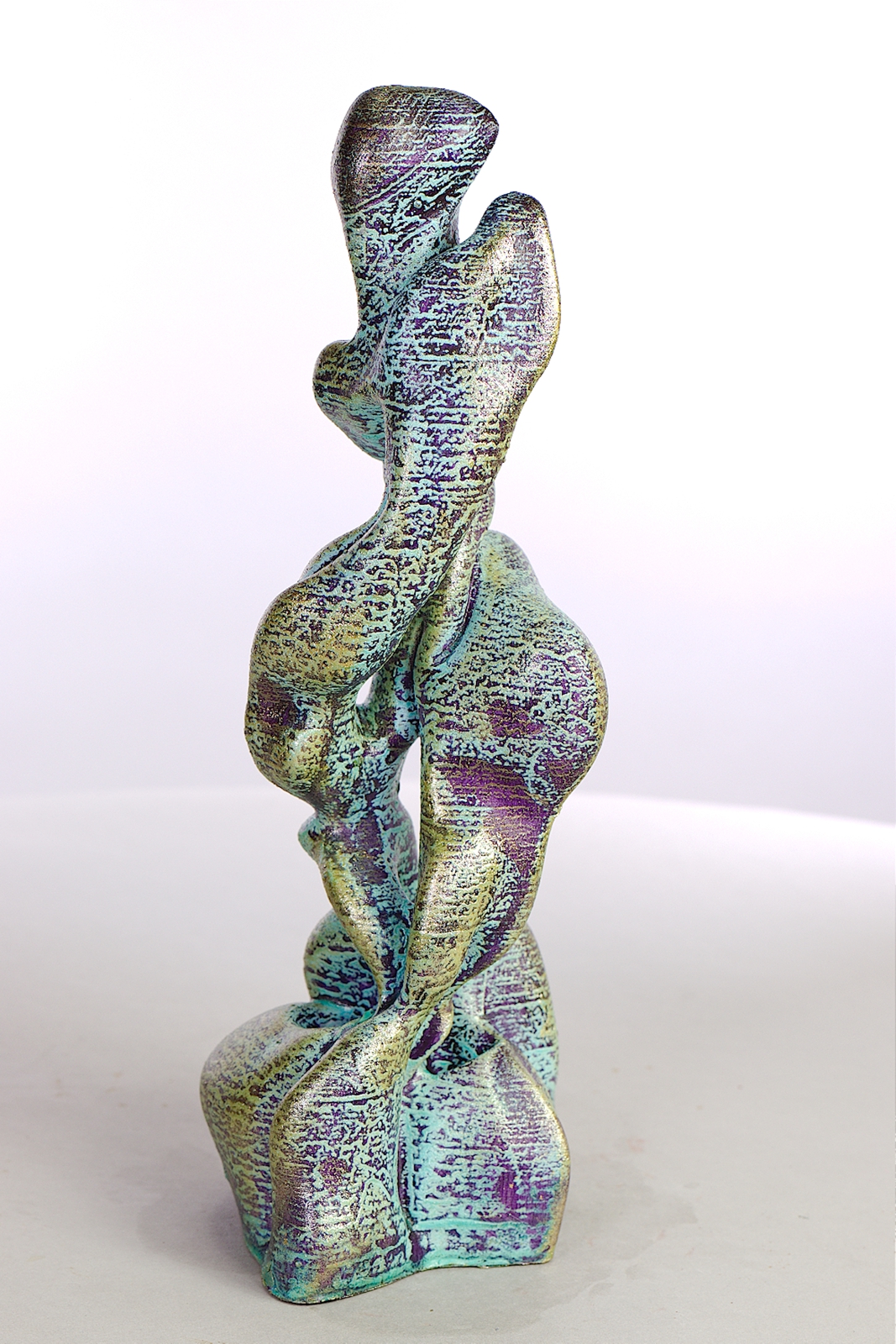
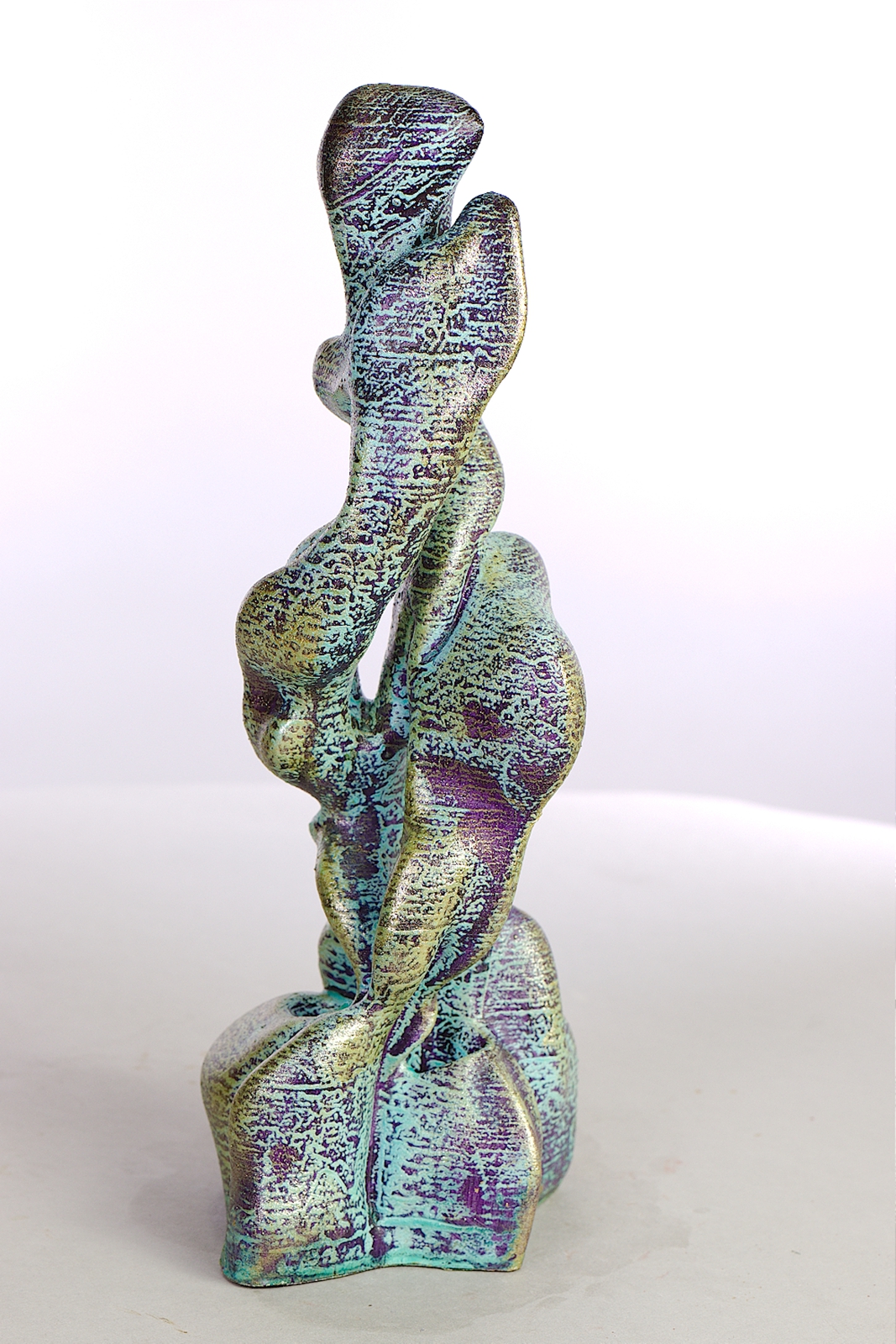
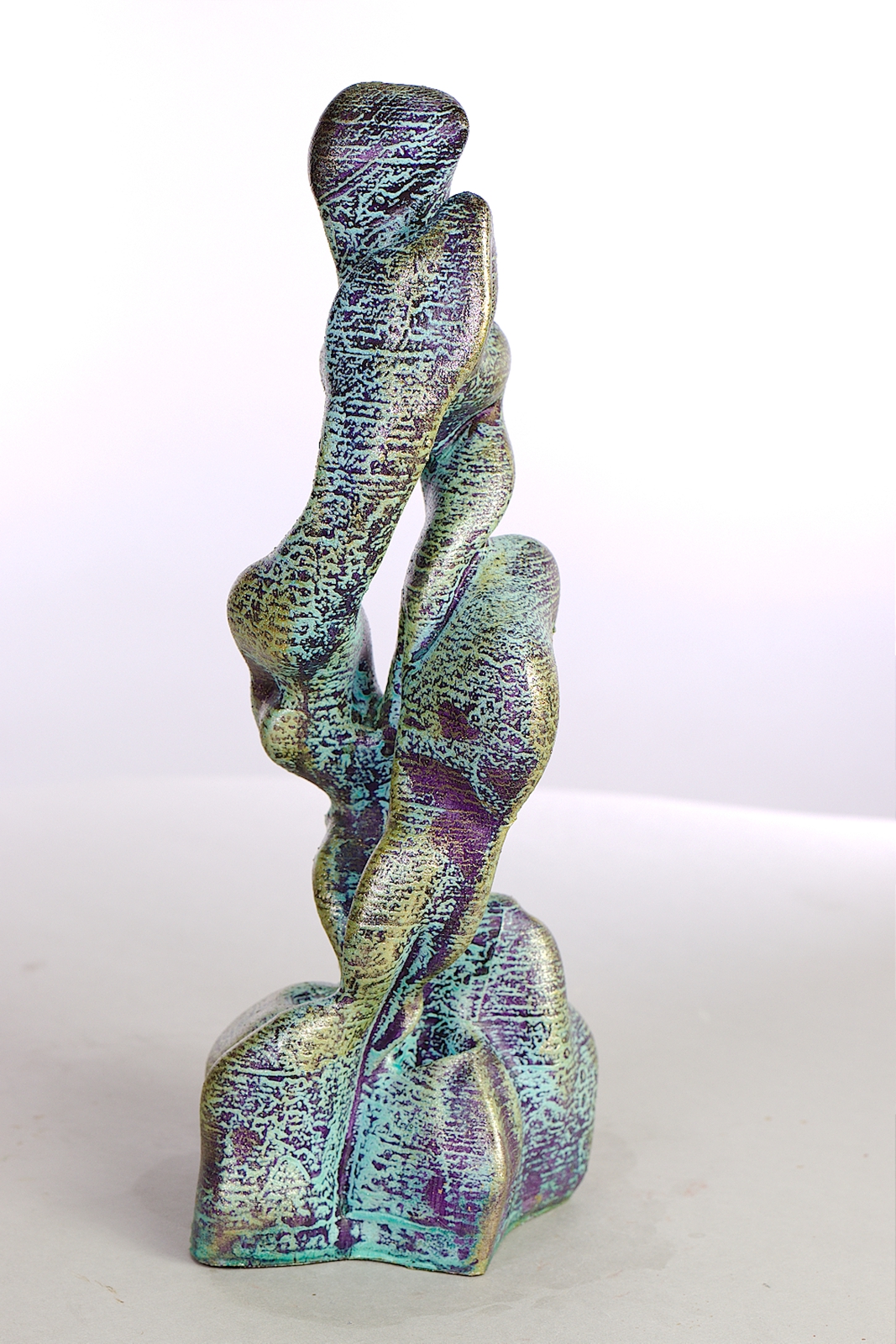
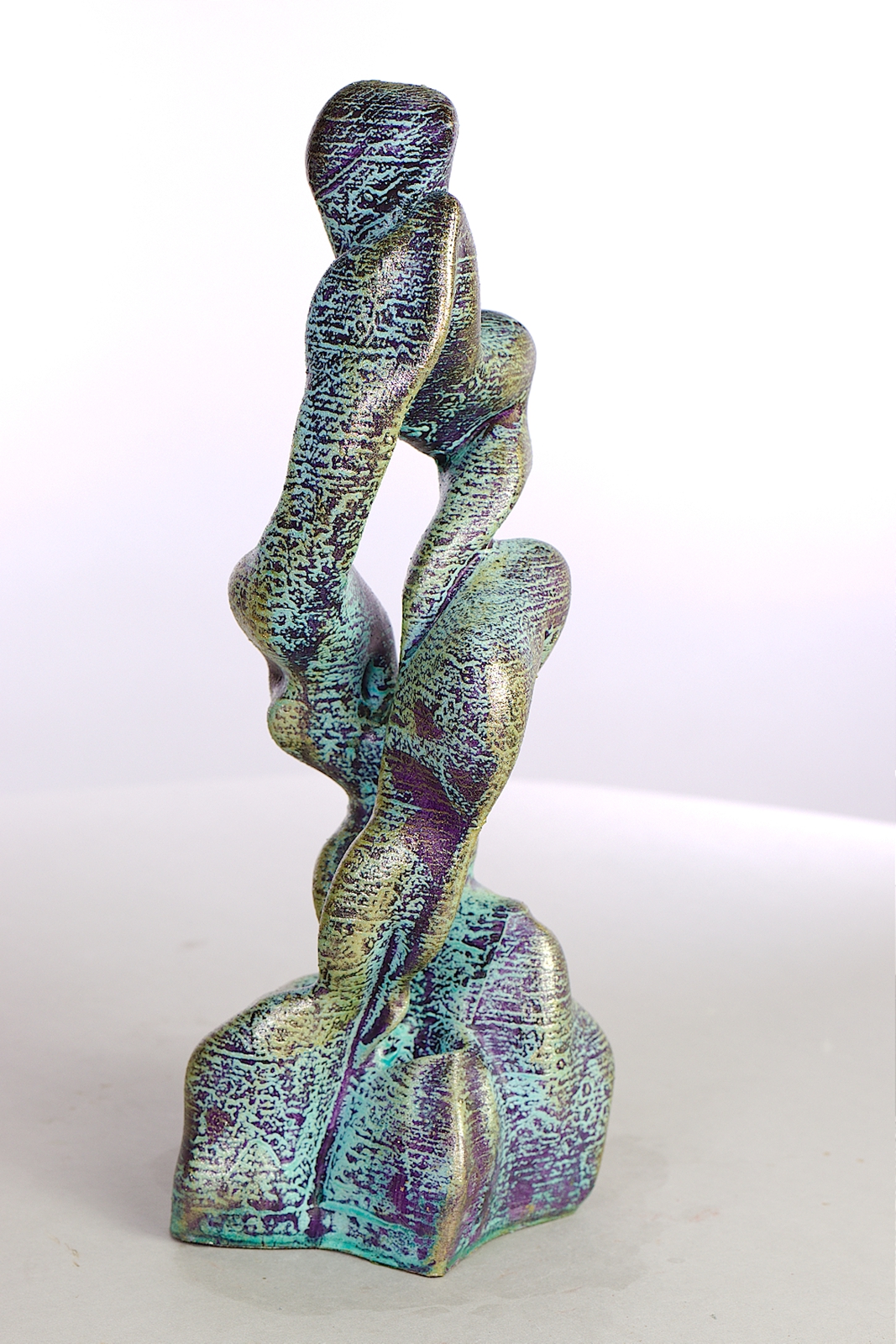
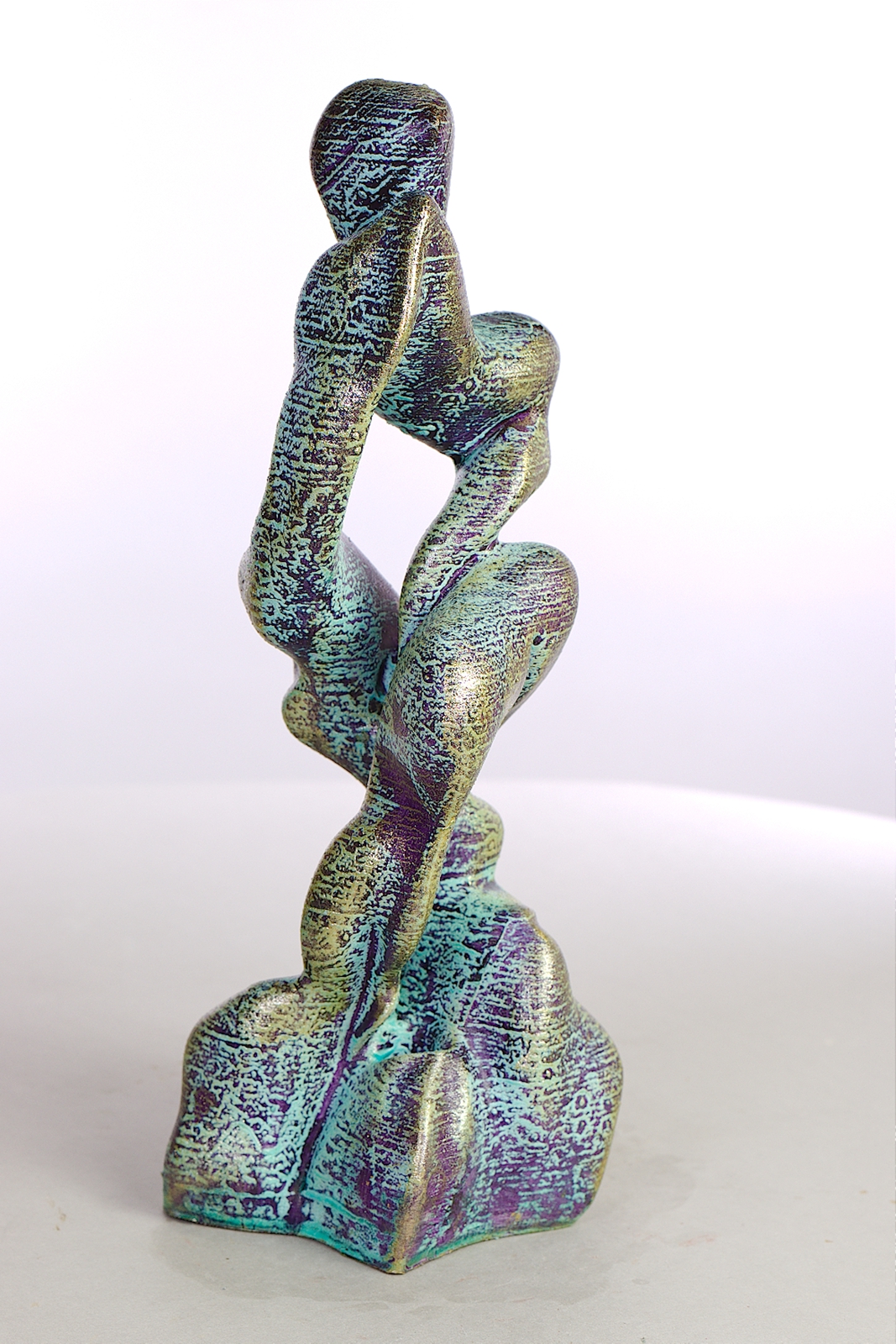
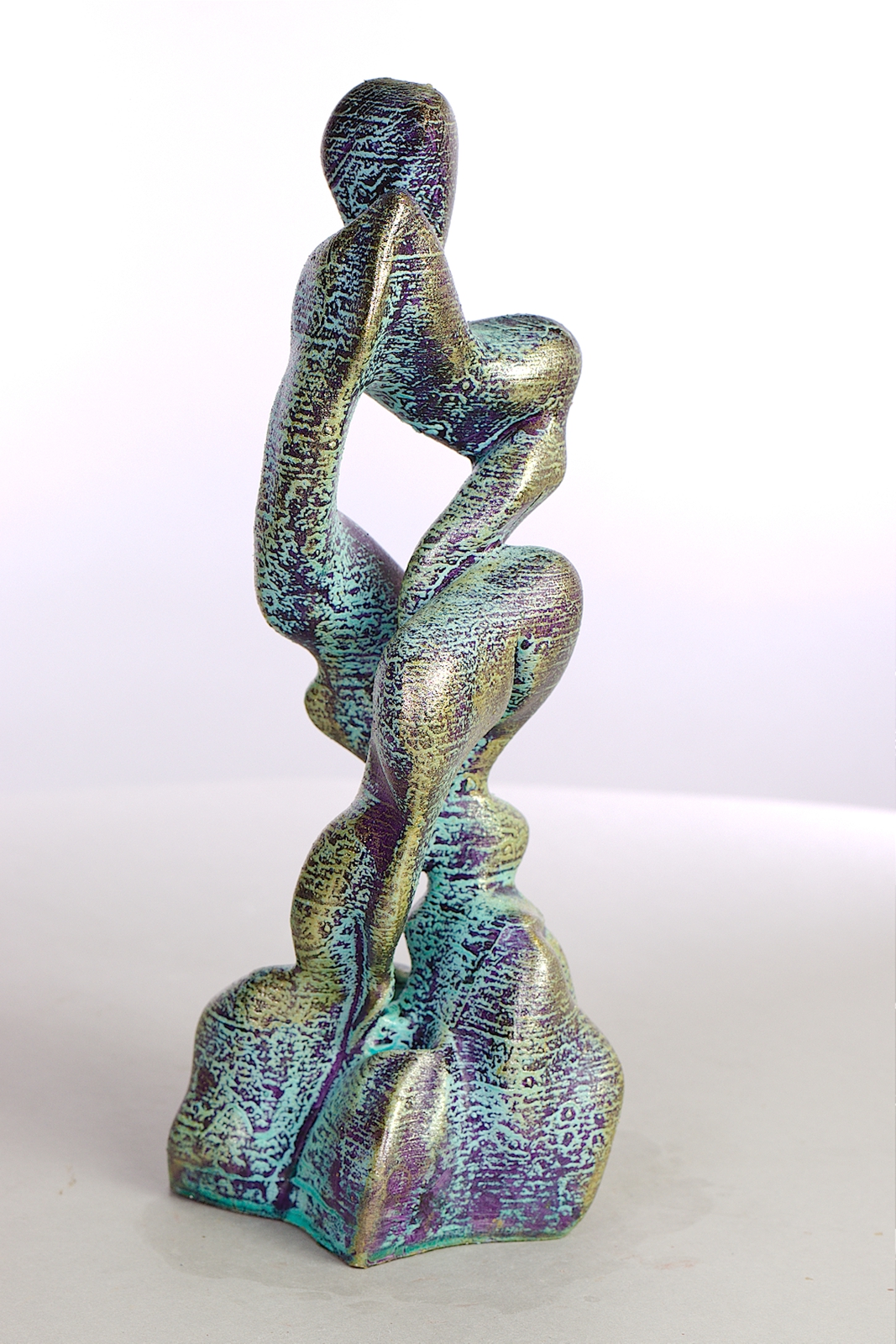
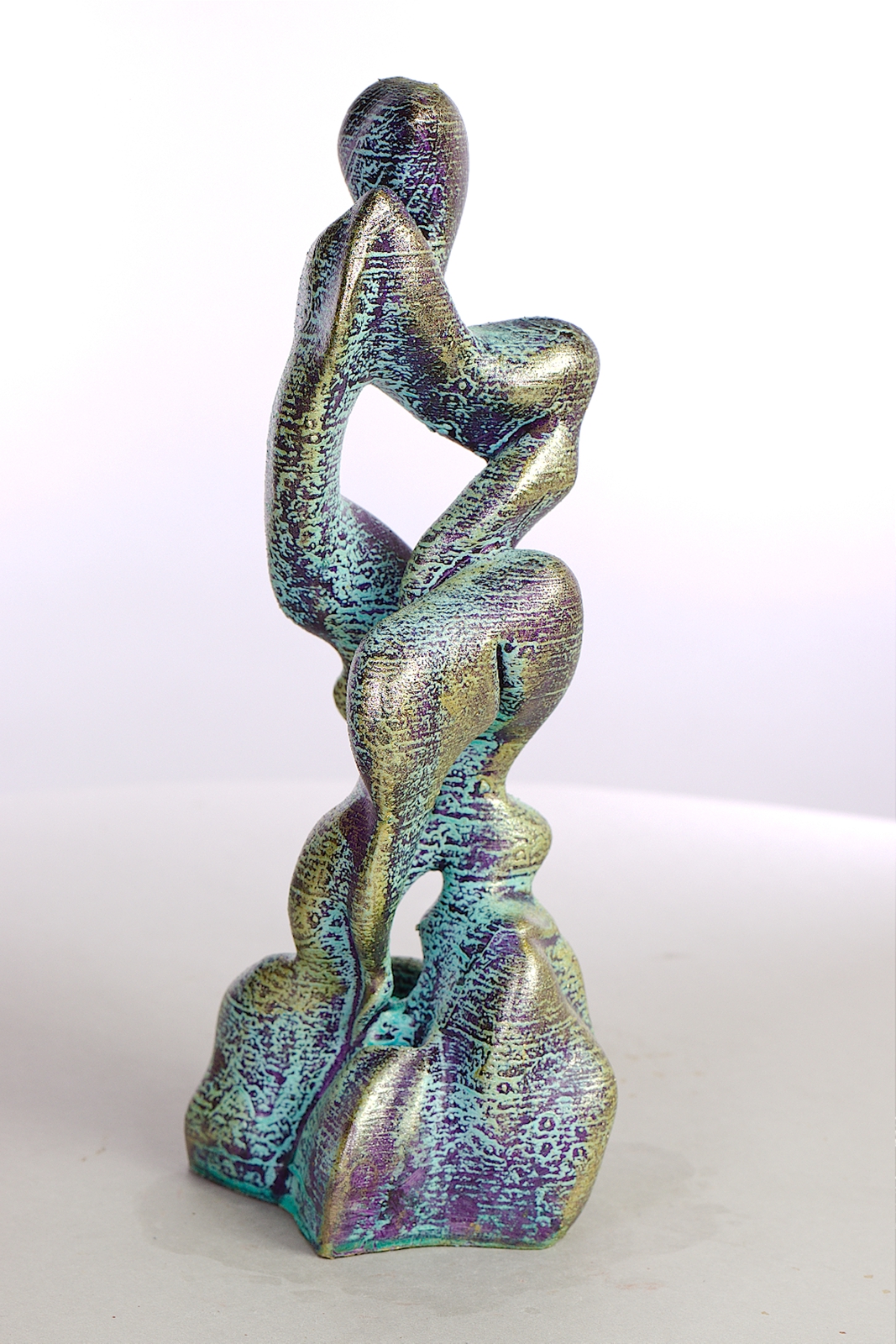
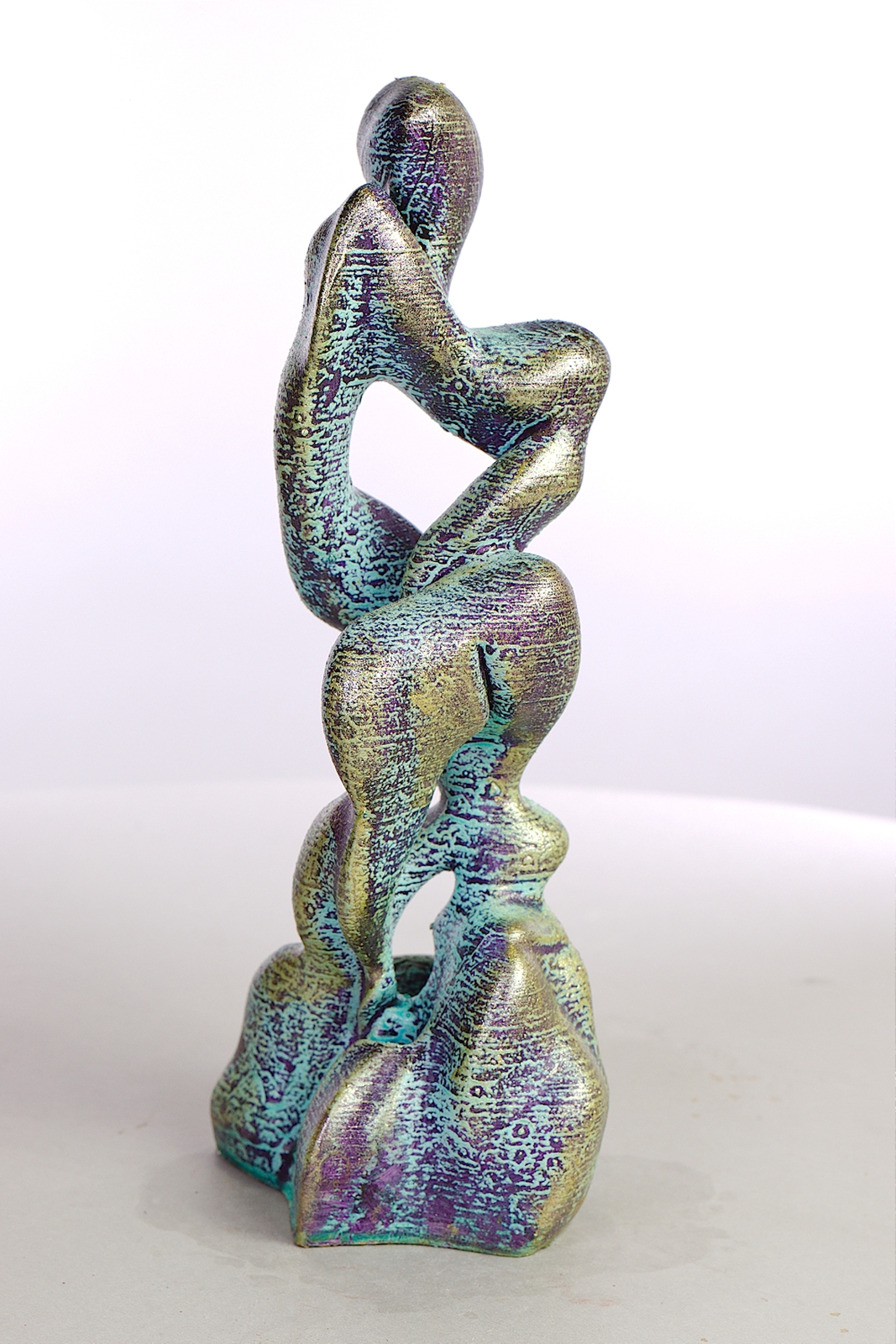
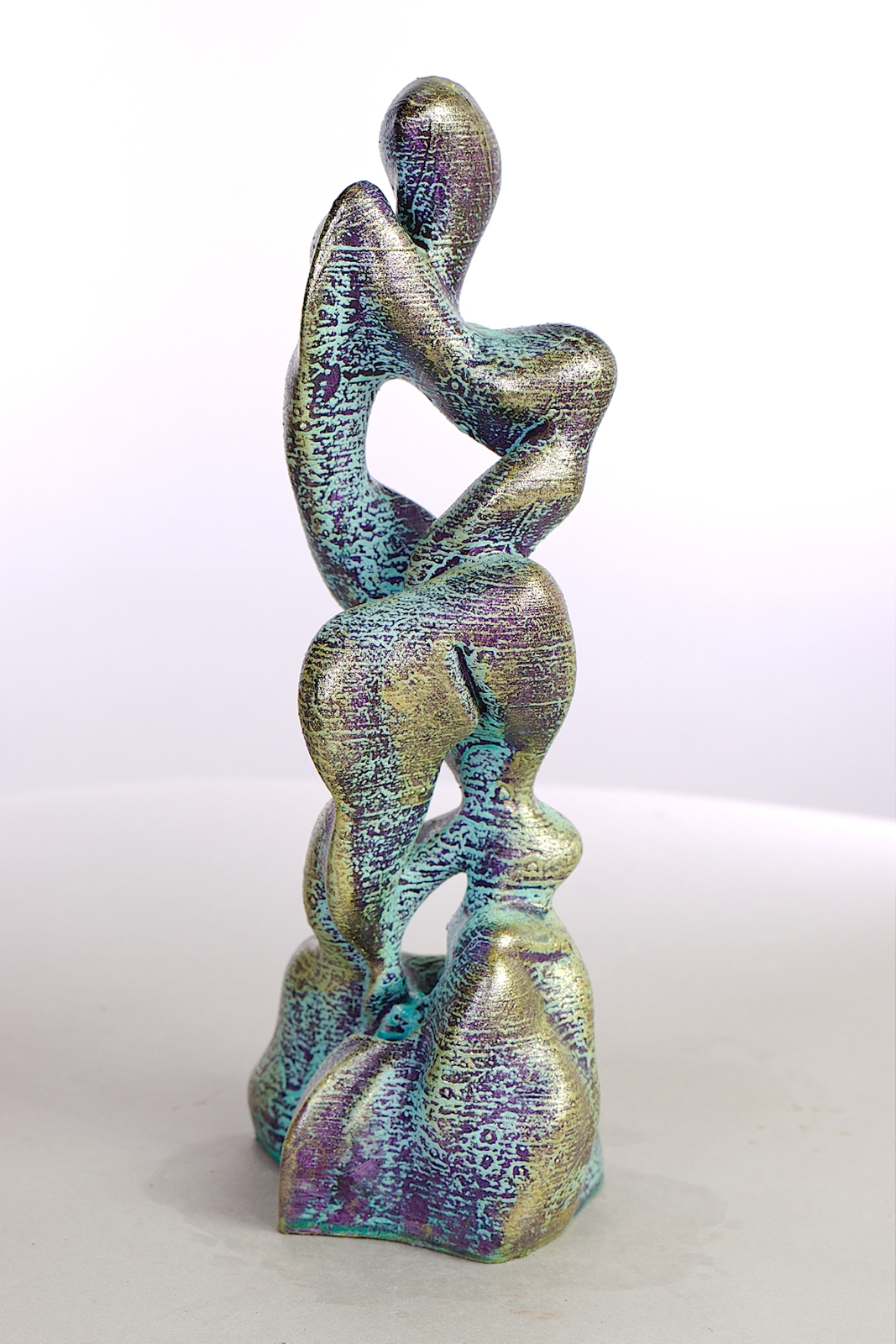
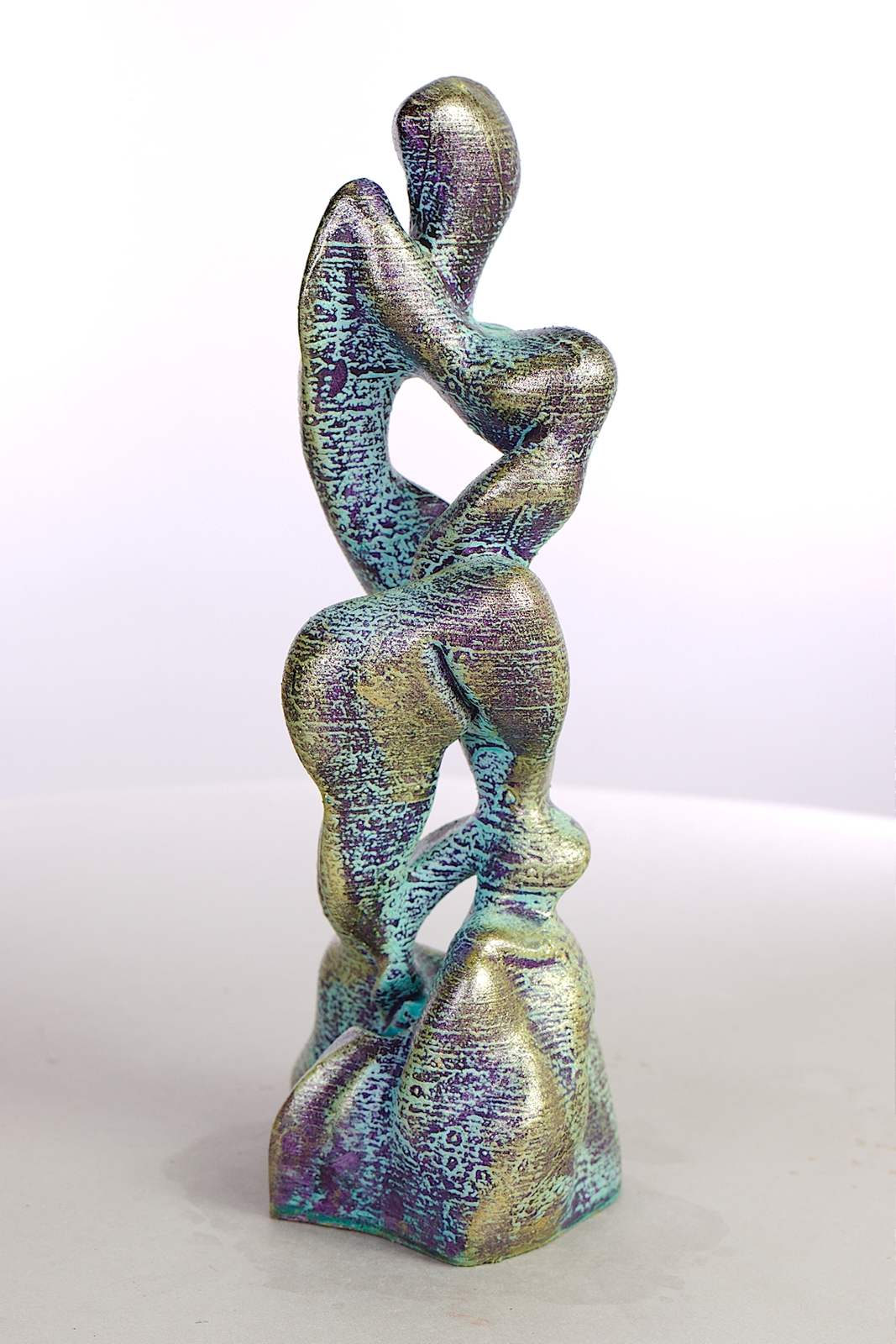
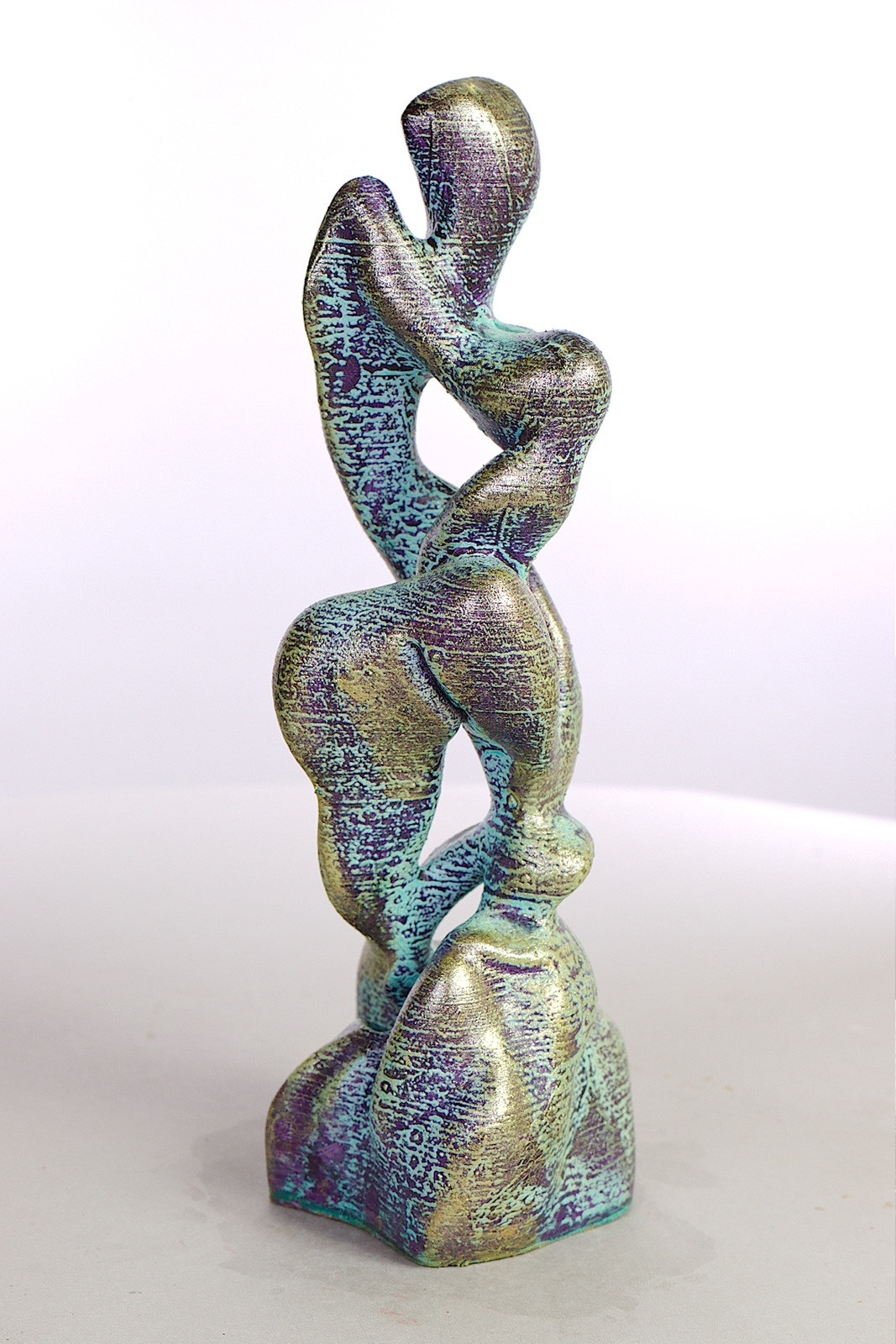
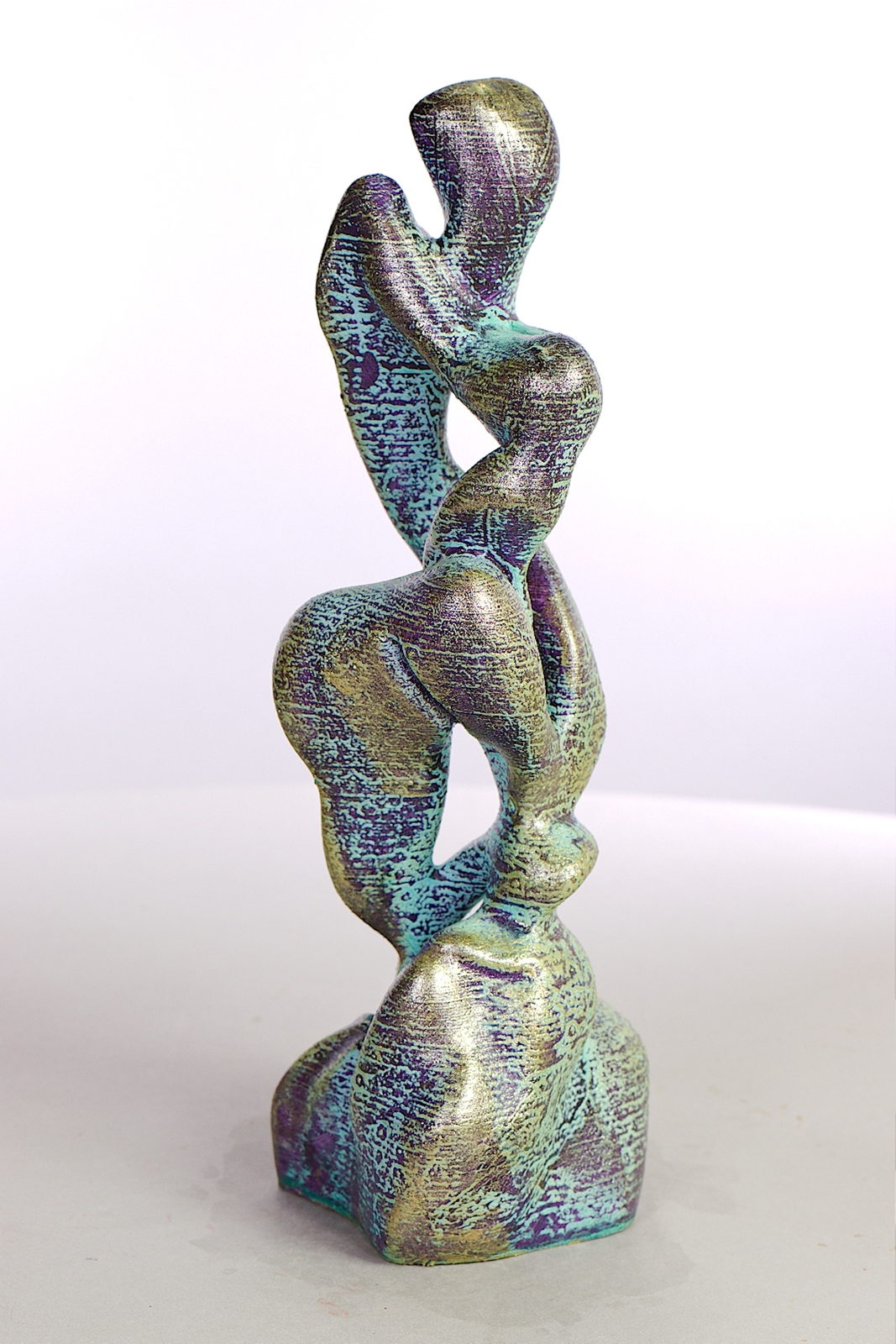
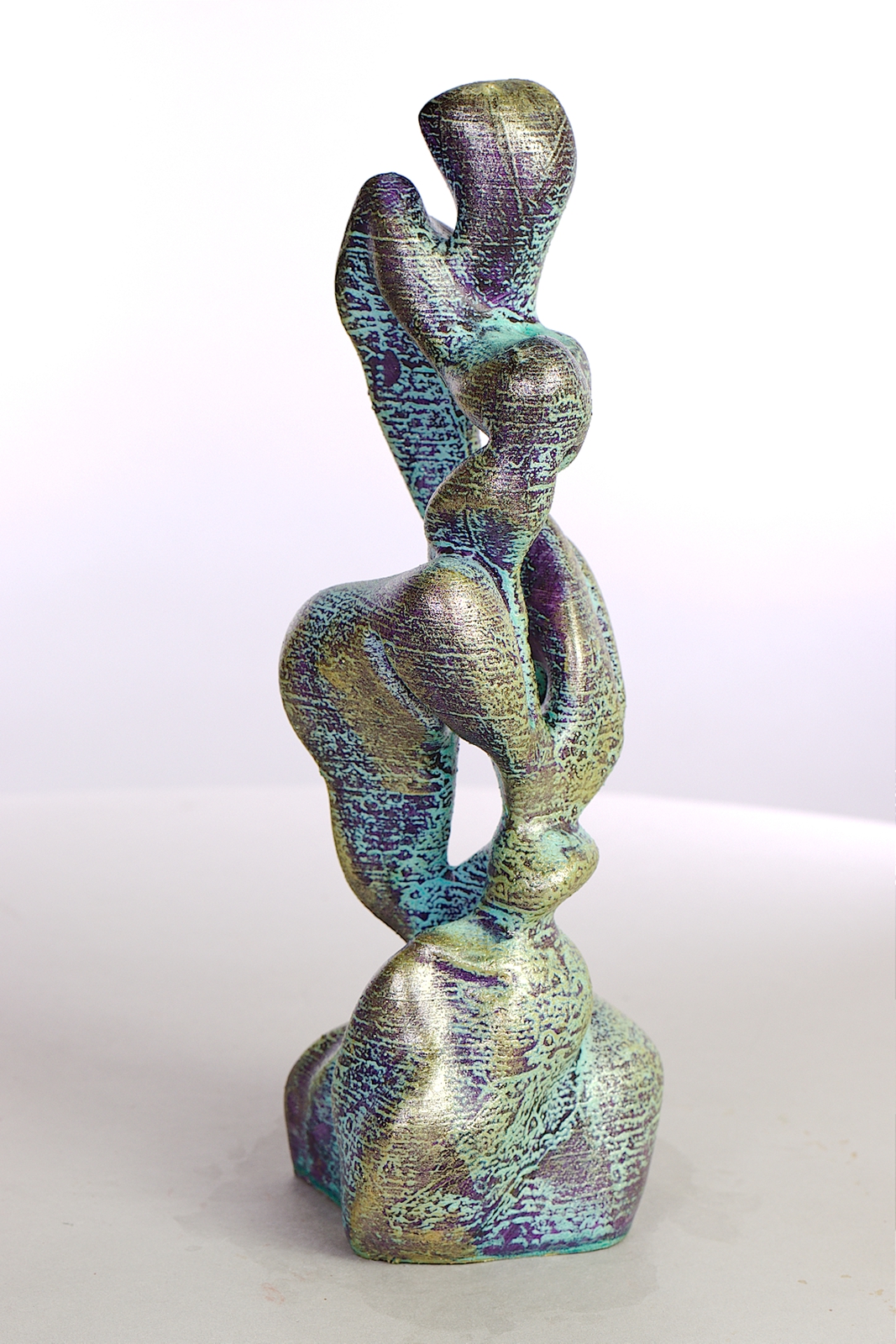
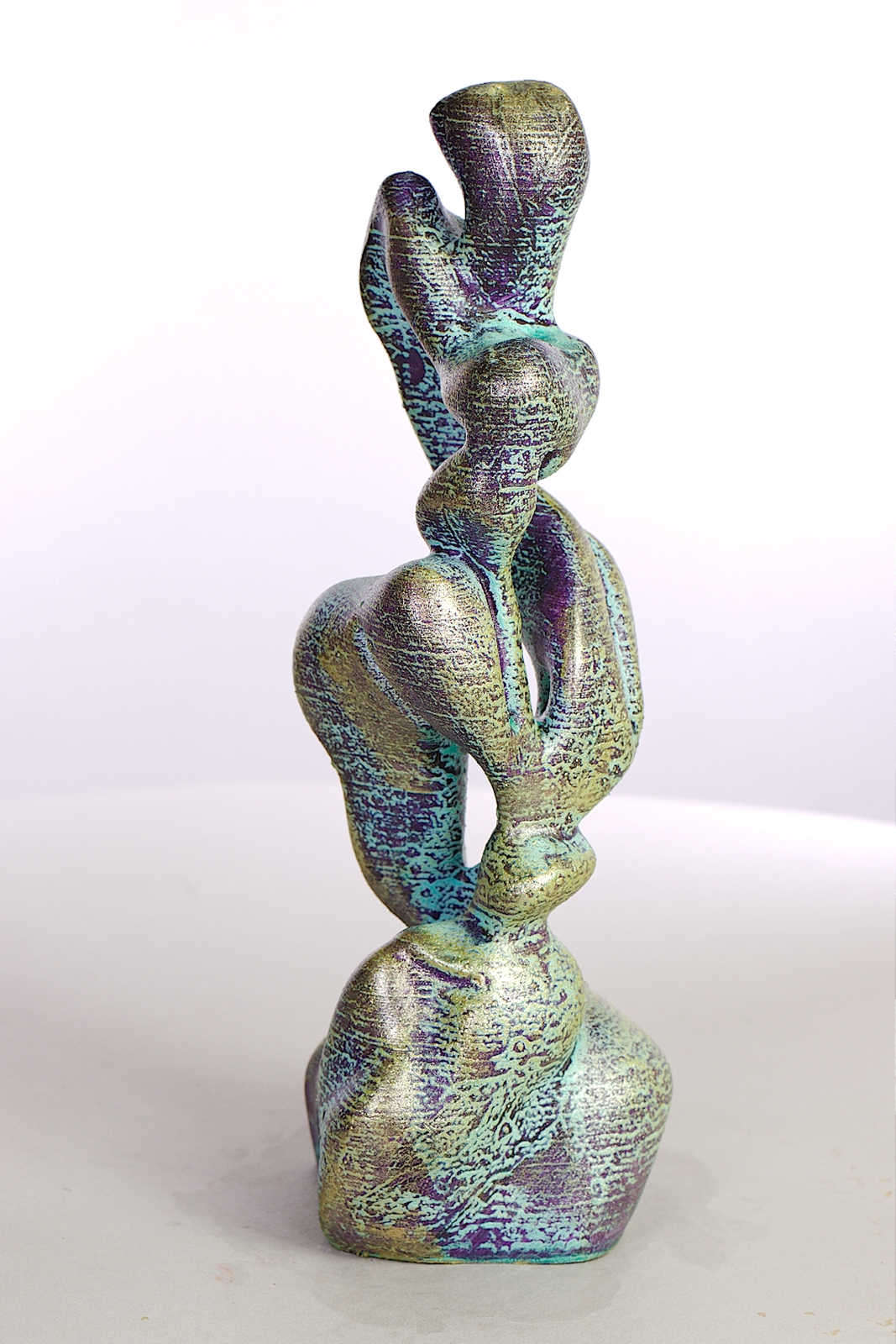
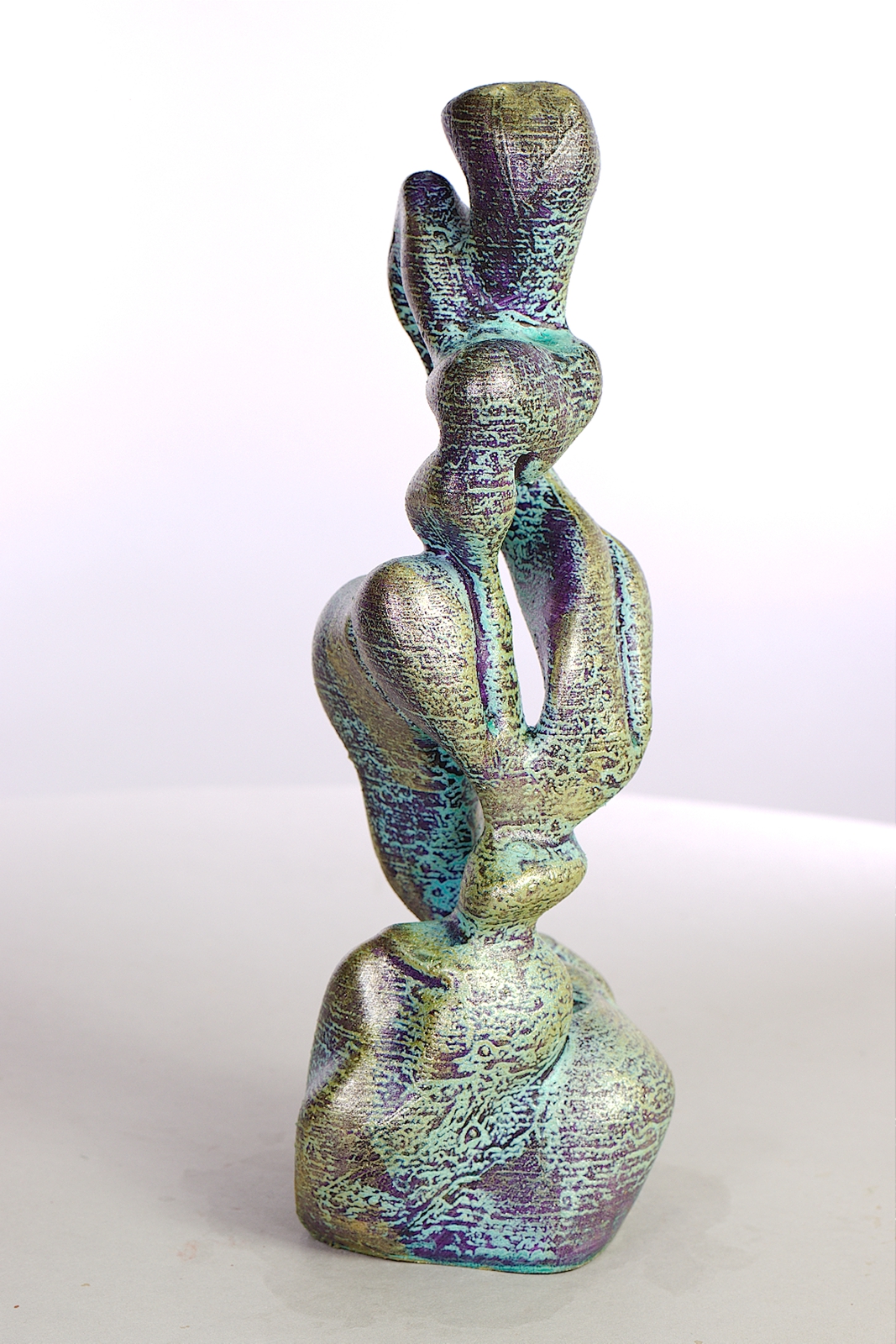
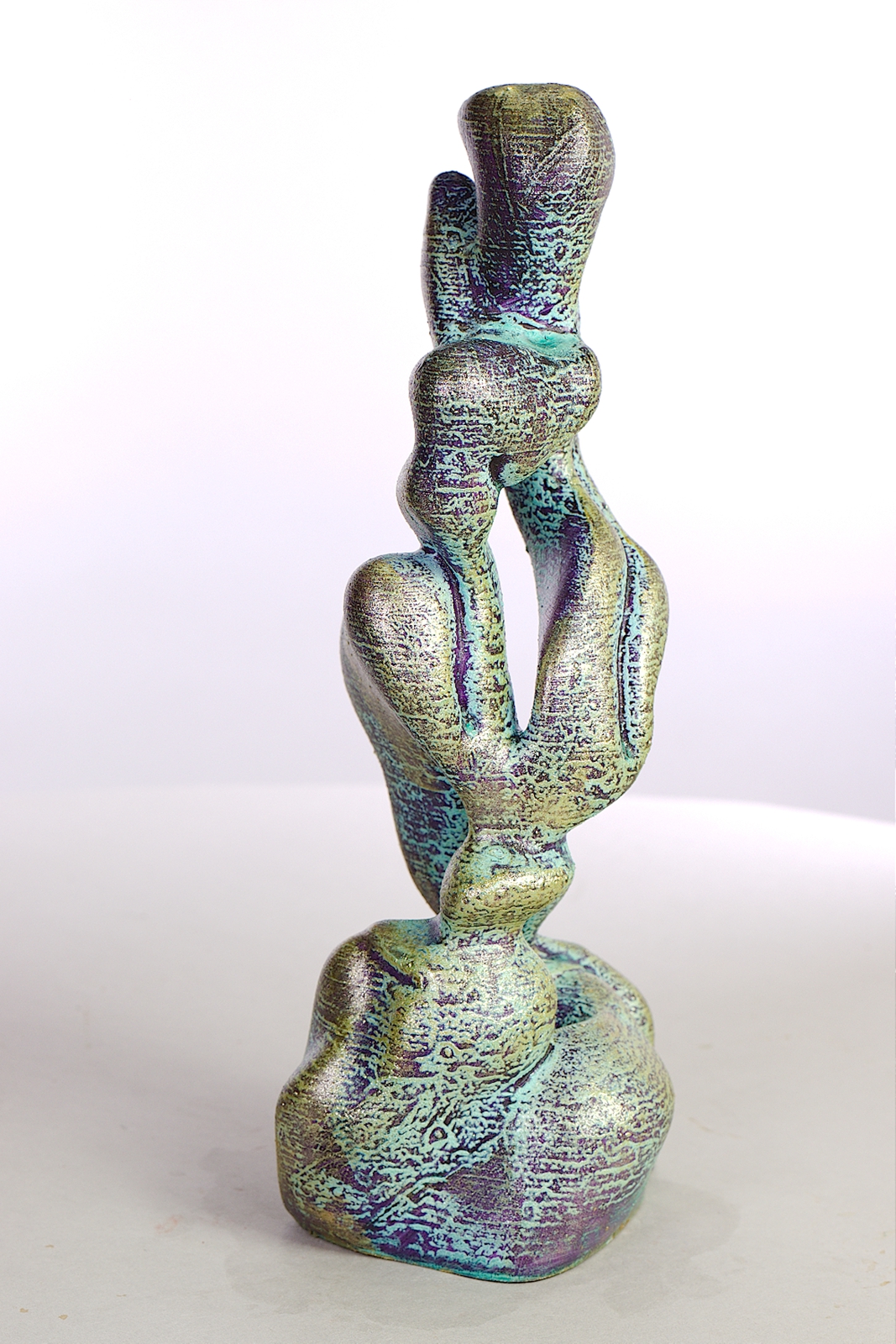
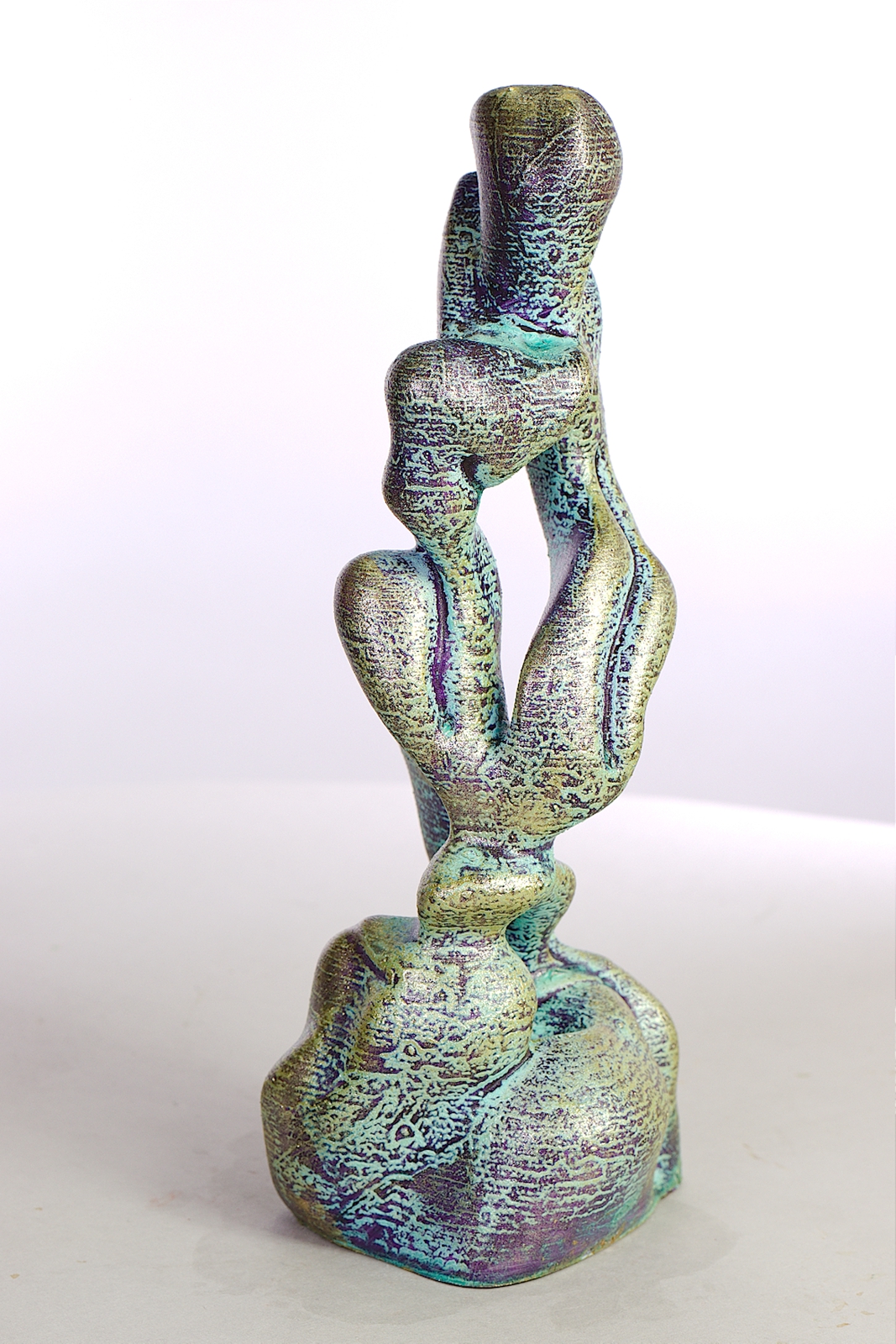
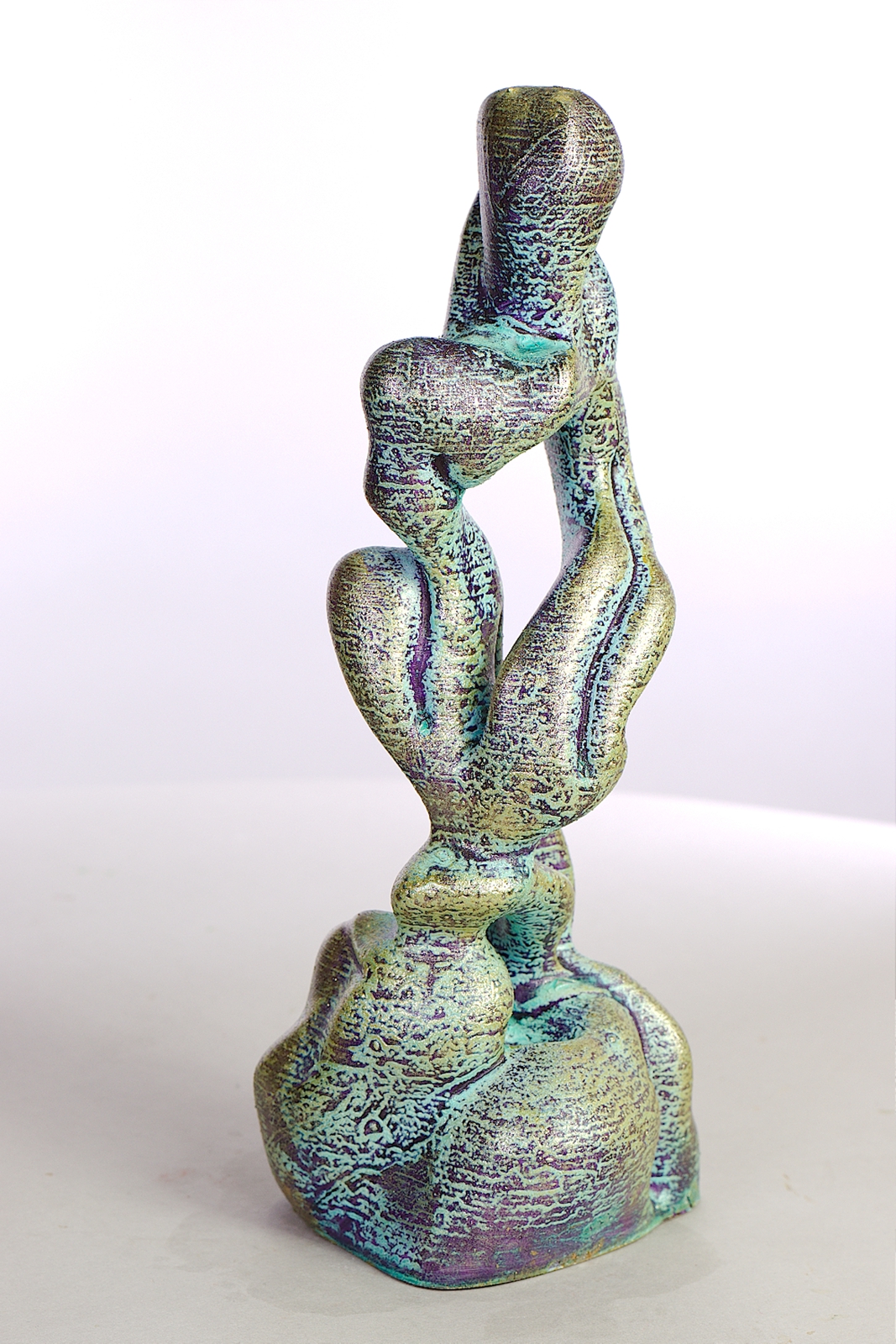

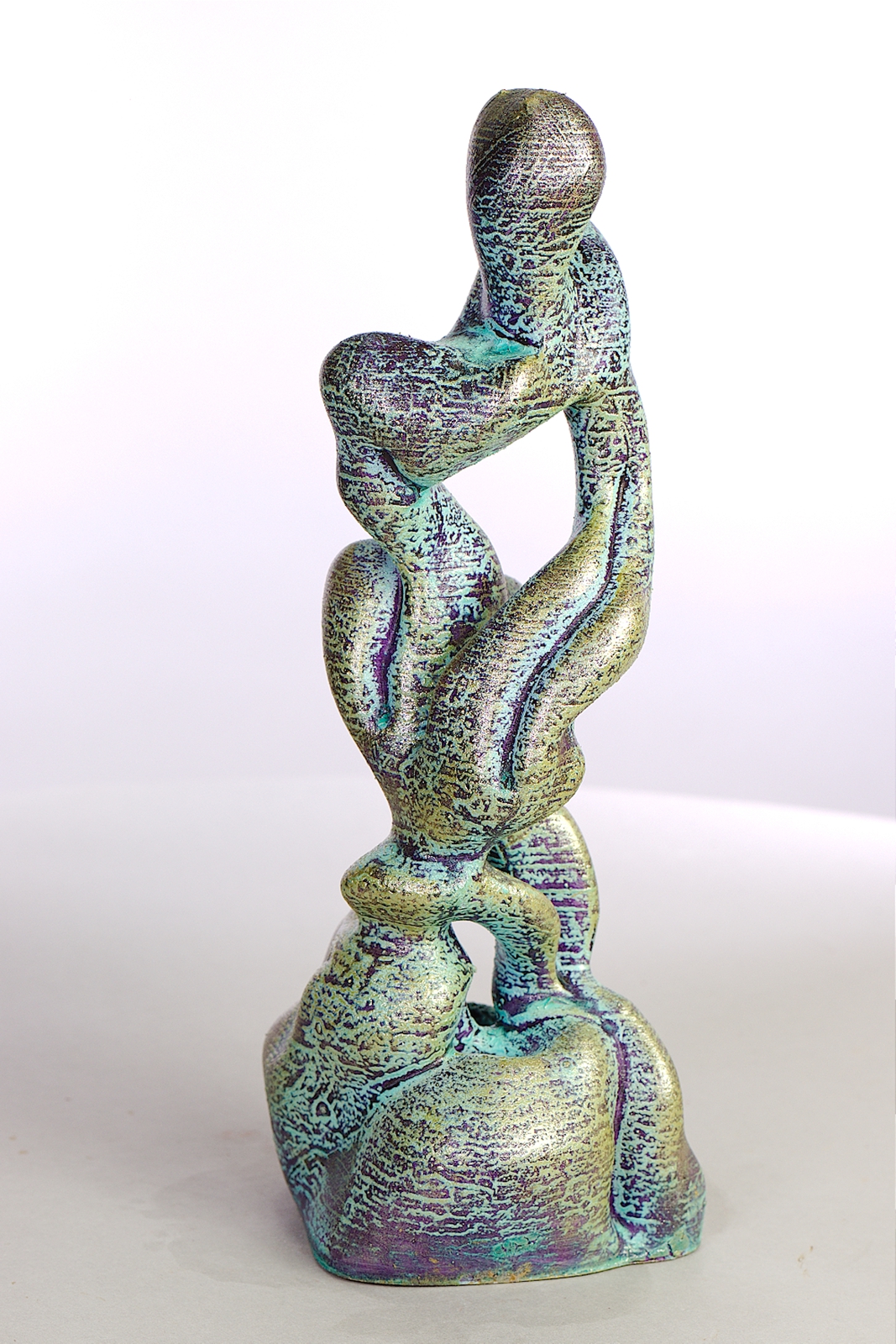
The image displays various views of the sculpture "Narcissus" by Andreas Loeschner-Gornau, which is based on the Greek myth of the same name.
The sculpture itself is abstract and organically shaped; it appears as two intertwined, anthropomorphic figures winding their way upward. The forms are fluid and curvilinear, featuring numerous recesses and overlaps that convey a sense of movement and dynamism. It remains ambiguous whether the work depicts a single figure gazing at itself or represents the interaction between two distinct beings. The surface texture is rough and textured, reminiscent of weathered rock or aged metal.
The coloring of the sculpture constitutes a key feature. It is rendered in a blend of deep violet, vibrant turquoise, and a metallic tone ranging from gold to bronze. These colors are not applied uniformly; rather, in places, they appear to form a patina-like layer, lending the sculpture an antique or weathered aesthetic. The turquoise and violet are often applied in patterned lines and dabs, while the gold creates a softer, shimmering surface. This combination generates a fascinating contrast, causing the sculpture to appear different depending on the angle of the light.
The various views present the sculpture from different angles to provide a comprehensive impression of its form and volume. The composition is simple, focusing entirely on the artwork itself. Each view has been carefully selected to highlight the sculpture's characteristic curves and surface textures. The sculpture rises from a stylized base—which shares the same color and textural characteristics as the main body—and from which it is barely distinguishable. The entire presentation underscores the artistic intent of the work, which aims to encourage viewers to reflect upon the depiction of Narcissus, self-love, and the complexity of human relationships. The abstract form and intense coloring leave ample room for interpretation.