paintings
paintings
paintings
paintings
paintings
paintings
paintings
paintings
paintings
paintings
paintings
paintings
paintings
paintings
paintings
paintings
paintings
paintings
paintings
paintings
paintings
paintings
paintings
paintings
paintings
paintings
paintings
paintings
paintings
paintings
paintings
paintings
paintings
paintings
paintings
paintings
paintings
paintings
paintings
paintings
paintings
paintings
paintings
paintings
paintings
paintings
paintings
paintings
paintings
paintings
paintings
paintings
paintings
paintings
paintings
paintings
paintings
paintings
paintings
paintings
paintings
paintings
paintings
paintings
paintings
paintings
paintings
paintings
paintings
paintings
paintings
paintings
paintings
paintings
paintings
paintings
paintings
paintings
paintings
paintings
paintings
paintings
paintings
paintings
paintings
paintings
paintings
paintings
paintings
paintings
paintings
paintings
paintings
paintings
paintings
paintings
paintings
paintings
paintings
paintings
Andreas Löschner-Gornau, Professor Emeritus of Fine Arts
"Depositio secunda" PLA (bio-based plastic),electroplated with copper, patinated/ Click here to buy
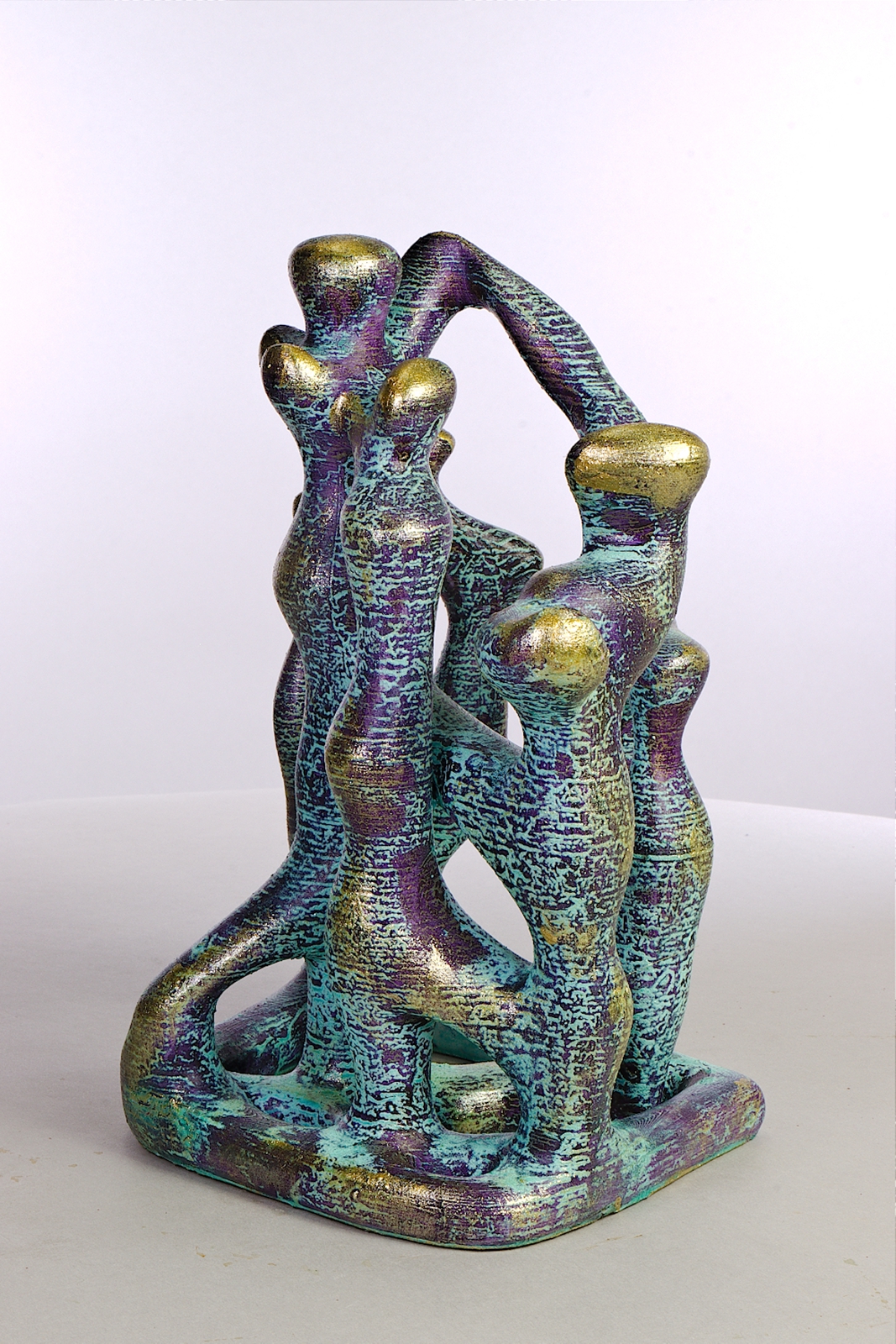
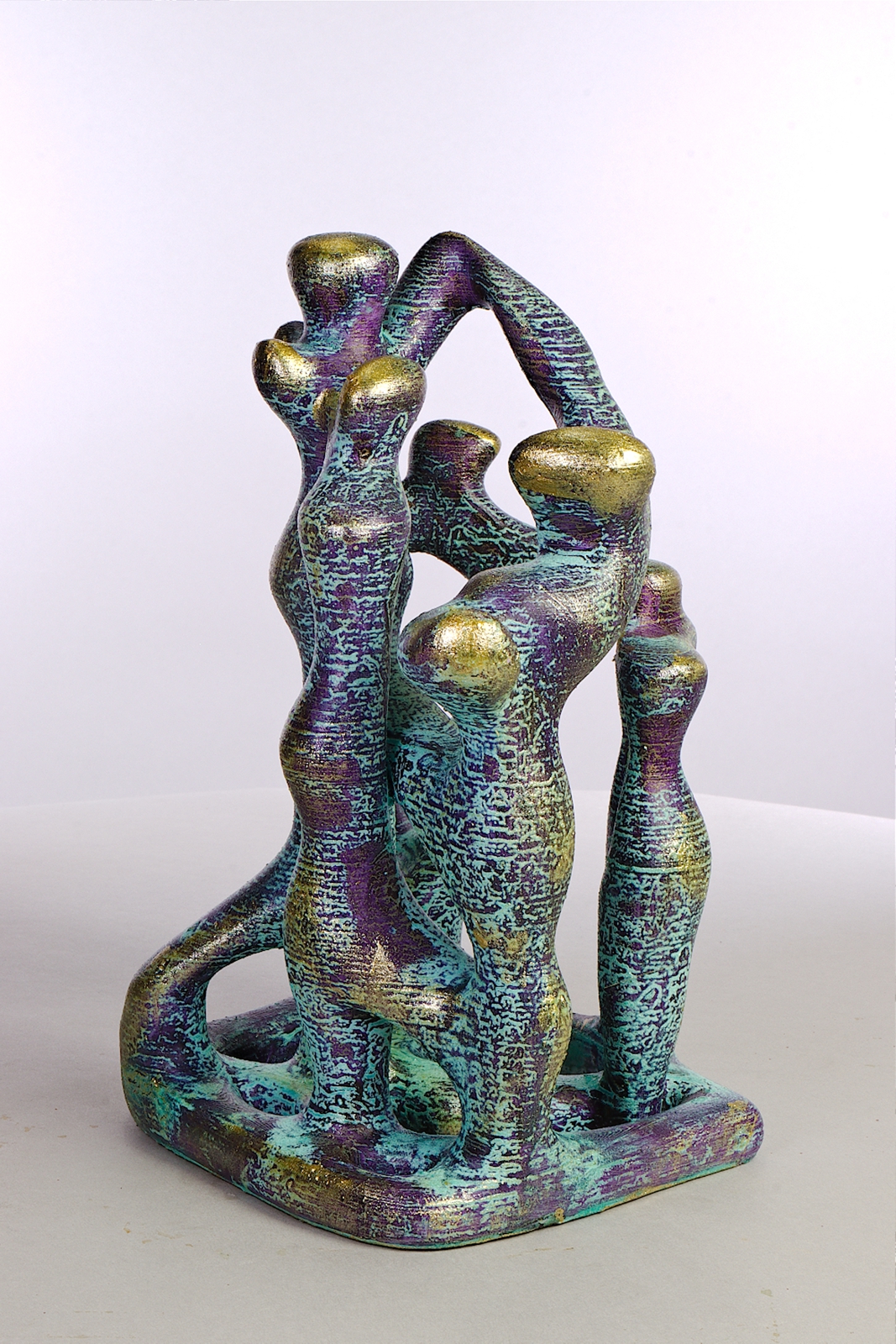
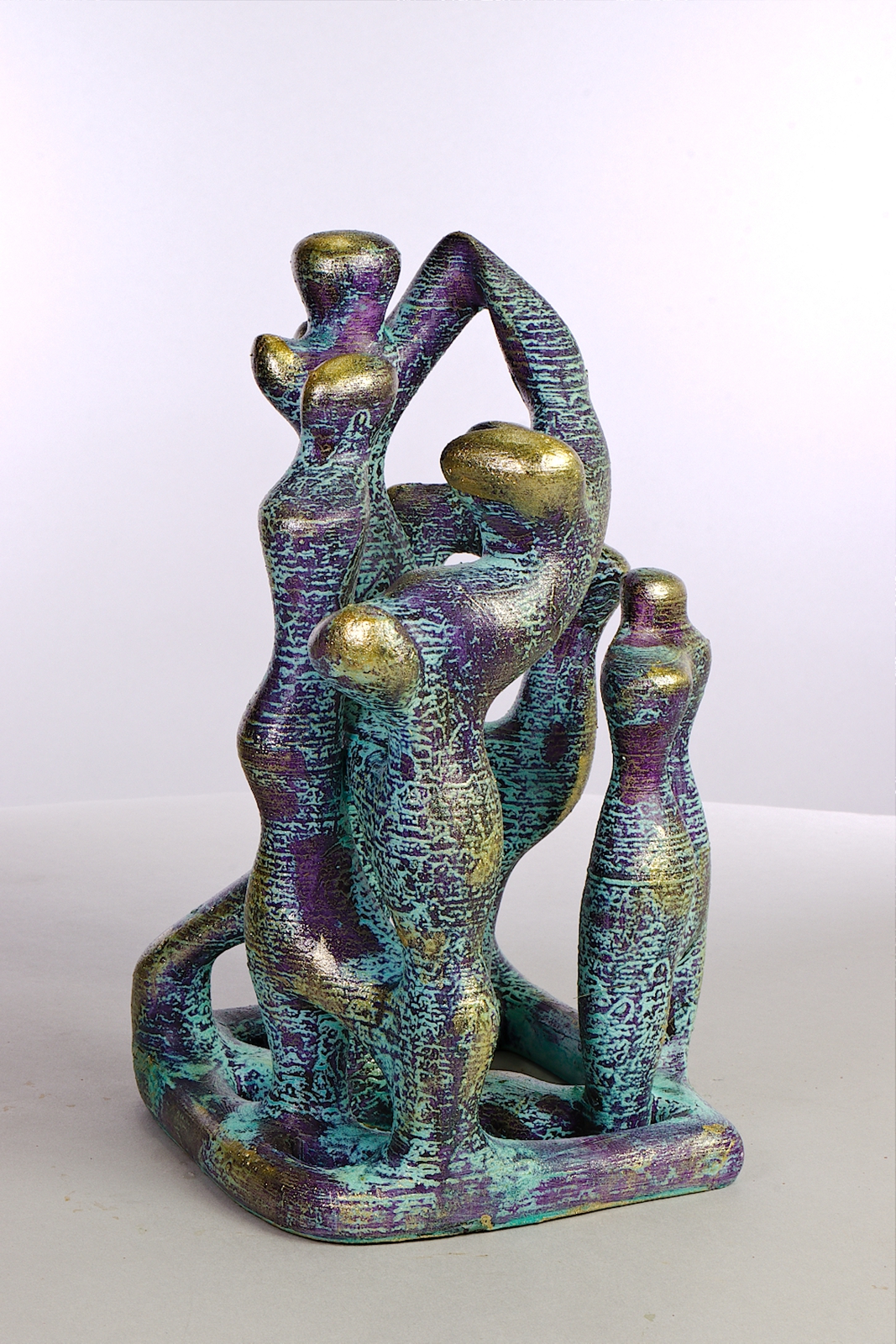
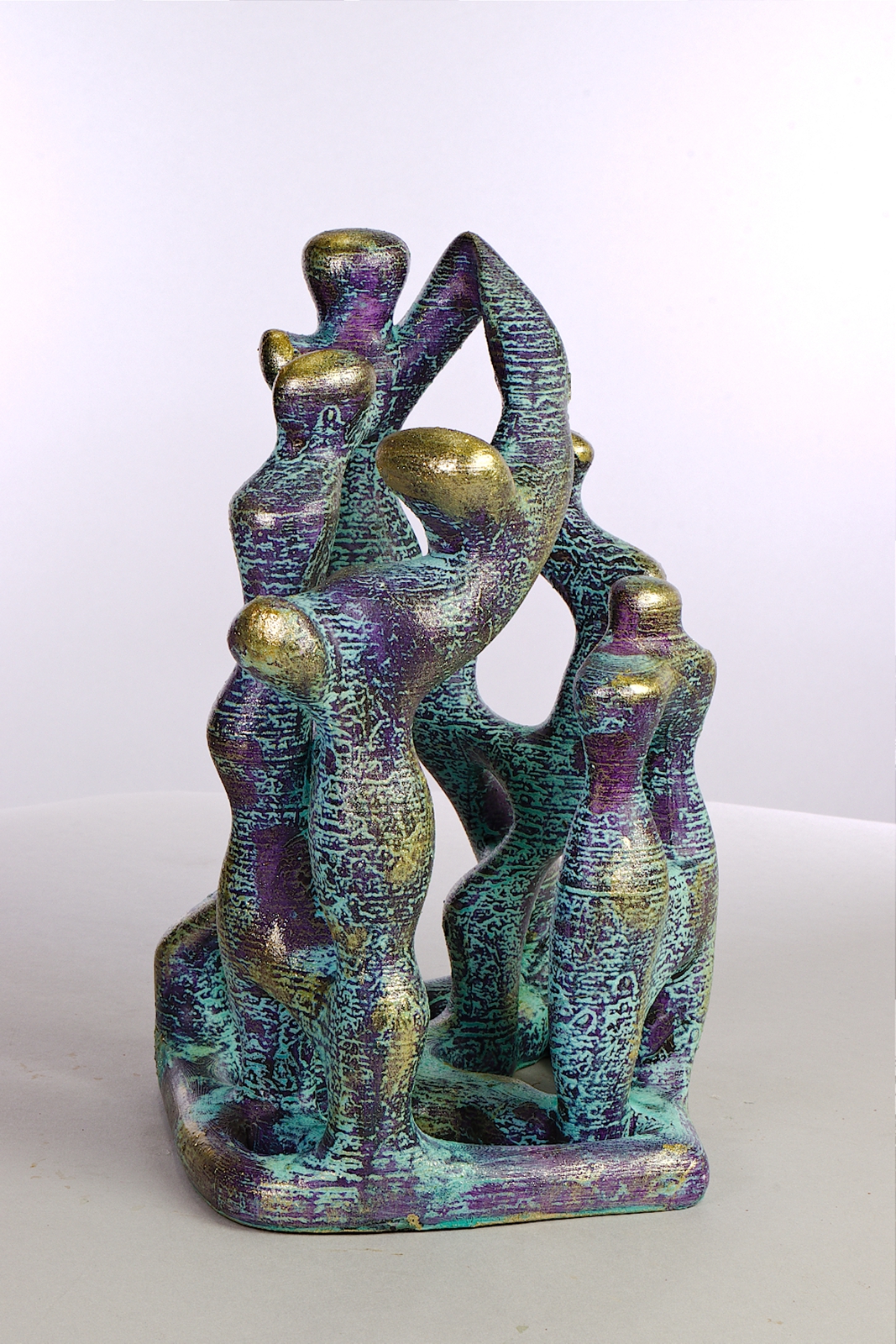
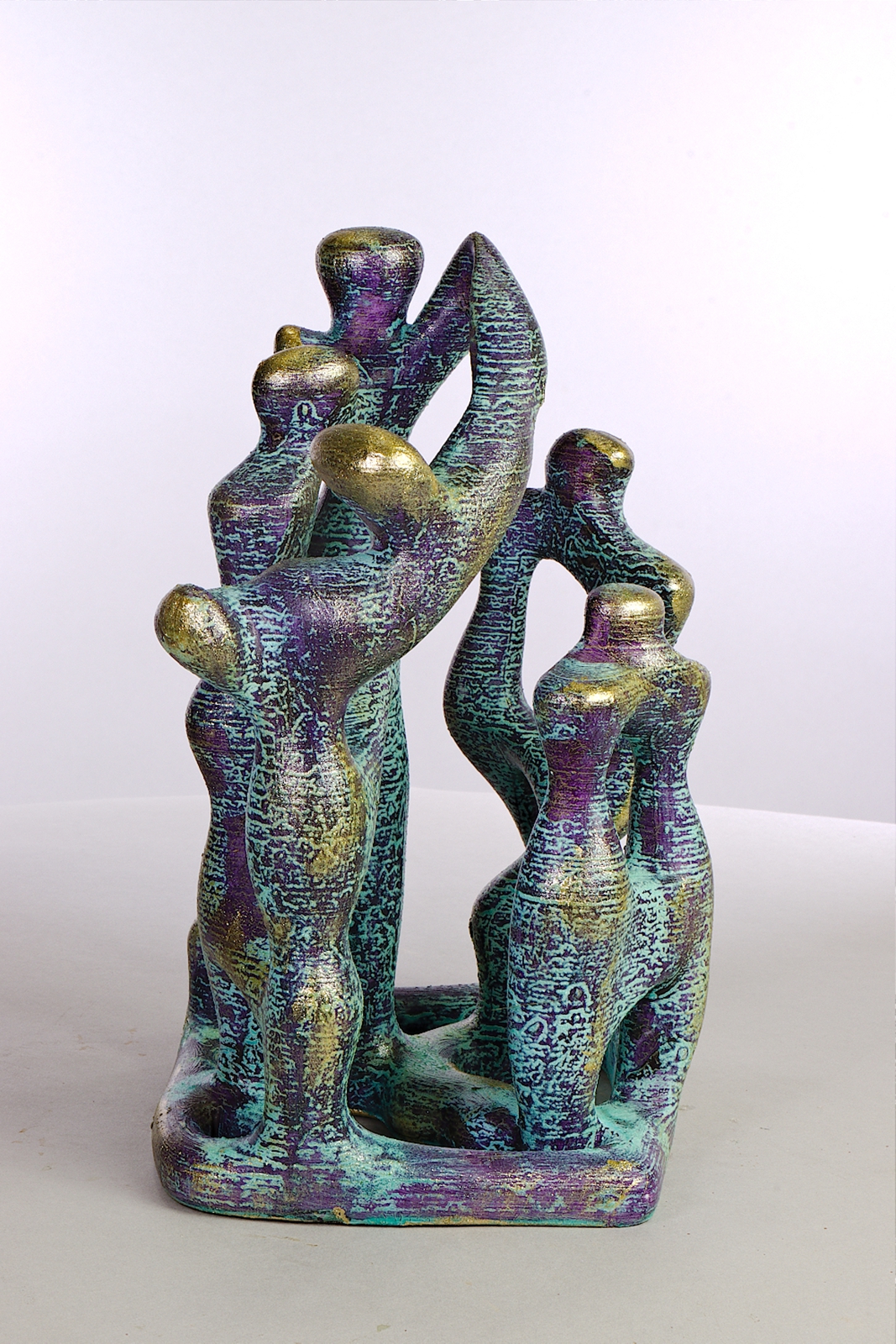
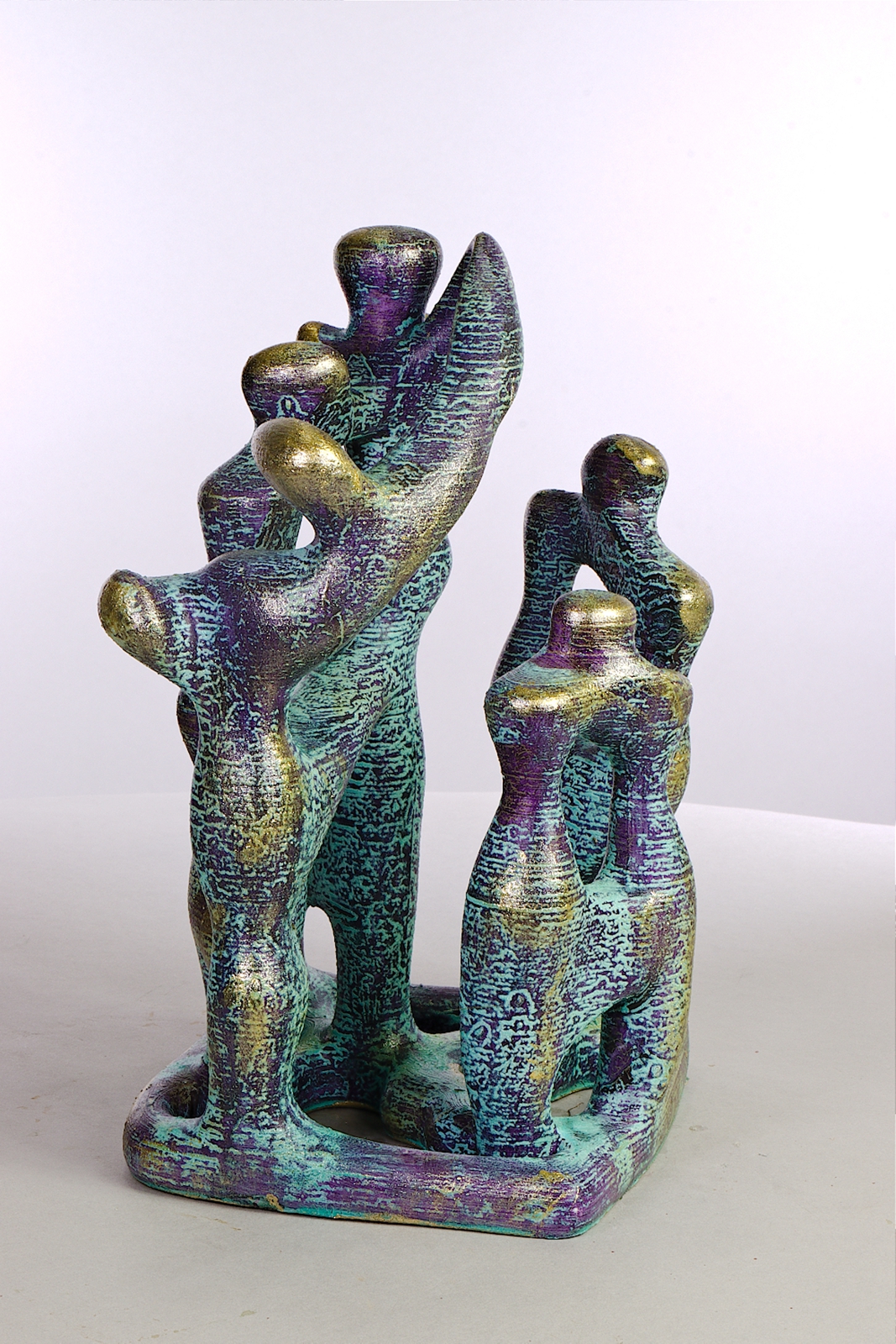
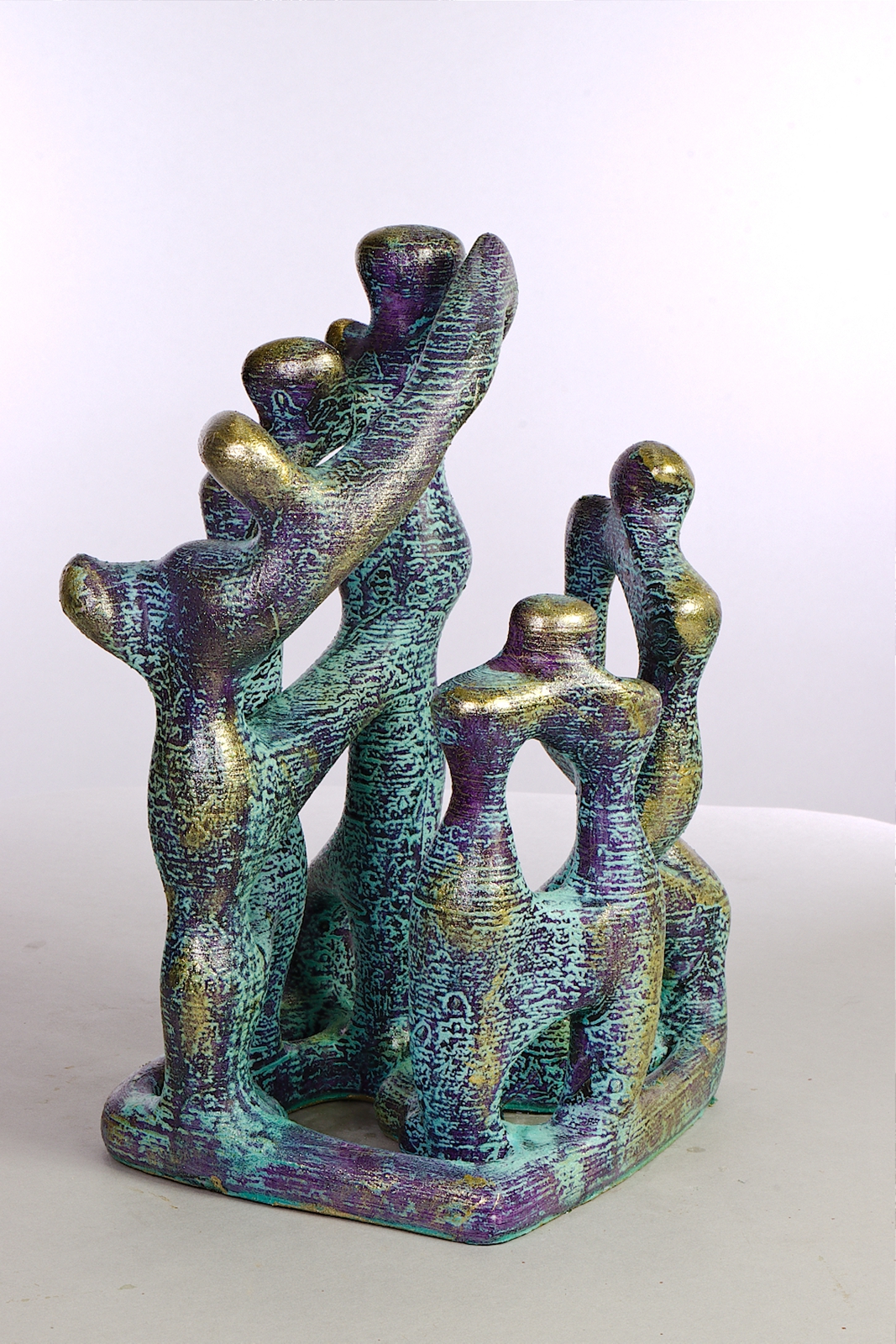
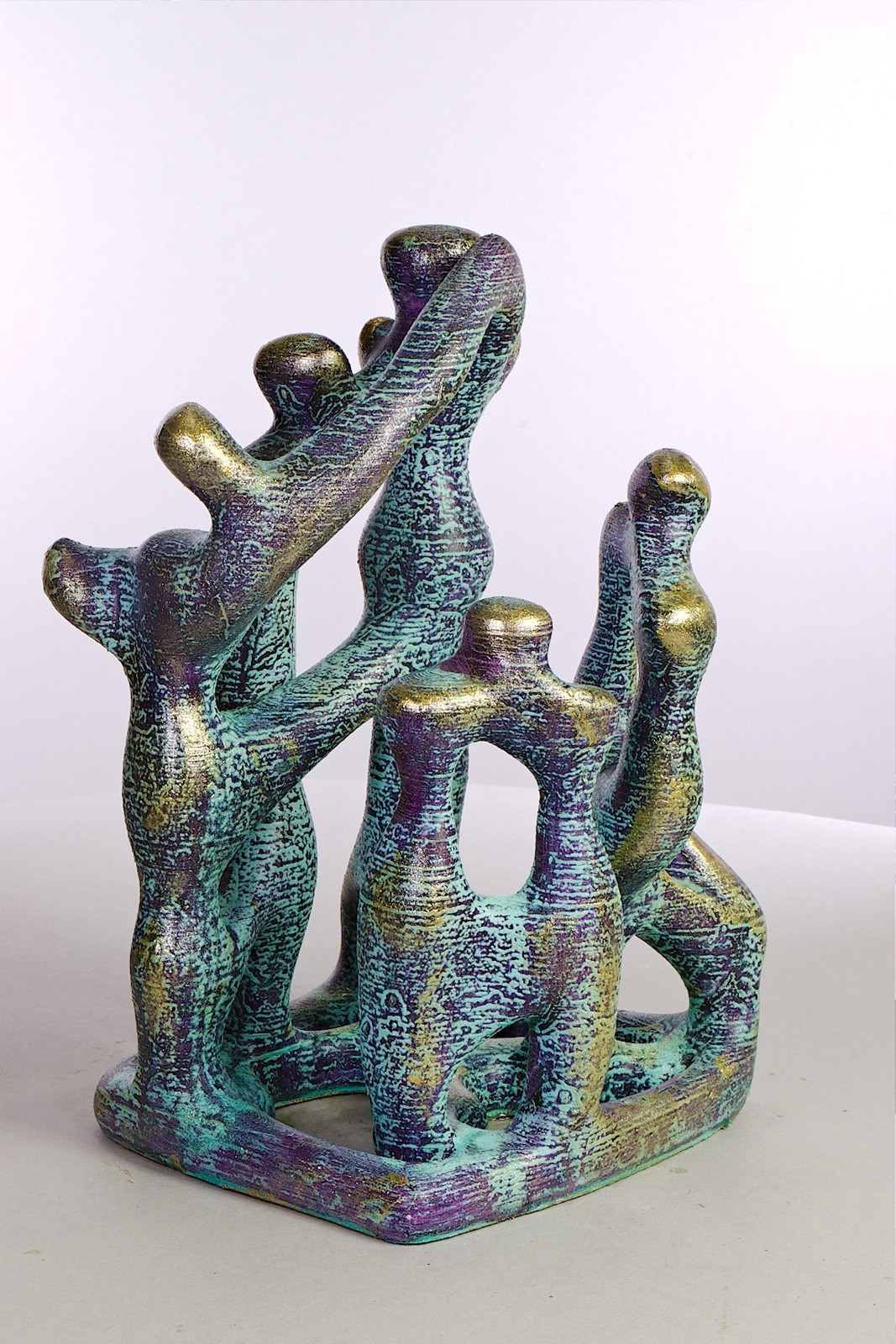
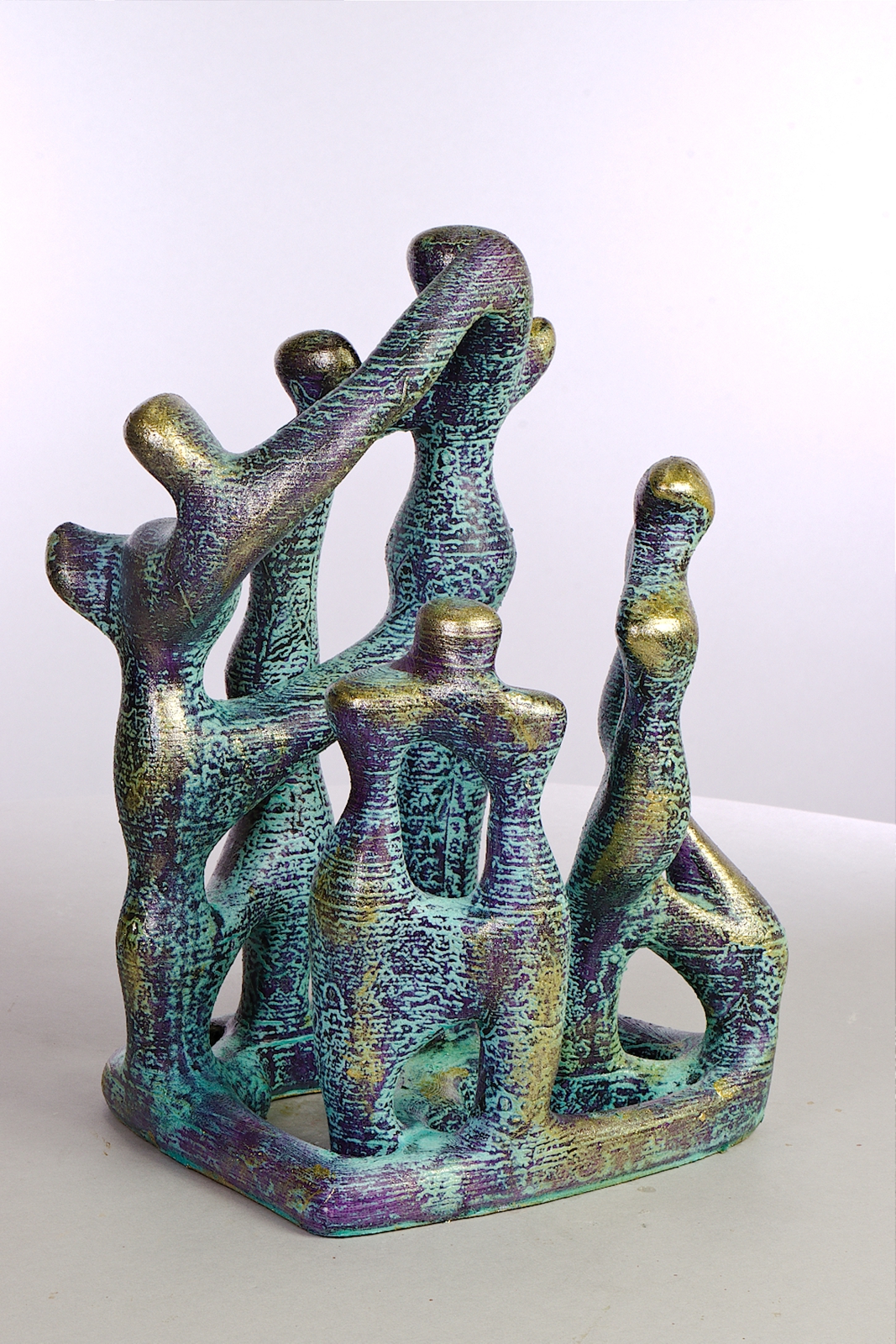
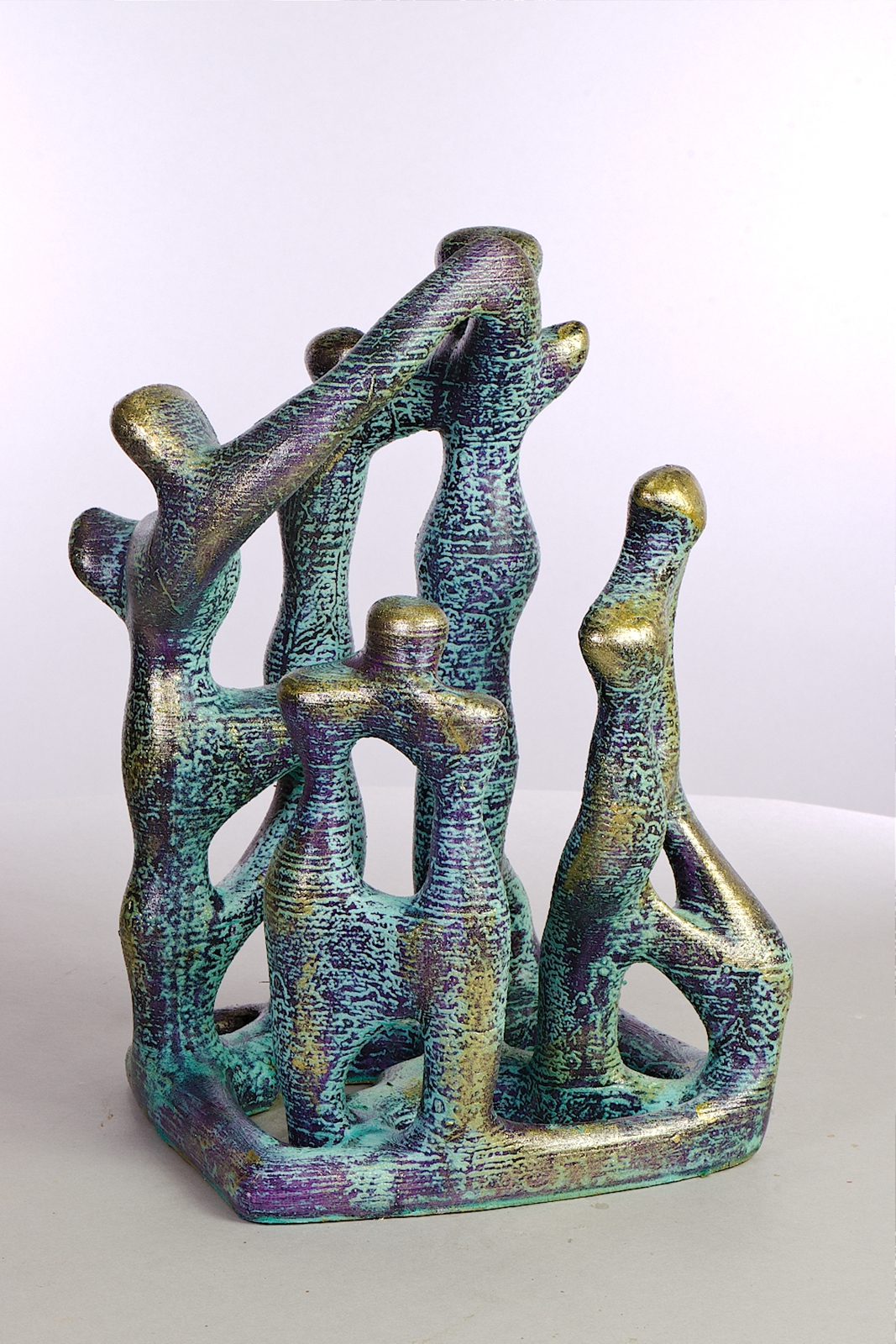
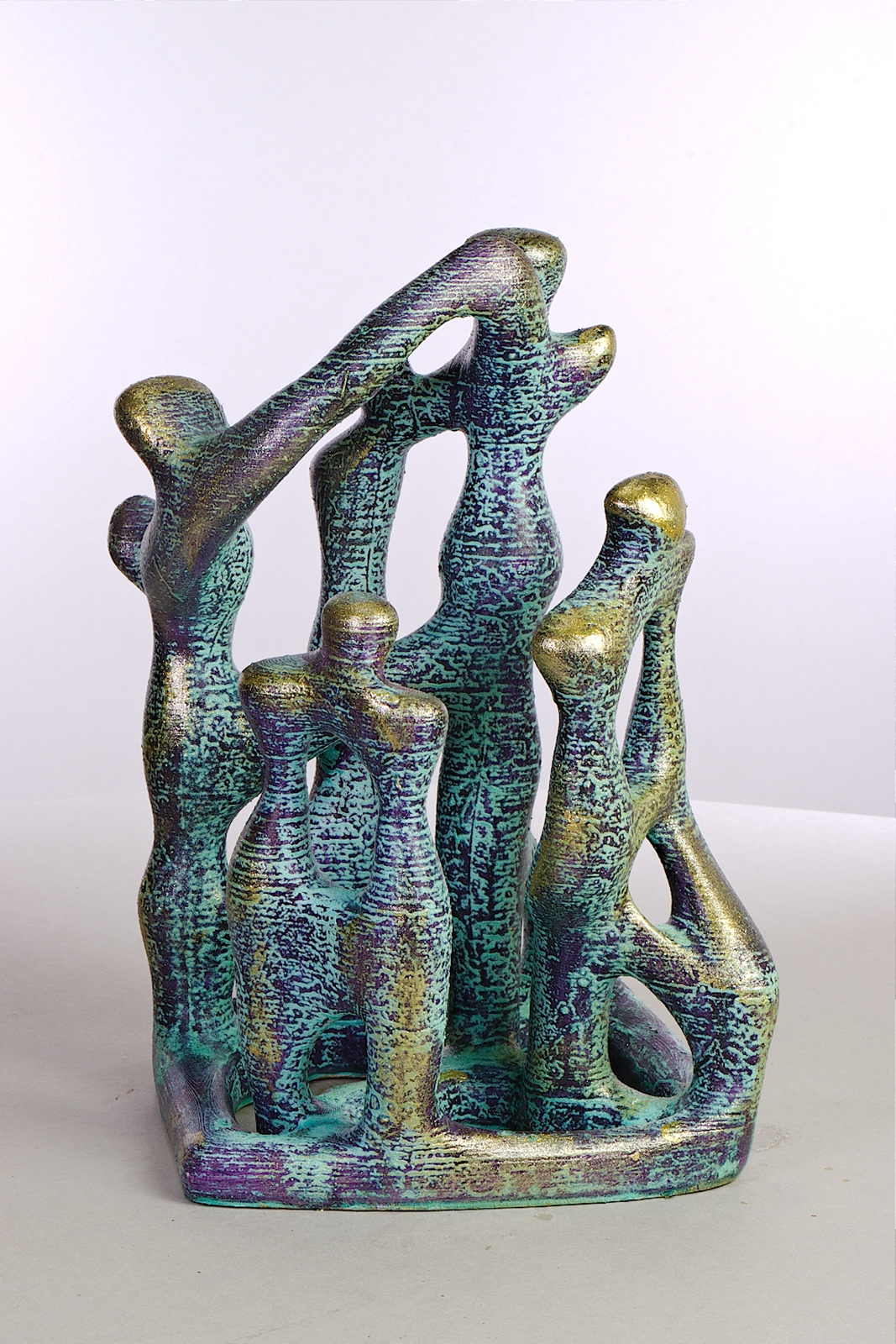
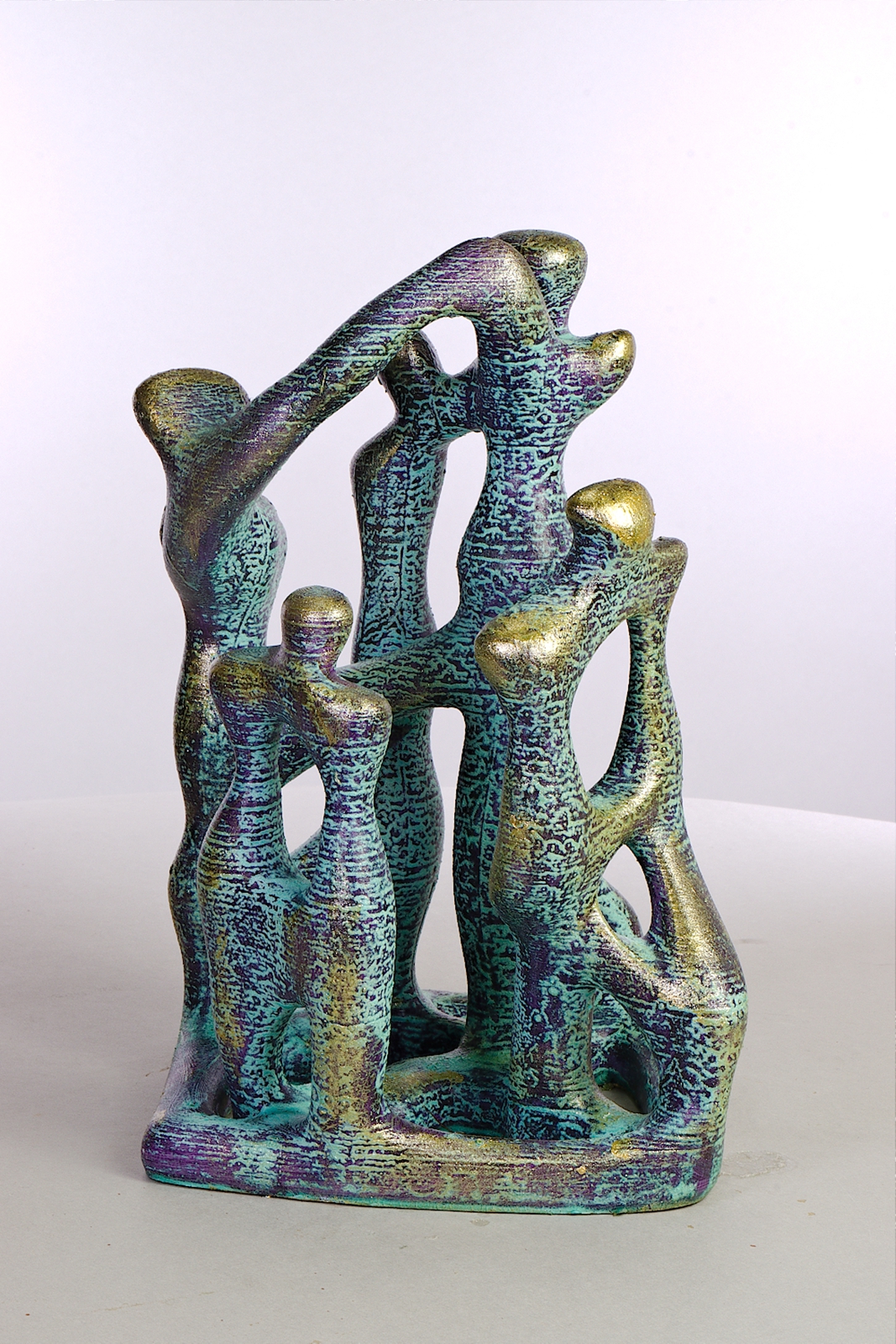
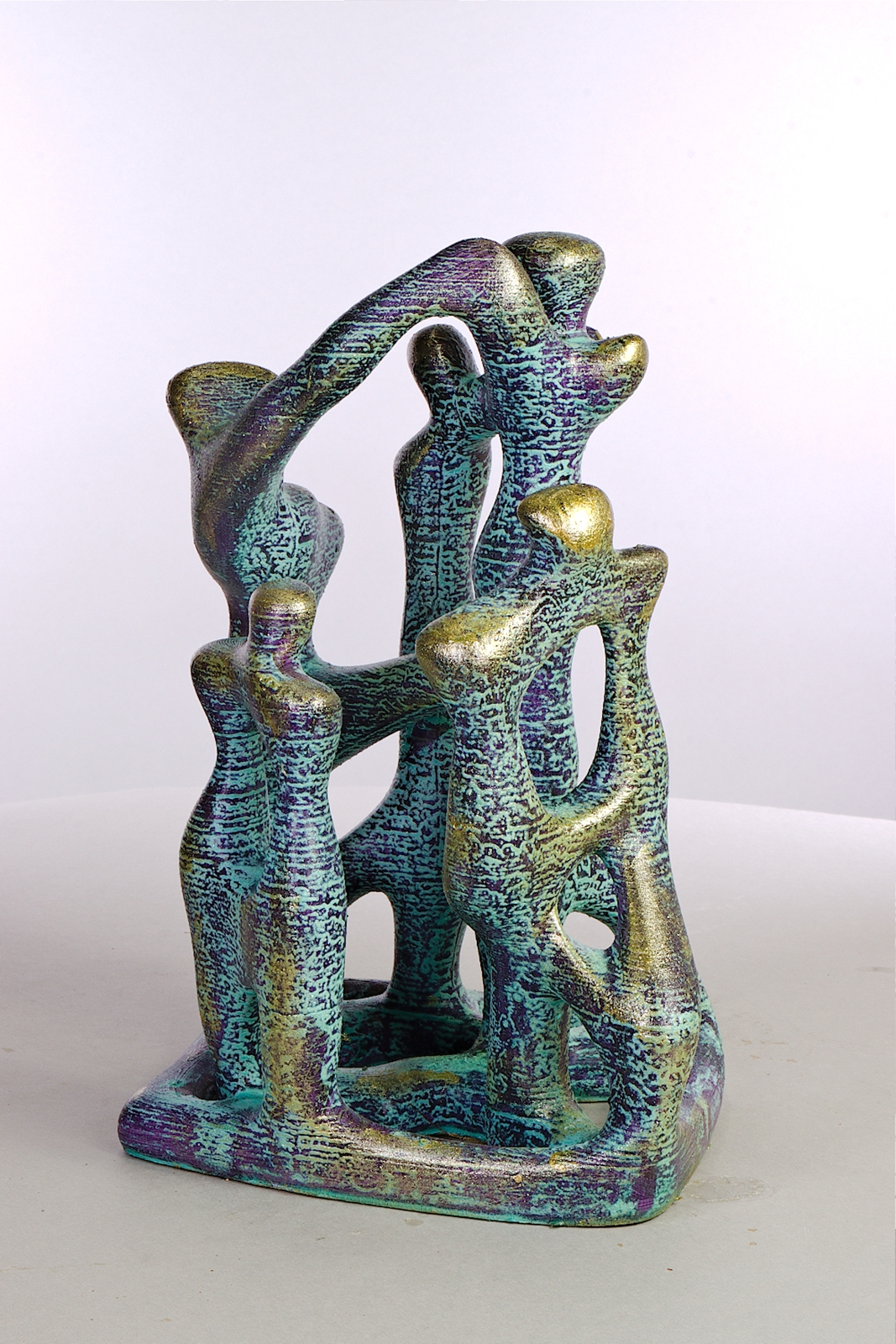
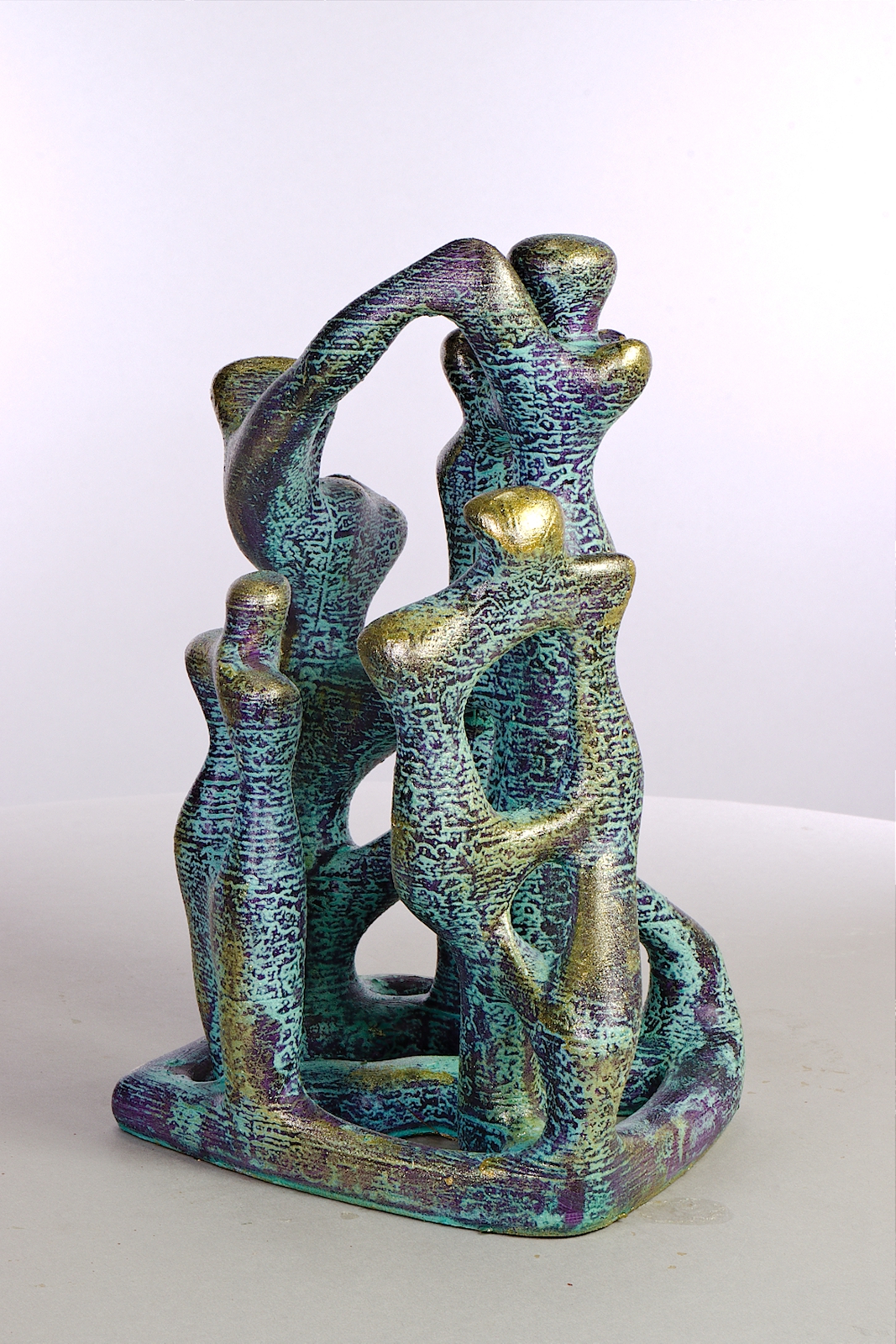
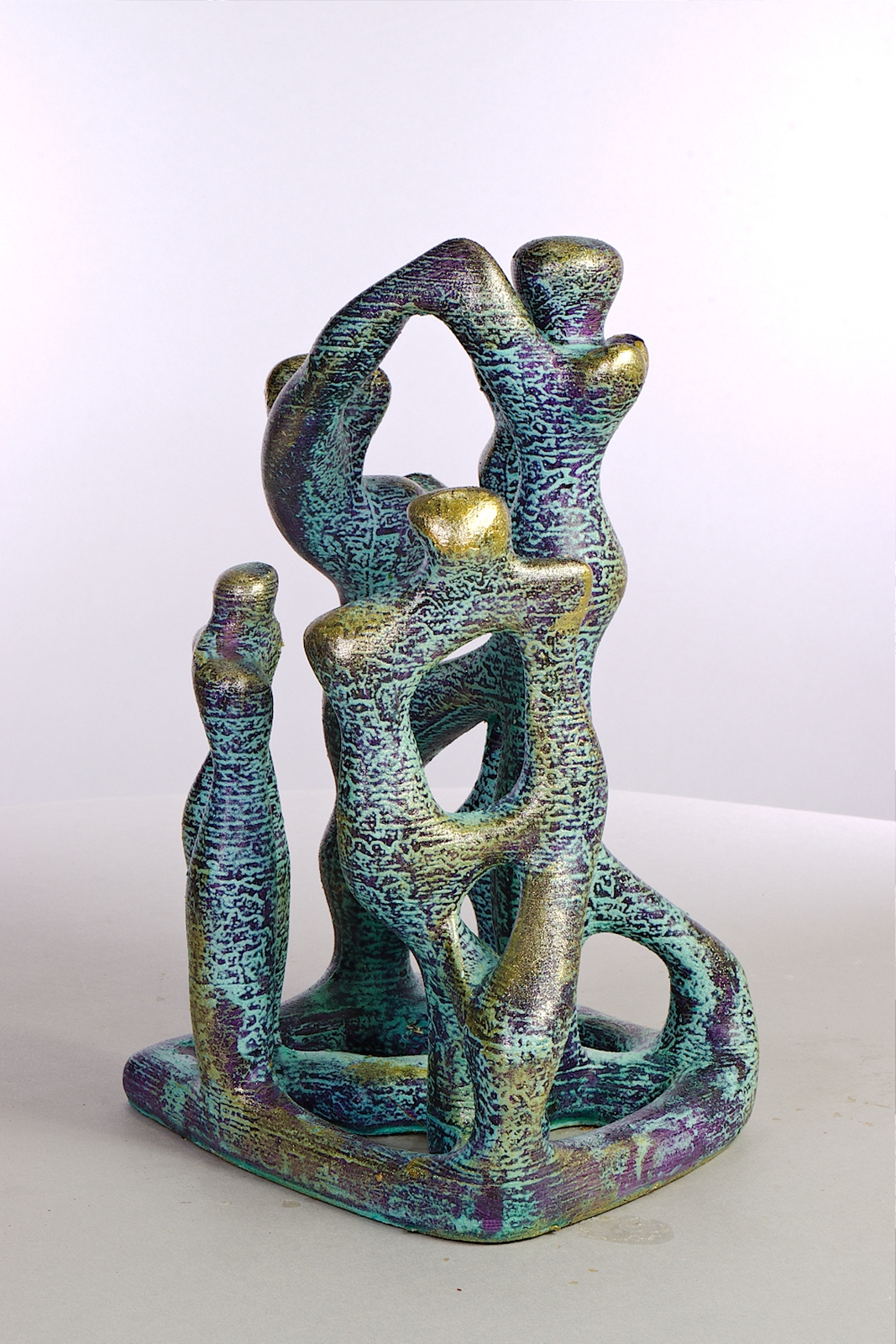
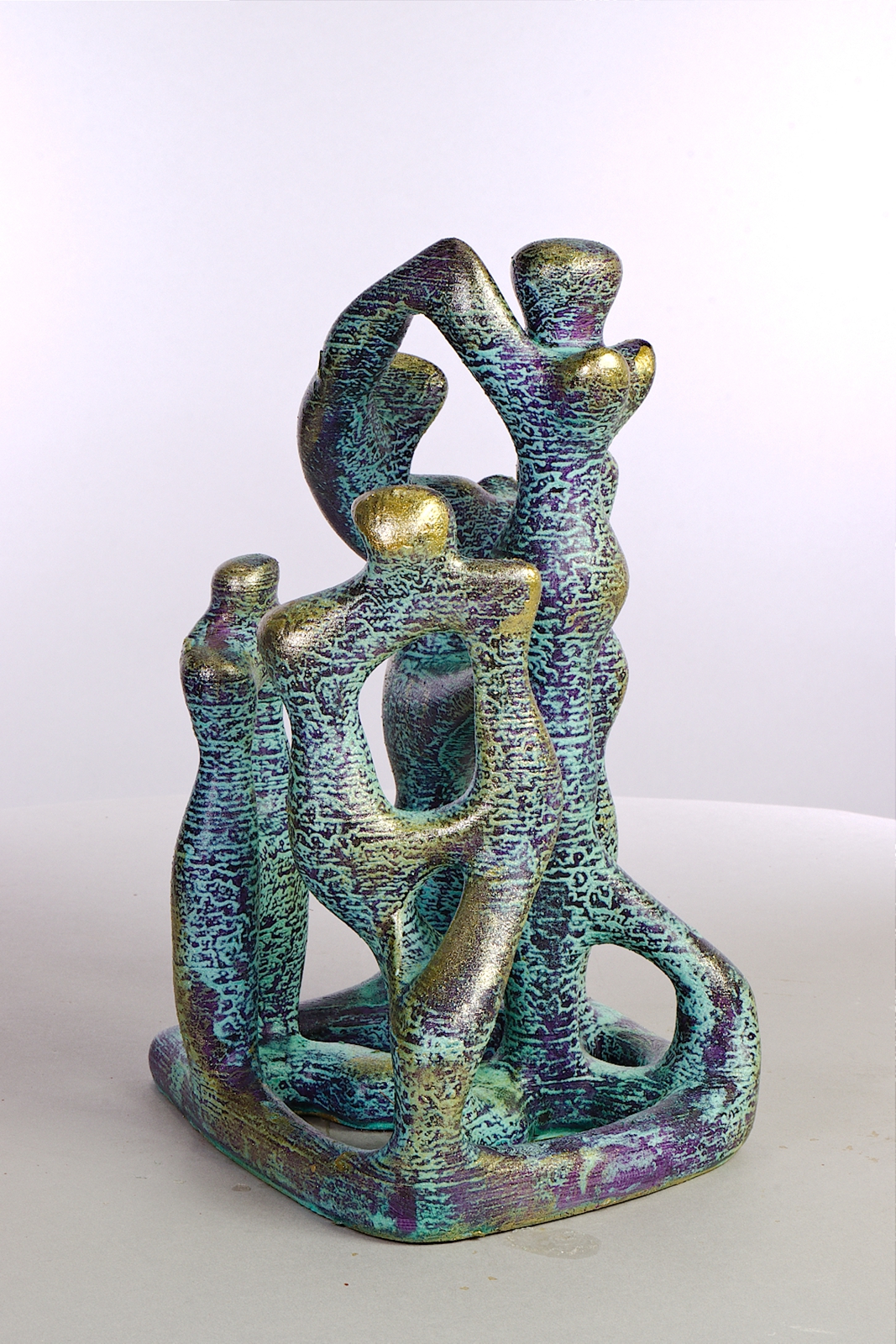
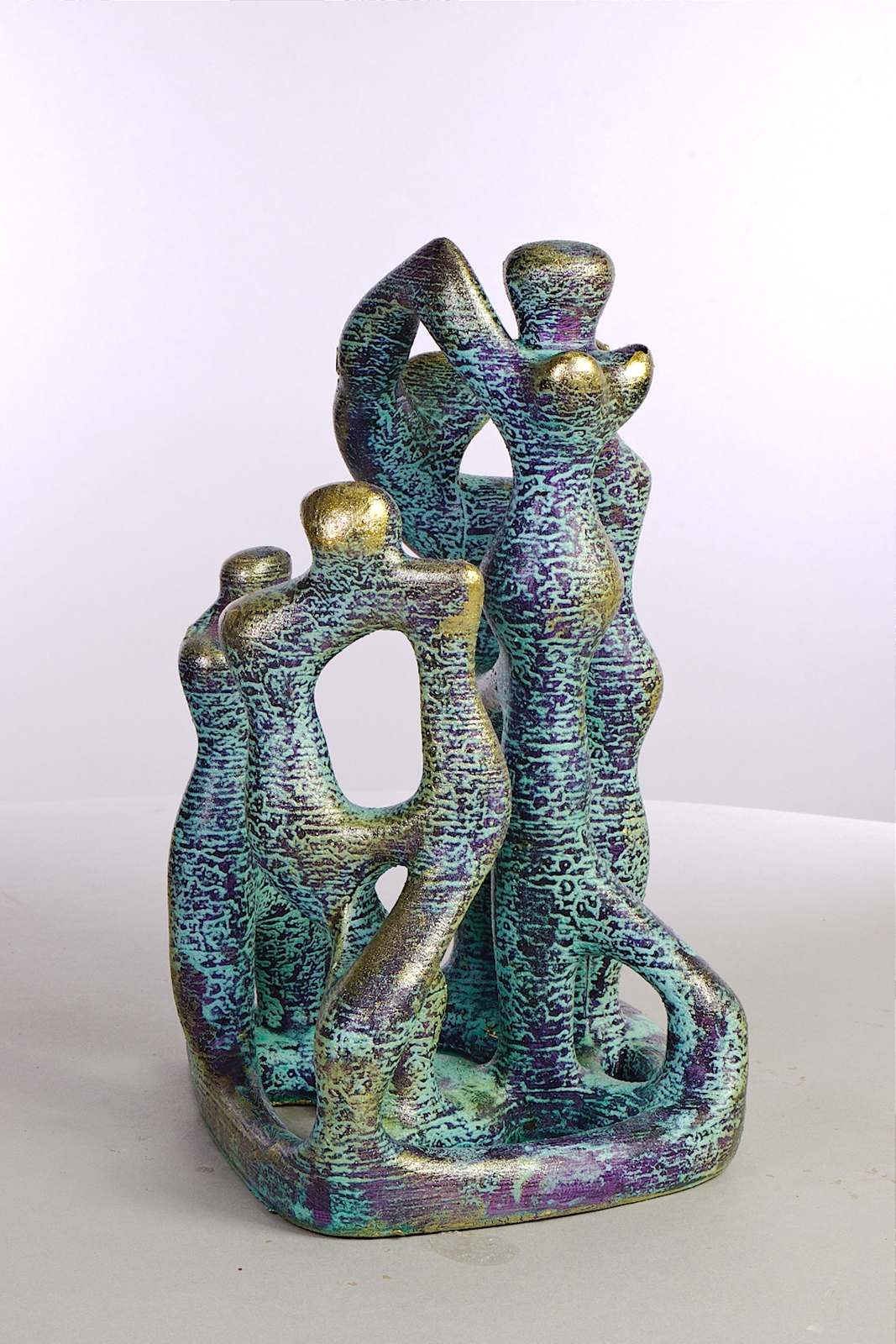
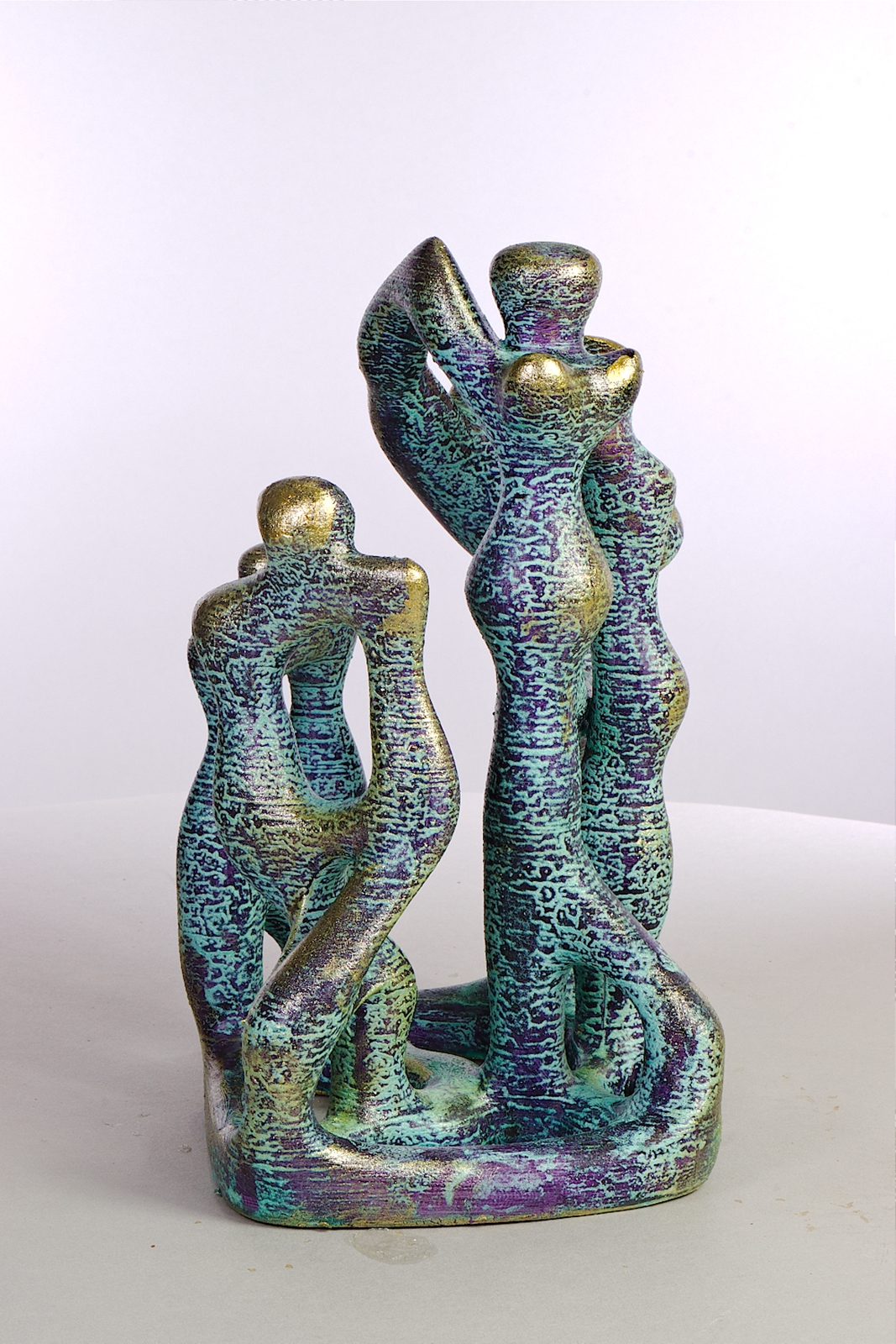
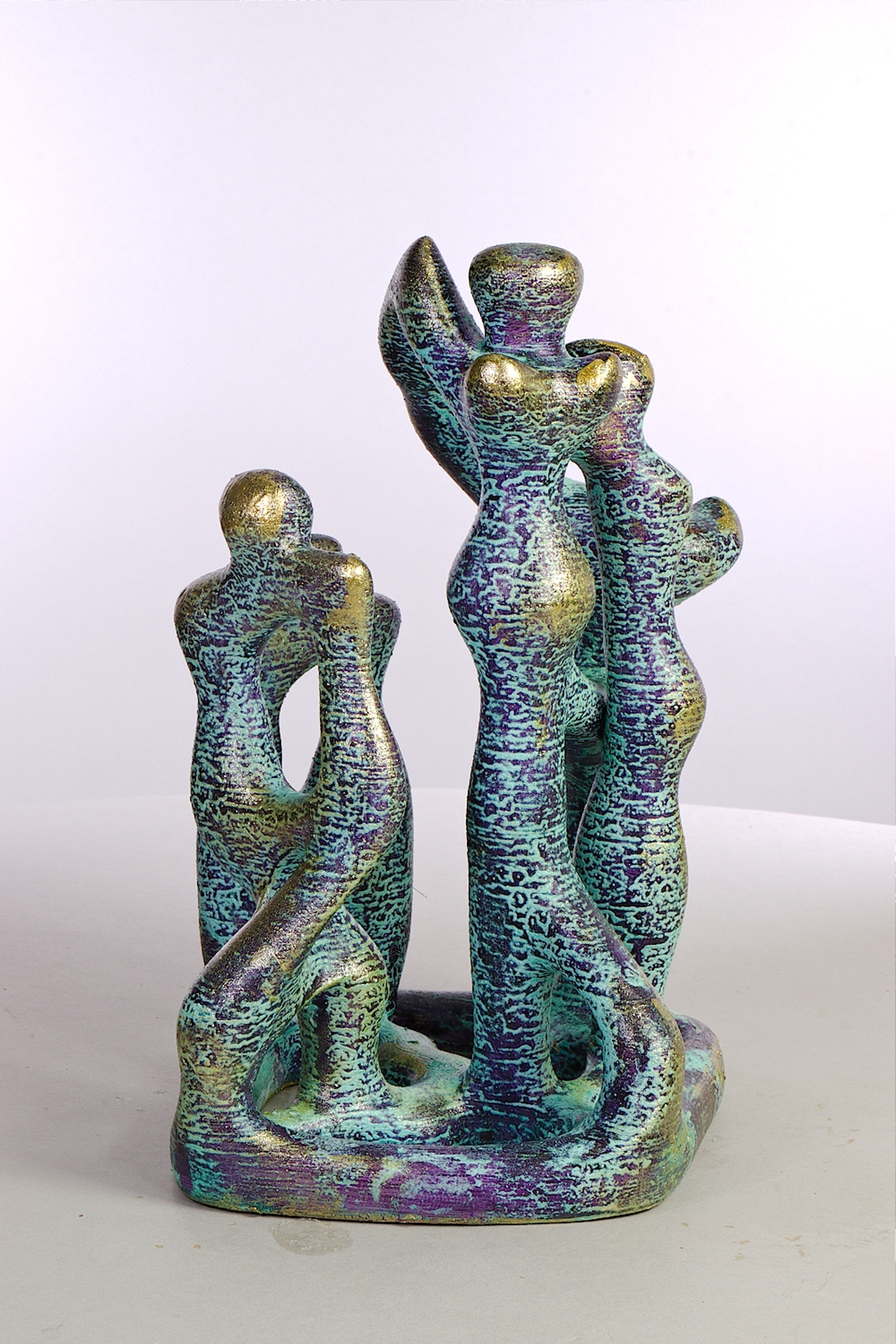
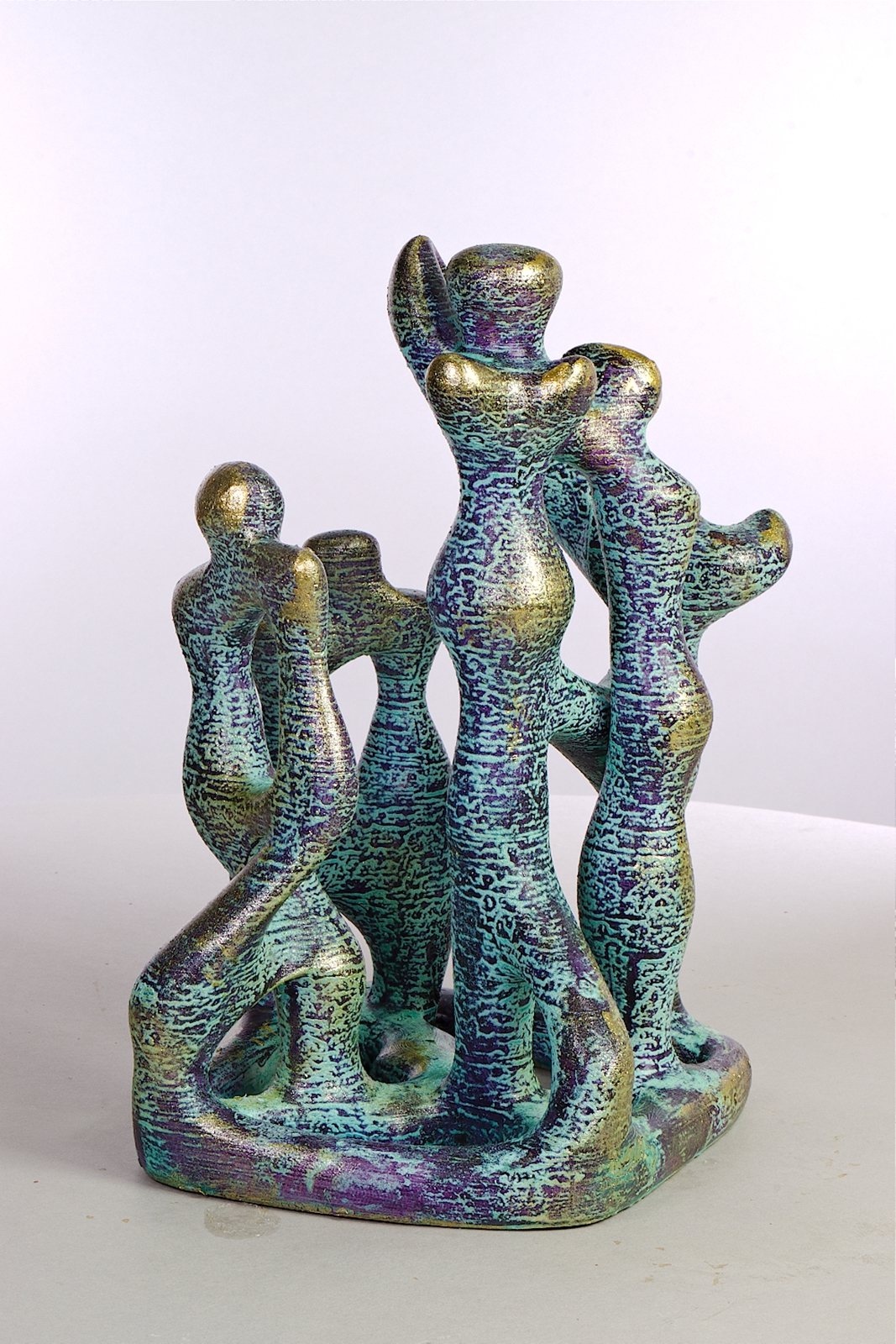
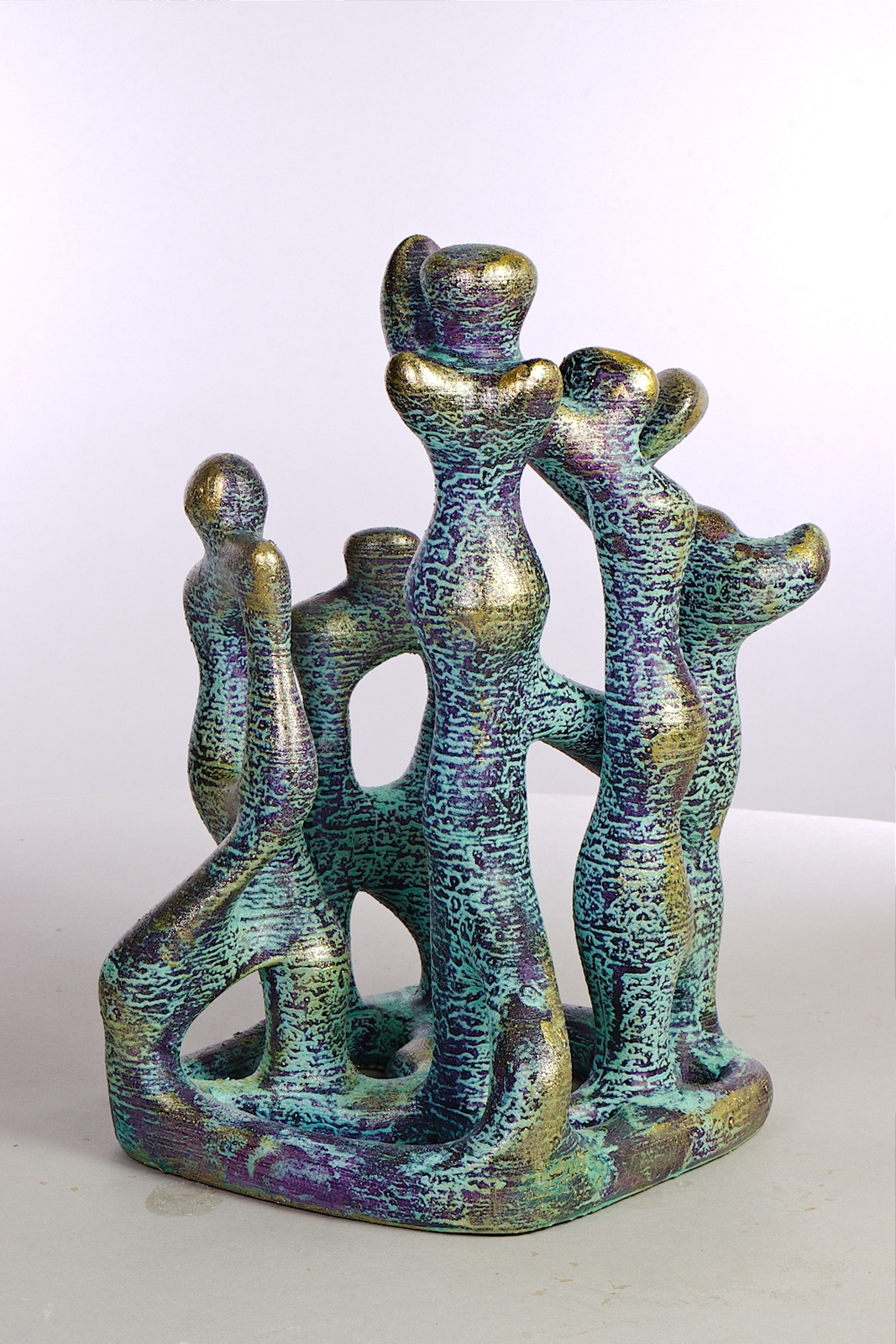
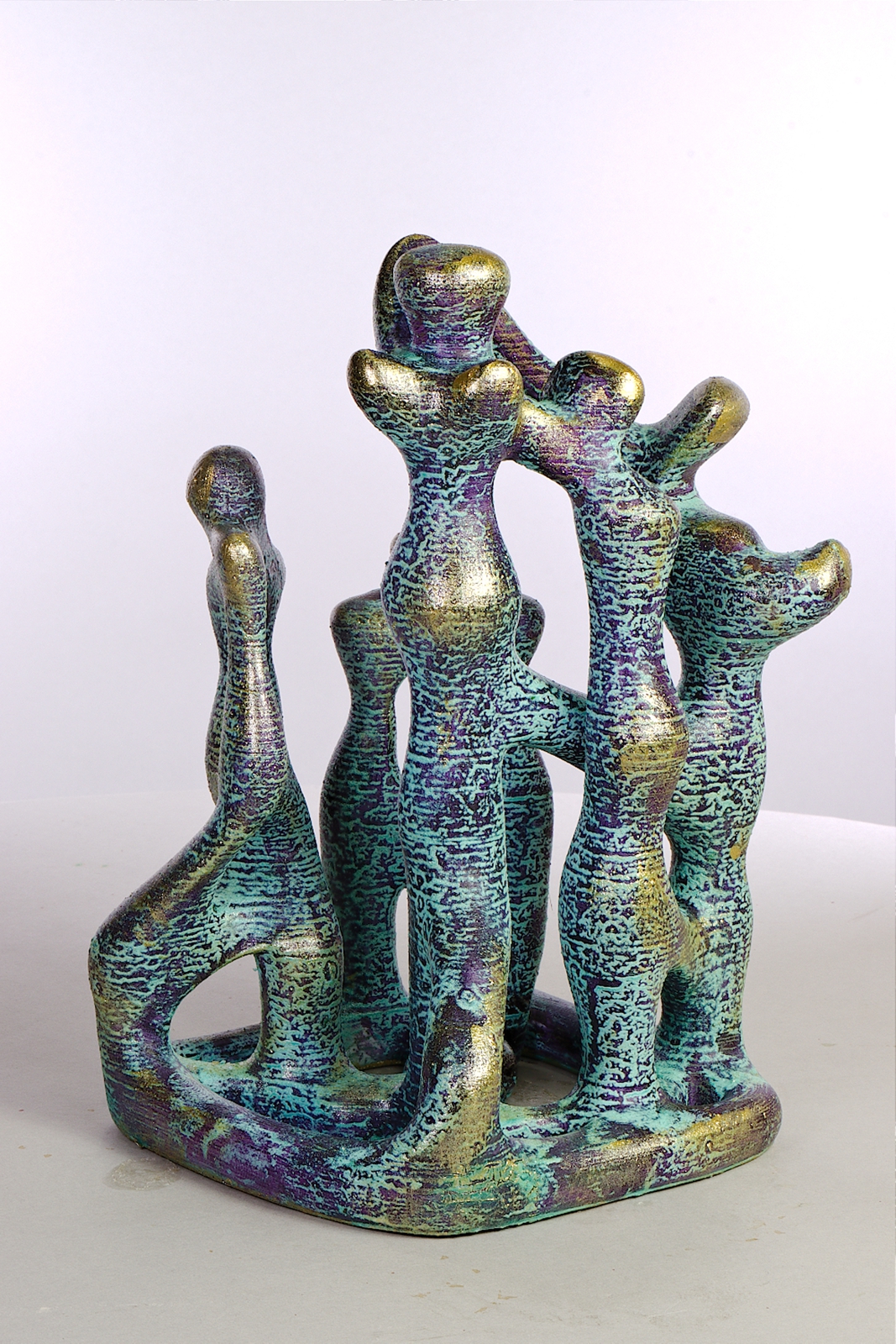
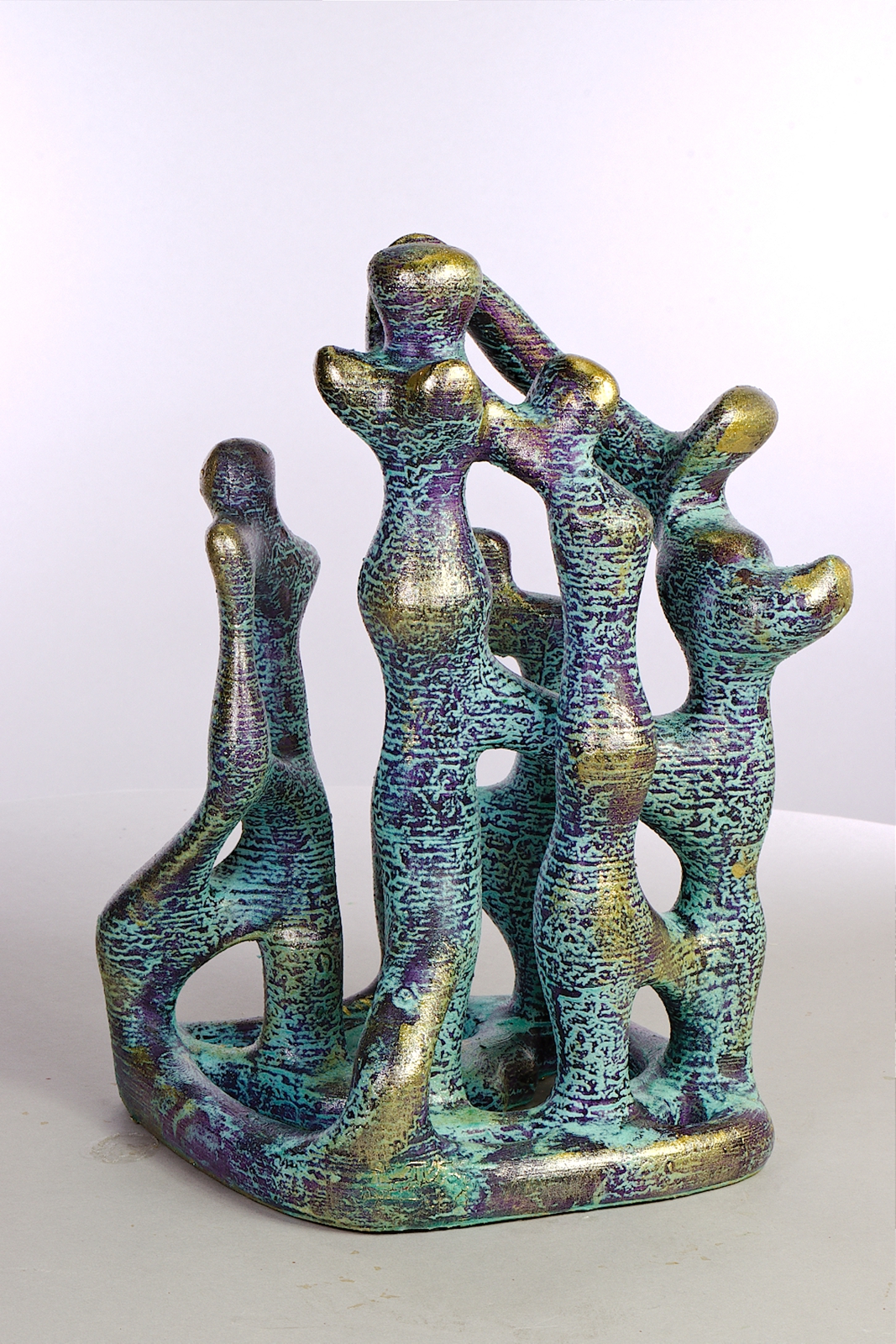
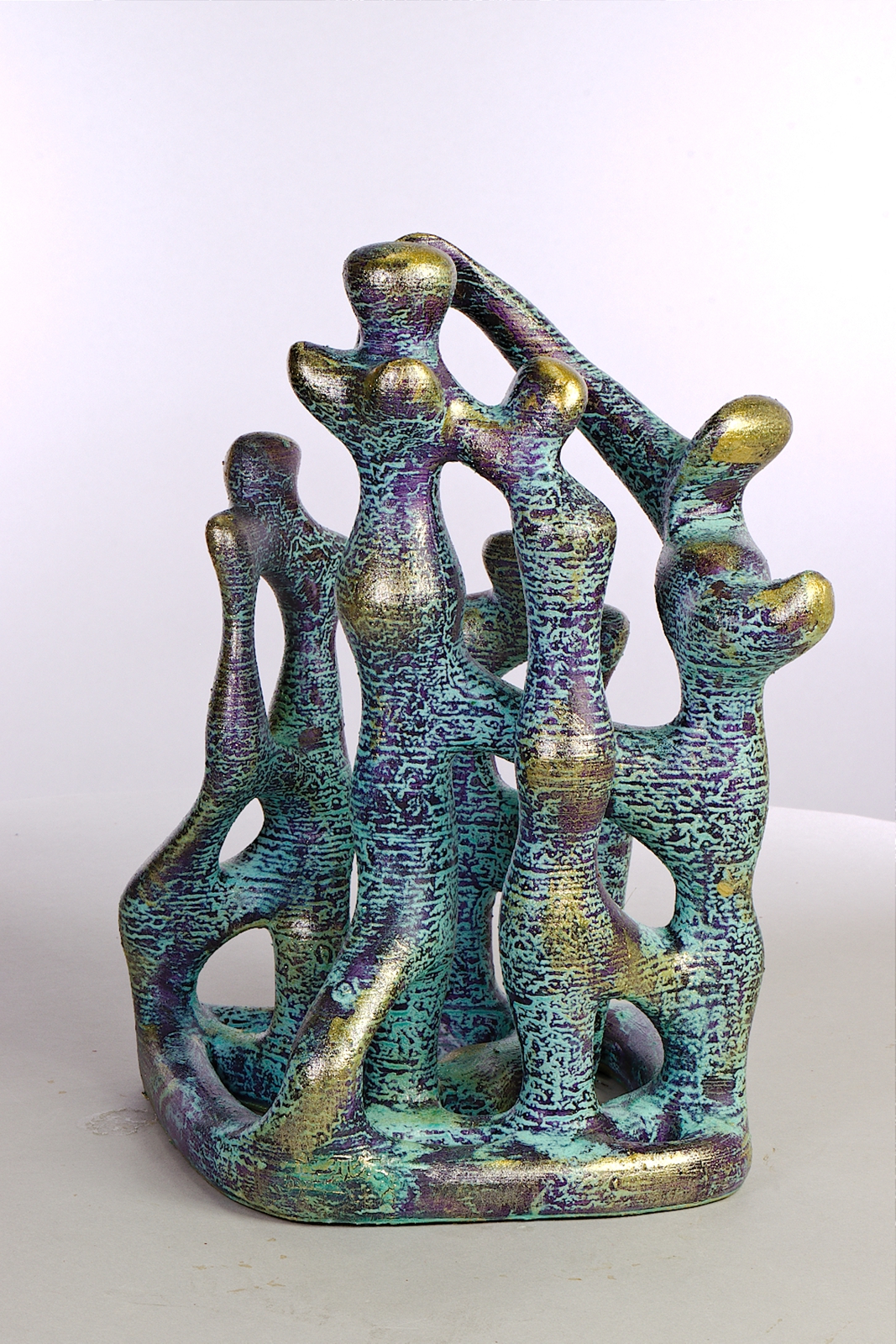
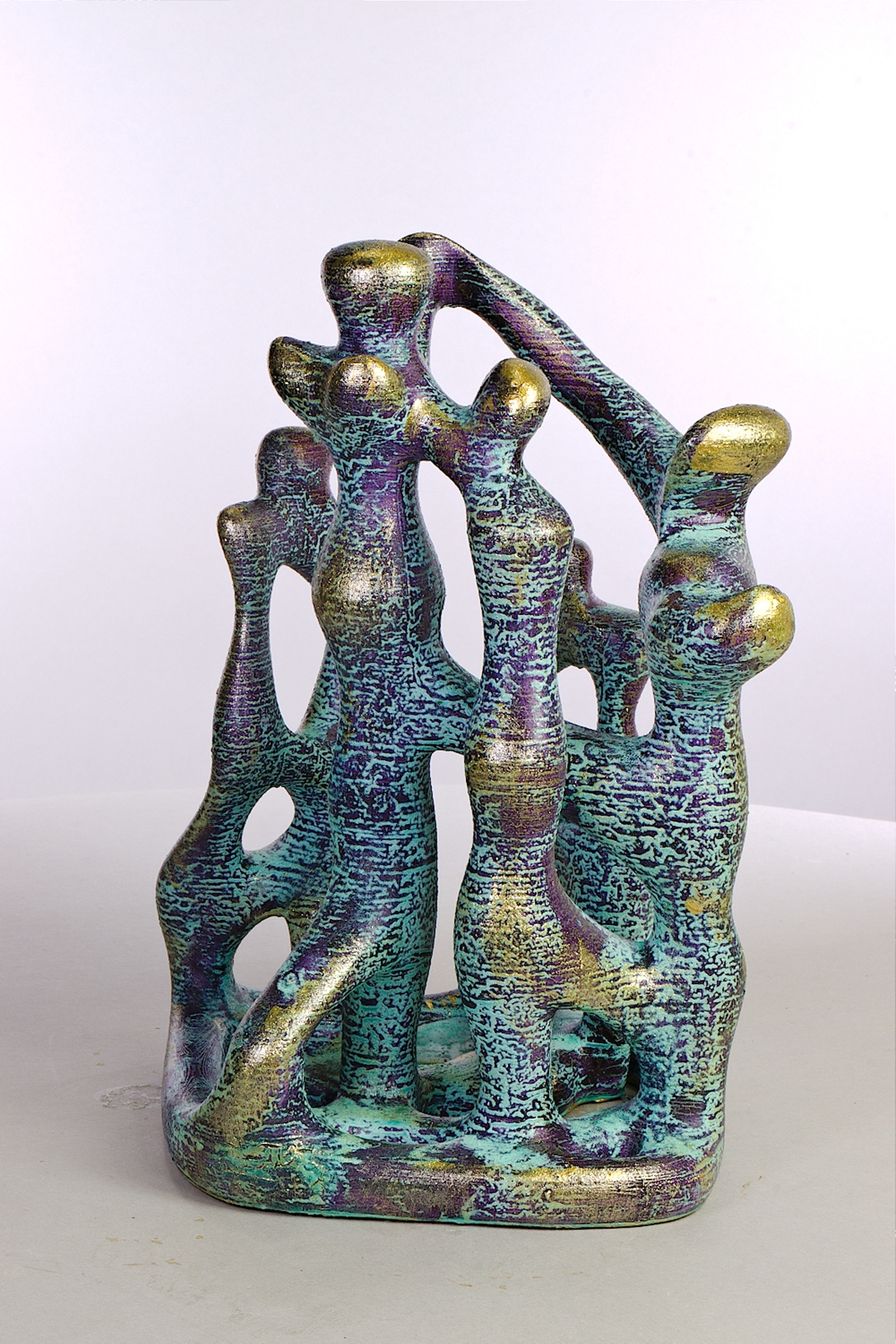
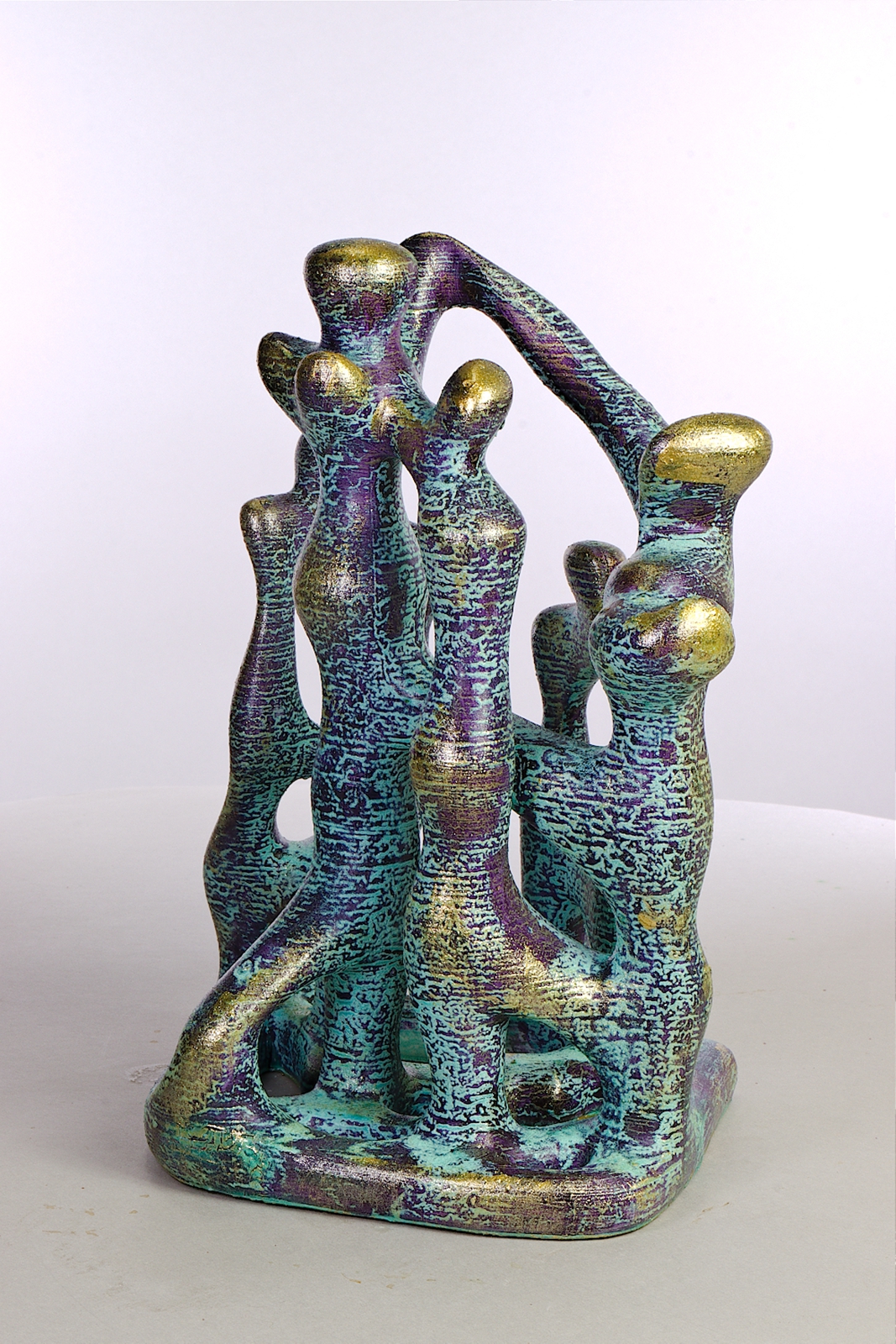
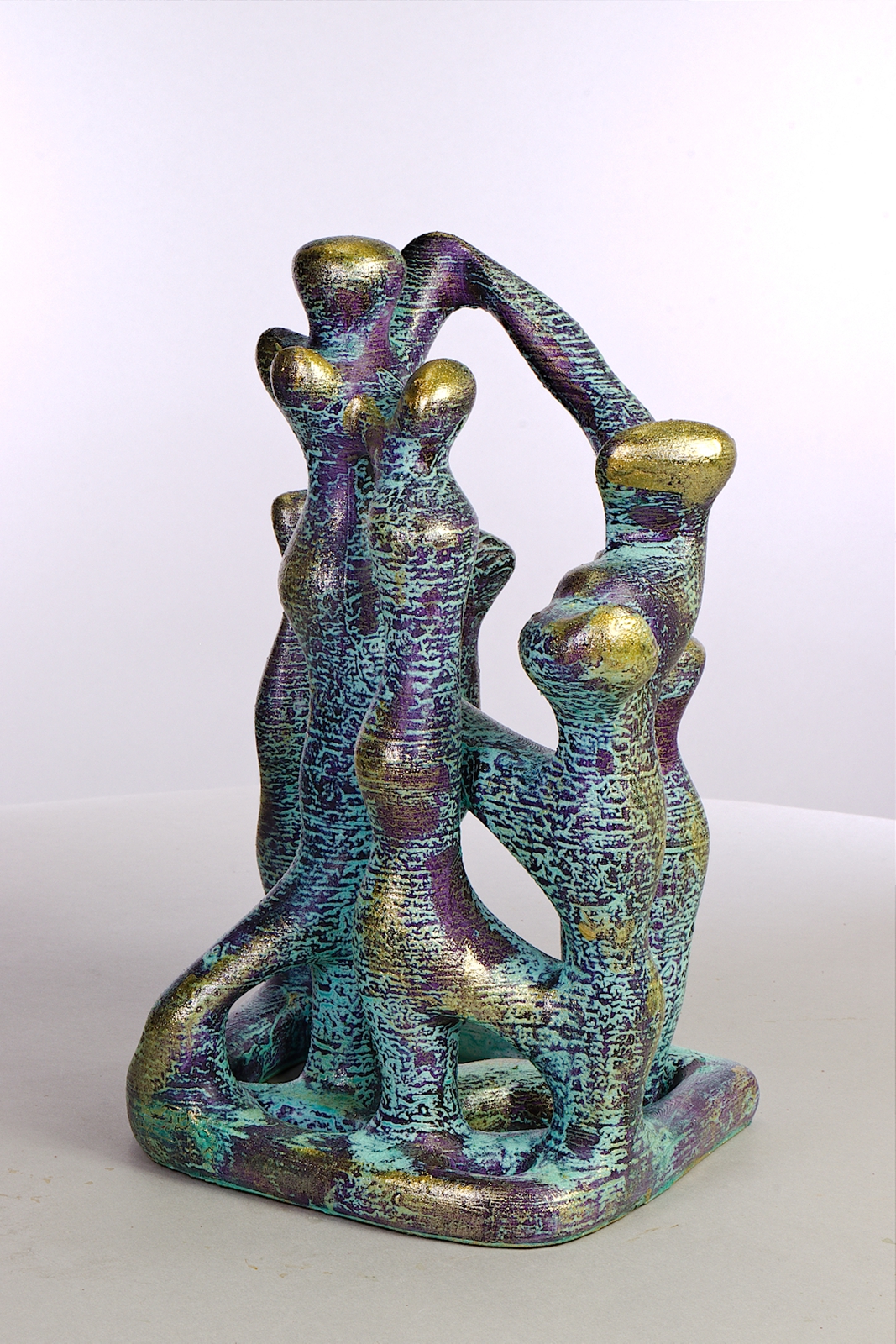
Various views depict an abstract sculpture titled "Depositio secunda" by Andreas Loeschner-Gornau, which portrays the Christian theme of the Descent from the Cross. The sculpture consists of stylized human figures that are closely intertwined, forming a dynamic, almost organic shape.
The color scheme is striking: a deep violet predominates, overlaid with turquoise accents reminiscent of patina. In certain areas—particularly on the heads, arms, and some protruding ribs of the figures—bright gold shimmers through, lending the sculpture an aura that is at once noble and vibrant. The surface of the sculpture is heavily textured, possessing a rough, almost porous quality that calls to mind weathered rock or coral.
The selection of these various views is designed to offer diverse perspectives on the artwork.
The left-hand view shows the sculpture from a front-oblique angle. Several upright figures are discernible, appearing to spiral upward. A larger figure at the center appears to be protectively embracing or supporting another, smaller figure. A slender, column-like figure stands immediately to its right. At the base, a curving pedestal supporting the figures is visible. The lines are fluid and organic, characterized by numerous curves and undulations.
The central view—a more frontal perspective—reveals an even denser cluster of figures. Several bodies appear almost completely entwined or mutually supported. A form towering above the ensemble, leaning diagonally to the right, dominates the upper section of the sculpture; this may symbolize the Cross or the burden of suffering. The surface texture is particularly prominent in this view.
Additional views present the sculpture from the opposite front-oblique angle. Here, the figures appear to be stepping slightly apart—an effect that, rather than creating separation, serves to heighten the impression of movement and interaction. One figure reaches an arm upward, while others lean against one another. The gold ornamentation appears particularly accentuated here, lending the figures an almost sacred radiance.
Overall, these views convey the multifaceted nature and emotional intensity of the sculpture. The abstract rendering of the figures leaves room for interpretation, yet strongly suggests the distress, grief, and sense of communal solace in the face of suffering—themes inherent in the subject of the Deposition. The interplay between the earthy tones and the golden accents creates a fascinating tension between transience and divinity.