paintings
paintings
paintings
paintings
paintings
paintings
paintings
paintings
paintings
paintings
paintings
paintings
paintings
paintings
paintings
paintings
paintings
paintings
paintings
paintings
paintings
paintings
paintings
paintings
paintings
paintings
paintings
paintings
paintings
paintings
paintings
paintings
paintings
paintings
paintings
paintings
paintings
paintings
paintings
paintings
paintings
paintings
paintings
paintings
paintings
paintings
paintings
paintings
paintings
paintings
paintings
paintings
paintings
paintings
paintings
paintings
paintings
paintings
paintings
paintings
paintings
paintings
paintings
paintings
paintings
paintings
paintings
paintings
paintings
paintings
paintings
paintings
paintings
paintings
paintings
paintings
paintings
paintings
paintings
paintings
paintings
paintings
paintings
paintings
paintings
paintings
paintings
paintings
paintings
paintings
paintings
paintings
paintings
paintings
paintings
paintings
paintings
paintings
paintings
paintings
Andreas Löschner-Gornau, Professor Emeritus of Fine Arts
"The Abduction of Helen II sculpture" PLA (bio-based plastic),electroplated with copper, patinated/ Click here to buy
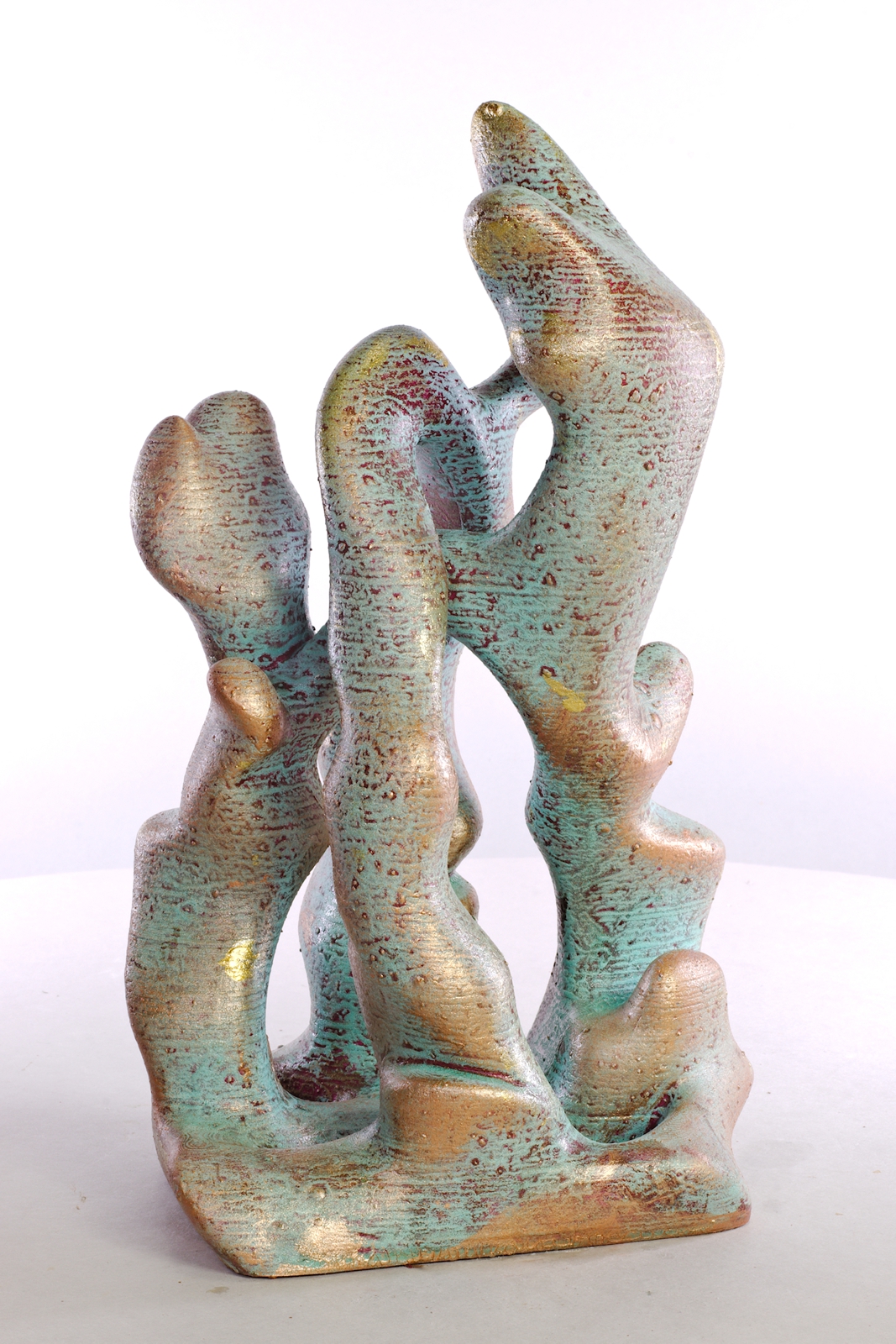
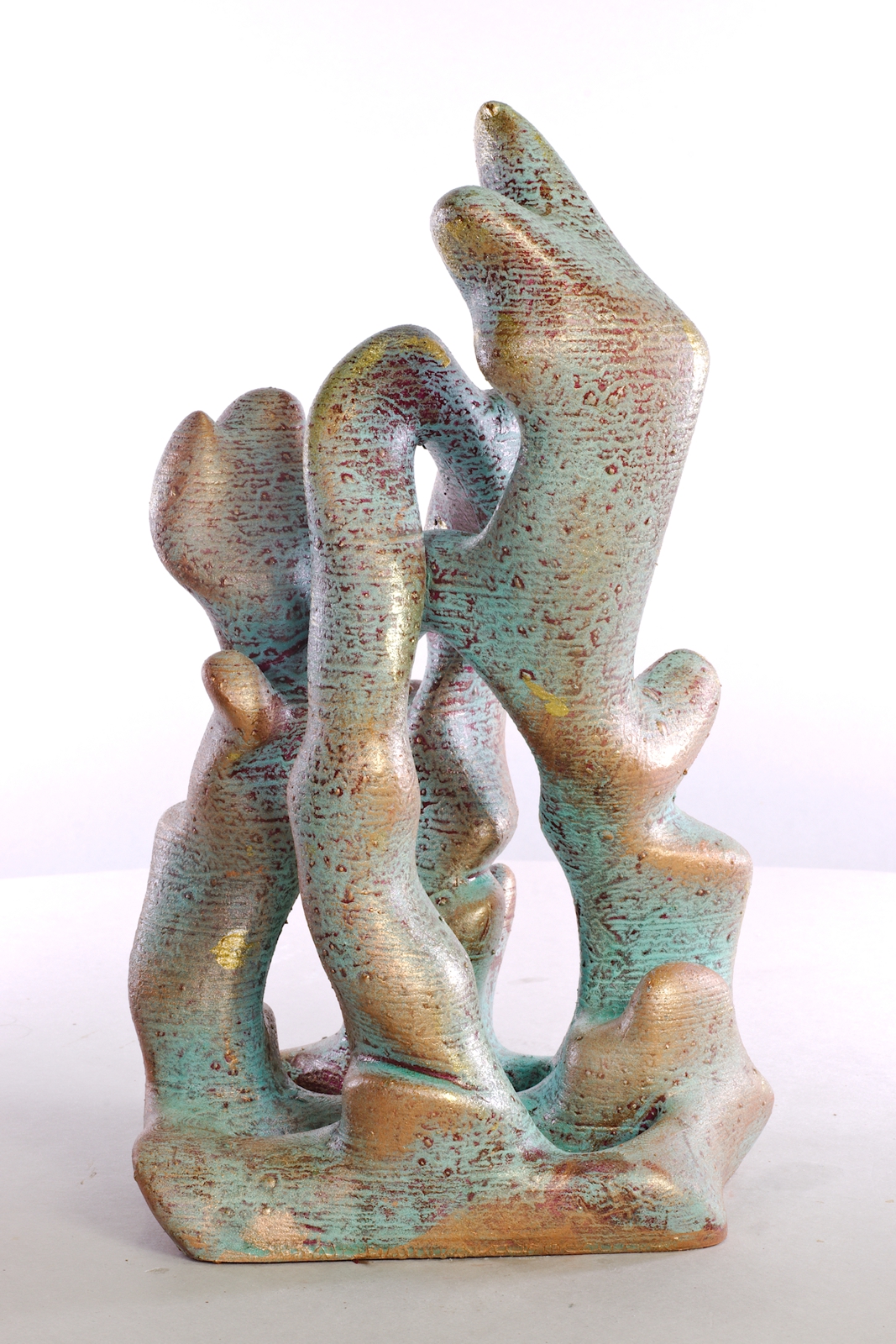
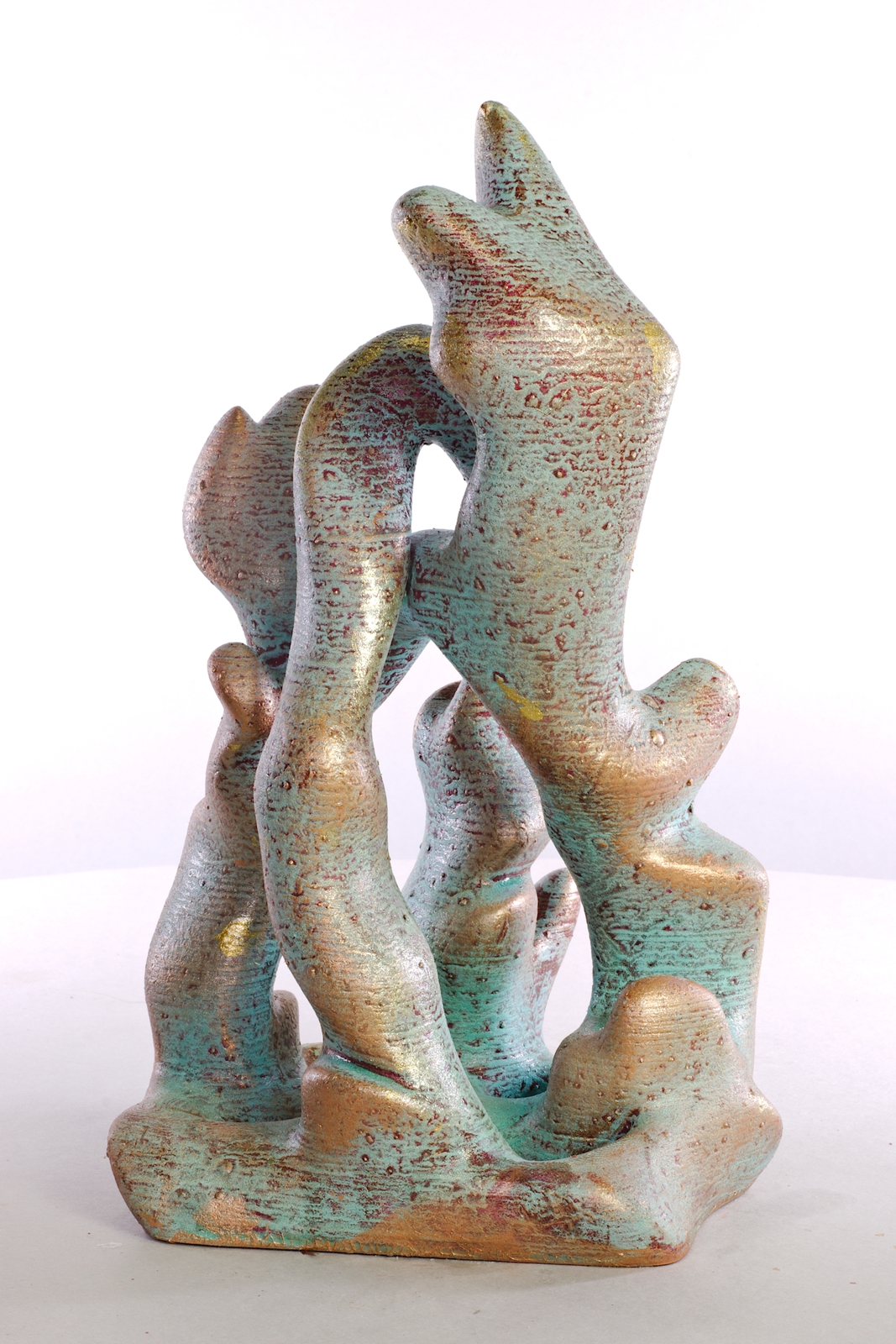
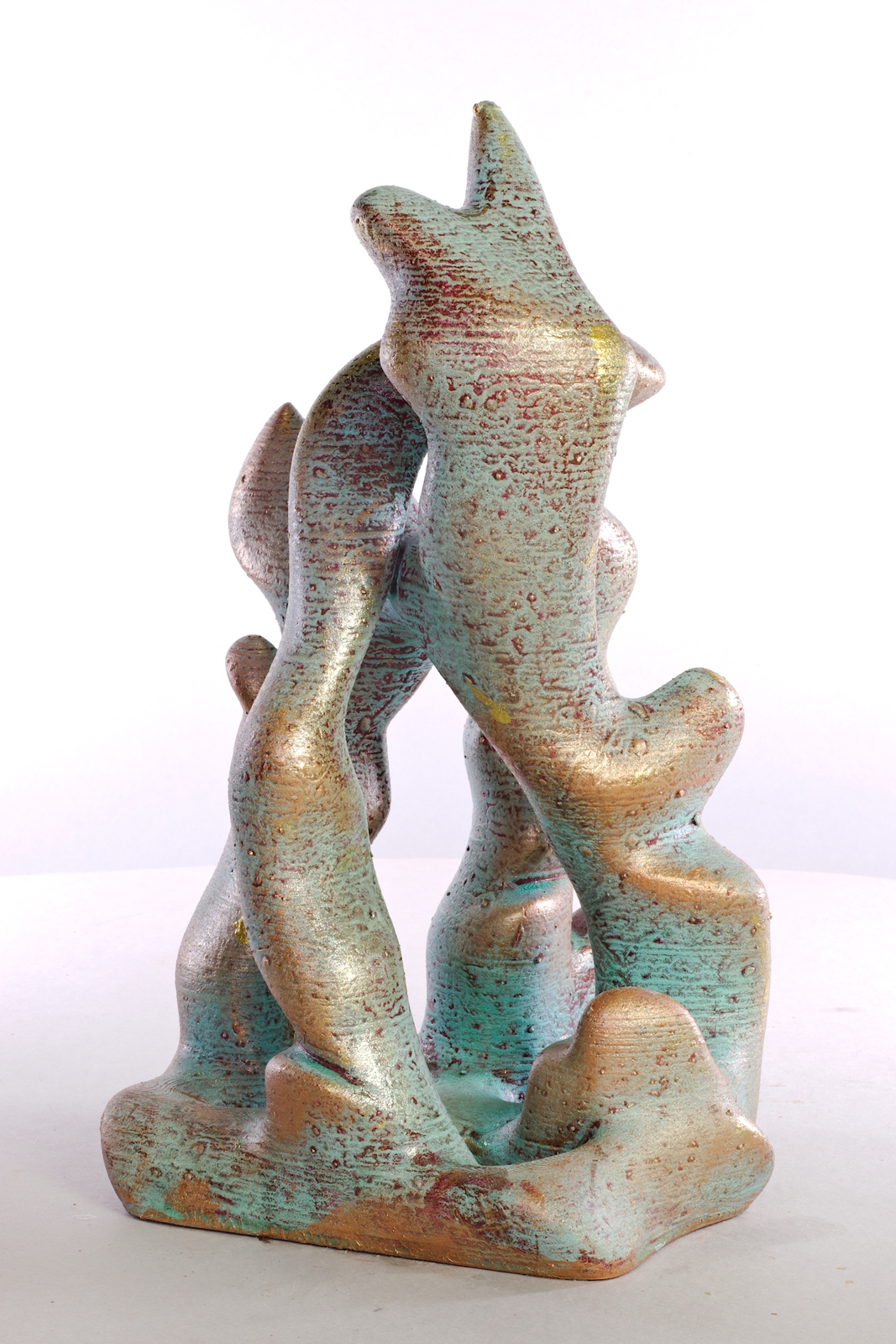
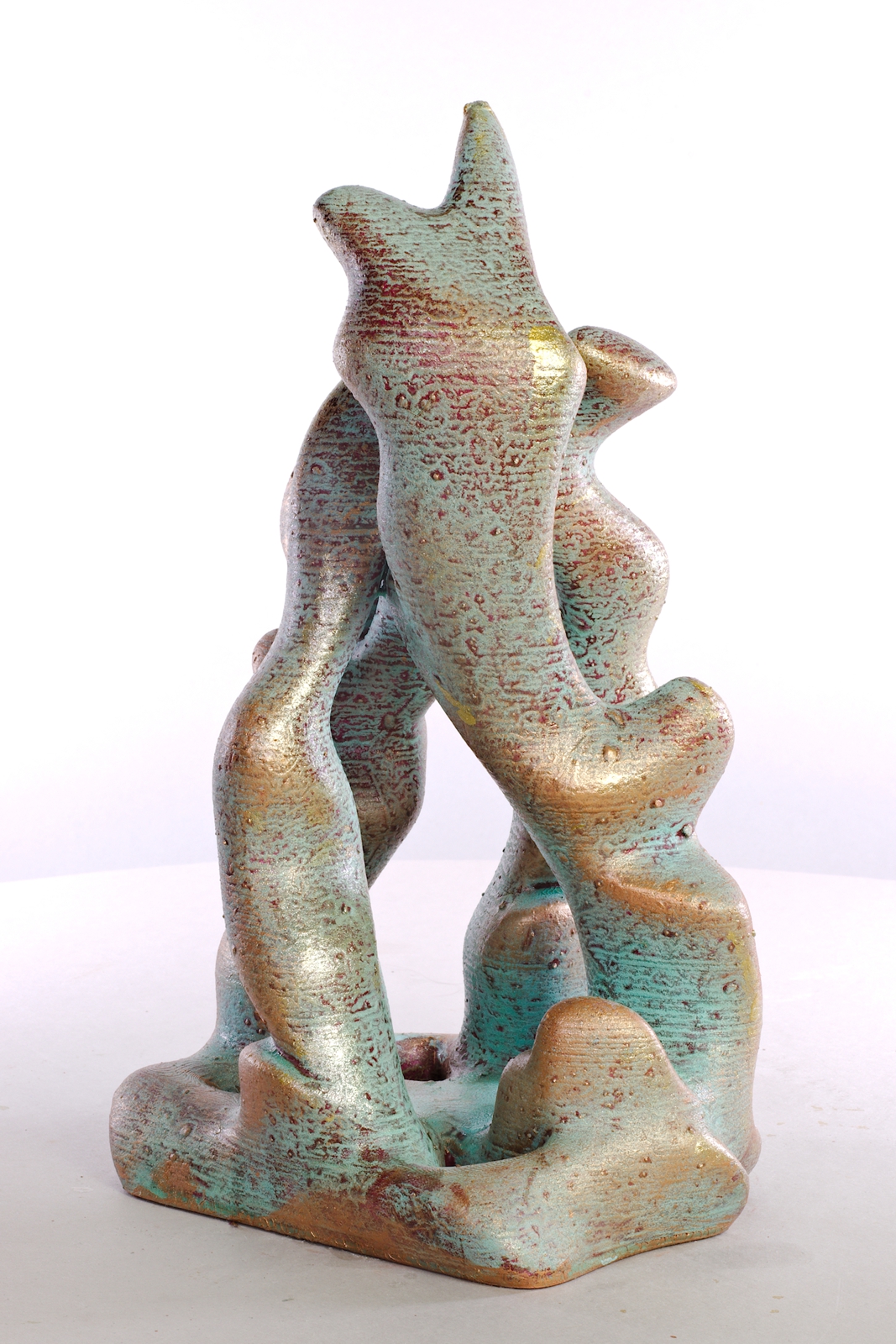
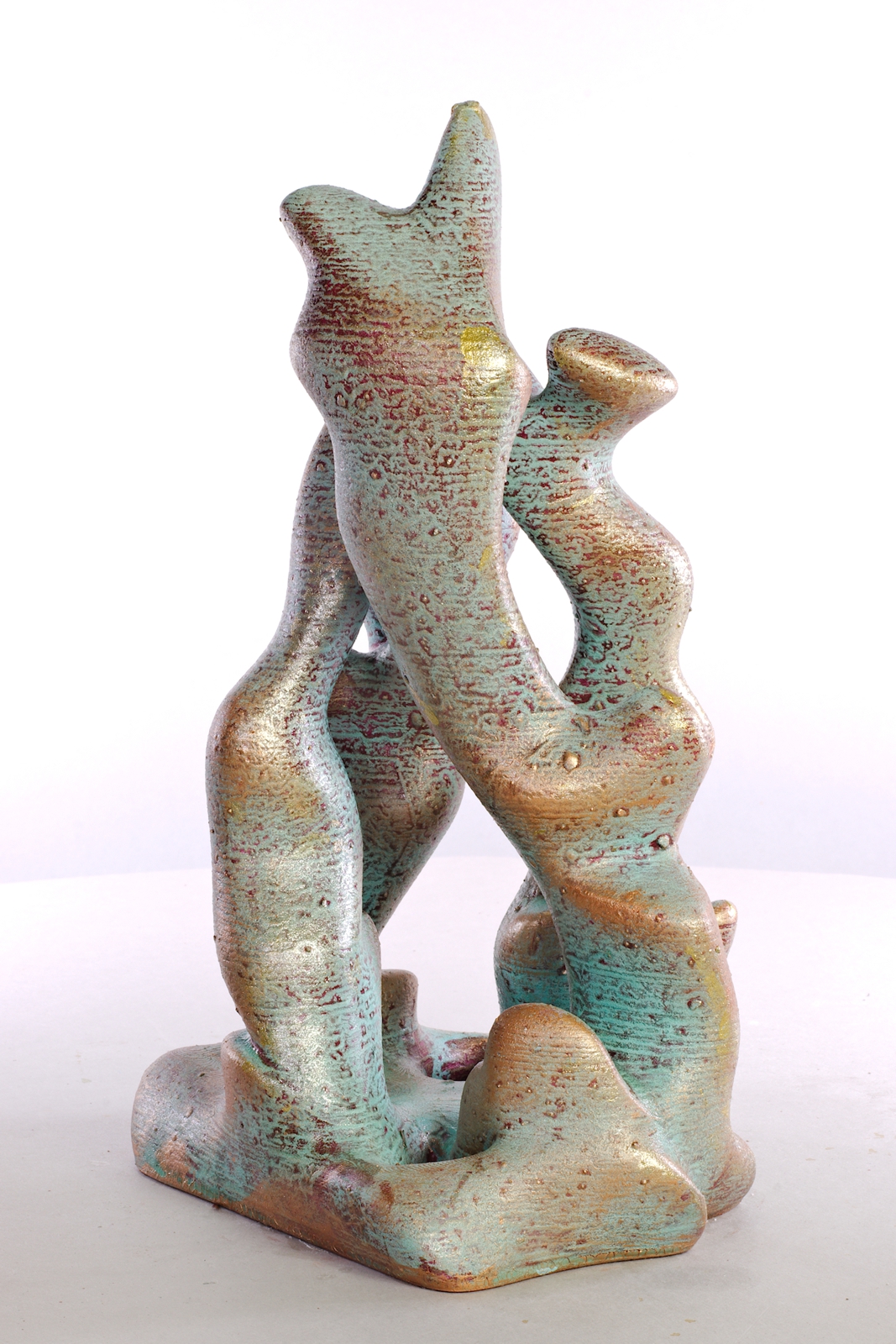
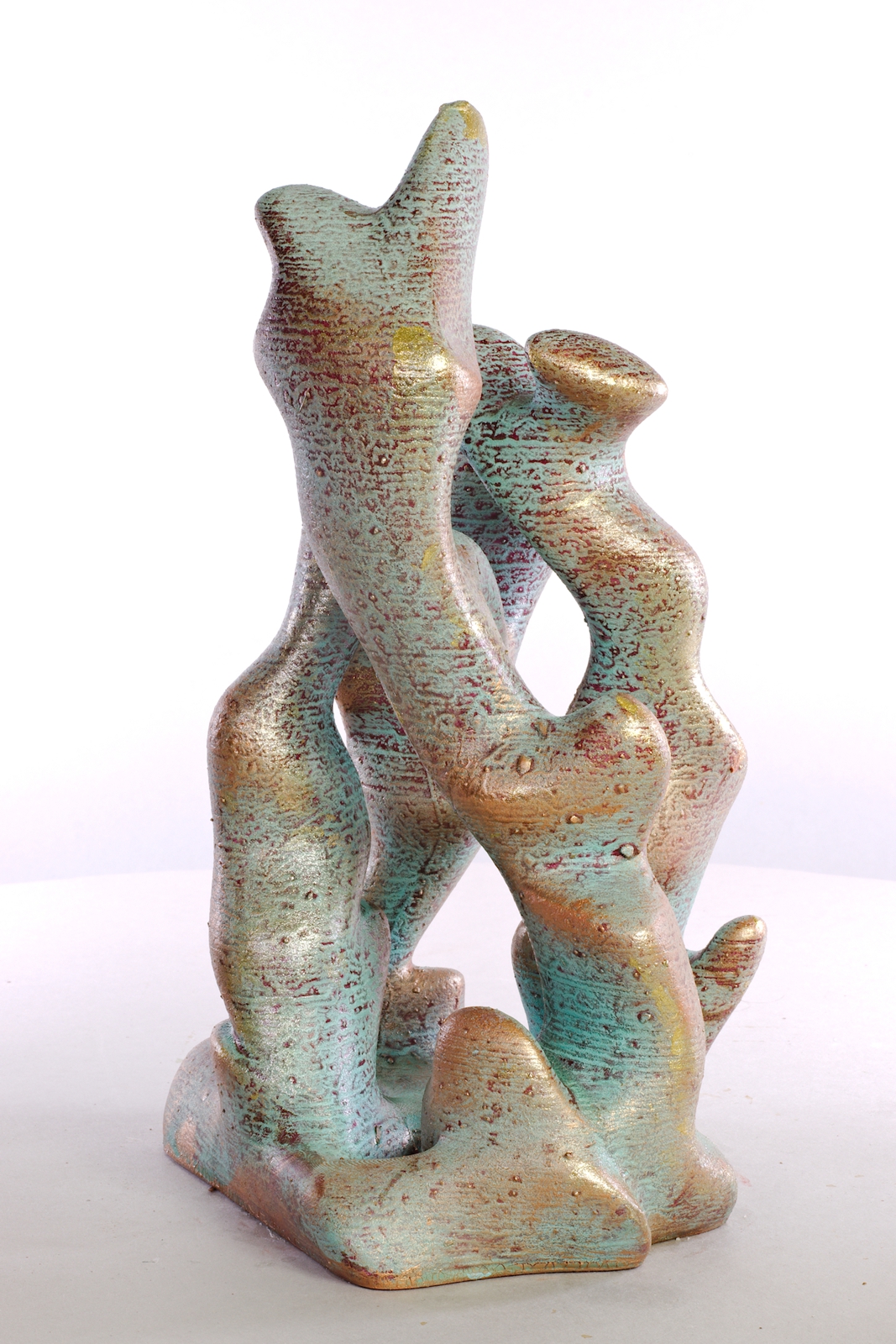
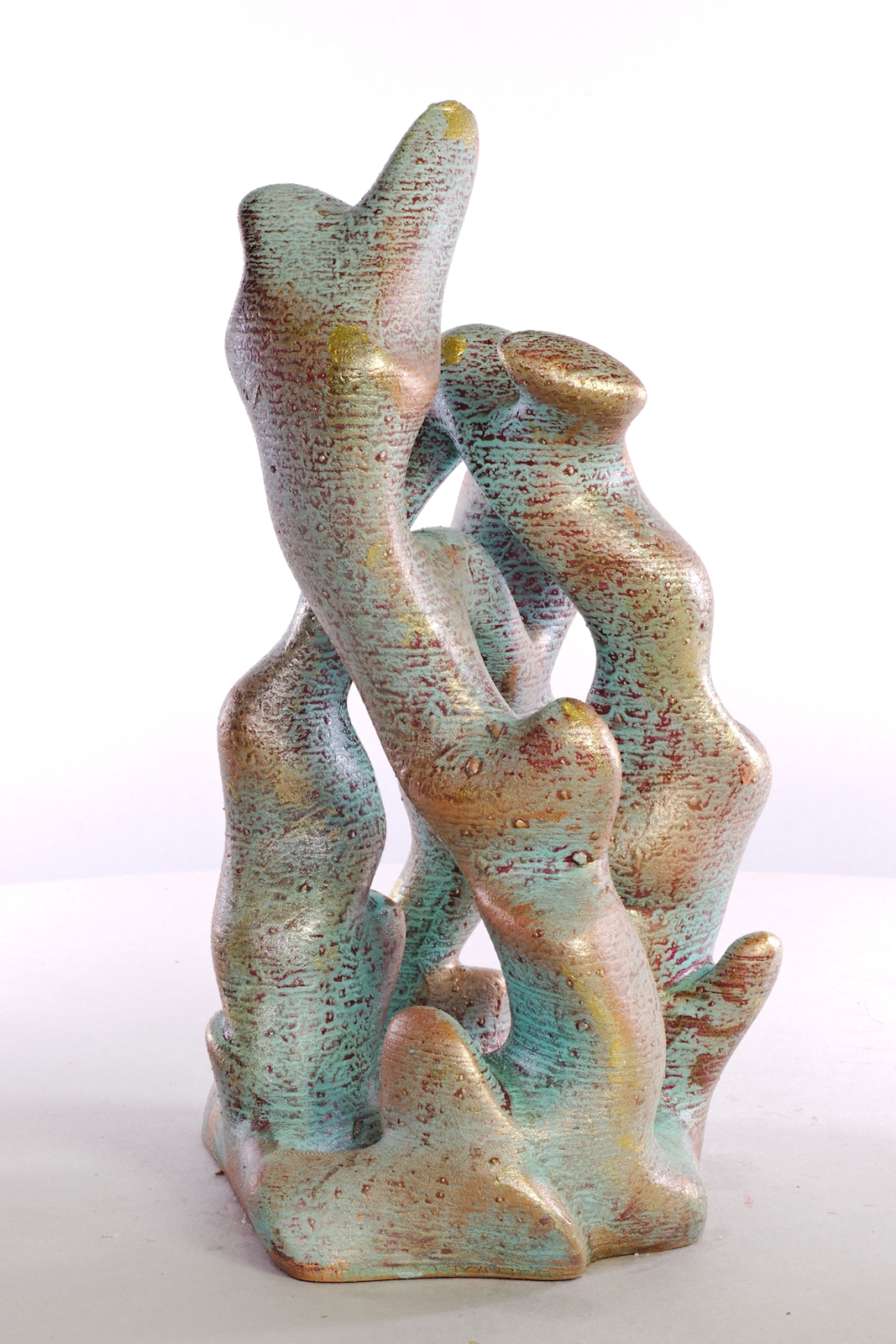
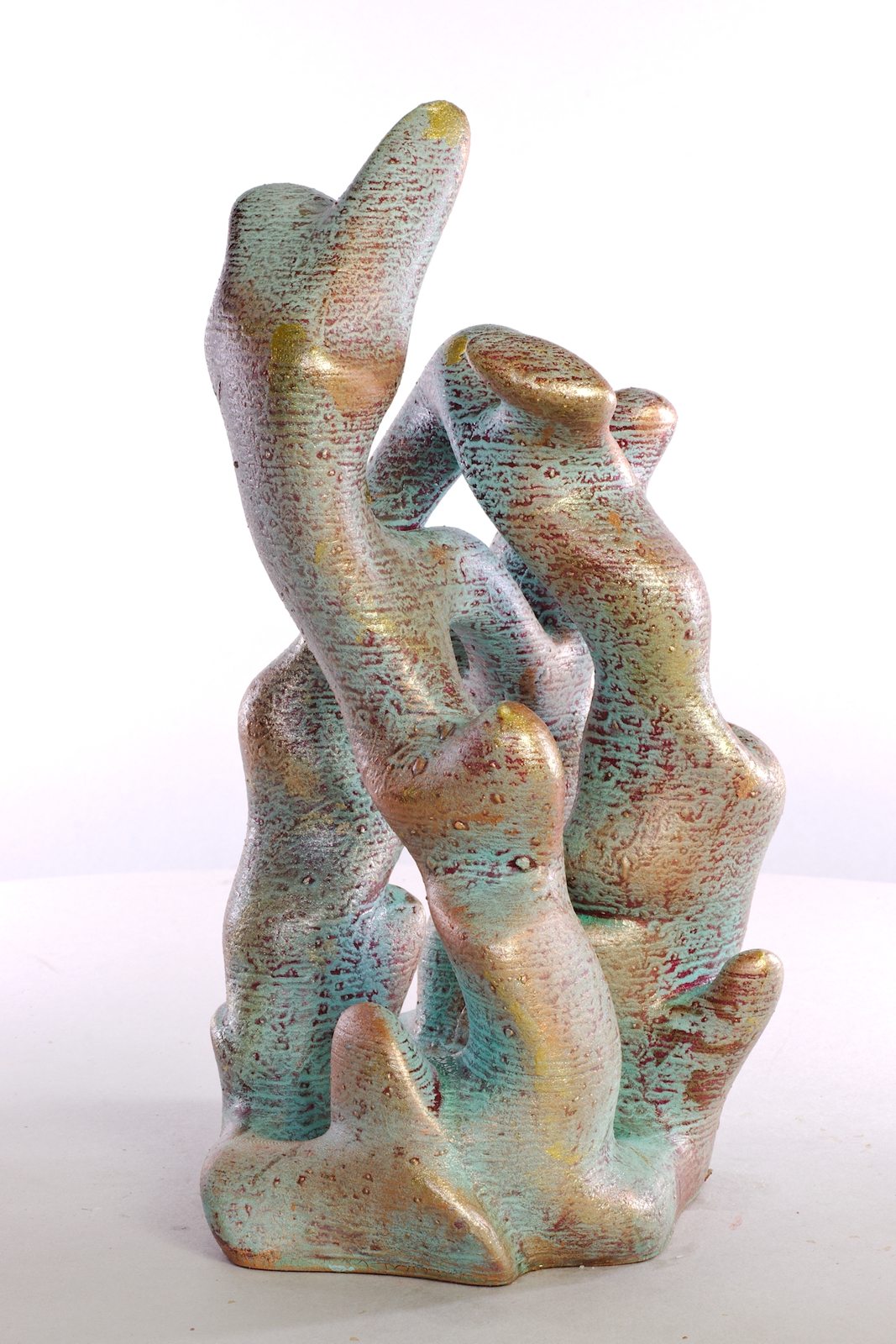
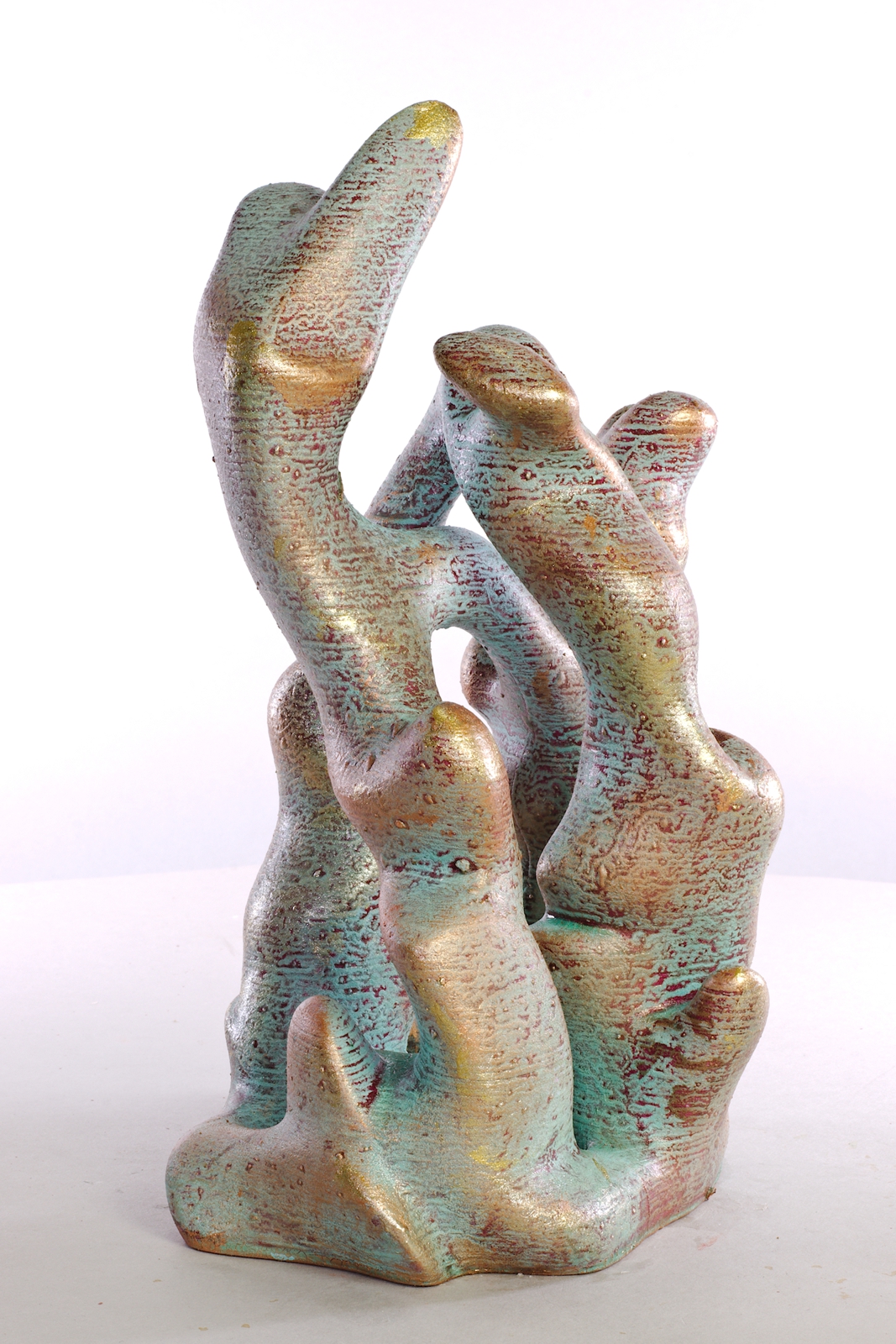
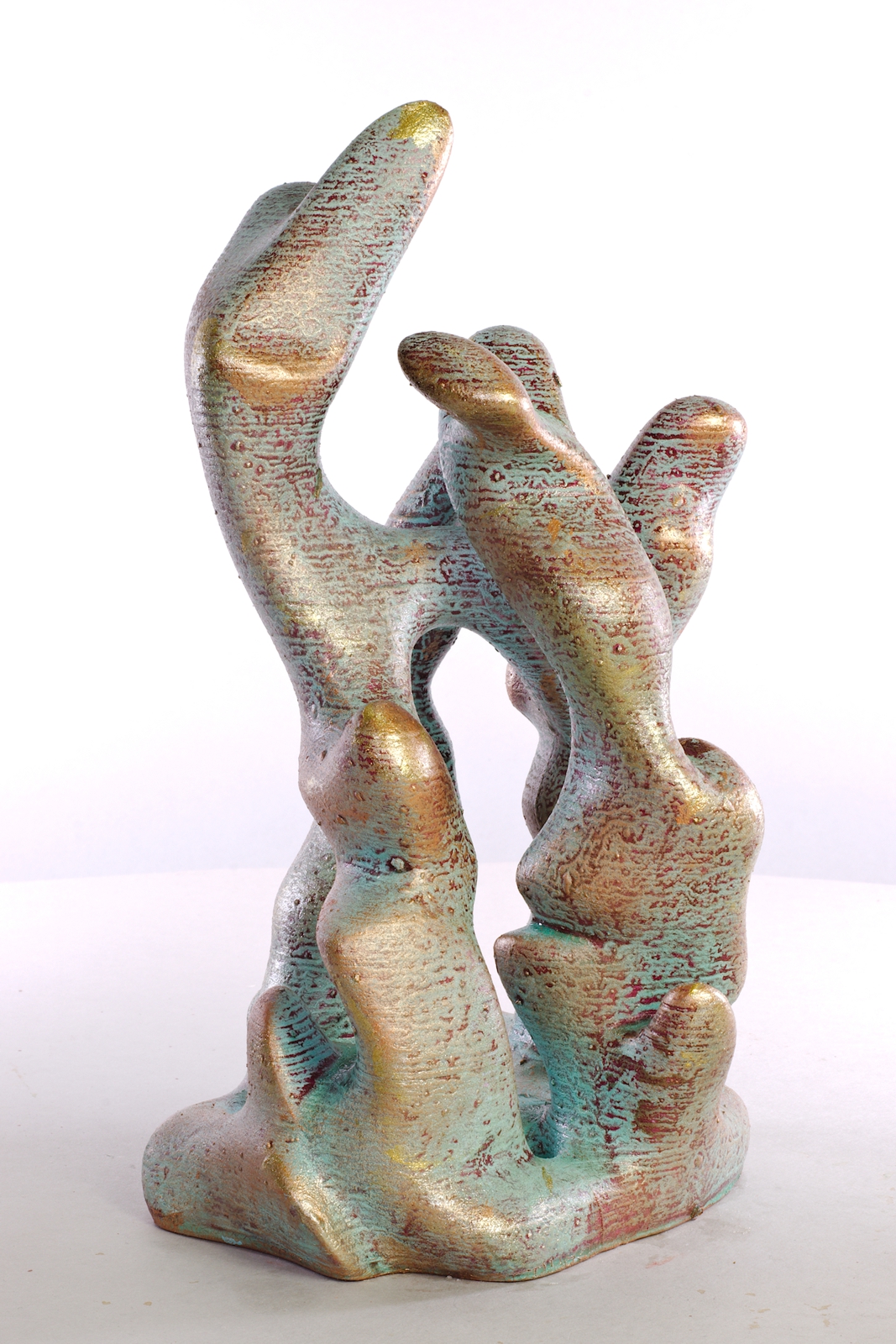
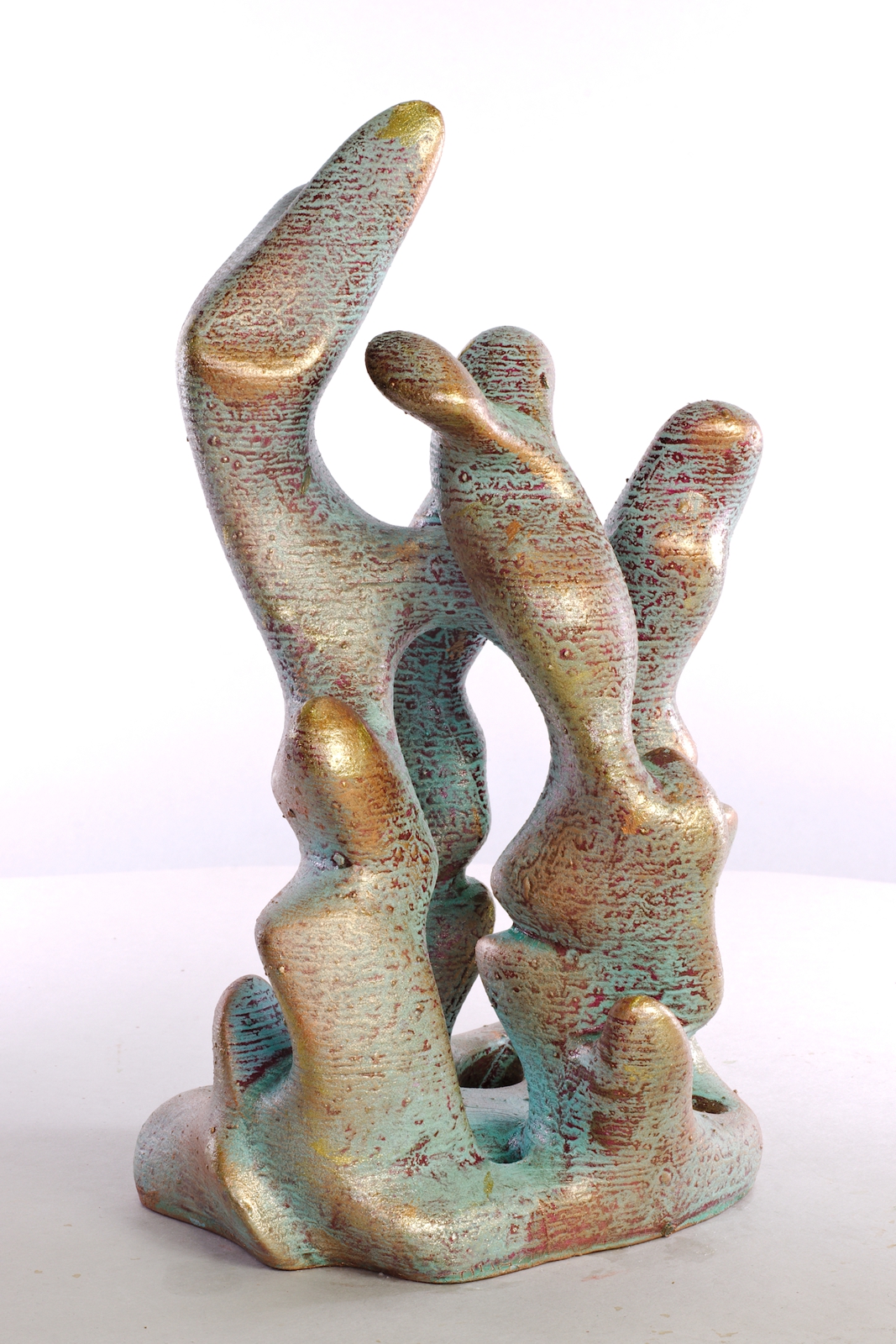
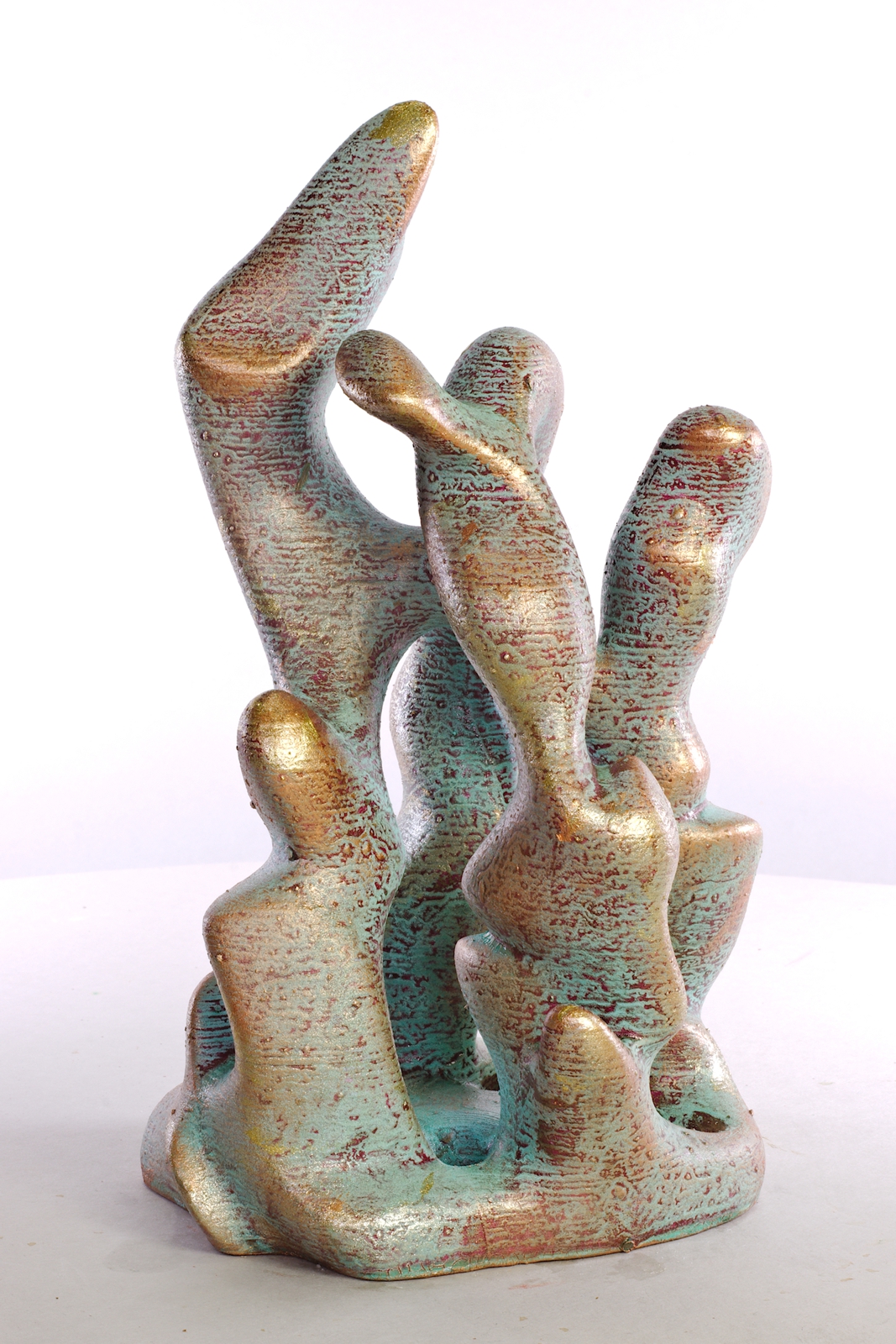
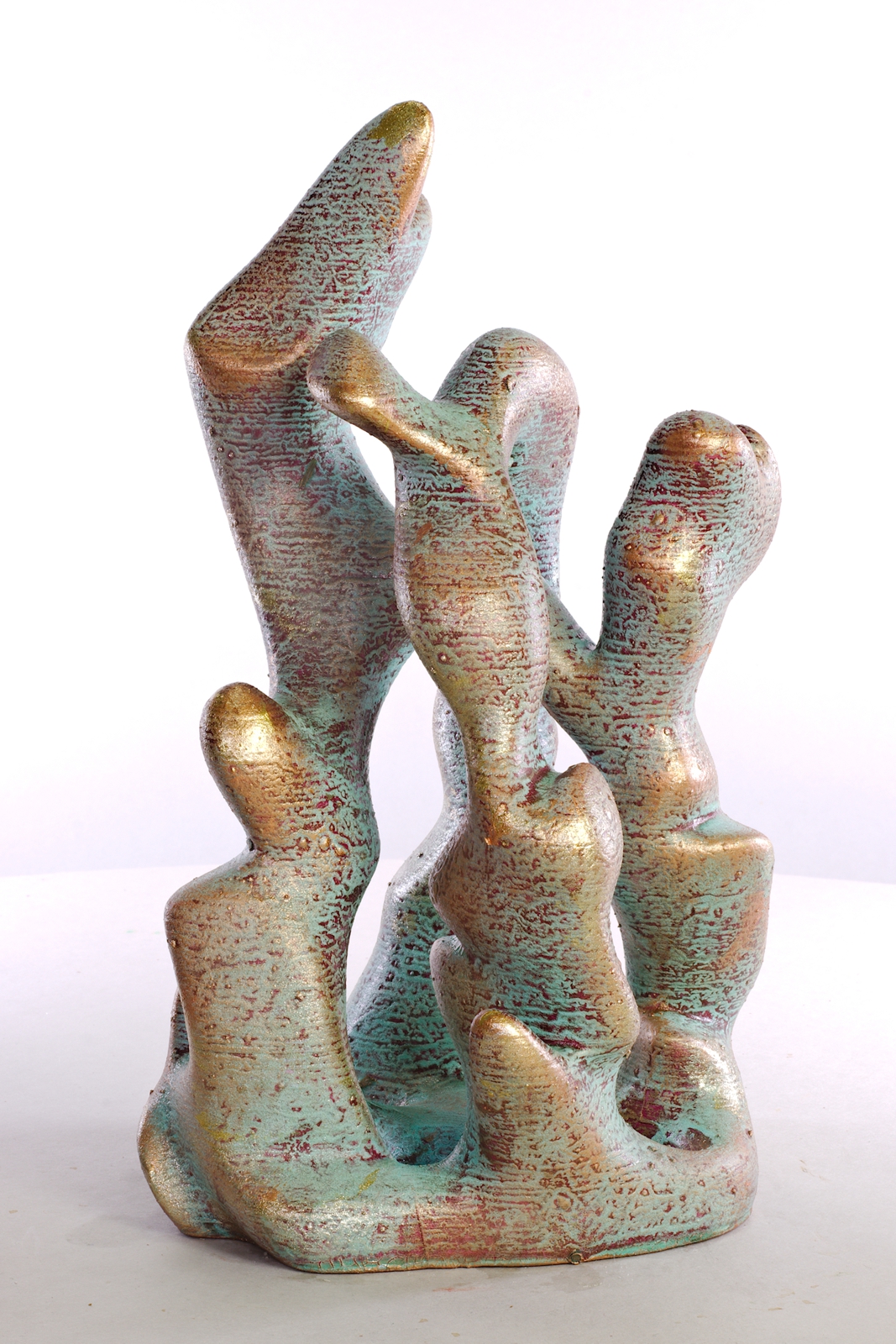
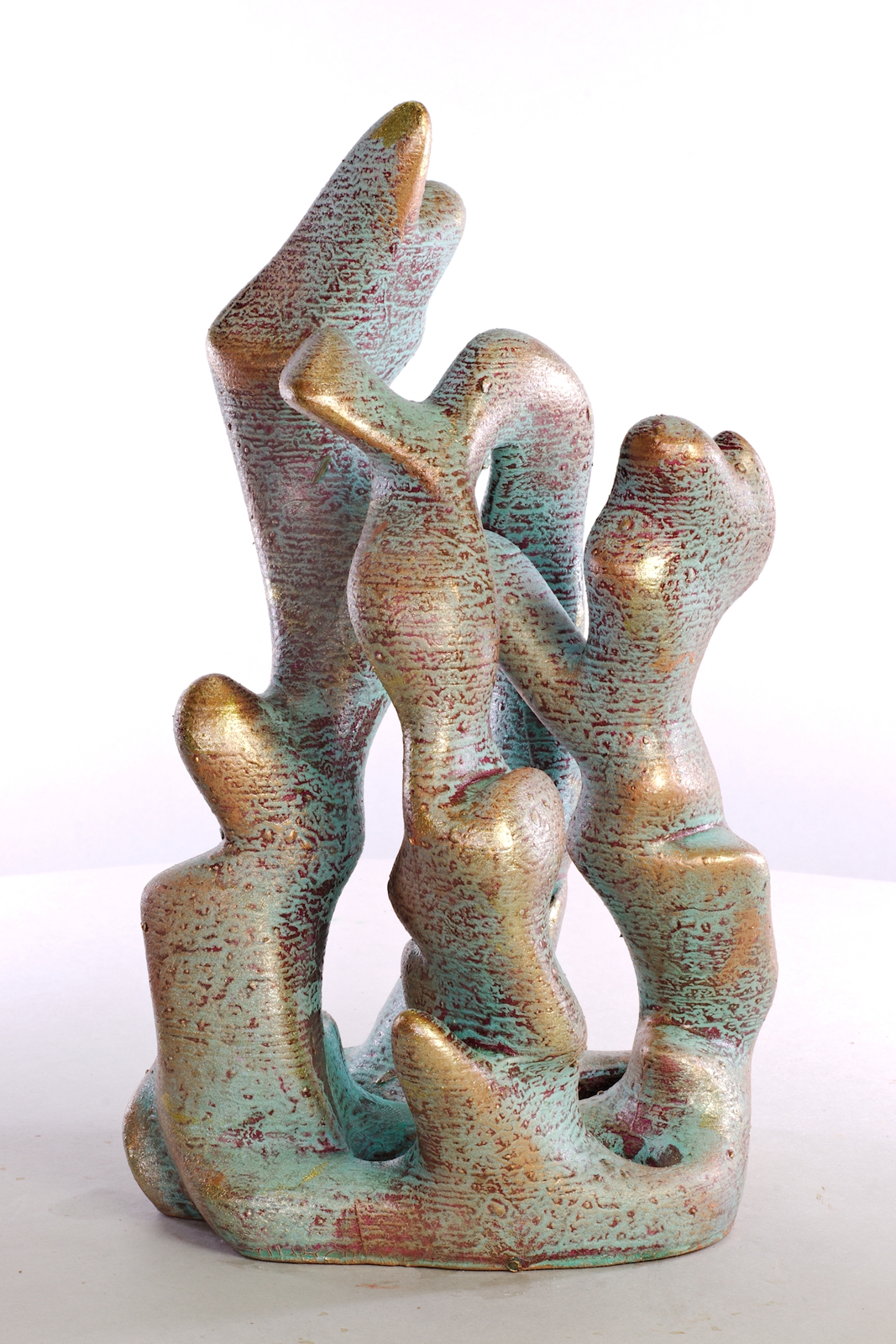
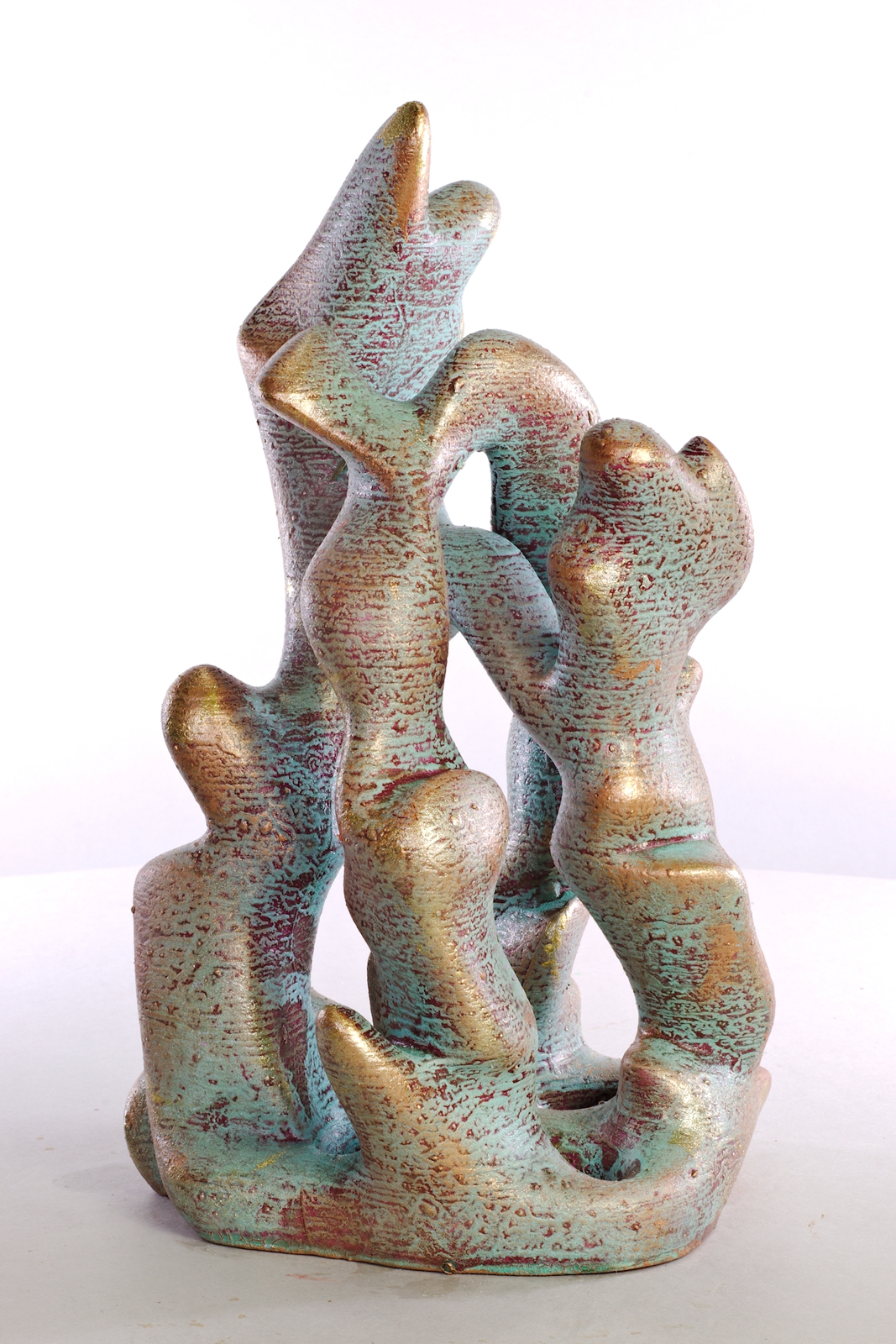
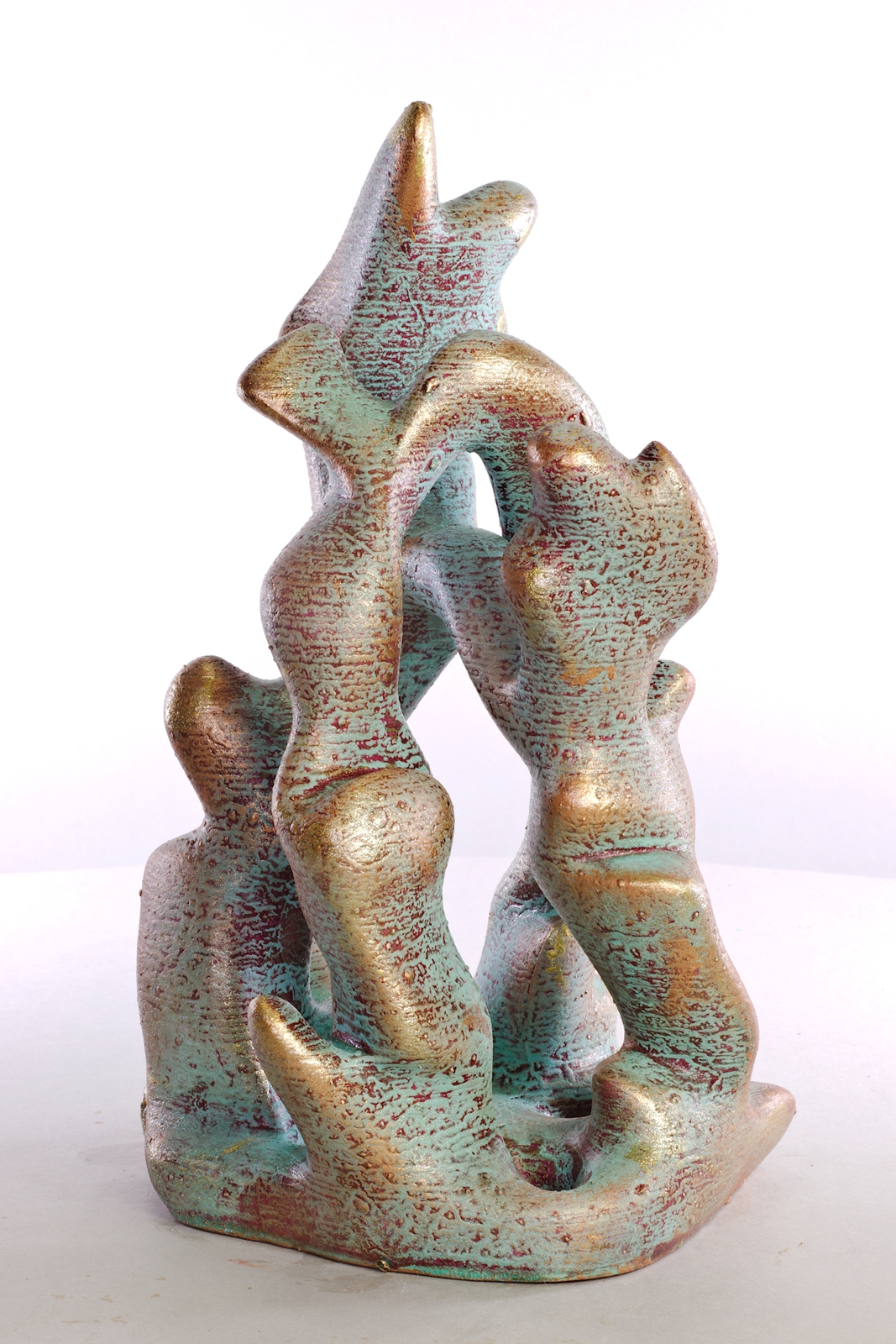
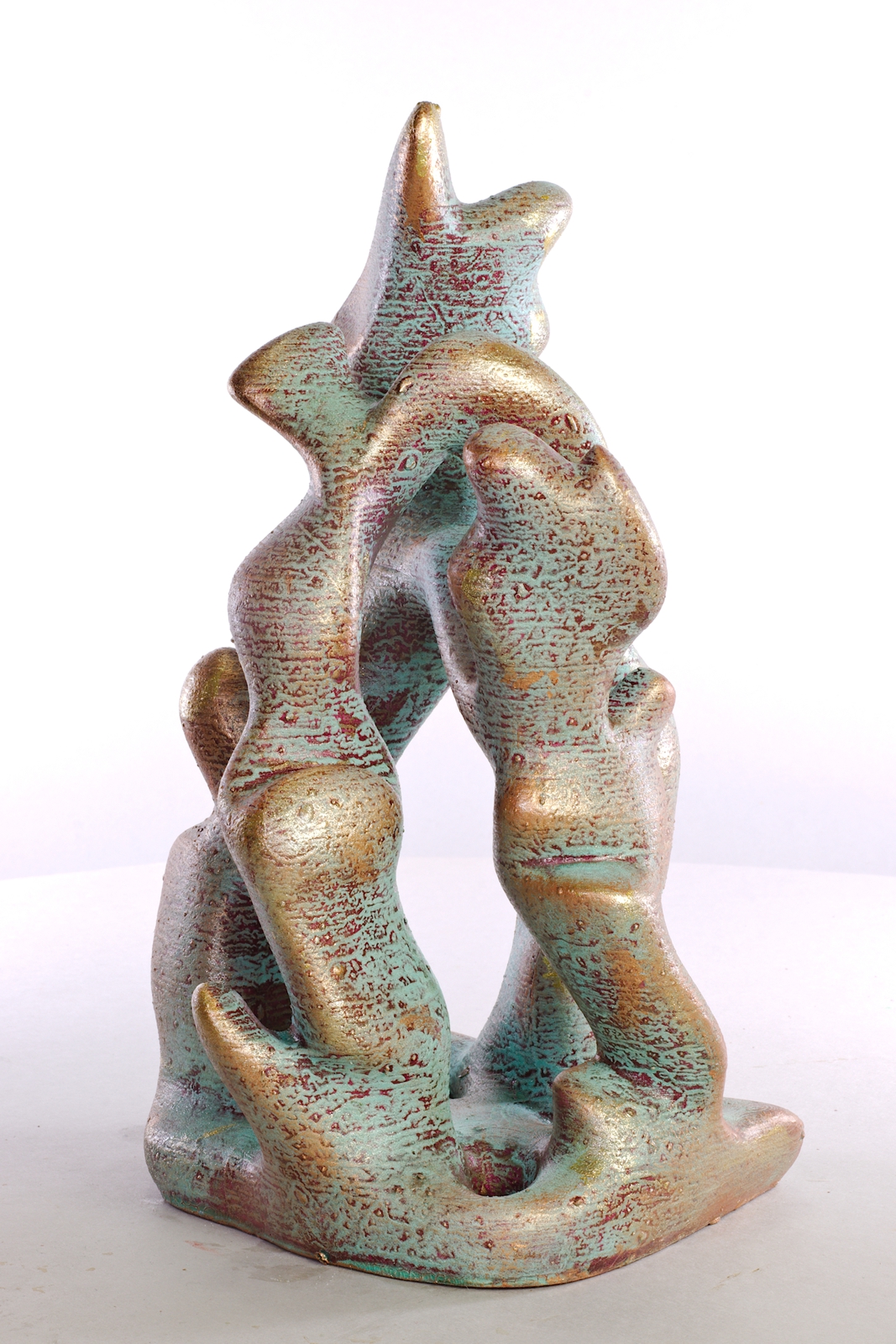
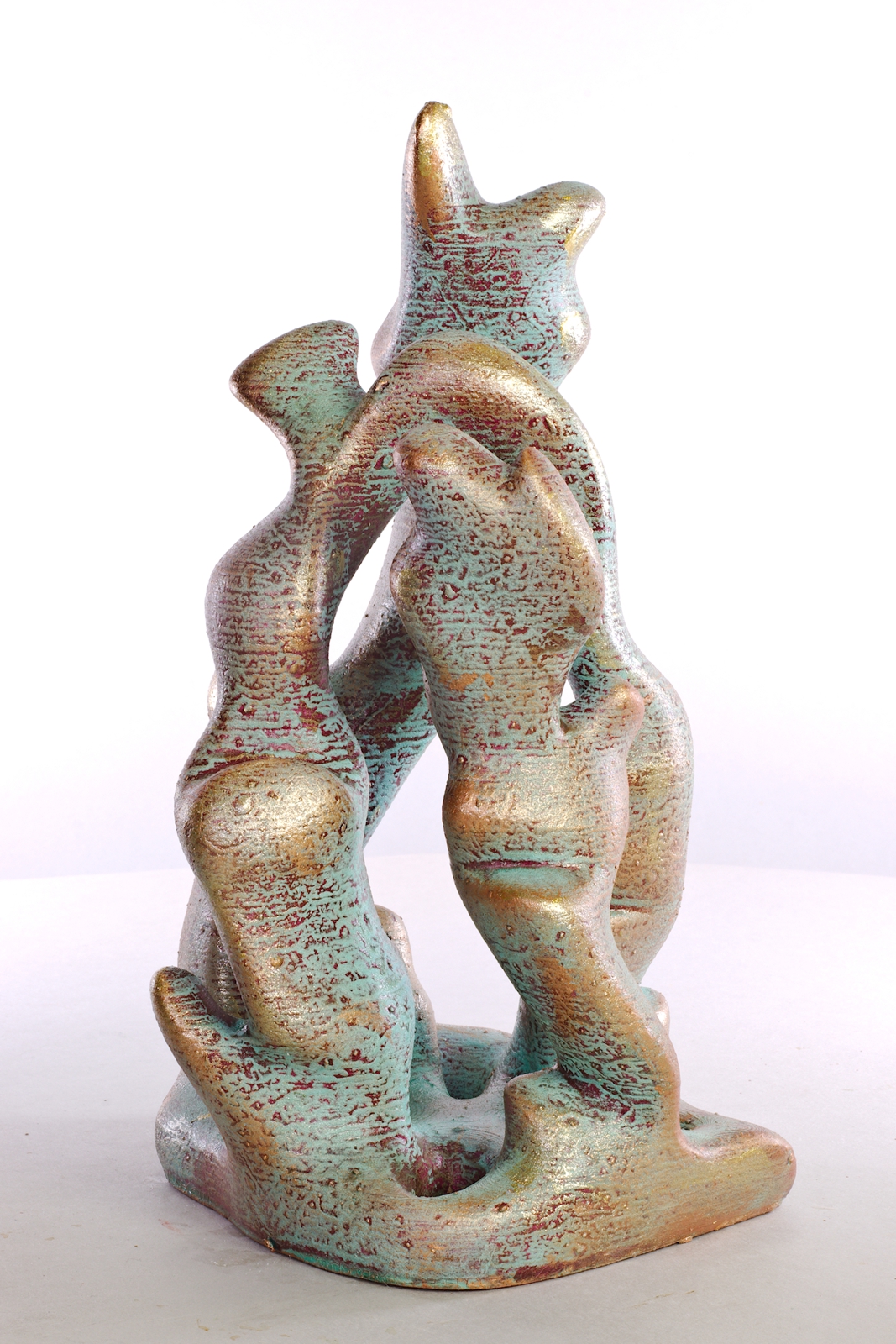
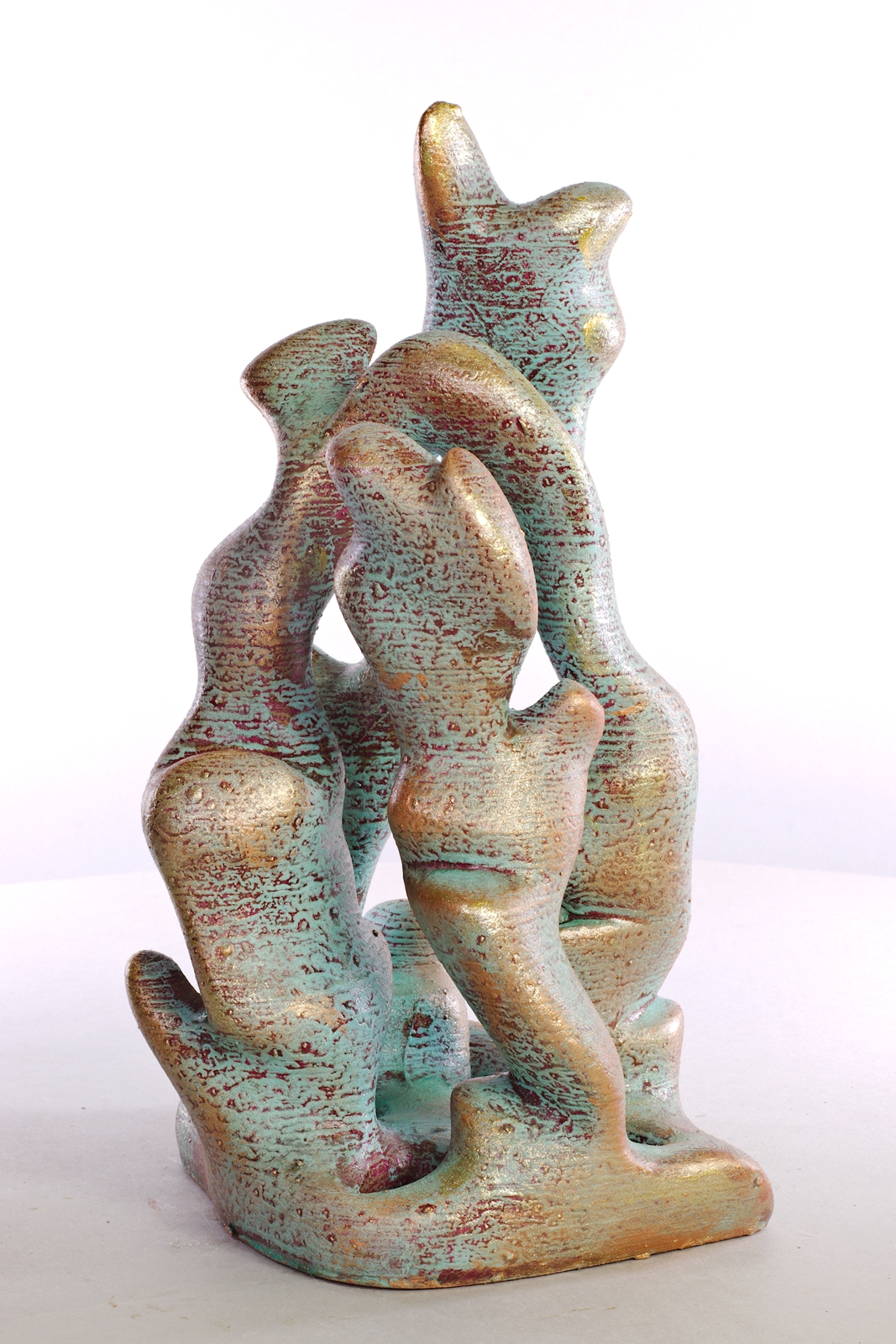
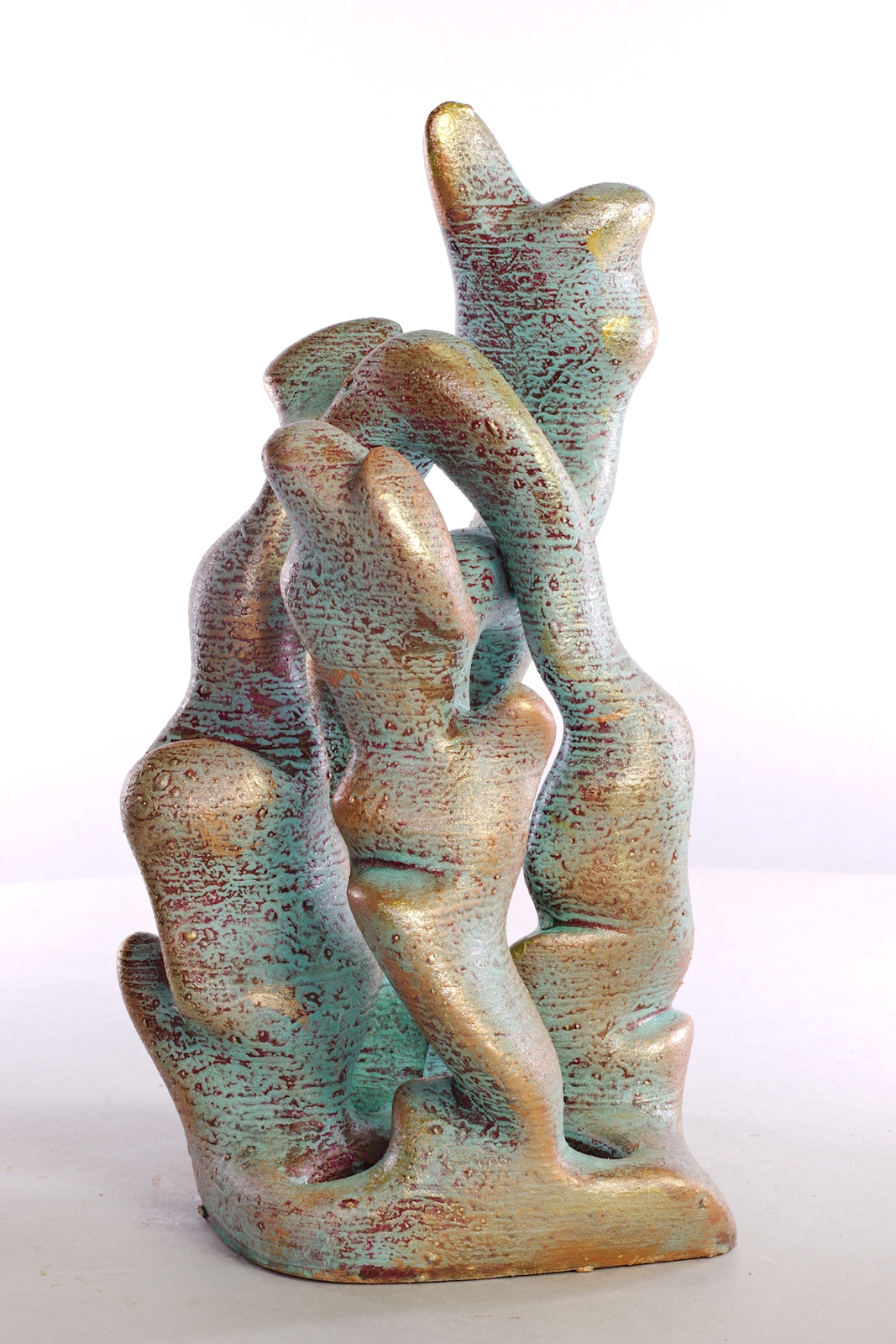
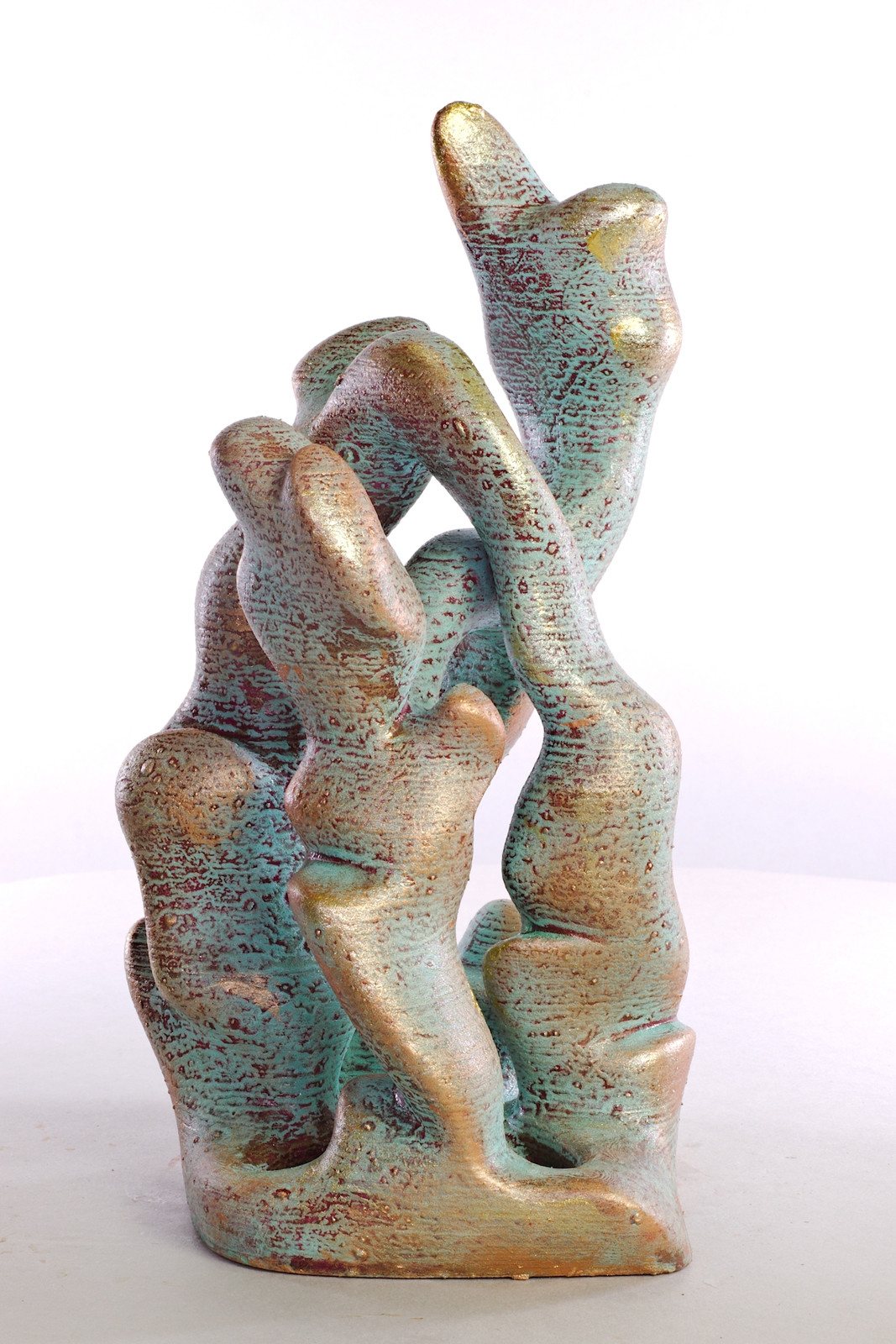
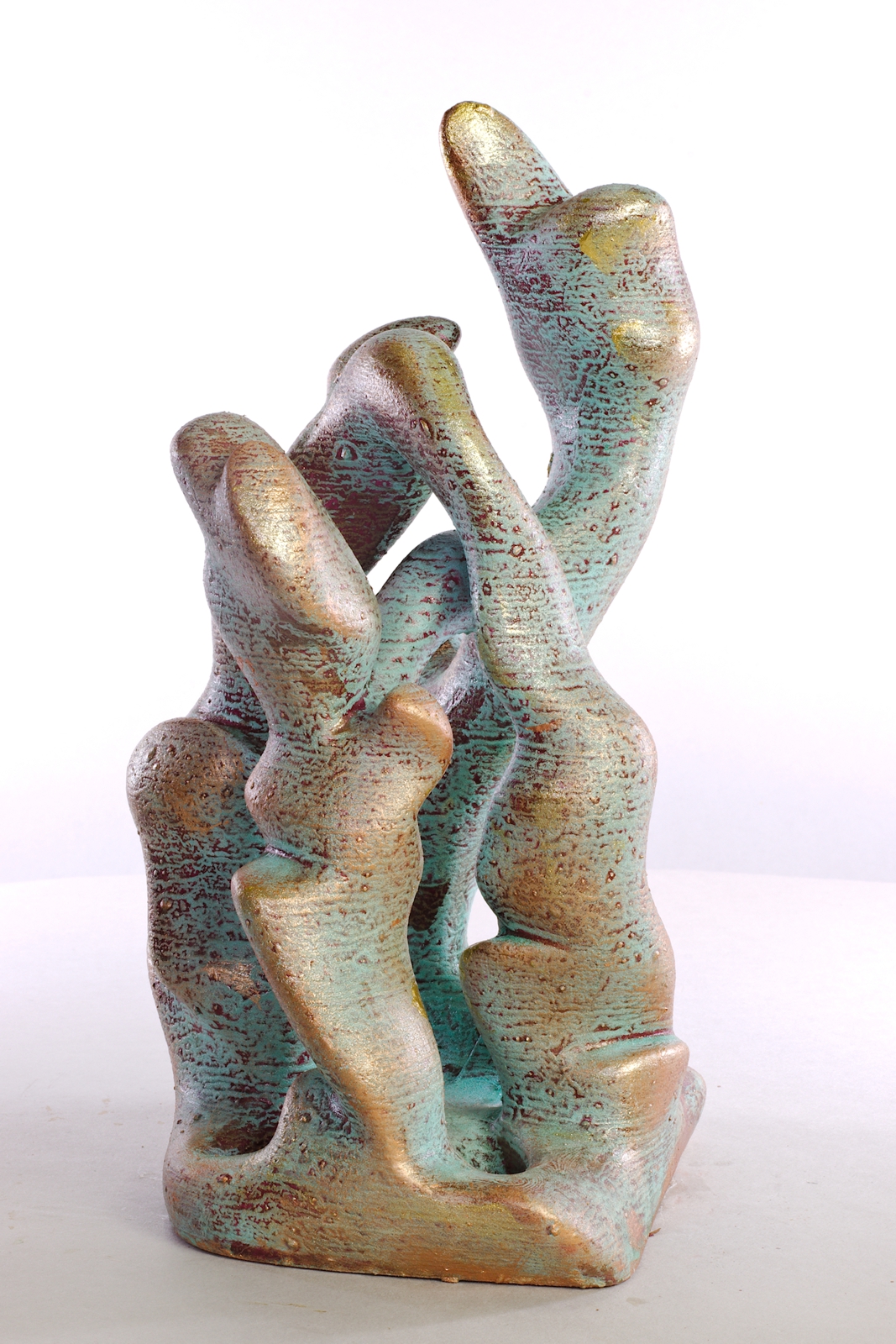
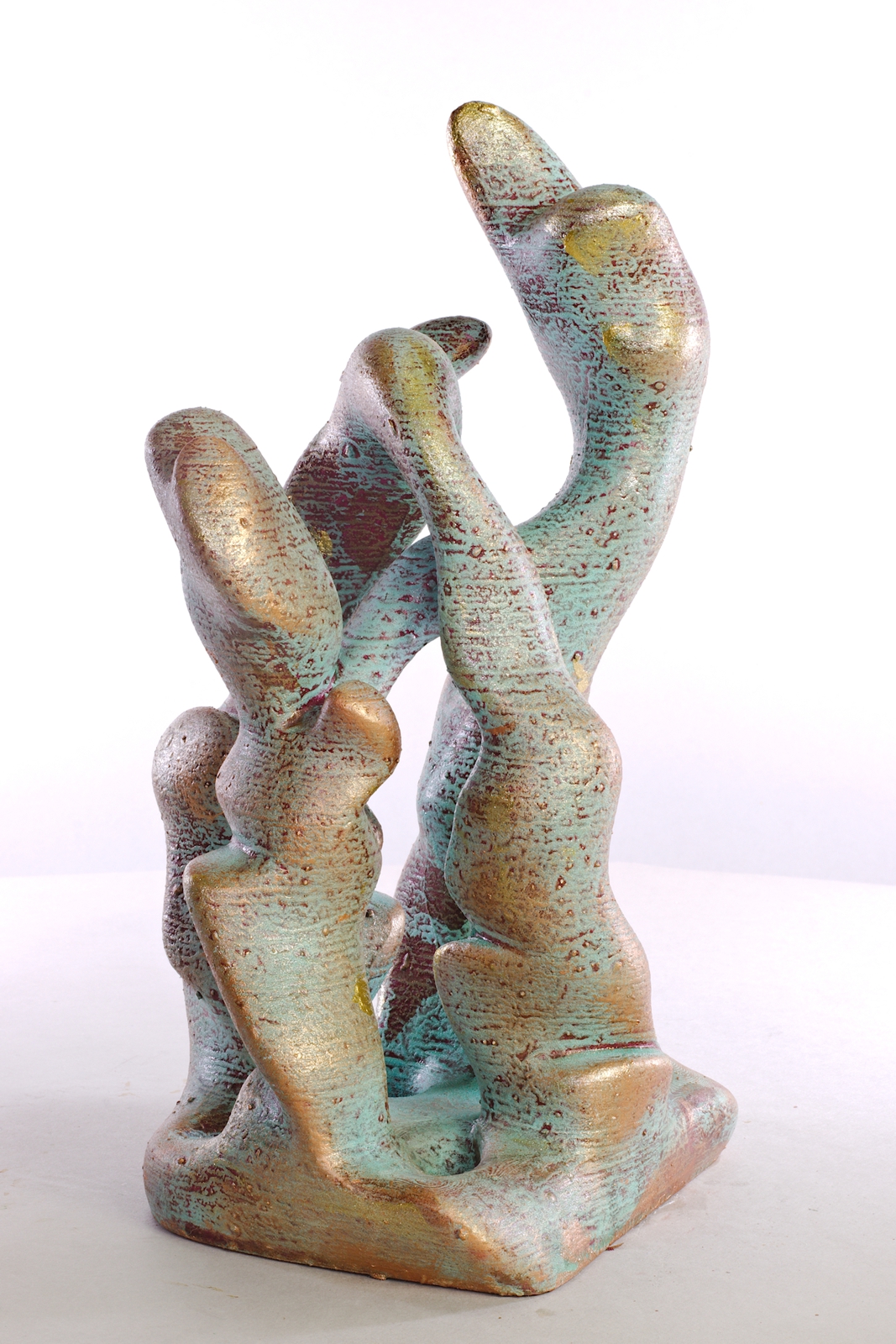
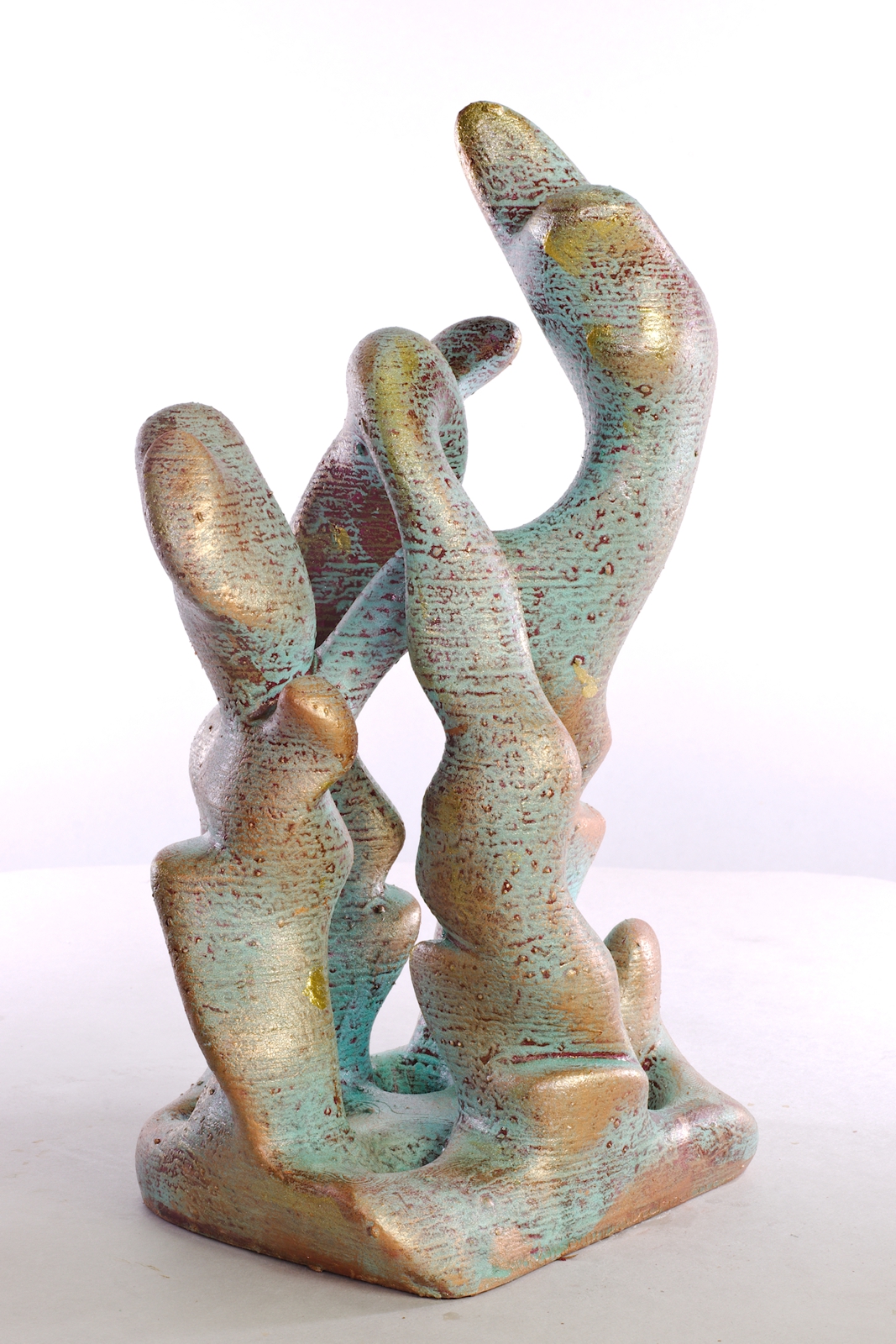
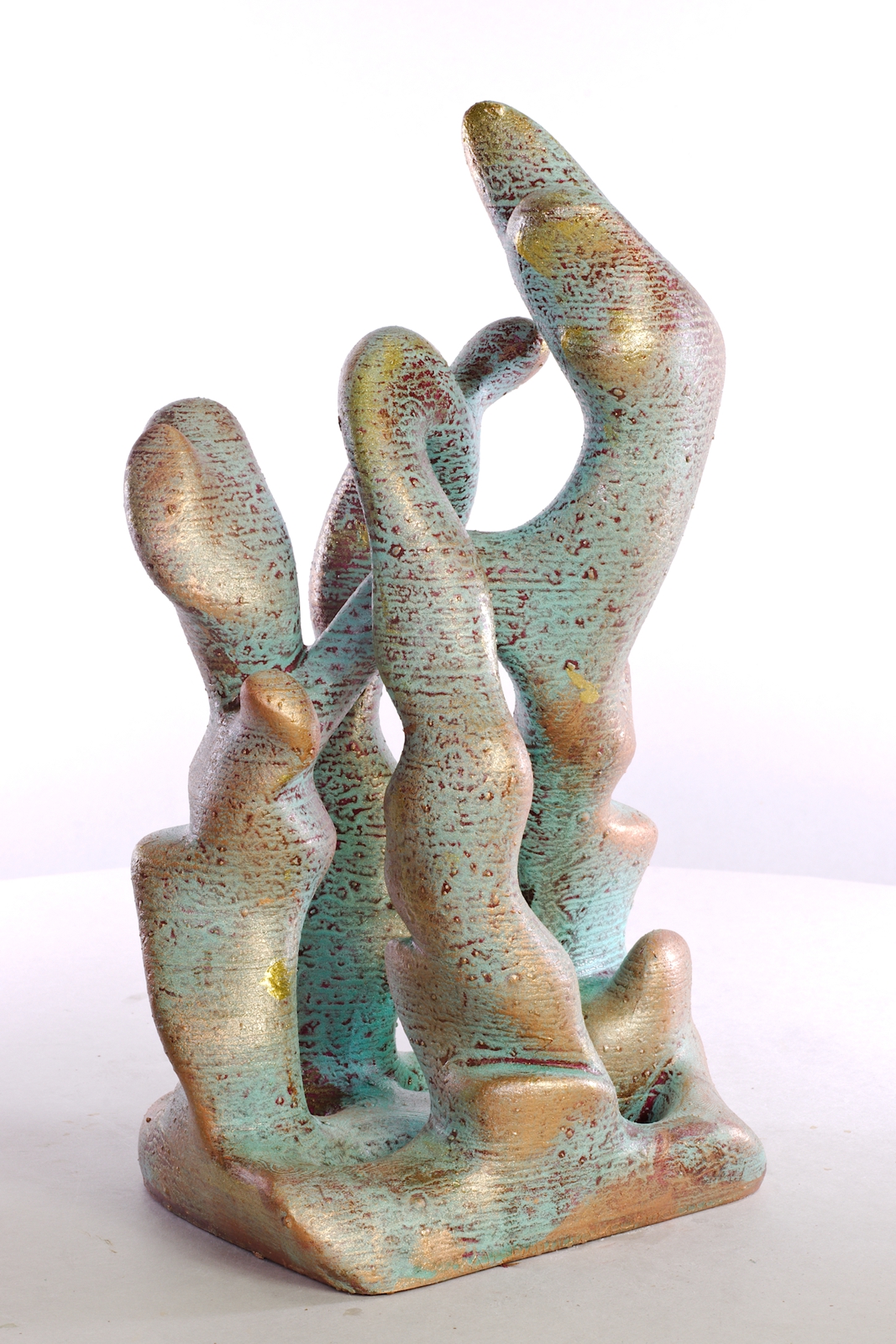
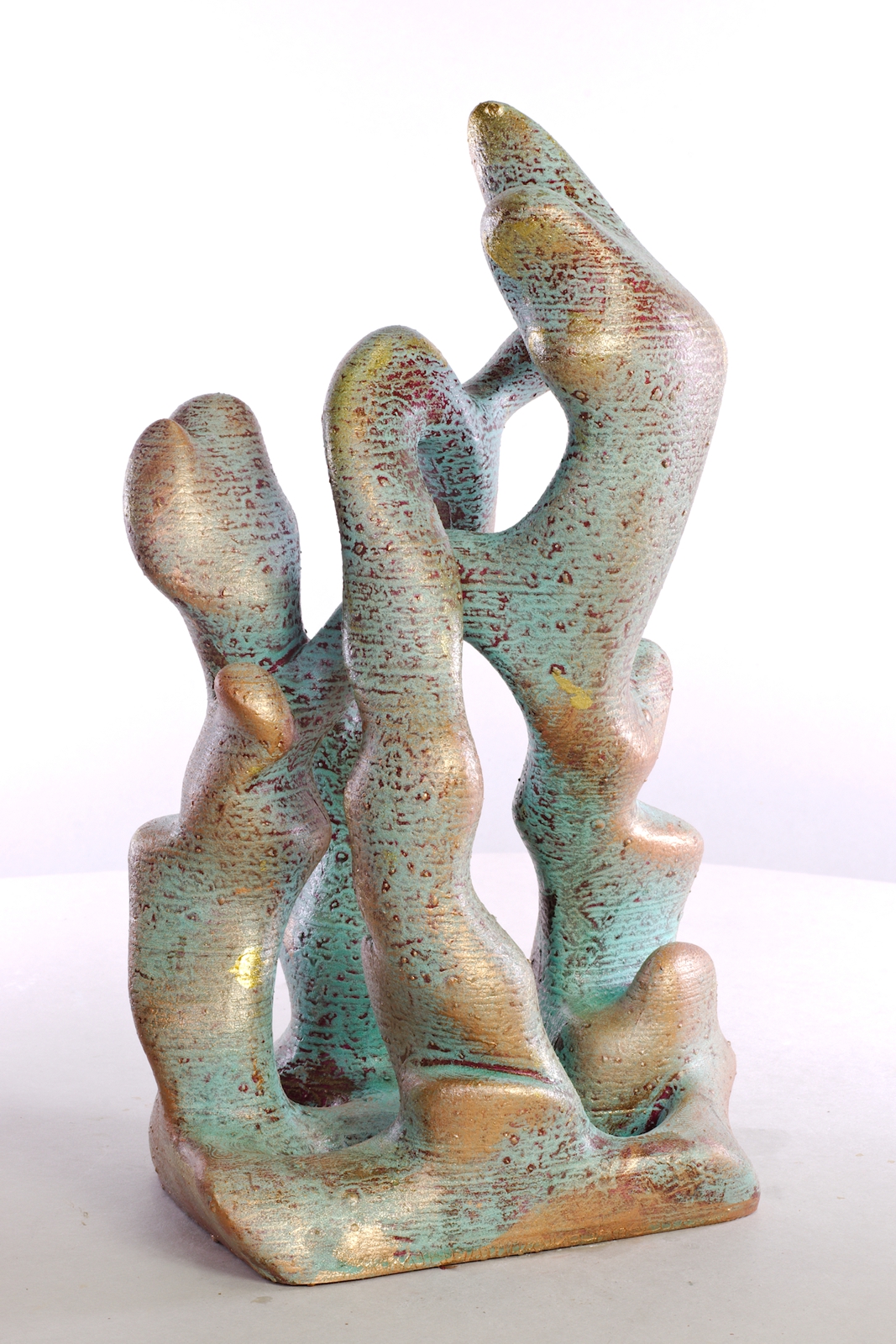
The images show various views of a sculpture by Andreas Loeschner-Gornau titled "The Abduction of Helen II II" (*Der Raub der Helena II*). The sculpture is set against a light, neutral background that highlights the artwork's form and surface texture.
The sculpture itself is abstract and organically shaped. It consists of several rising, twisting, and interconnecting elements reminiscent of coral or natural growth patterns. The surface is textured, featuring an uneven, granular quality dominated by a tactile sense of roughness and vitality.
The coloring is characteristic of a patina resembling aged metal. Two main hues predominate: a bluish-green tone evocative of copper patina, and a metallic gold or bronze that emerges more strongly in places, creating highlights. These colors are overlaid with reddish-brown speckles and nuances, lending the surface depth and an antique appearance. The golden sheen is most intense at the tips and protruding curves. Small, granular formations are visible on the surface in some areas, appearing like tiny dots.
The sculpture’s composition is dynamic. The rising forms appear linked in an embrace or intertwining motion, suggesting the thematic context of the Abduction of Helen II—a subject centered on the entanglement of figures and emotions. The sculpture rests on a distinct base that provides stability, while the rising forms create a sense of movement and tension. The title "The Abduction of Helen II II" and the reference to the subject matter—the abduction by the Trojan prince Paris, a central myth of Greek antiquity—suggest an interpretation in which the abstracted forms might represent the figures of Paris and Helen, caught in a passionate and dramatic moment. The patina and organic form lend the work a timeless, almost mythical quality.