paintings
paintings
paintings
paintings
paintings
paintings
paintings
paintings
paintings
paintings
paintings
paintings
paintings
paintings
paintings
paintings
paintings
paintings
paintings
paintings
paintings
paintings
paintings
paintings
paintings
paintings
paintings
paintings
paintings
paintings
paintings
paintings
paintings
paintings
paintings
paintings
paintings
paintings
paintings
paintings
paintings
paintings
paintings
paintings
paintings
paintings
paintings
paintings
paintings
paintings
paintings
paintings
paintings
paintings
paintings
paintings
paintings
paintings
paintings
paintings
paintings
paintings
paintings
paintings
paintings
paintings
paintings
paintings
paintings
paintings
paintings
paintings
paintings
paintings
paintings
paintings
paintings
paintings
paintings
paintings
paintings
paintings
paintings
paintings
paintings
paintings
paintings
paintings
paintings
paintings
paintings
paintings
paintings
paintings
paintings
paintings
paintings
paintings
paintings
paintings
Andreas Löschner-Gornau, Professor Emeritus of Fine Arts
"Daedalus and the Relish of the Toils of the Plains sculpture" PLA (bio-based plastic),electroplated with copper, patinated/ Click here to buy
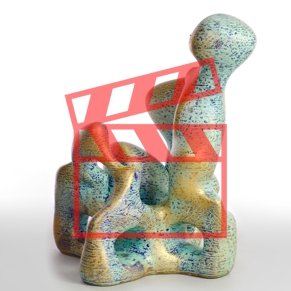
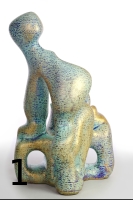
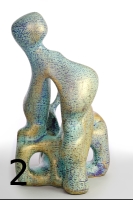
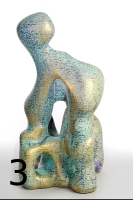
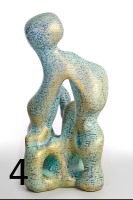
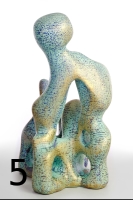
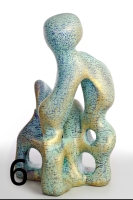
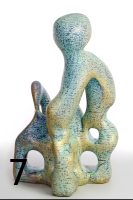
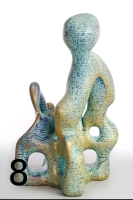
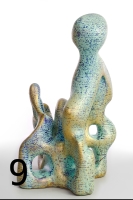
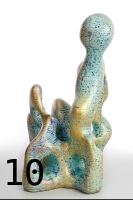
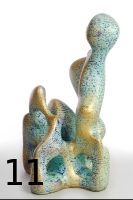
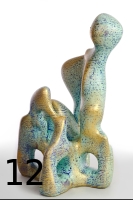
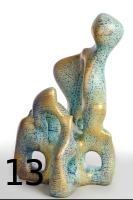
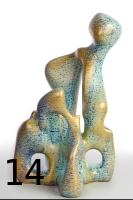
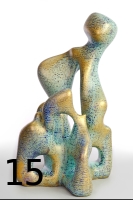
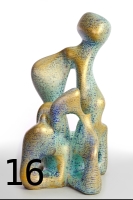
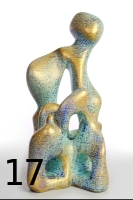
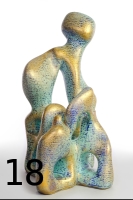
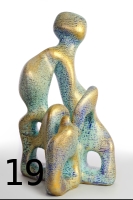
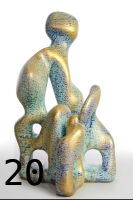
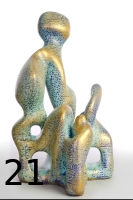
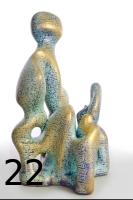
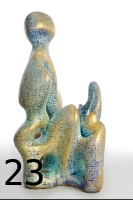
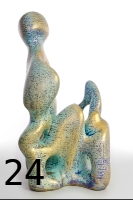
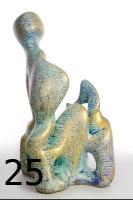
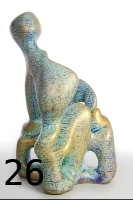
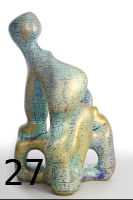
This exclusive sculpture combines cutting-edge technology with traditional craftsmanship. The sculpture’s core is a high-precision form made of PLA, a sustainable, bio-based plastic. Through an intricate, multi-day process, the piece is electroplated with a layer of genuine copper. Its distinctive, vibrant depth is achieved through a subsequent chemical patination process: the shades of verdigris and oxidation result from actual chemical reactions, making this sculpture a truly unique, one-of-a-kind piece. The symbiosis of digital design and classic electroforming gives the work an extraordinary tactile quality and visual dynamism as it rests on its base. Finished with high-quality acrylic accents.
The sculpture titled "Daedalus and the Relish of the Toils of the Plains" by Andreas Loeschner-Gornau is an abstract artwork that captivates the viewer with its organic forms and distinctive surface design. It is photographed against a flawless, light-gray to pure-white background that isolates the piece, drawing full attention to its intricate textures and colors.
The artwork consists of a complex arrangement of curved, interconnected forms reminiscent of anthropomorphic figures or stylized natural structures, yet without being clearly identifiable as either. On the left, the sculpture begins with a broad, substantial base that tapers upward, transitioning into a series of winding, column-like elements. These elements intertwine to create voids and passageways, lending the piece depth and a sense of three-dimensionality. A striking feature is a large, nearly oval opening in the lower-right section of the sculpture, offering a glimpse into its interior. The entire structure culminates on the right in a remarkably long, slender element that rises to a rounded, sphere-like tip, marking the sculpture's highest point. This creates an impression of upward movement or an aspiration to ascend.
The sculpture’s surface is highly detailed and tactile, featuring a rough, porous texture reminiscent of weathered stone or a heavily patinated finish. Its coloration is a fascinating blend of a bold turquoise—or light blue-green—base tone, irregularly streaked with luminous, metallic gold hues. The gold appears as bands, patches, and fine lines traversing the turquoise surface, gleaming intensely depending on the angle of the light. These golden accents lend the sculpture an aesthetic that is at once luxurious and primordial. Additionally, dark blue to violet speckles and lines are visible in many areas, particularly within the deep textures and recesses. These darker color accents enhance the sense of depth and add another dimension to the overall surface. The interplay between the gleaming gold sections and the more matte, textured turquoise and blue tones creates a dynamic visual effect.
The lighting comes from the upper left, creating highlights on the golden areas and casting soft shadows across the sculpture itself, as well as a clearly defined cast shadow against the background. This emphasizes the artwork's spatial presence and three-dimensional complexity. The sculpture rests on a flat, lightly shaded surface that blends seamlessly into the light-colored background.
Overall, the sculpture radiates an aesthetic that is simultaneously archaic and modern. Its organic, flowing forms might symbolize human struggle and aspiration—perhaps in the context of Greek mythology or the "joy of the labors of the plain"—while the unique combination of color and texture bridges the gap between antiquity and abstraction.