paintings
paintings
paintings
paintings
paintings
paintings
paintings
paintings
paintings
paintings
paintings
paintings
paintings
paintings
paintings
paintings
paintings
paintings
paintings
paintings
paintings
paintings
paintings
paintings
paintings
paintings
paintings
paintings
paintings
paintings
paintings
paintings
paintings
paintings
paintings
paintings
paintings
paintings
paintings
paintings
paintings
paintings
paintings
paintings
paintings
paintings
paintings
paintings
paintings
paintings
paintings
paintings
paintings
paintings
paintings
paintings
paintings
paintings
paintings
paintings
paintings
paintings
paintings
paintings
paintings
paintings
paintings
paintings
paintings
paintings
paintings
paintings
paintings
paintings
paintings
paintings
paintings
paintings
paintings
paintings
paintings
paintings
paintings
paintings
paintings
paintings
paintings
paintings
paintings
paintings
paintings
paintings
paintings
paintings
paintings
paintings
paintings
paintings
paintings
paintings
Andreas Löschner-Gornau, Professor Emeritus of Fine Arts
"Dance of the Corybantes"2" 2026 PLA (bio-based plastic),electroplated with copper, patinated/ Click here to buy
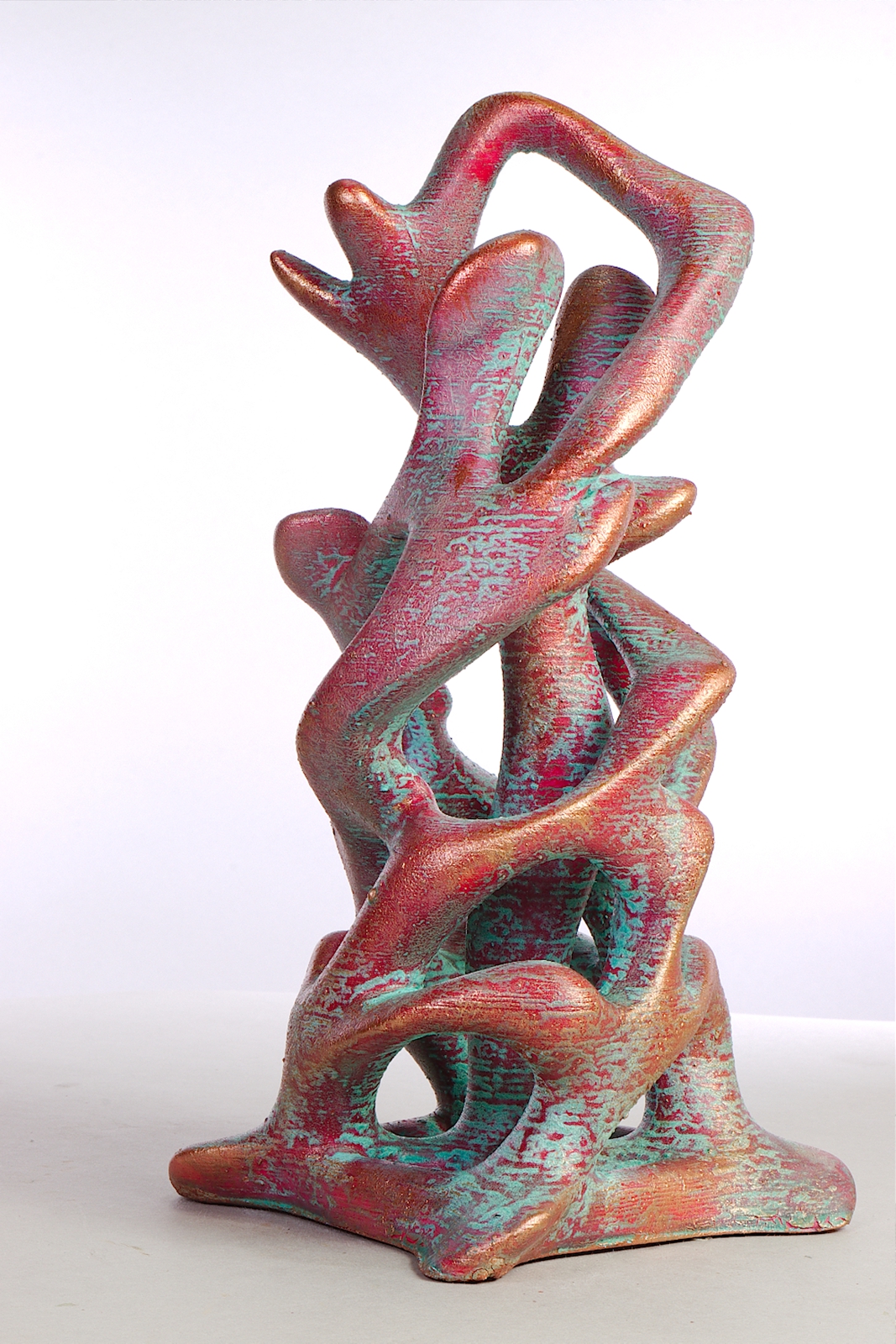
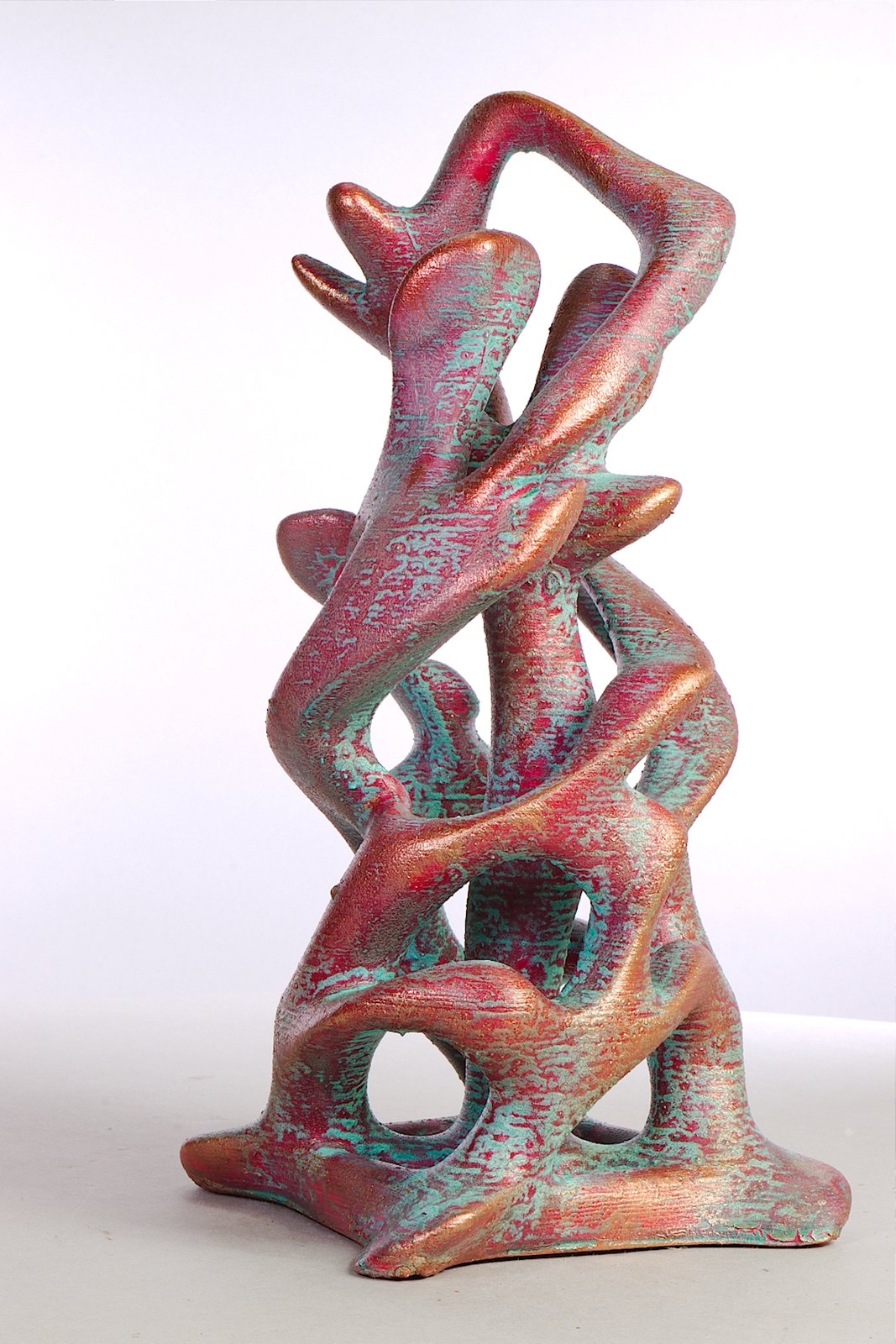
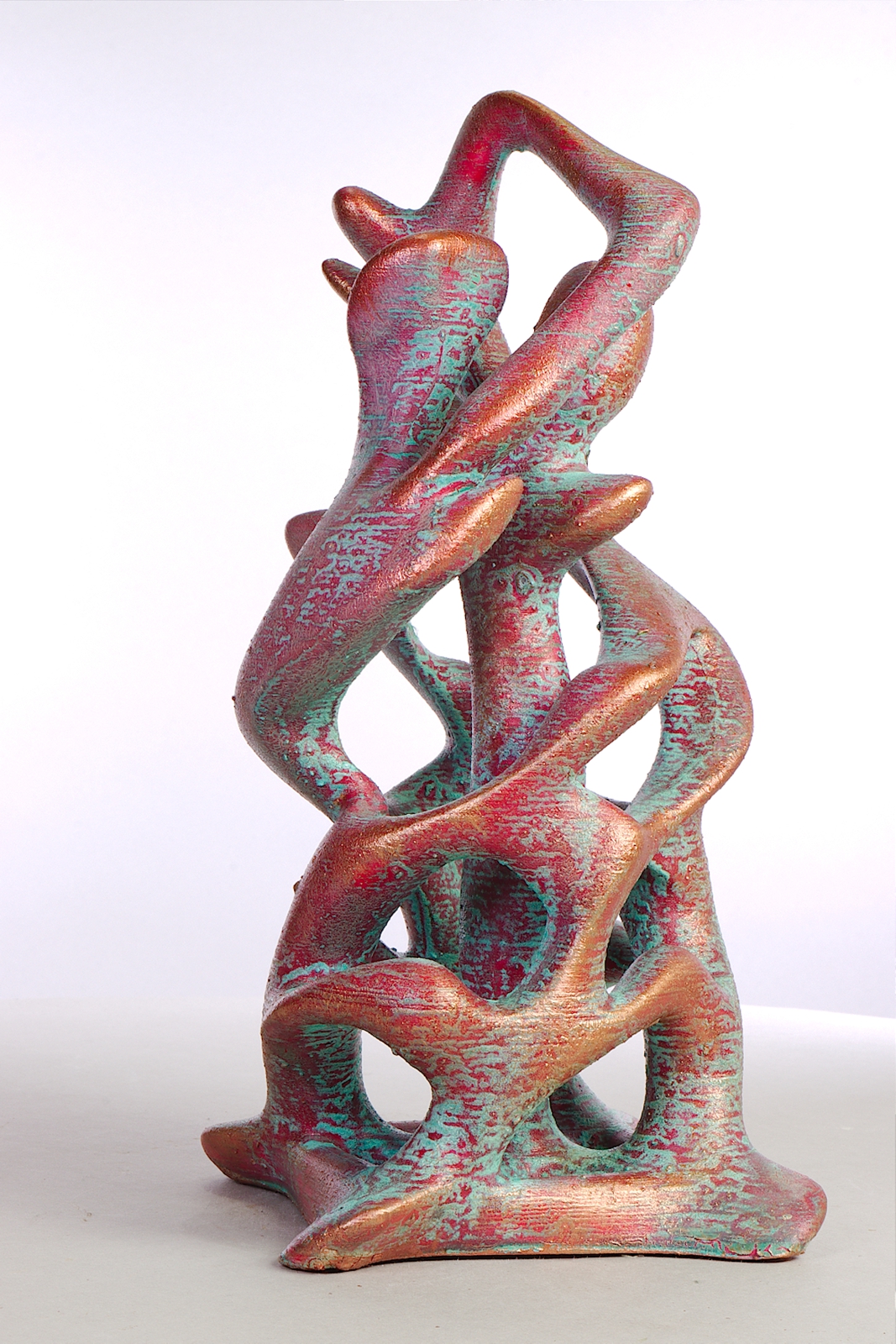
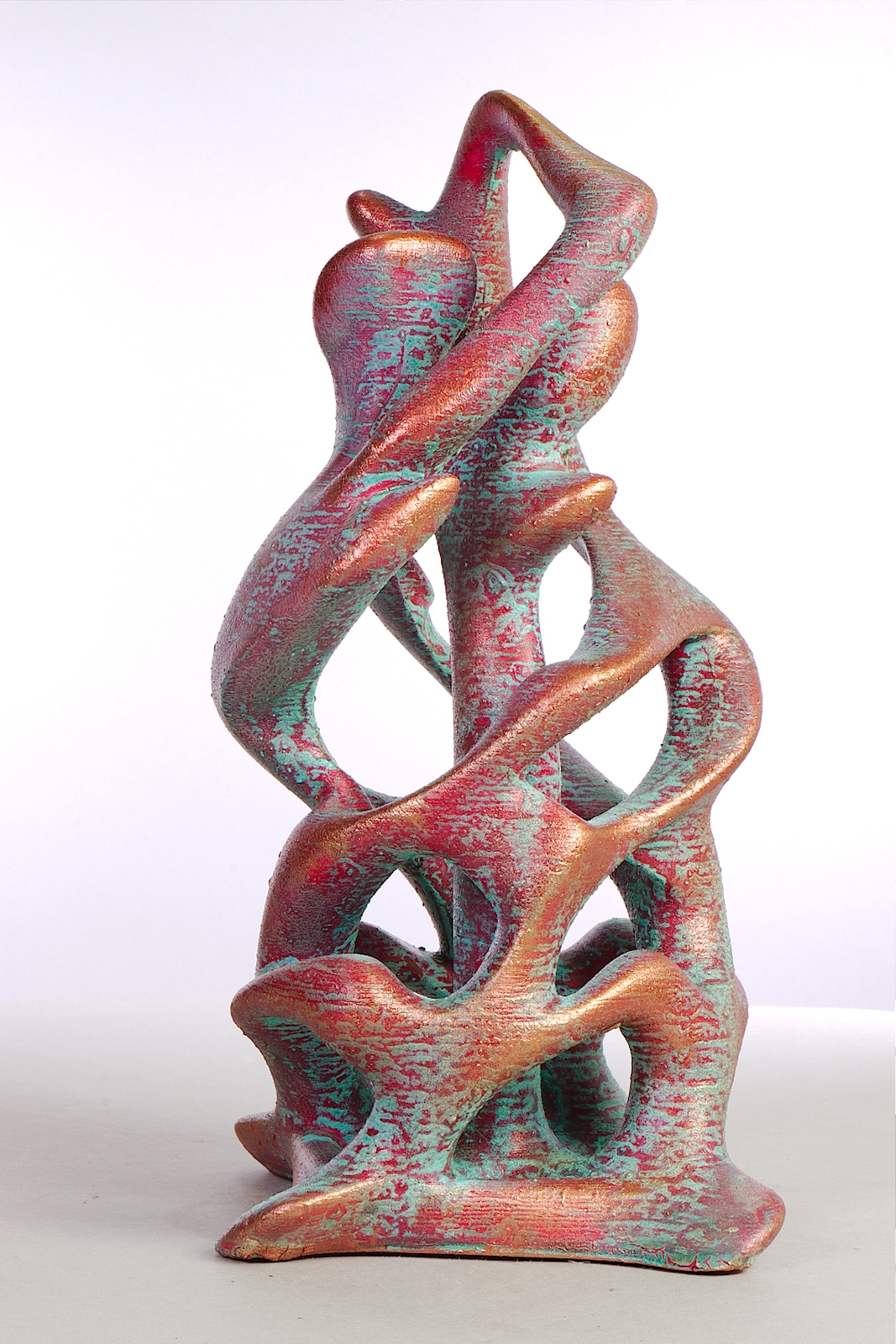
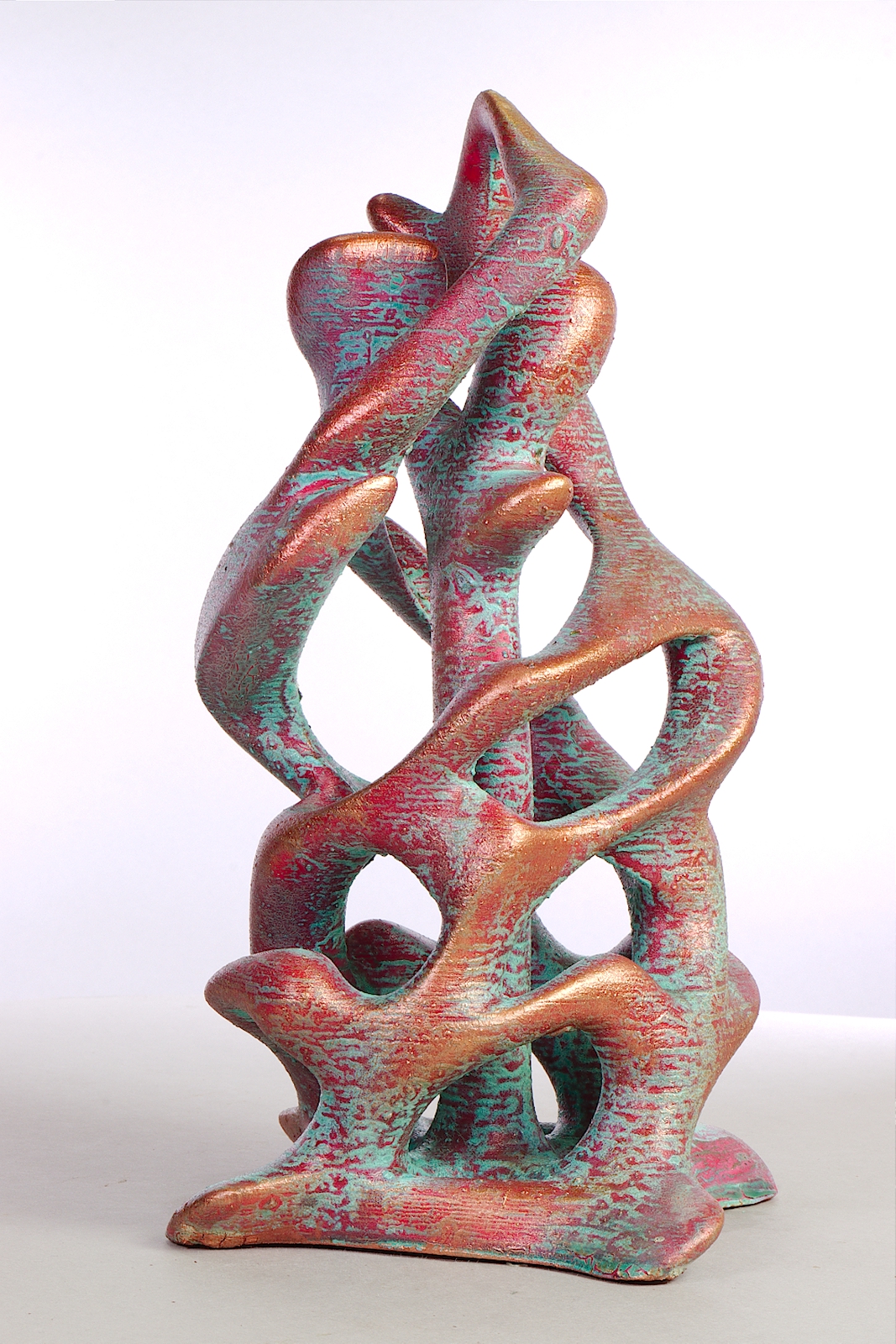
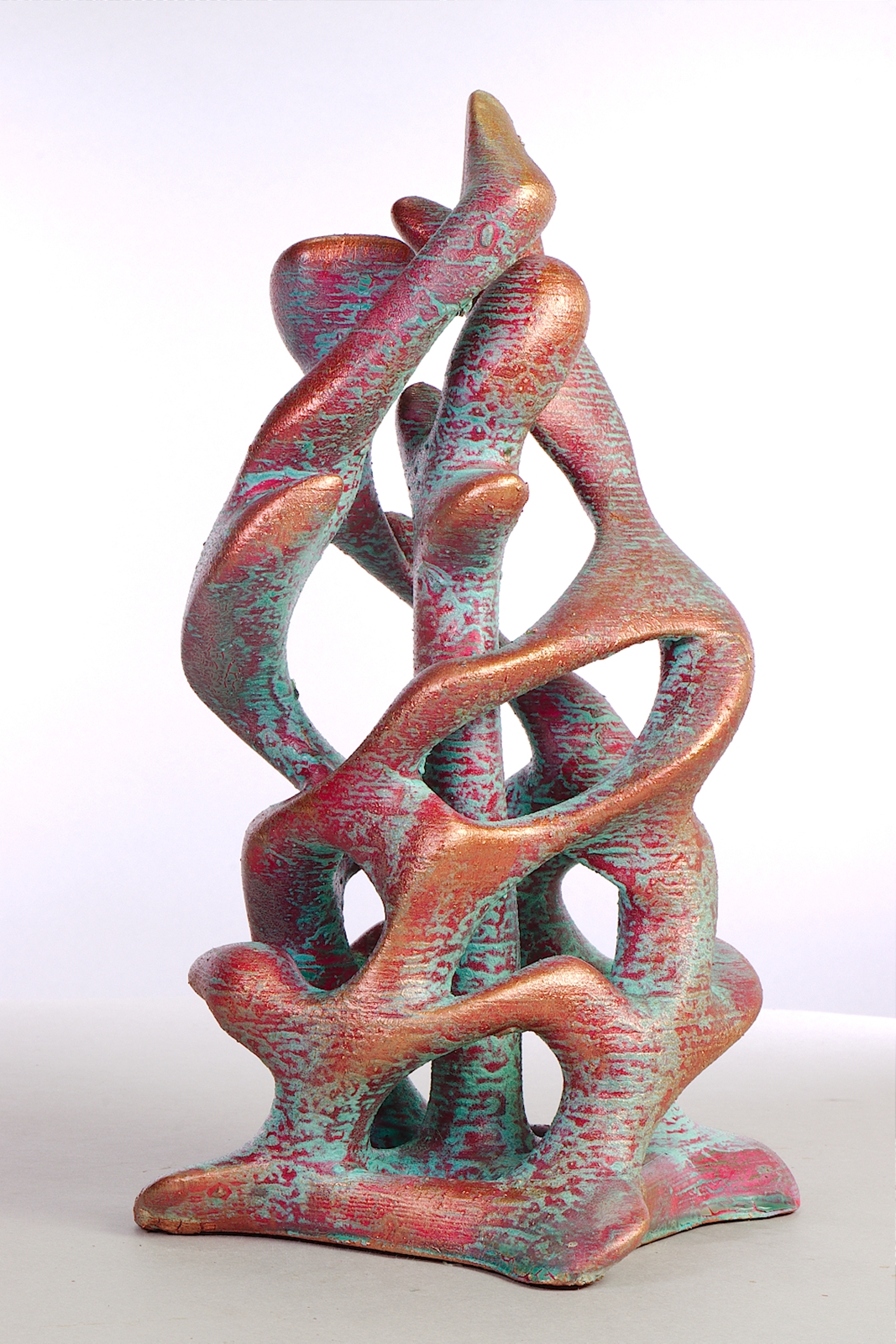
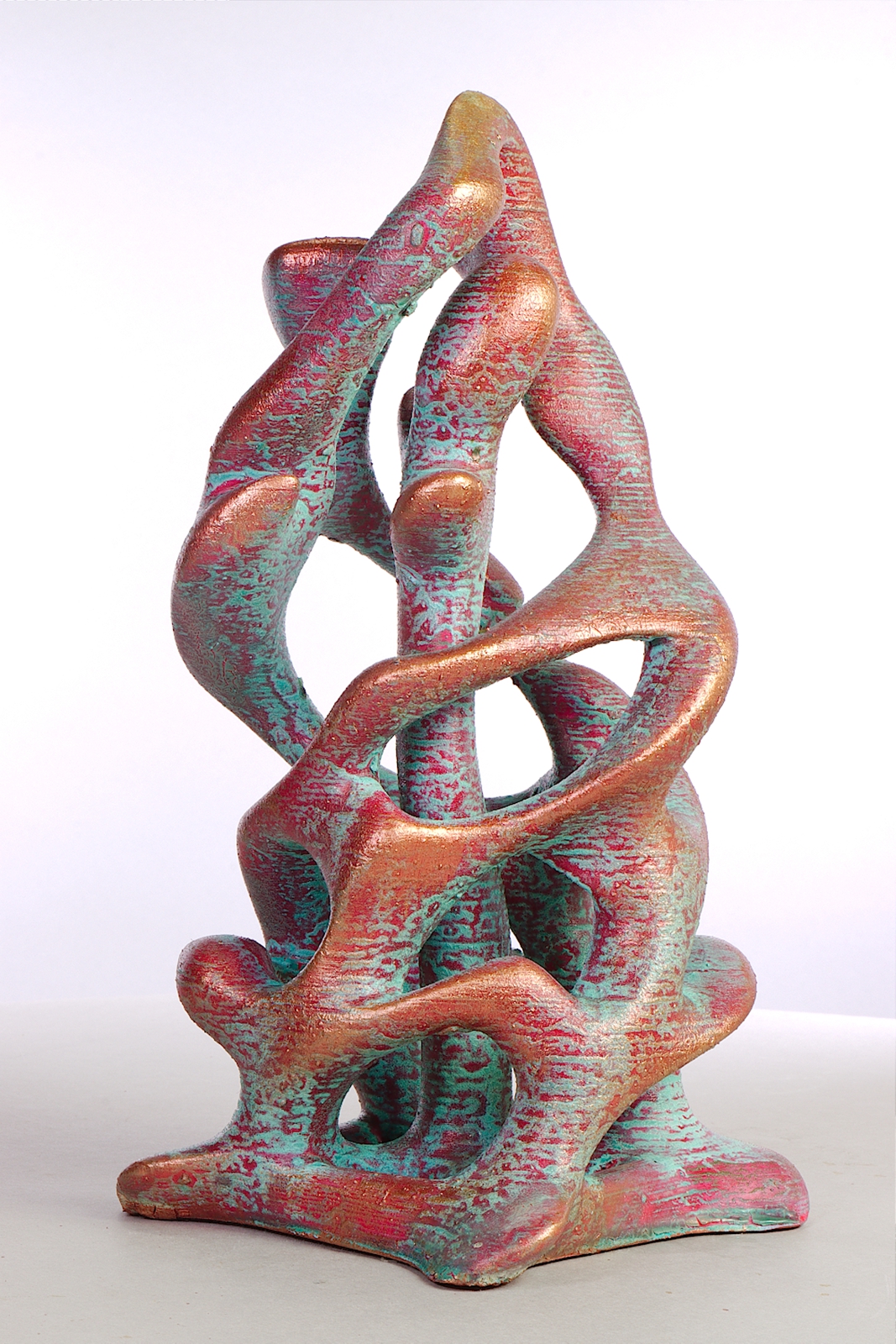
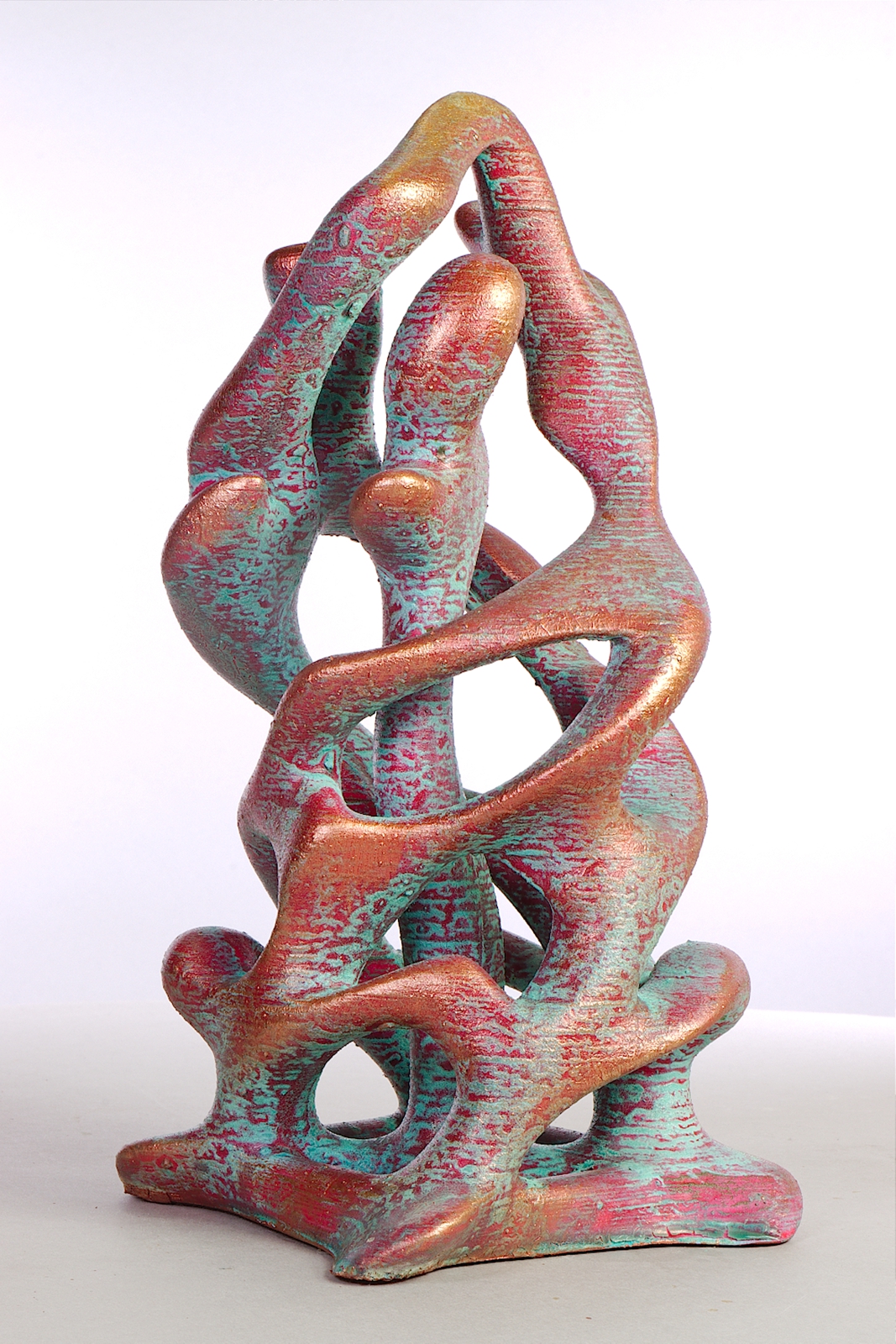
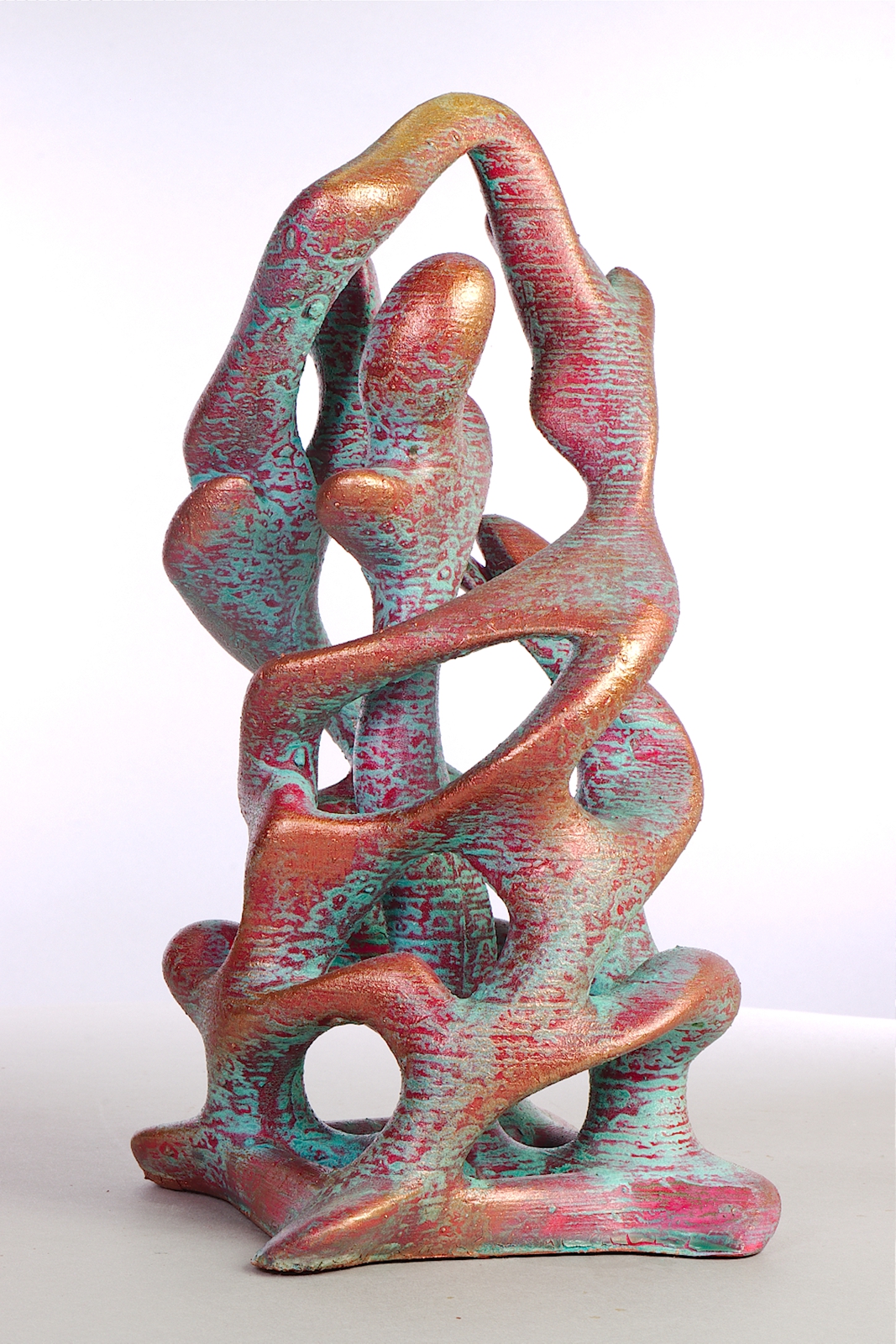
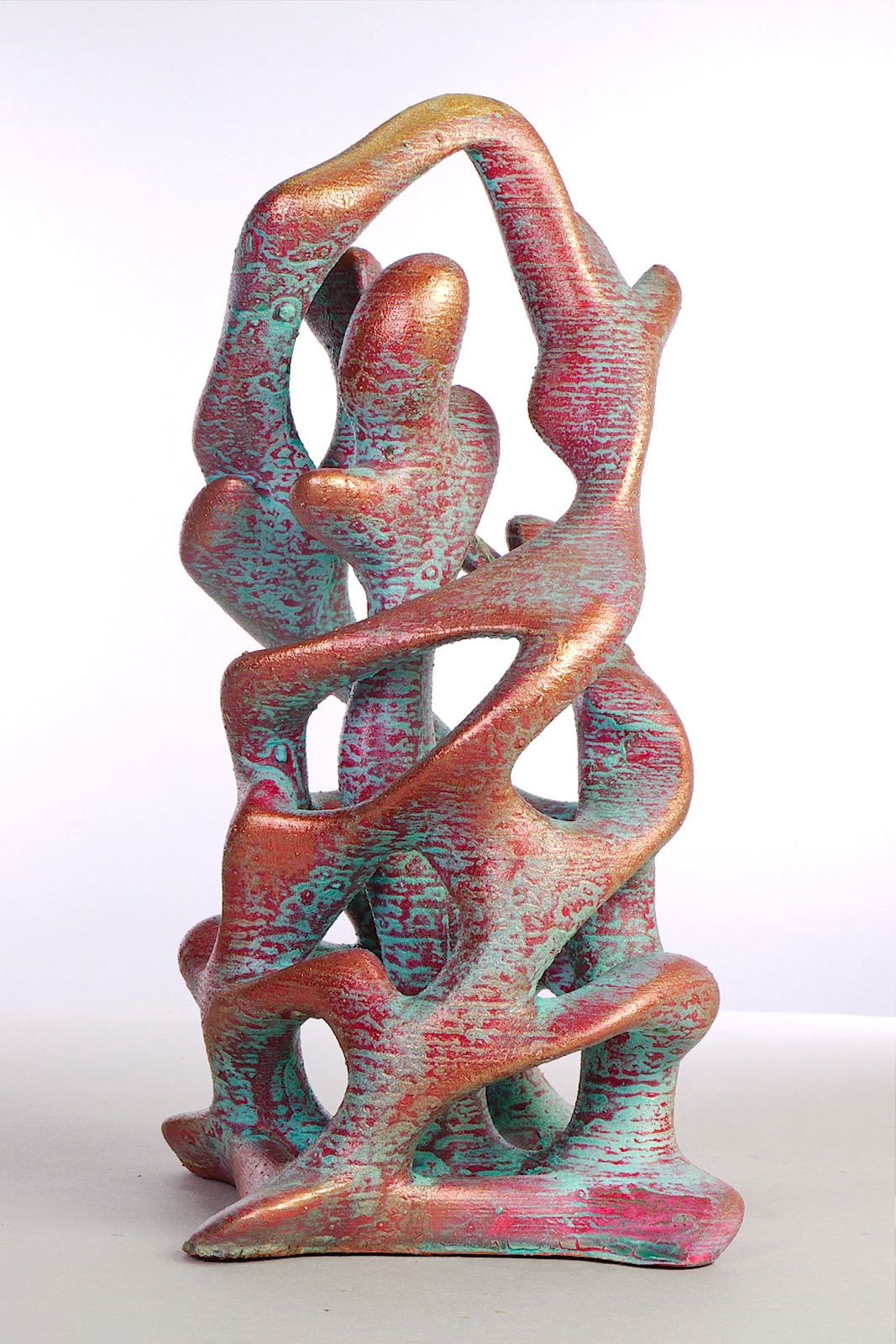
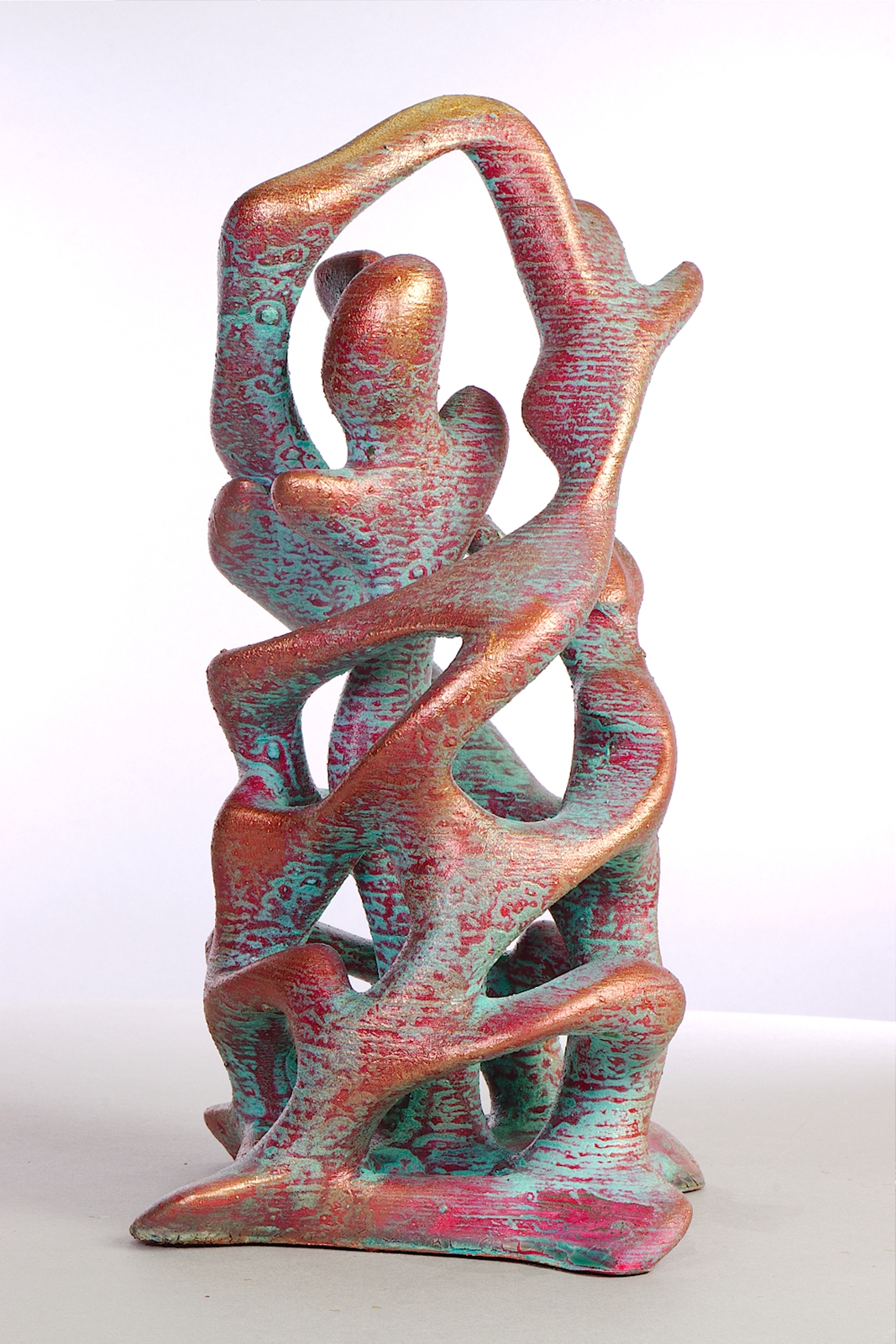
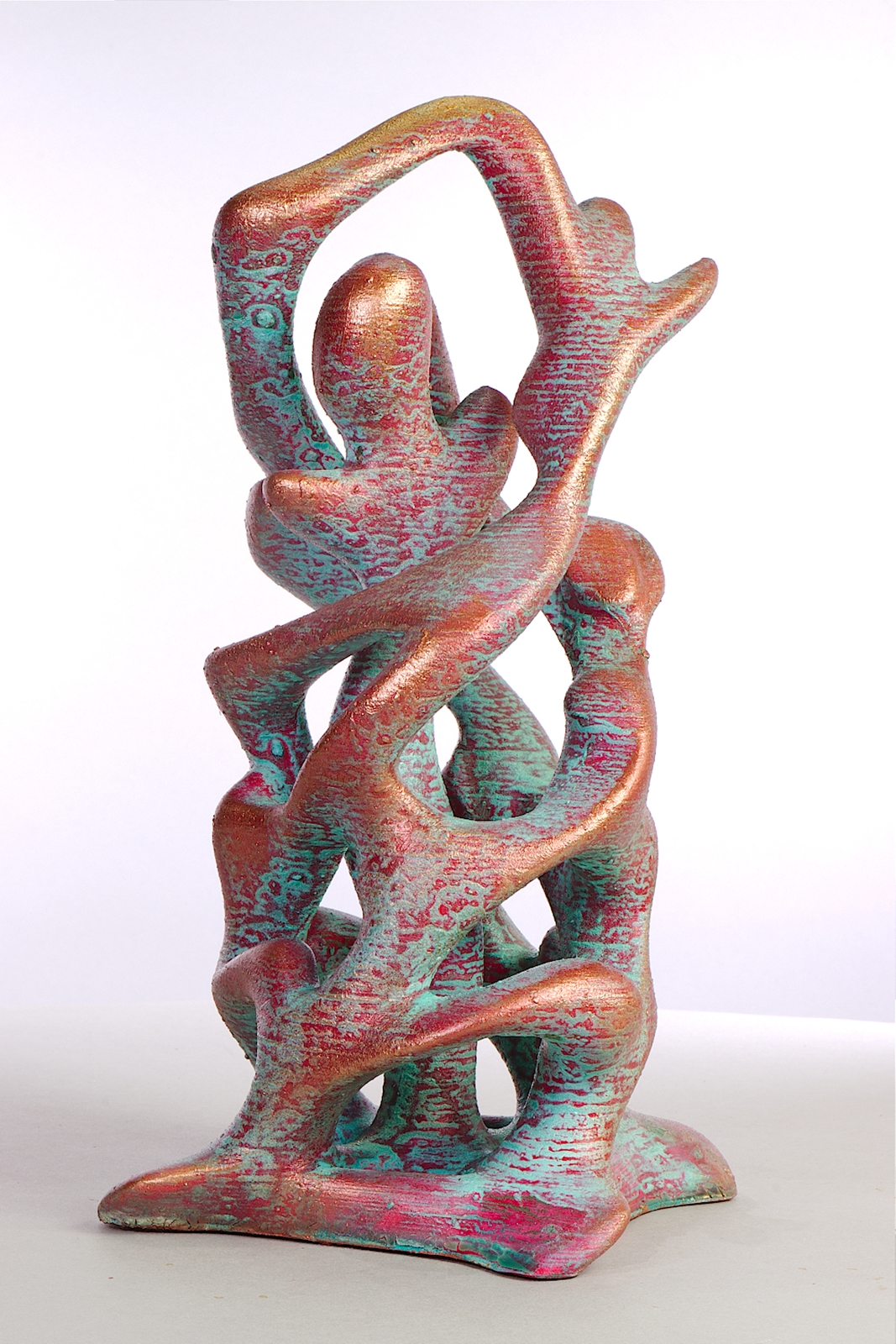
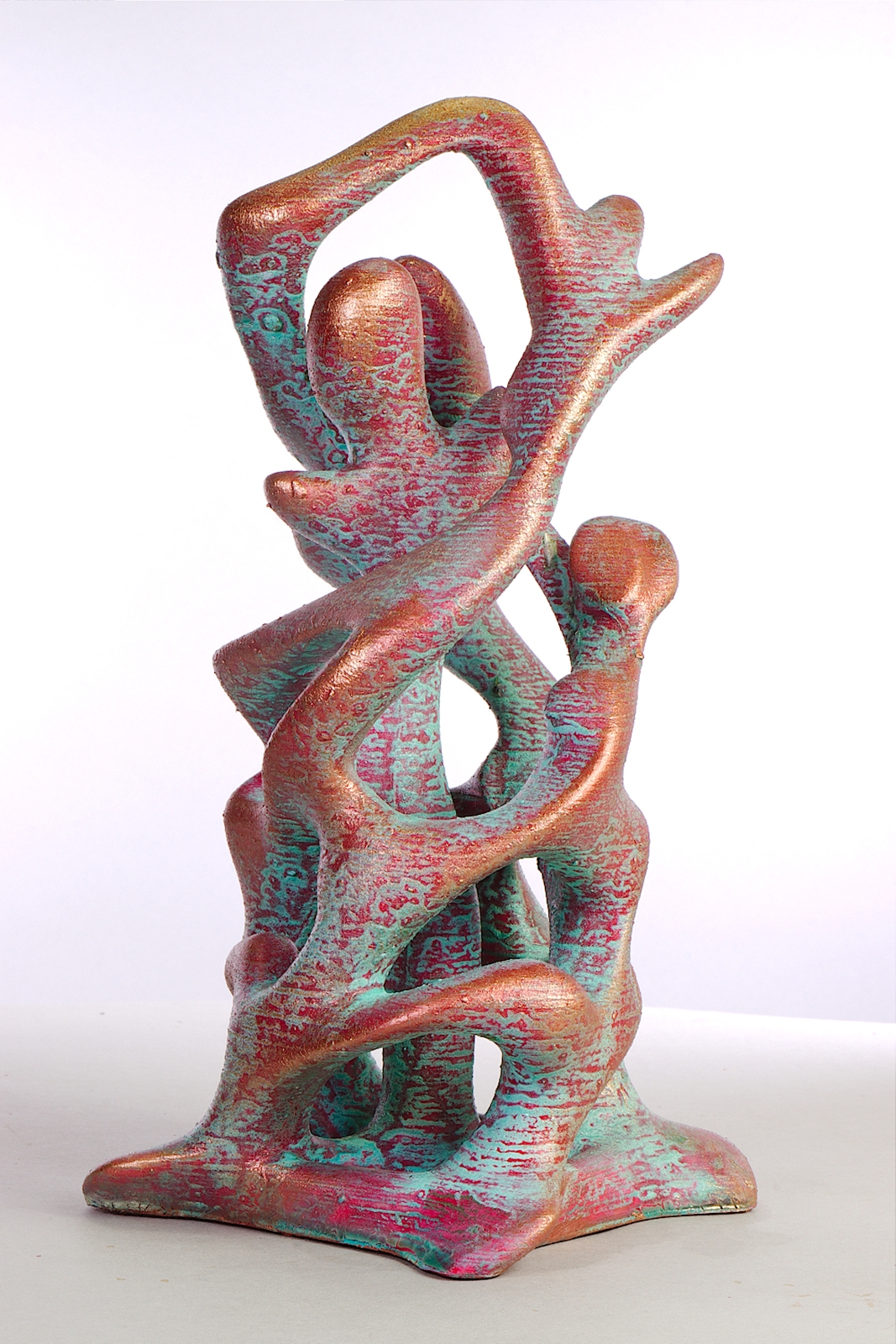
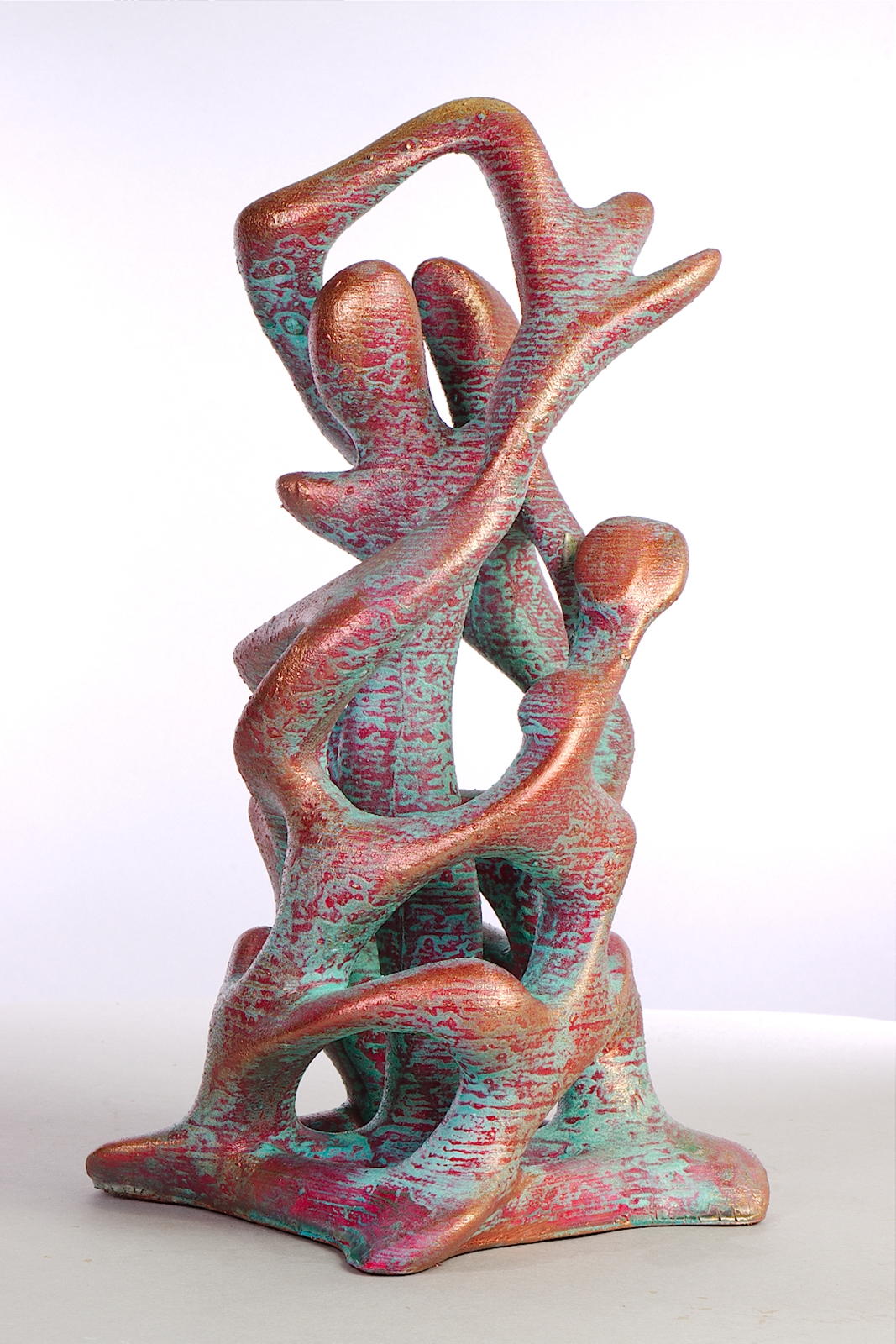
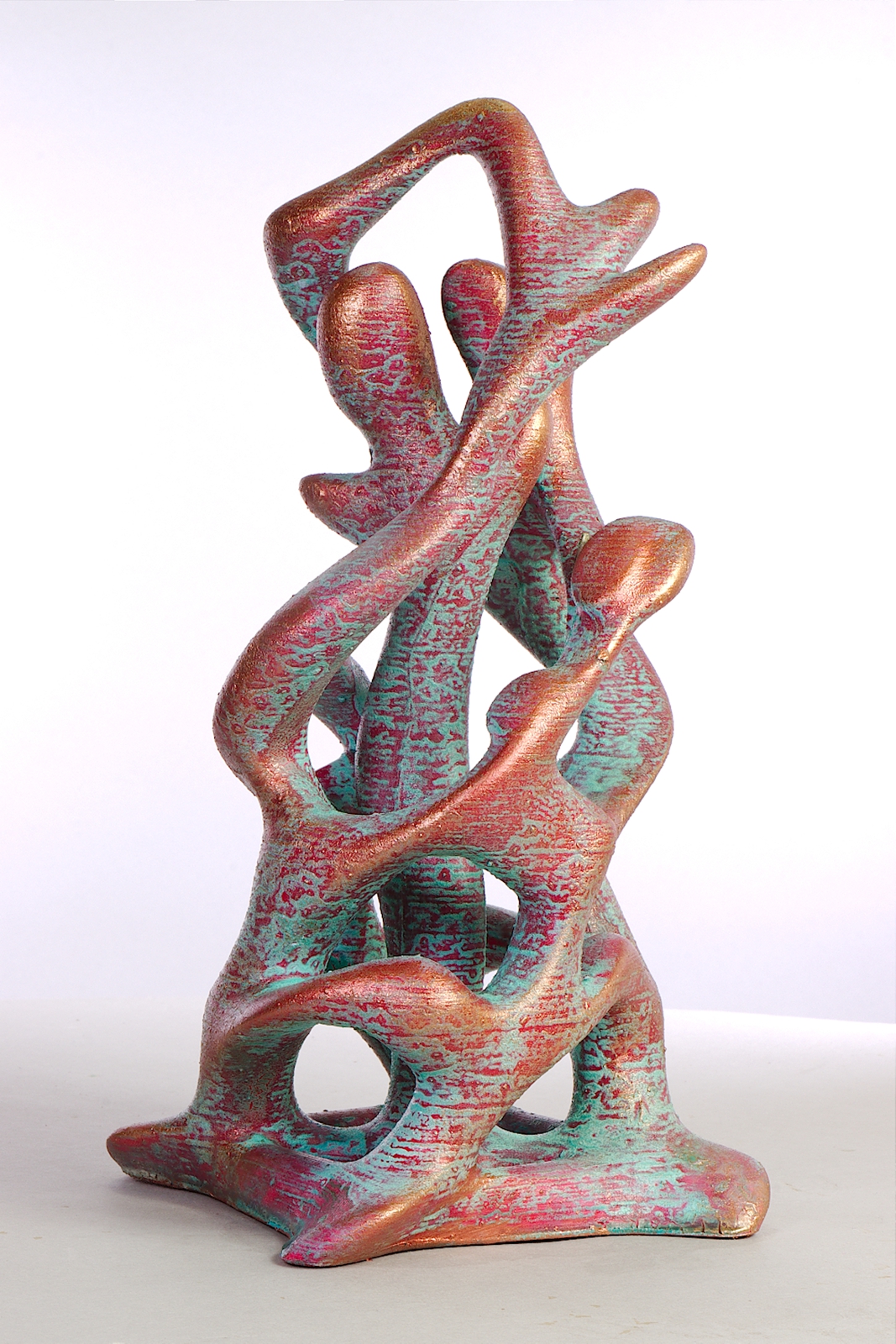
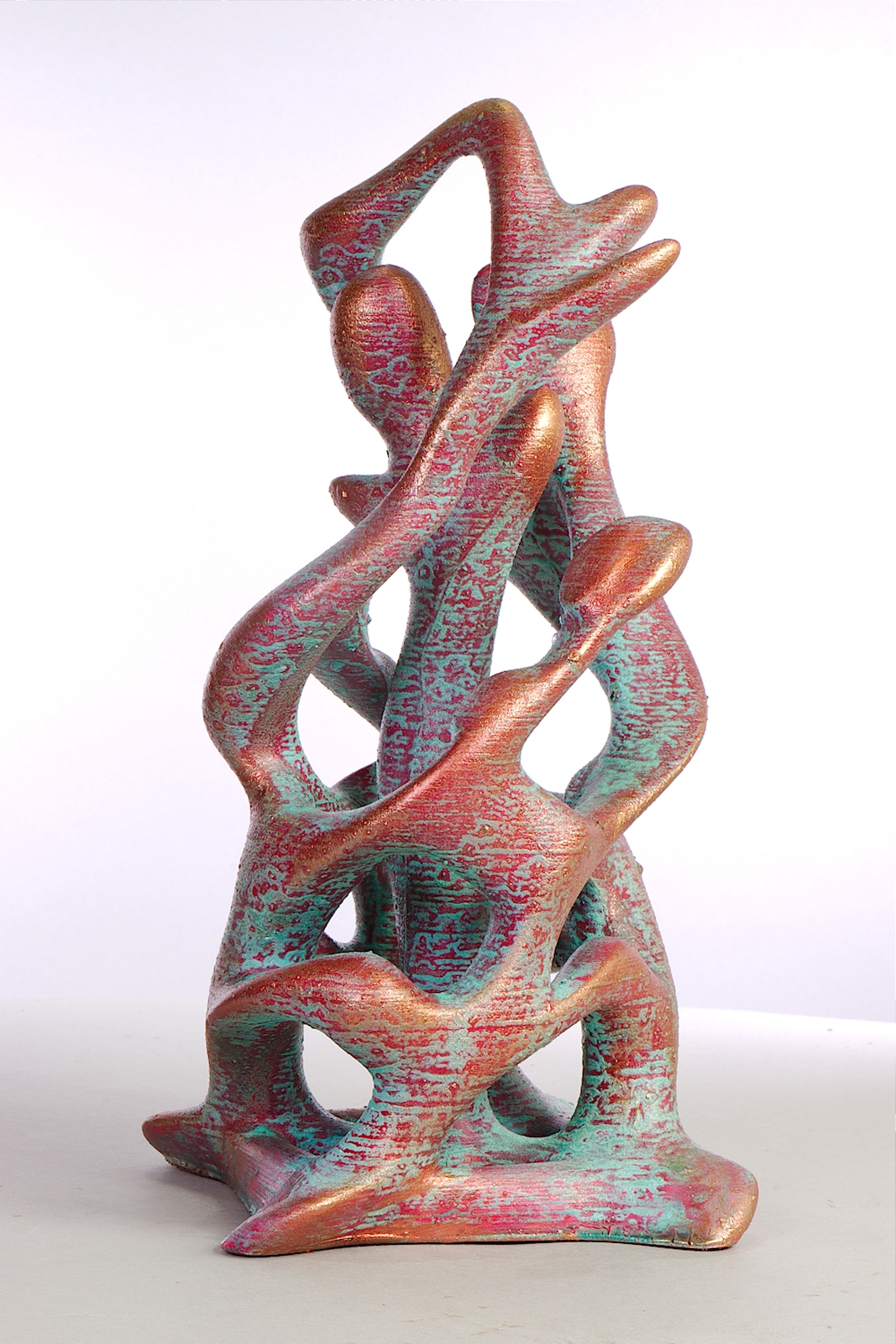
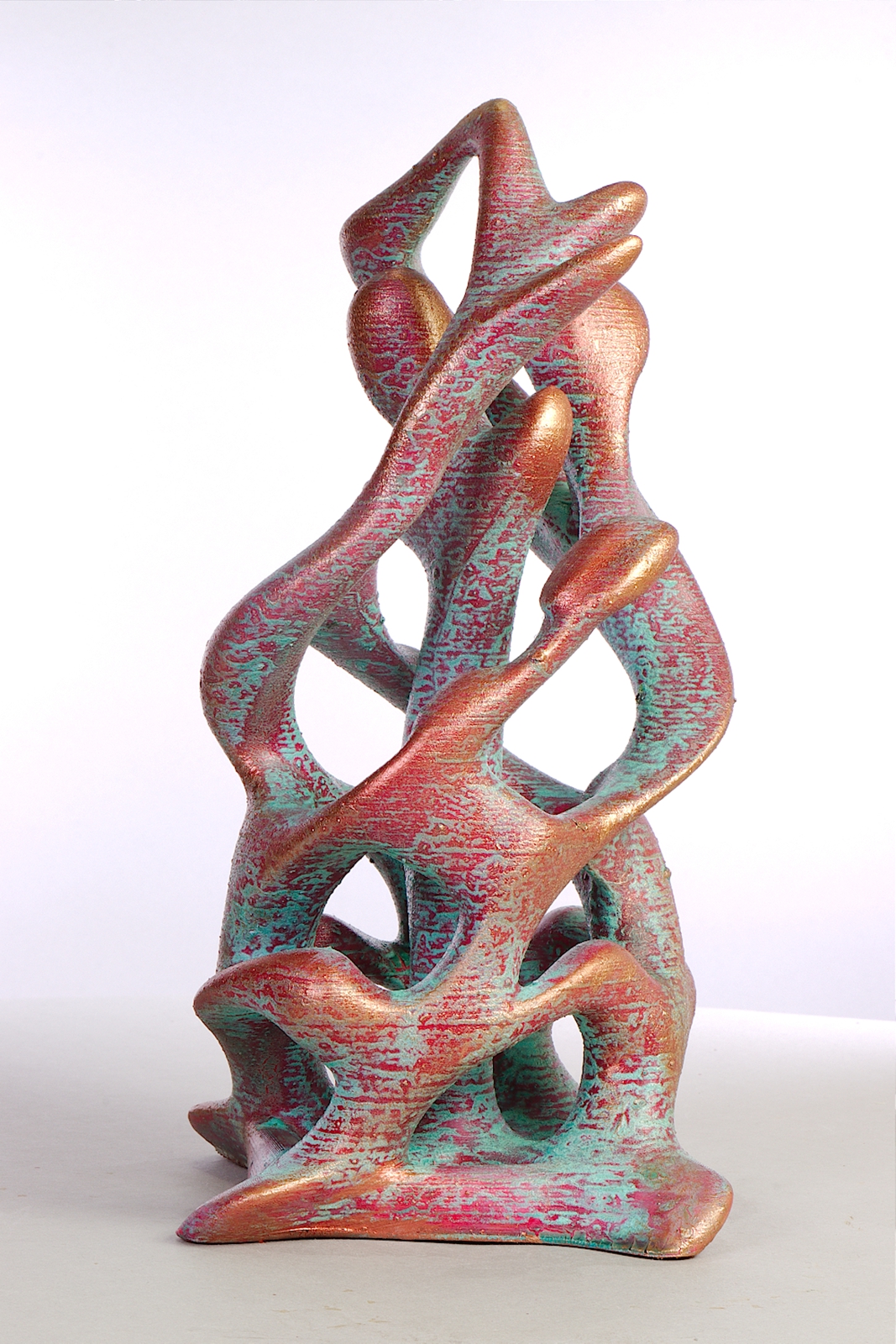
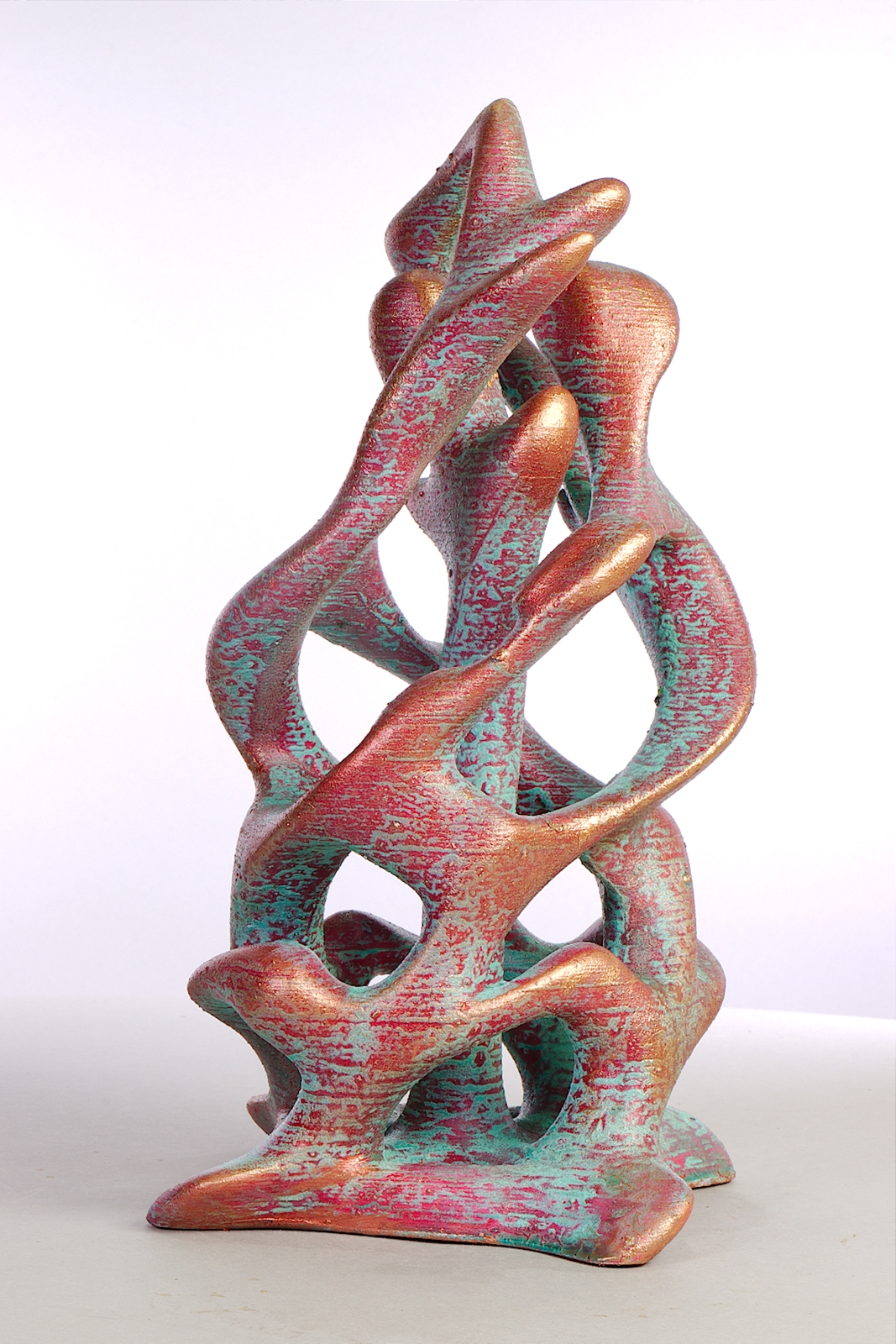
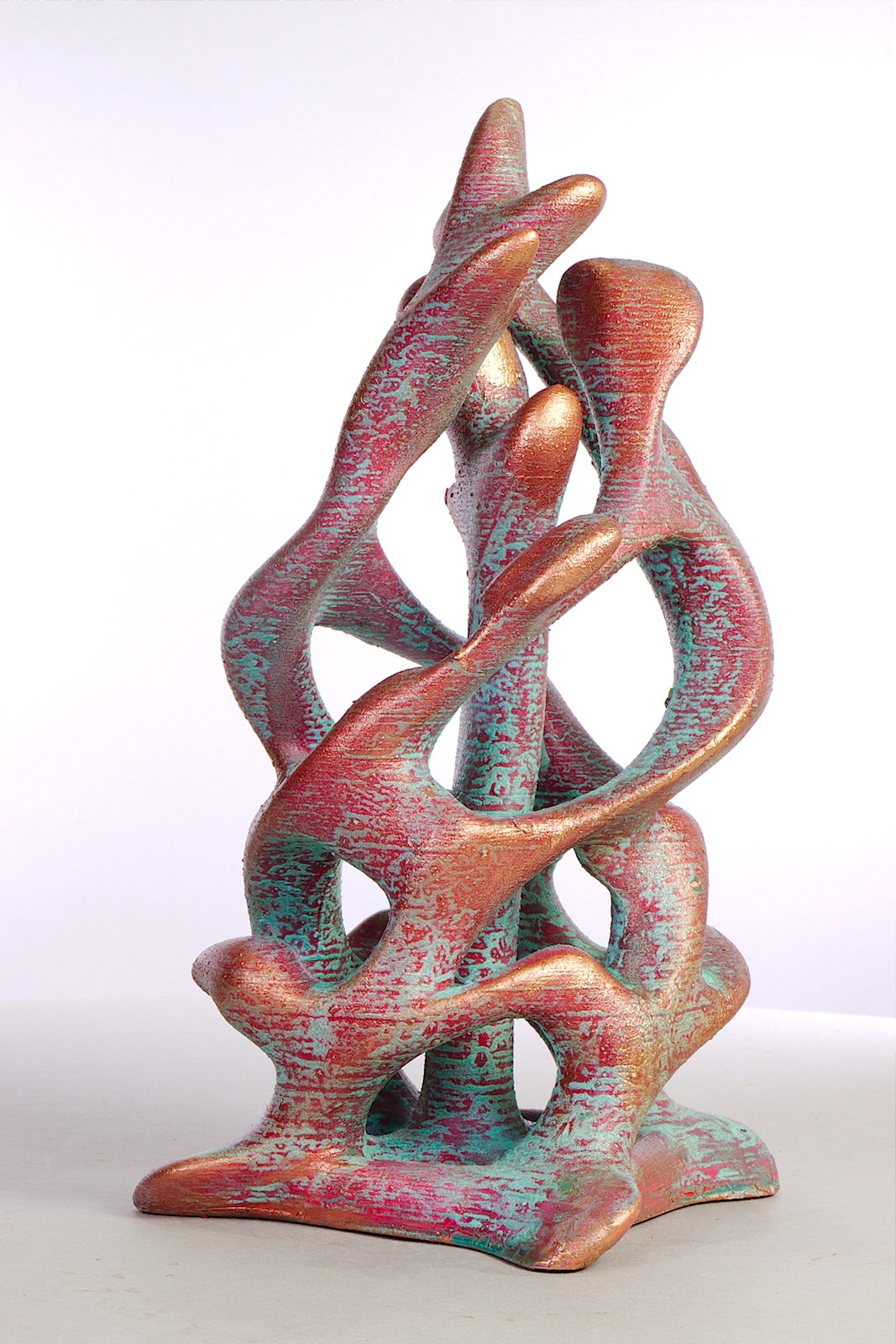
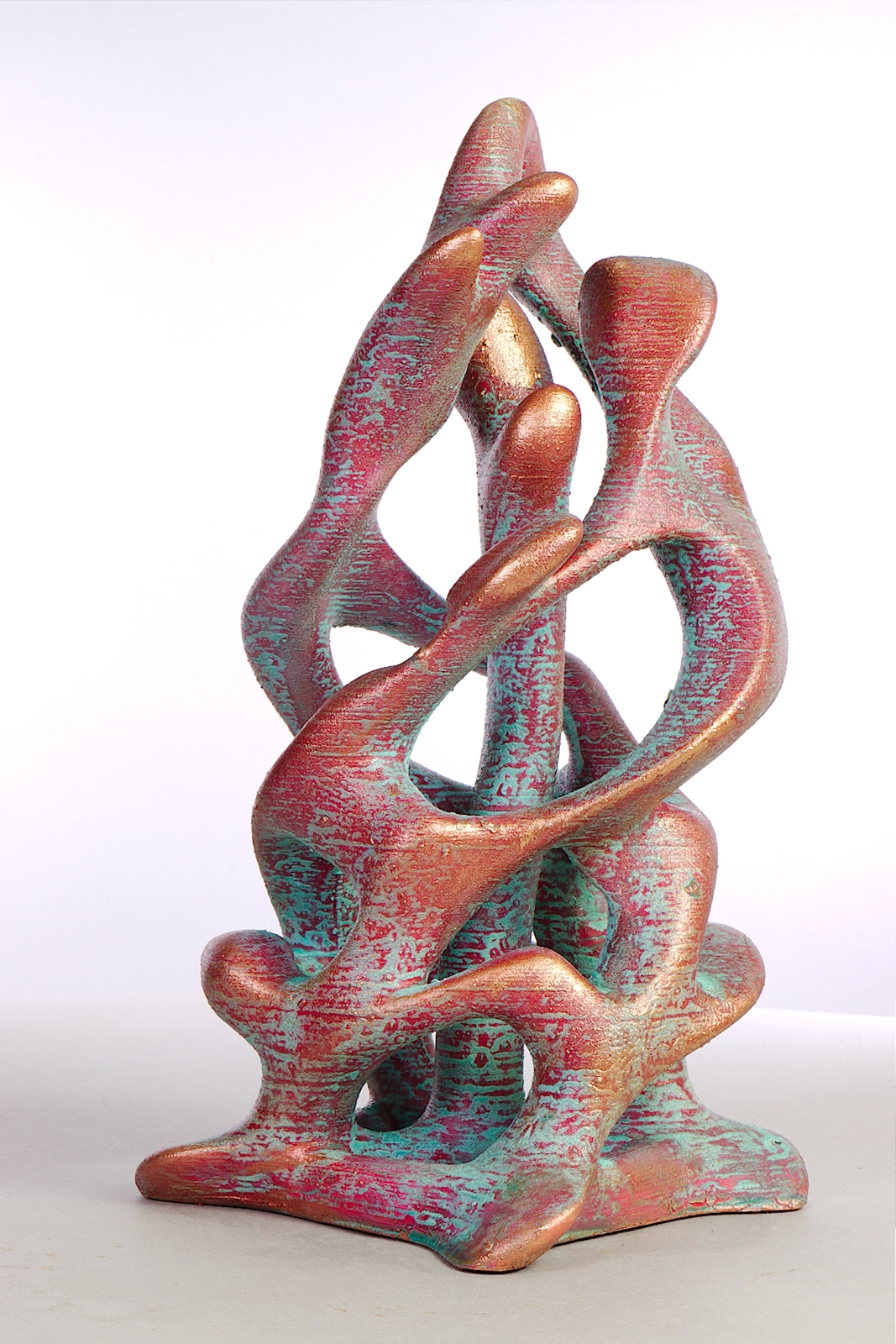
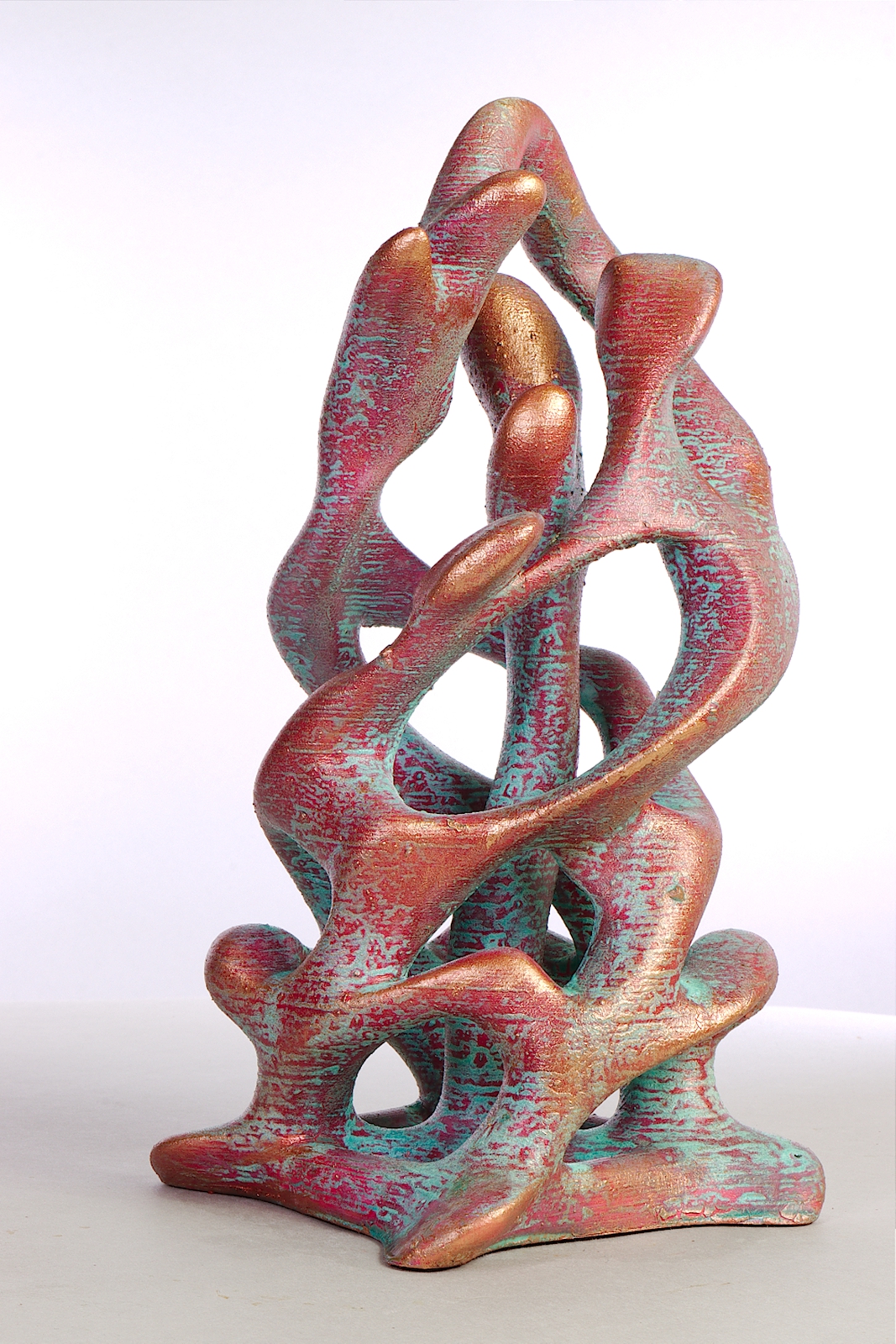
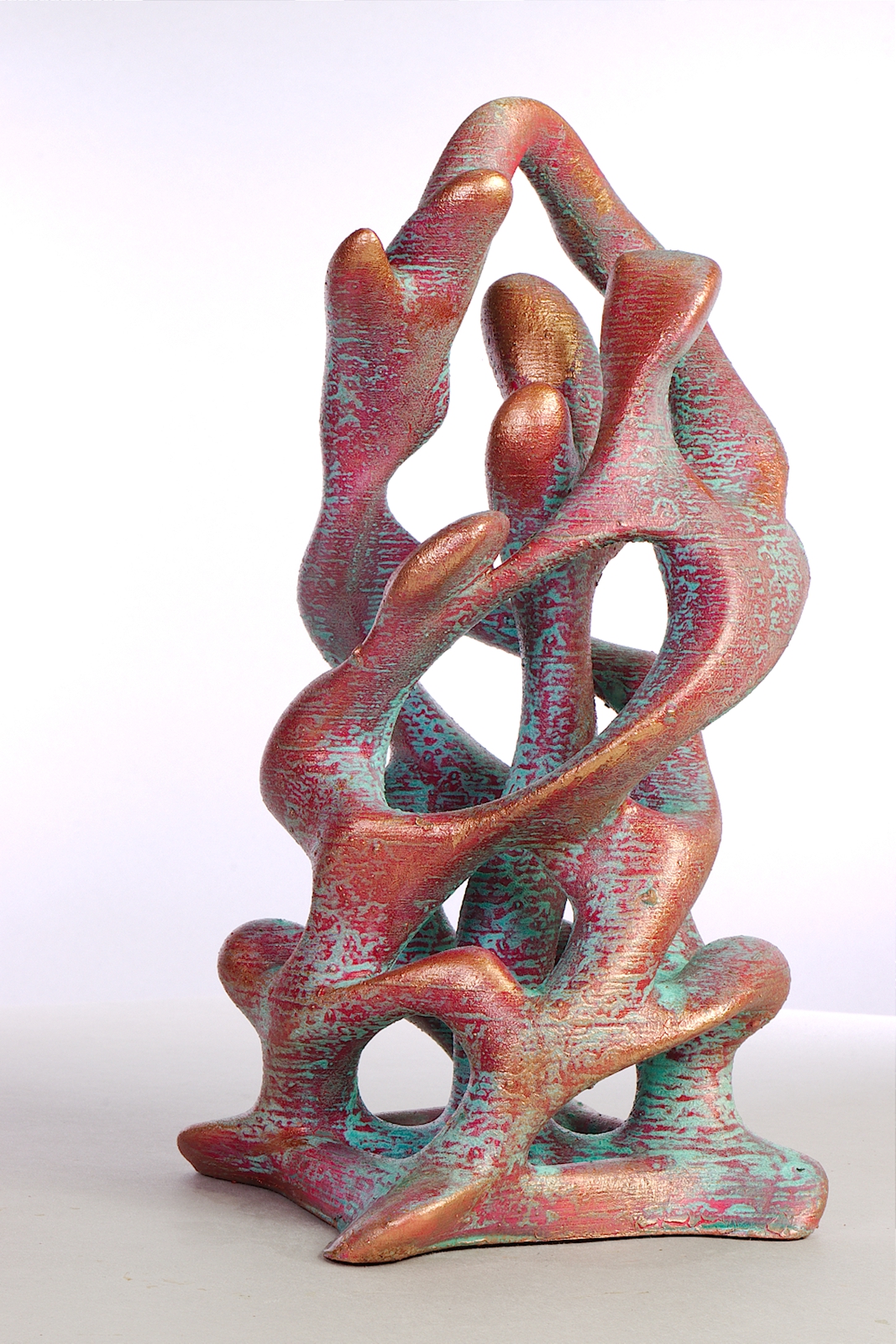
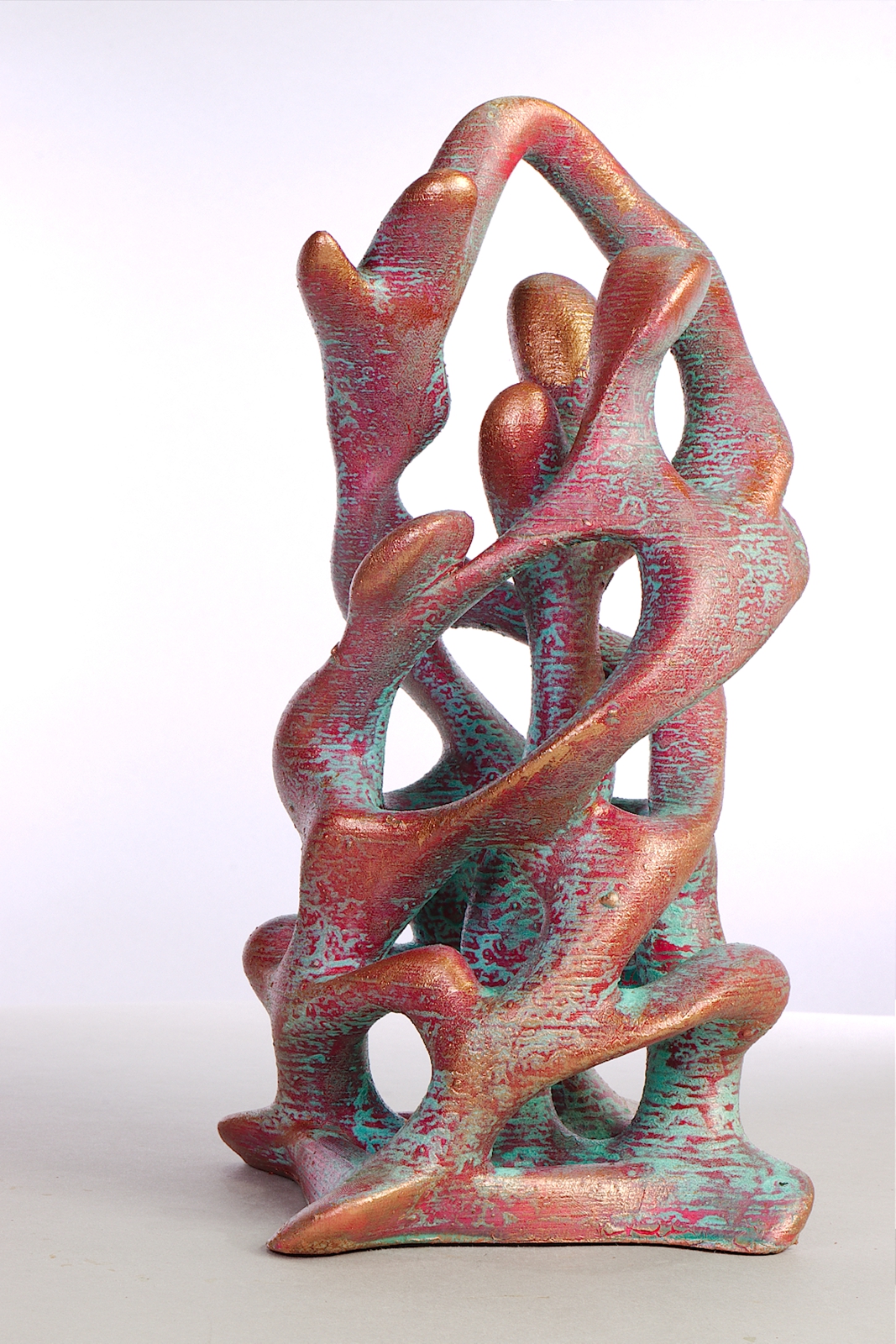
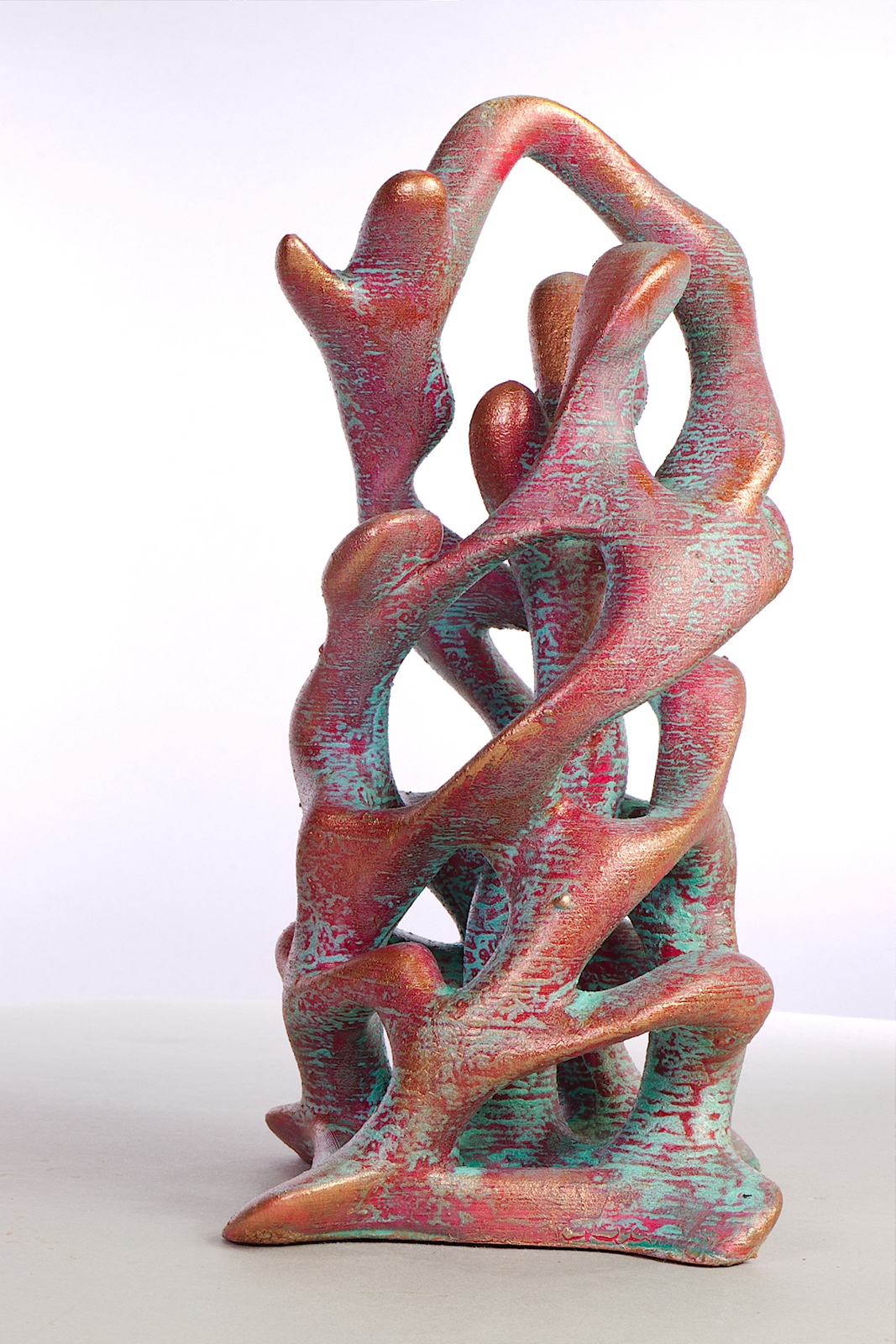
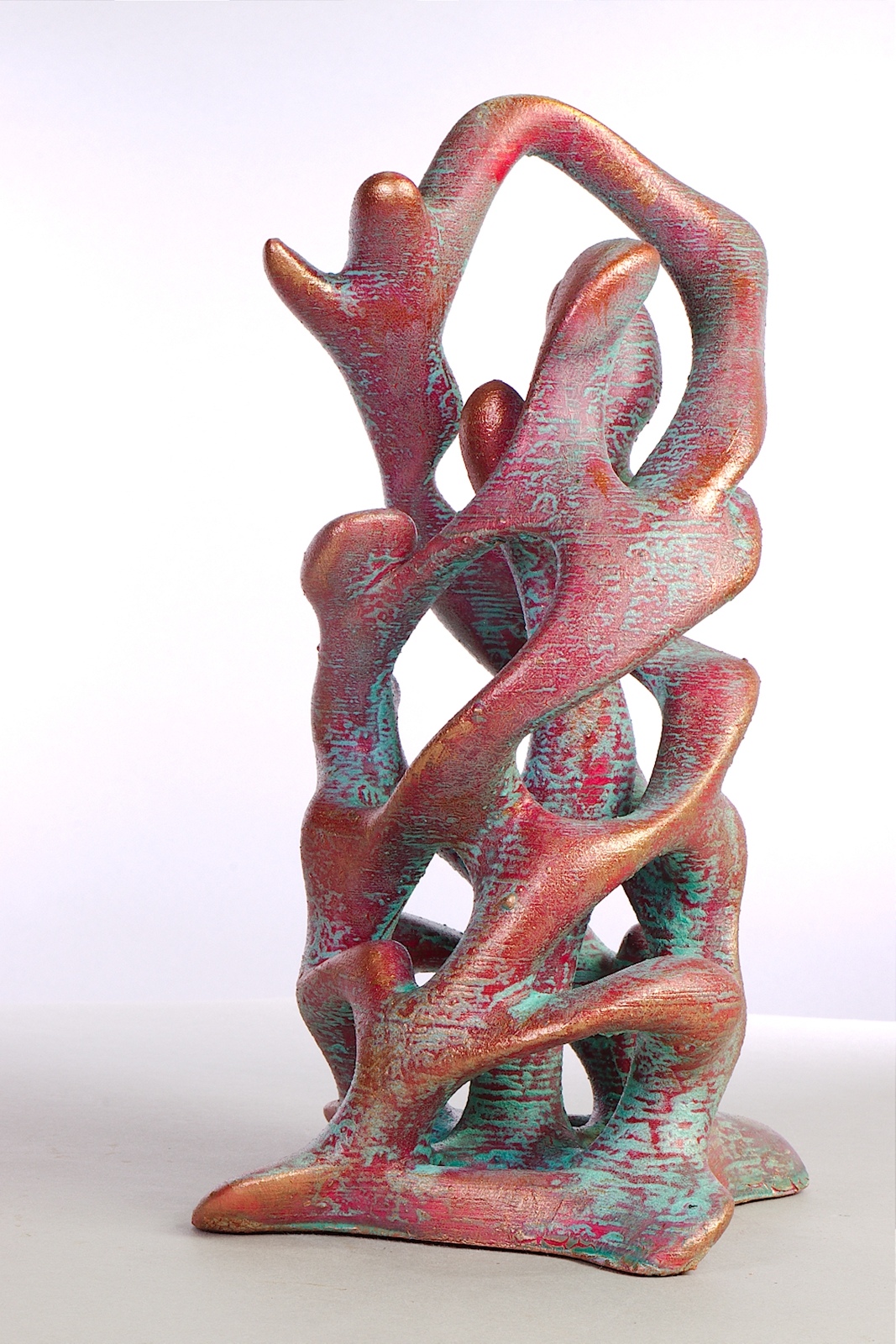
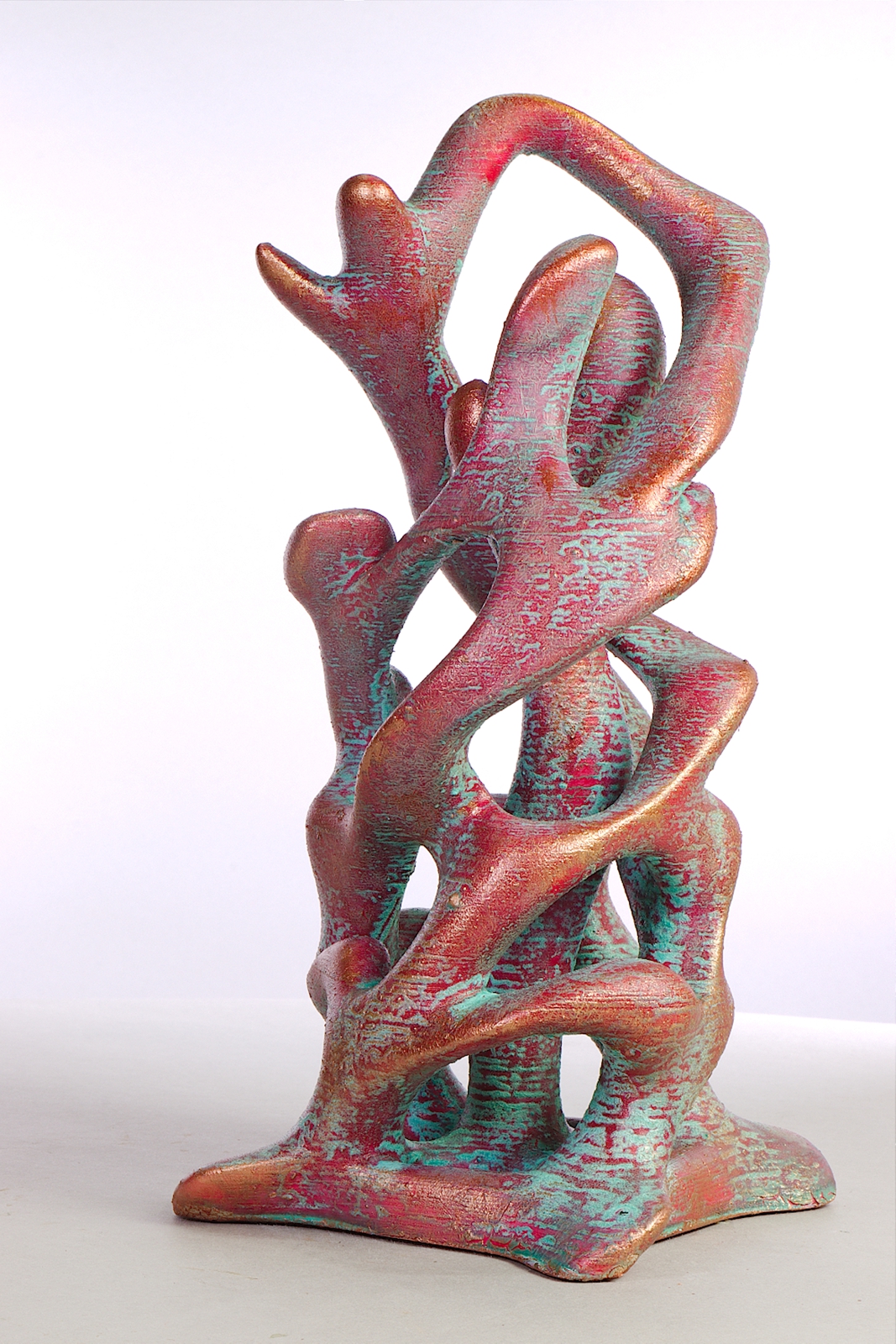
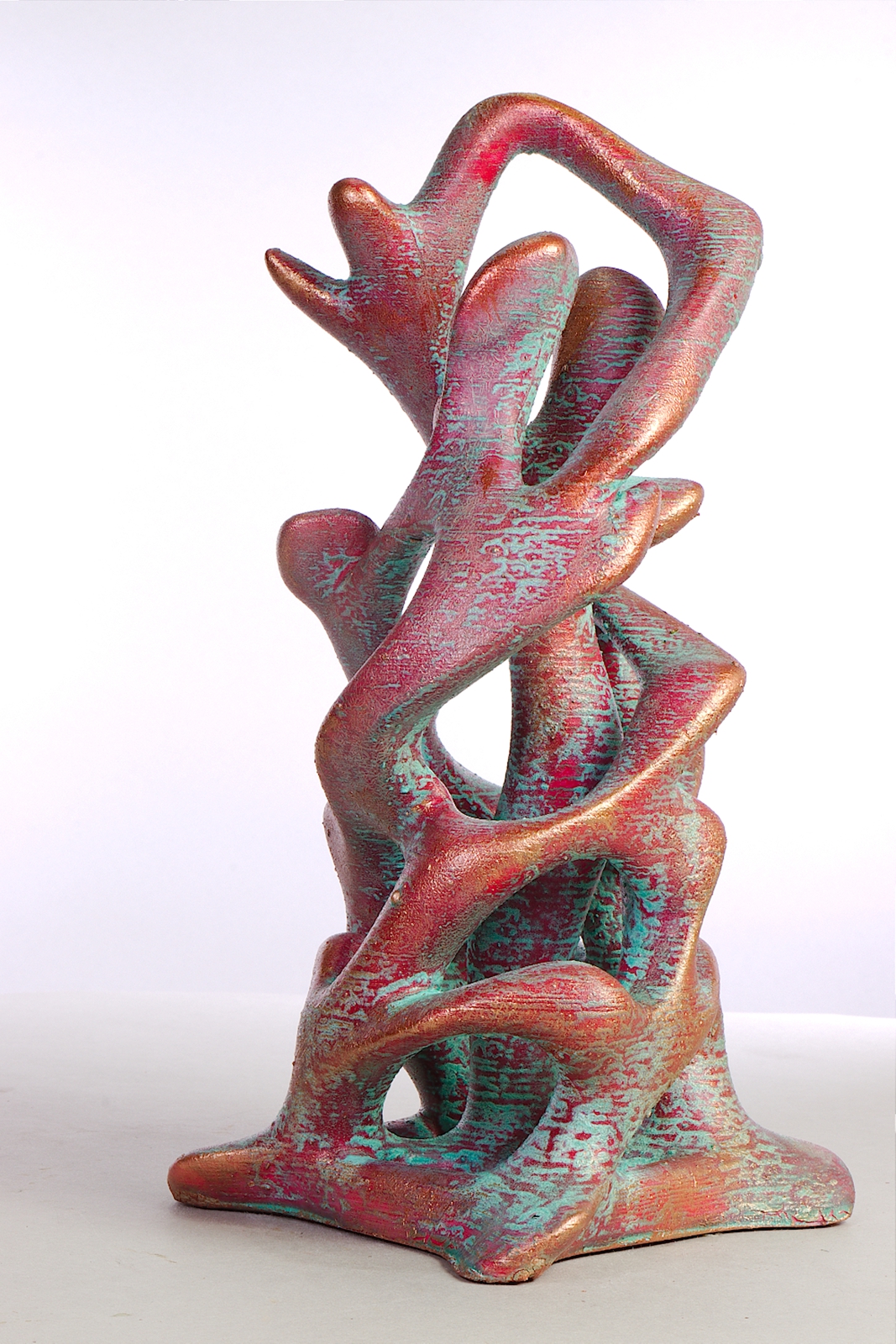
The sculpture titled "Dance of the Corybantes" by sculptor Loeschner-Gornau is an abstract work of art inspired by Greek mythology. The composition depicts several intertwined, abstract forms that evoke human bodies or limbs engaged in dynamic motion. The forms are rendered in a fluid, organic style, featuring numerous curves and contours that create the impression of a wild, high-energy dance.
The surface of the sculpture is irregular and textured, lending it a vibrant and rugged appearance. The coloration is particularly striking: a deep red—or coppery red—dominates the surfaces, punctuated by traces of a bluish or turquoise patina. This patina creates the effect of natural weathering, imbuing the forms with depth and character. In places, a golden tone also shimmers through, lending the entire piece a noble luster. This color palette is reminiscent of ancient bronze artifacts that have acquired a patina over the passage of time.
The composition is vertically oriented, and the sculpture rests upon a broad, flat base; crafted in the same organic visual language as the rest of the work, this base provides stability. The various elements are arranged to overlap, interpenetrate, and intertwine, thereby generating a sense of movement and intensity. Numerous voids and apertures exist between the intertwined sections, capturing the light and casting shadows that serve to heighten the sculpture's three-dimensional effect.
Overall, the sculpture radiates a powerful—yet also somewhat mystical—energy, appearing to embody the wild nature of the mythical Dance of the Corybantes.