paintings
paintings
paintings
paintings
paintings
paintings
paintings
paintings
paintings
paintings
paintings
paintings
paintings
paintings
paintings
paintings
paintings
paintings
paintings
paintings
paintings
paintings
paintings
paintings
paintings
paintings
paintings
paintings
paintings
paintings
paintings
paintings
paintings
paintings
paintings
paintings
paintings
paintings
paintings
paintings
paintings
paintings
paintings
paintings
paintings
paintings
paintings
paintings
paintings
paintings
paintings
paintings
paintings
paintings
paintings
paintings
paintings
paintings
paintings
paintings
paintings
paintings
paintings
paintings
paintings
paintings
paintings
paintings
paintings
paintings
paintings
paintings
paintings
paintings
paintings
paintings
paintings
paintings
paintings
paintings
paintings
paintings
paintings
paintings
paintings
paintings
paintings
paintings
paintings
paintings
paintings
paintings
paintings
paintings
paintings
paintings
paintings
paintings
paintings
paintings
Andreas Löschner-Gornau, Professor Emeritus of Fine Arts
"Philemon and Baucis" PLA (bio-based plastic),electroplated with copper, patinated/ Click here to buy
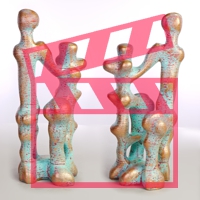
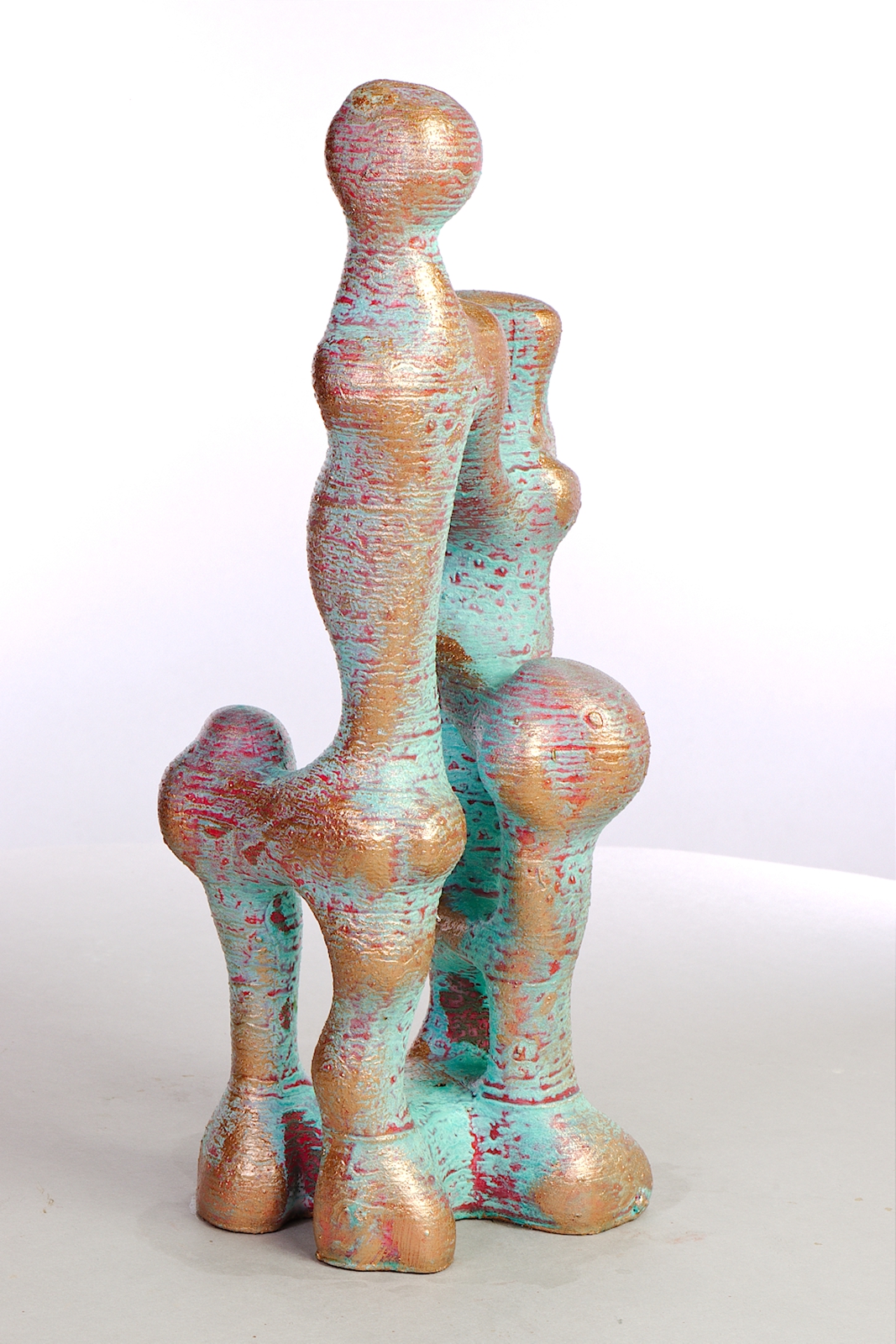
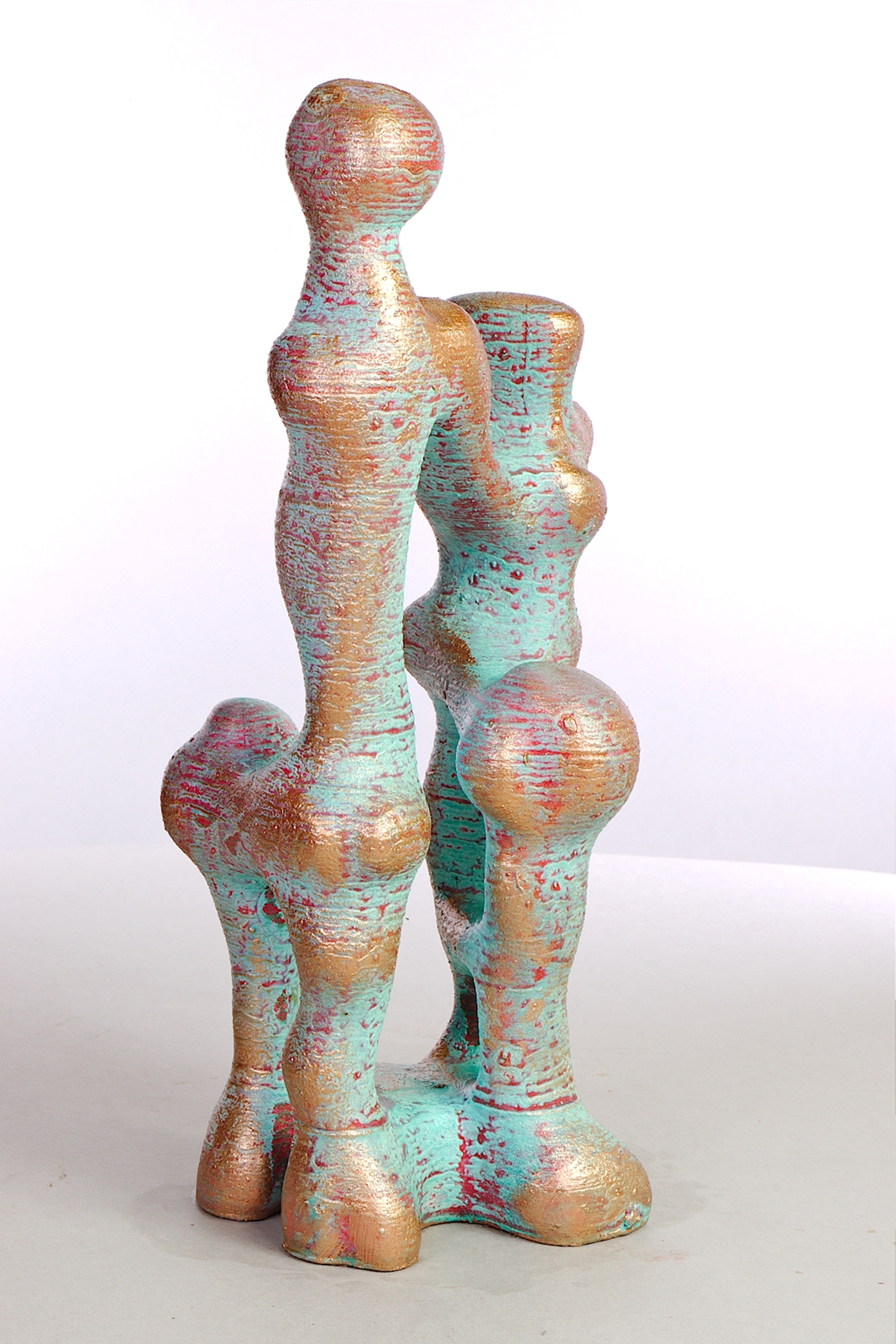
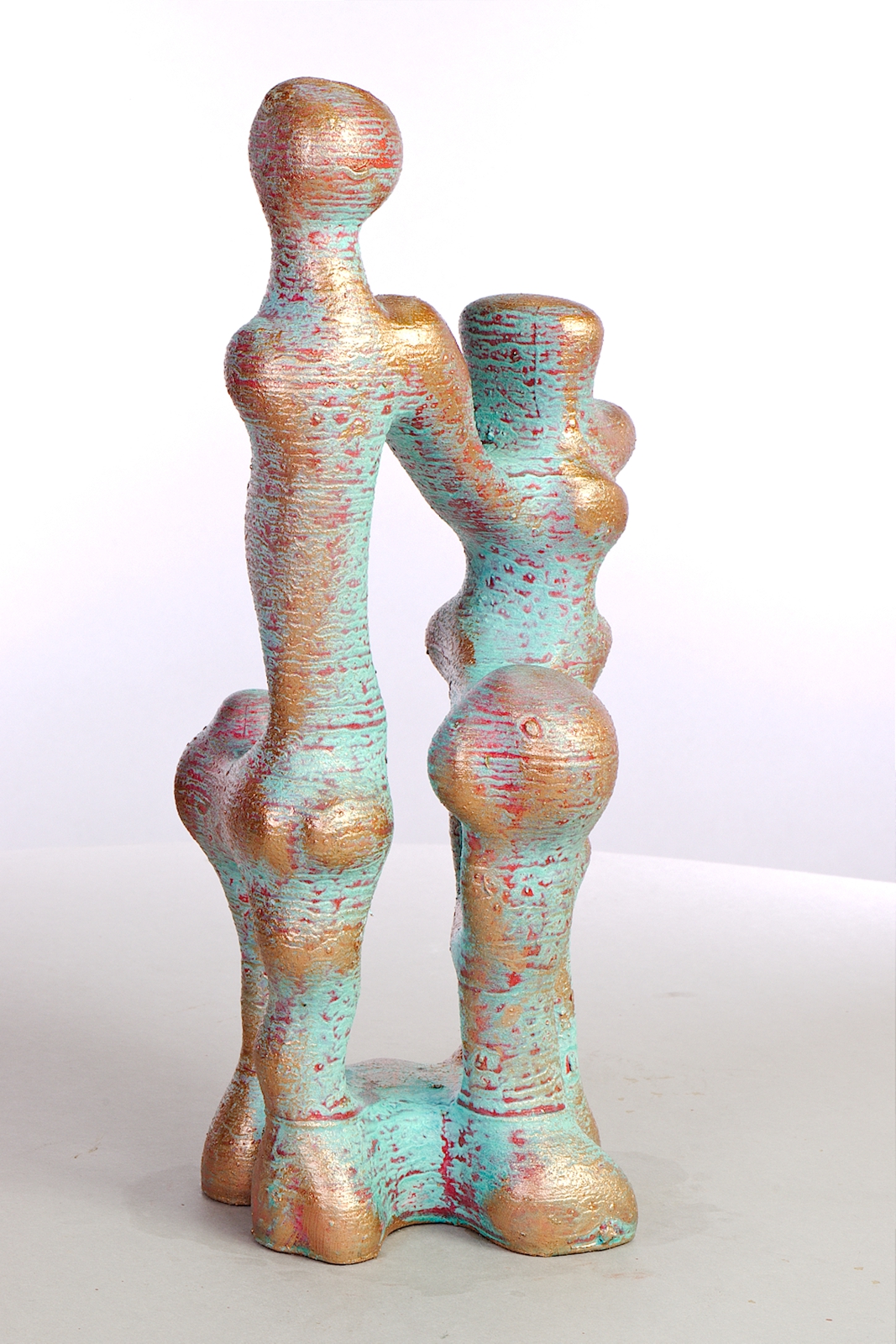
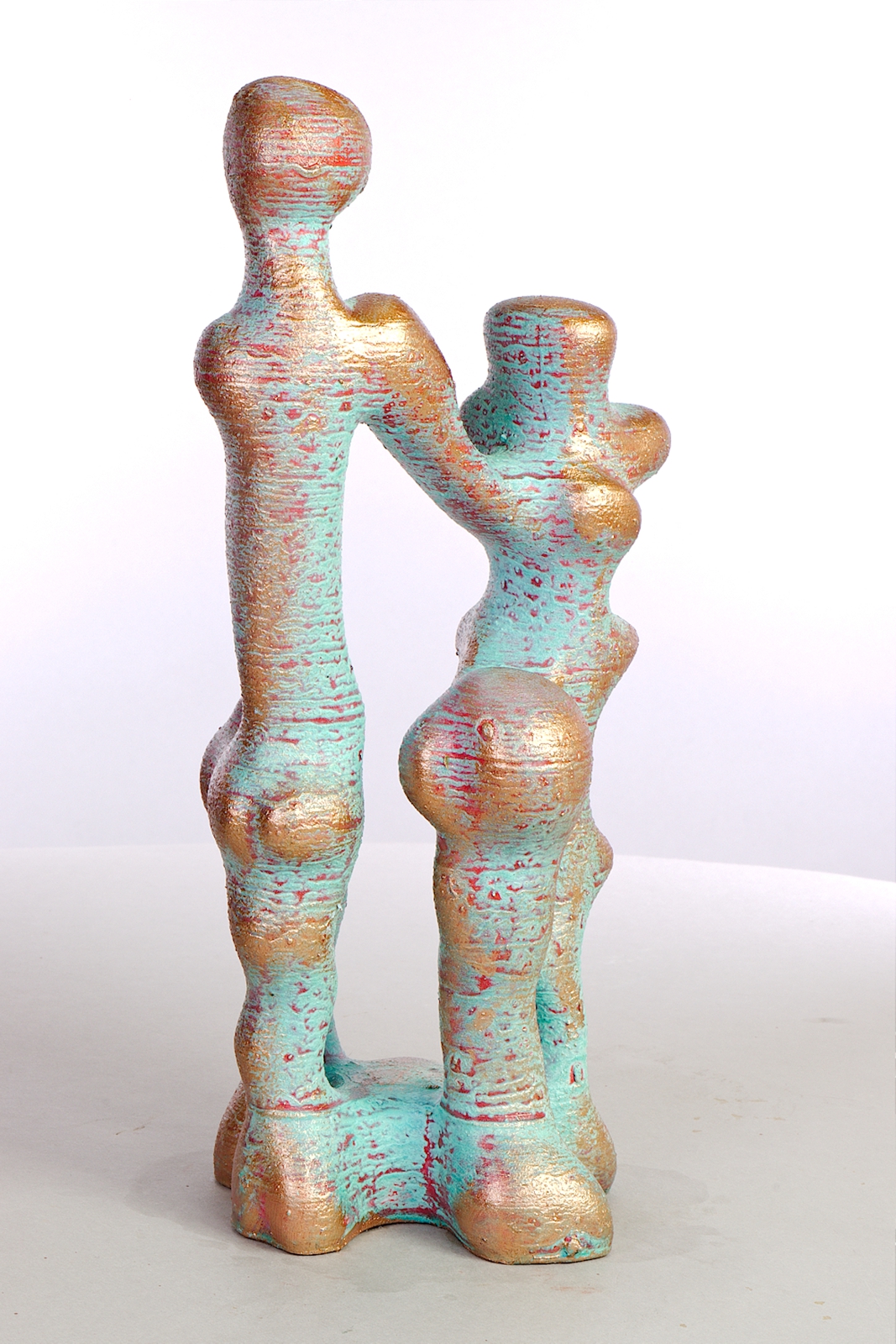
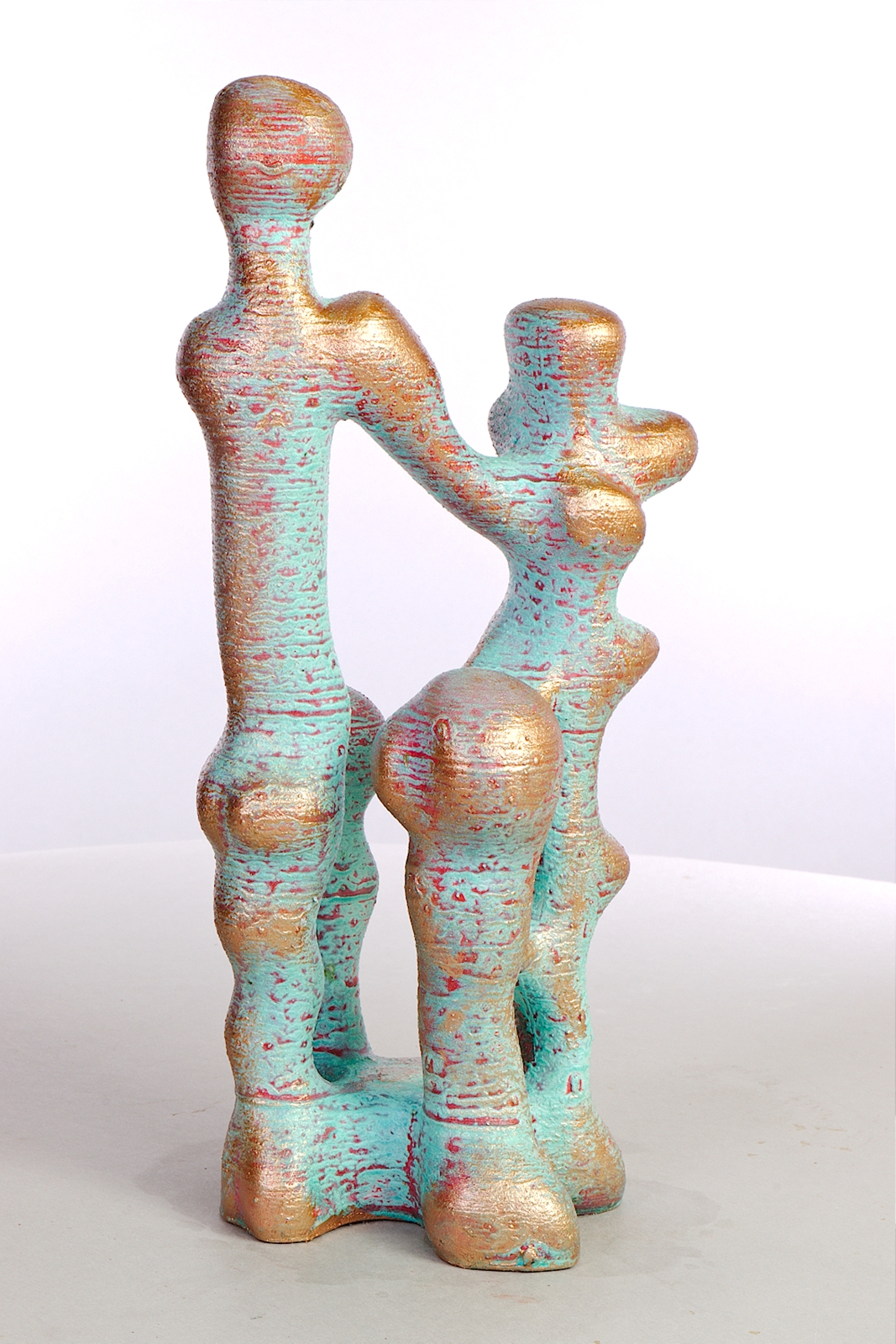
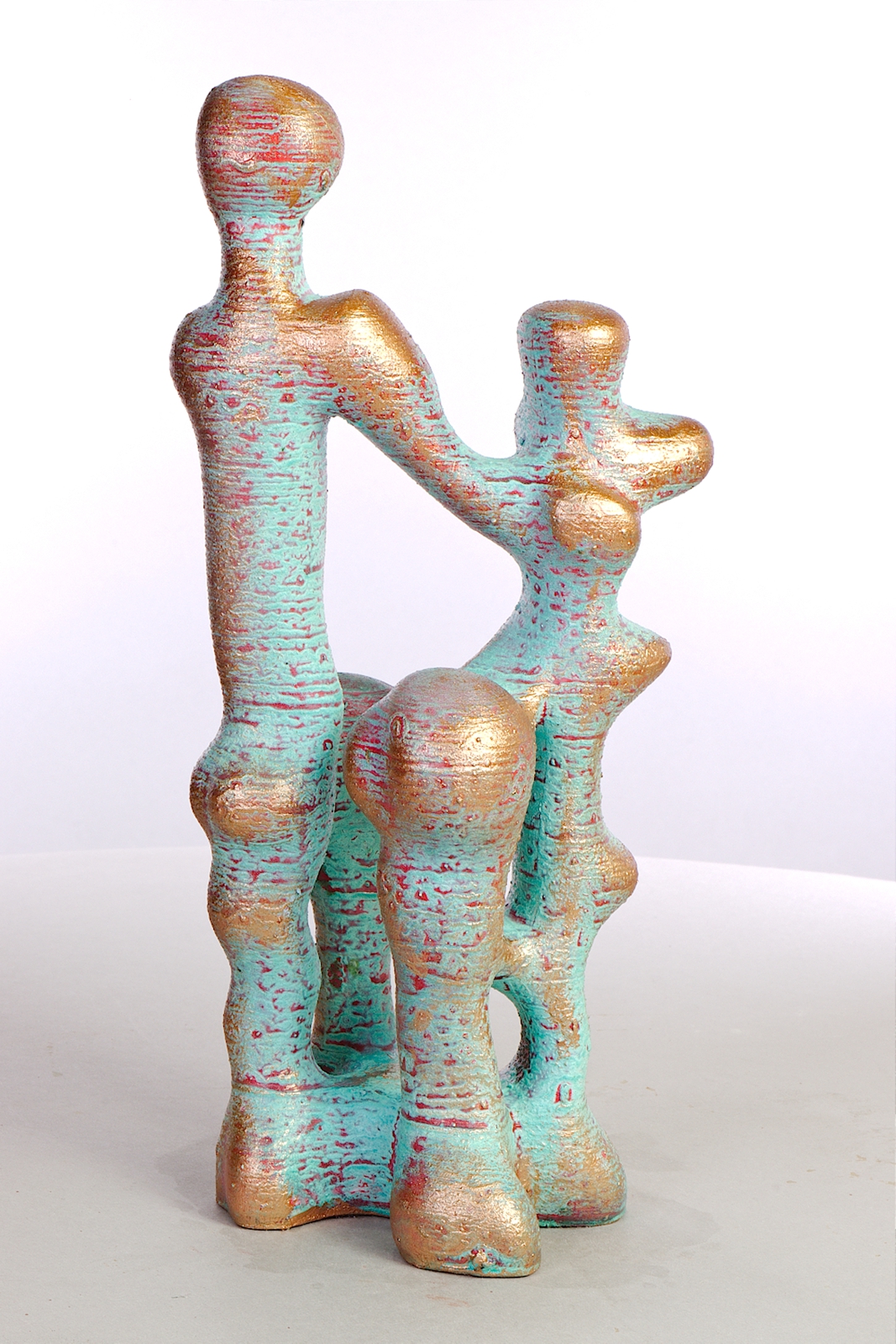

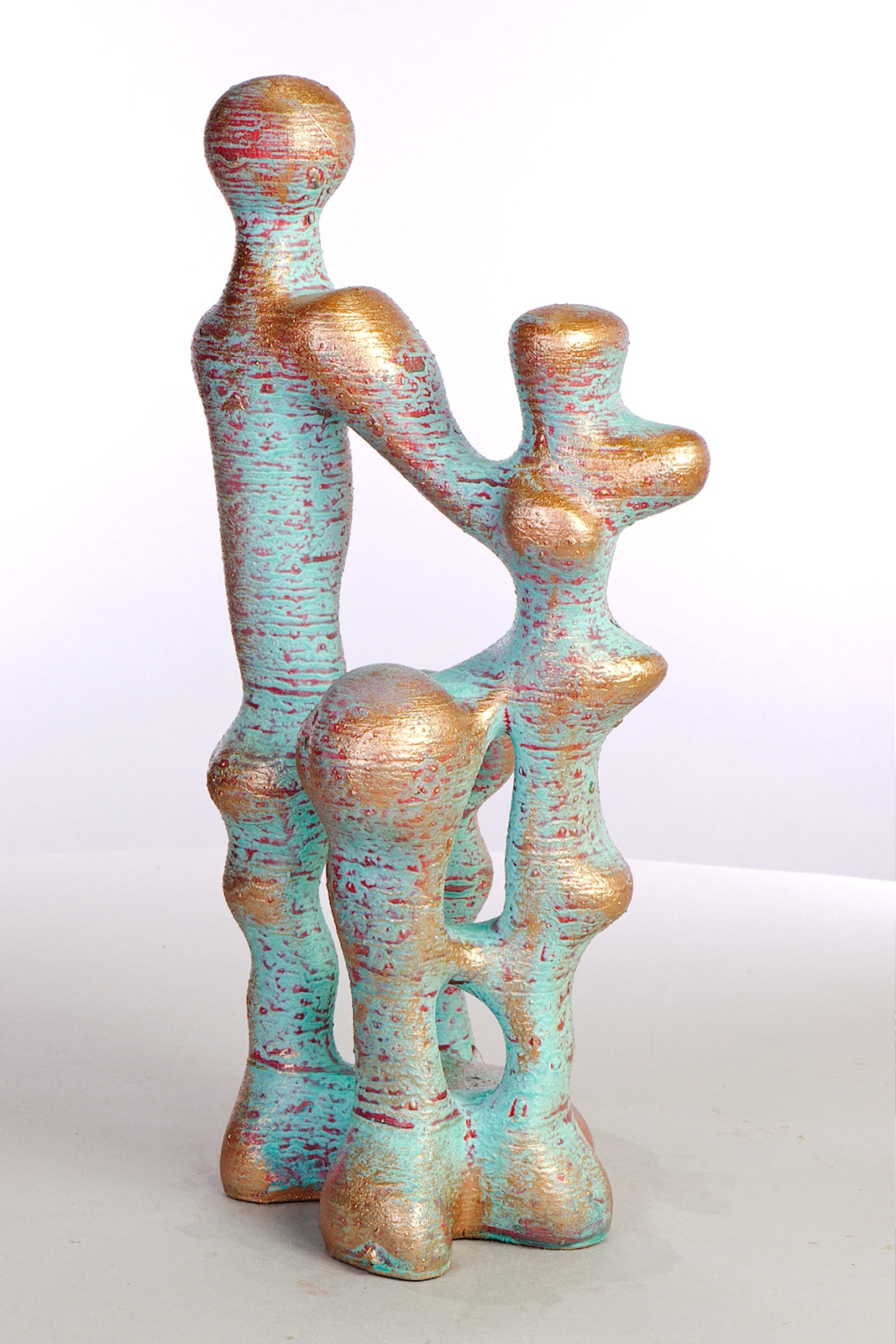
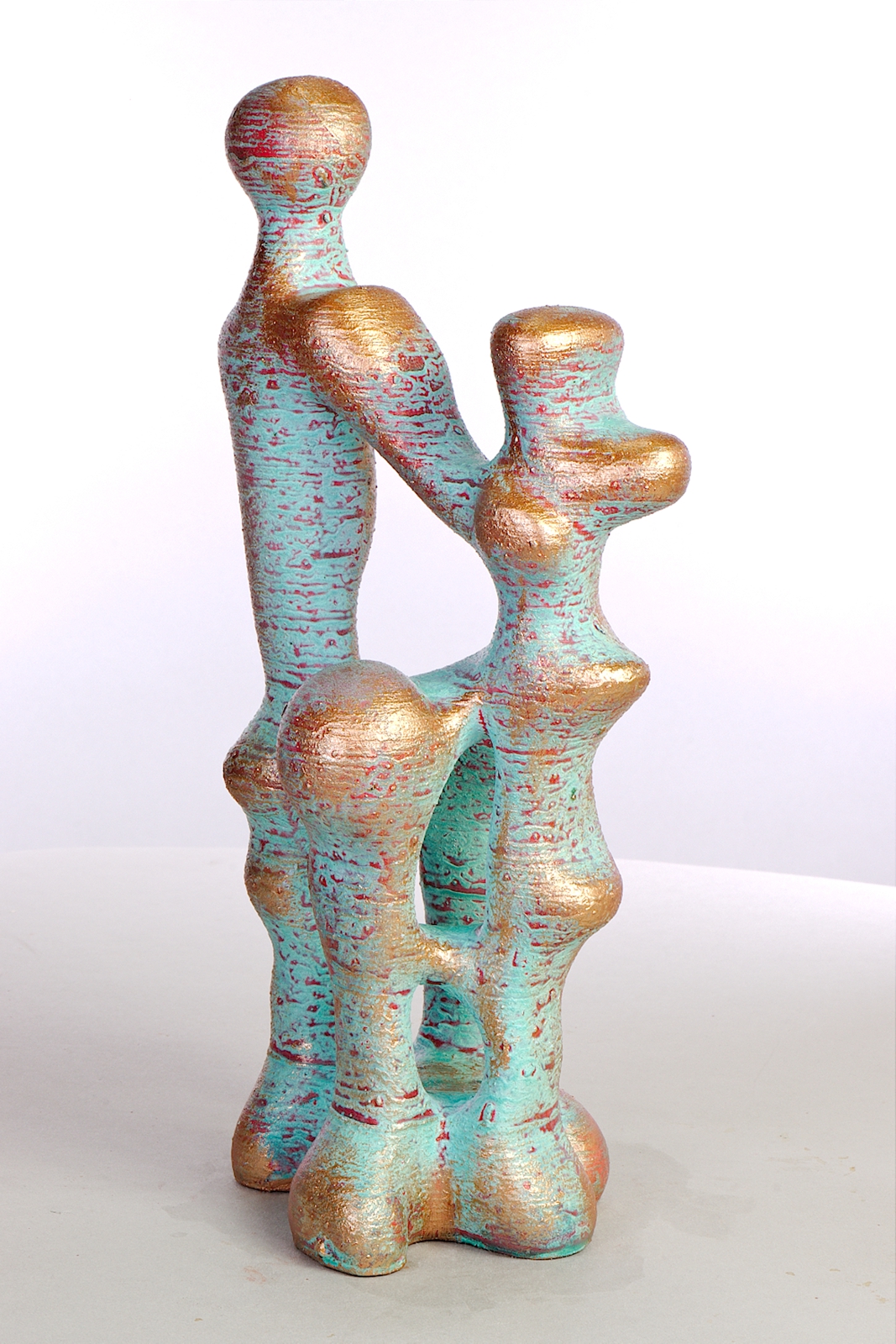
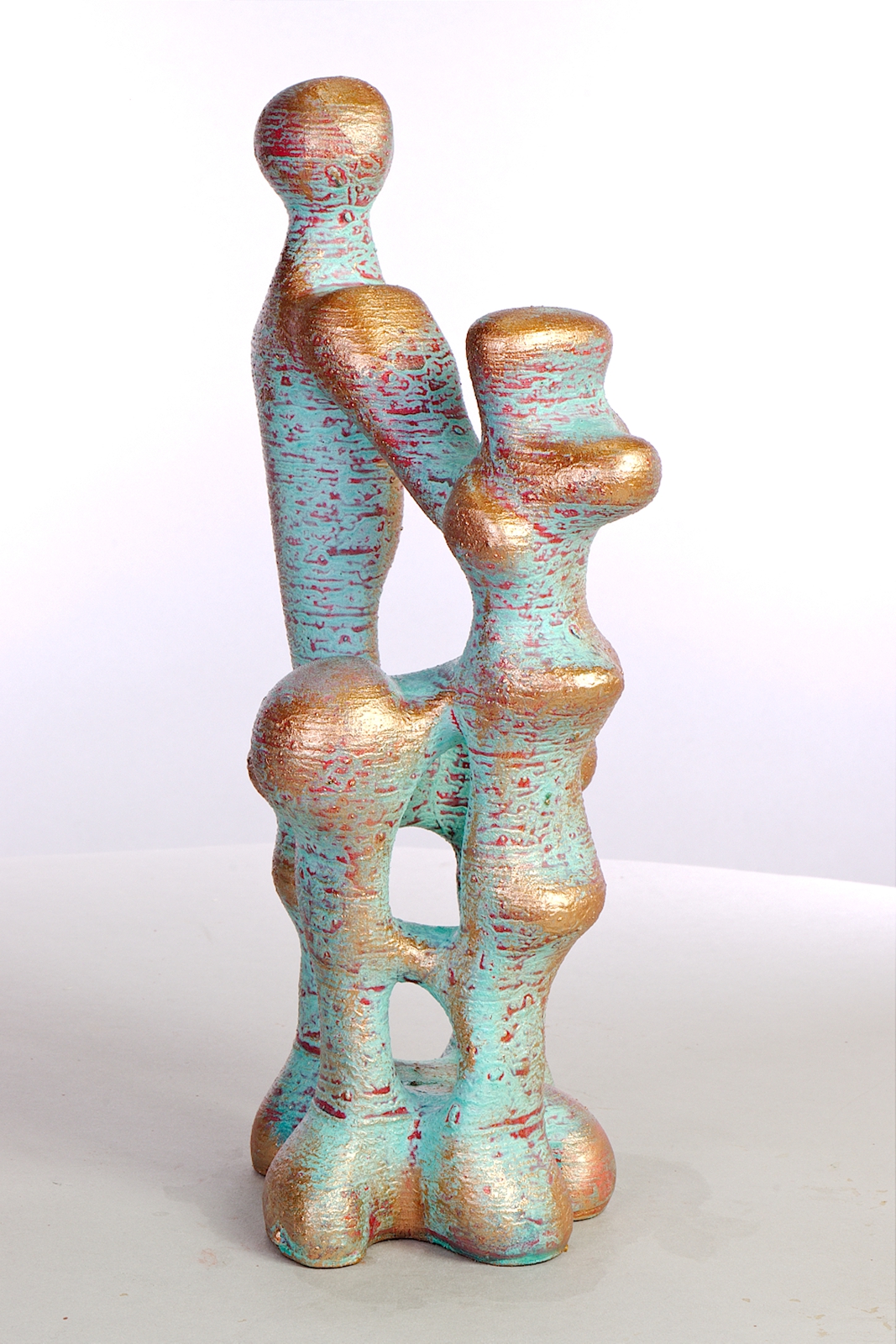
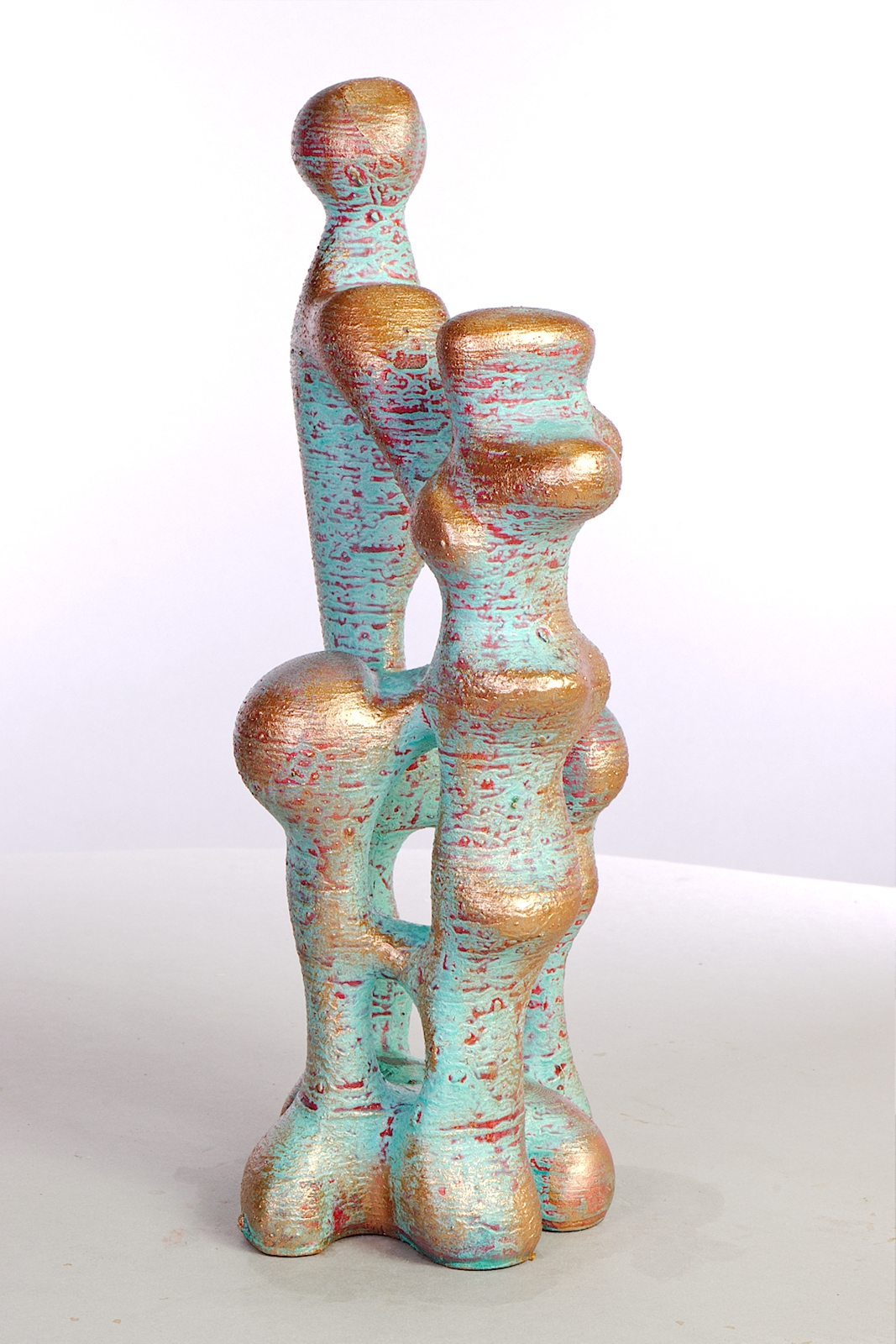
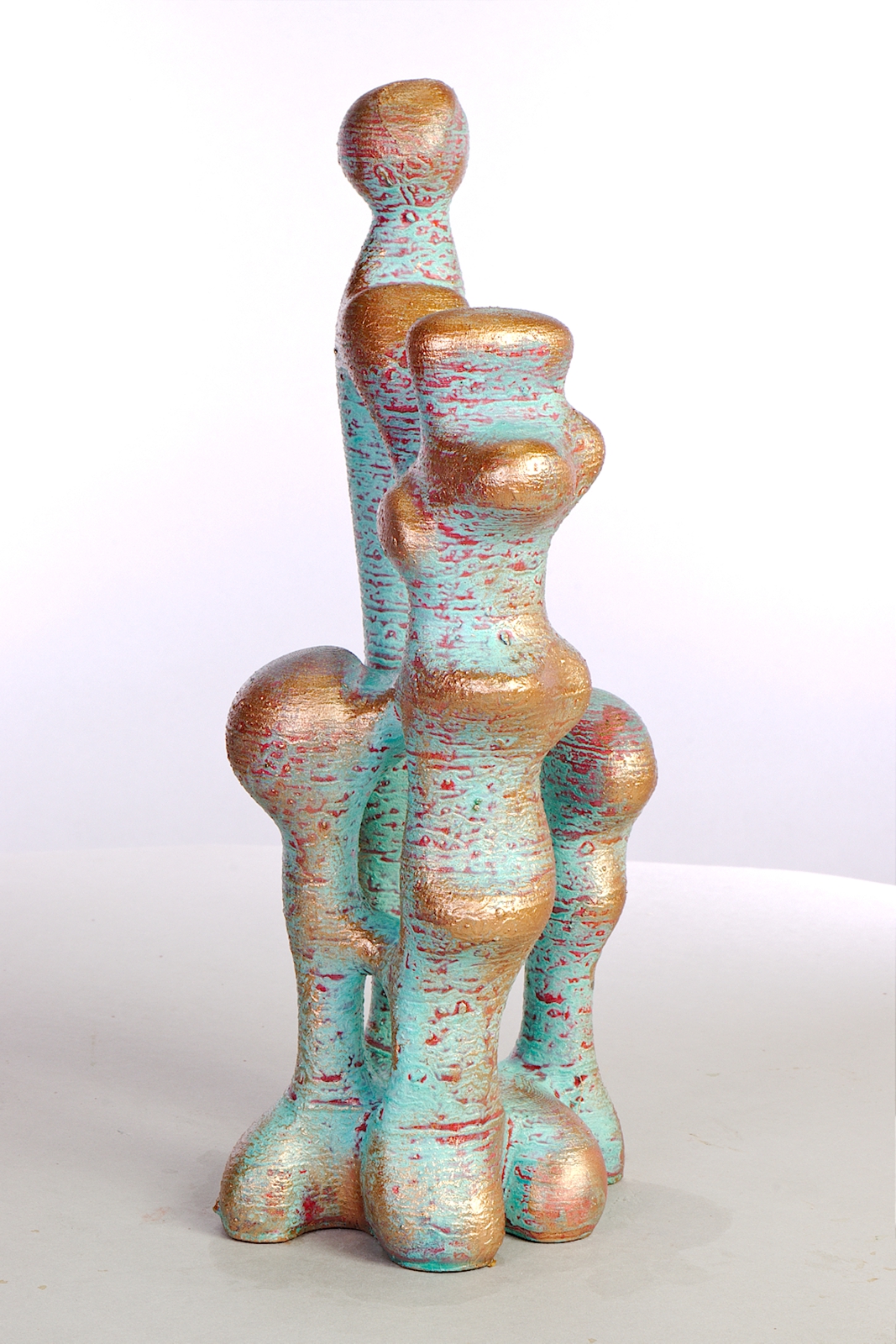
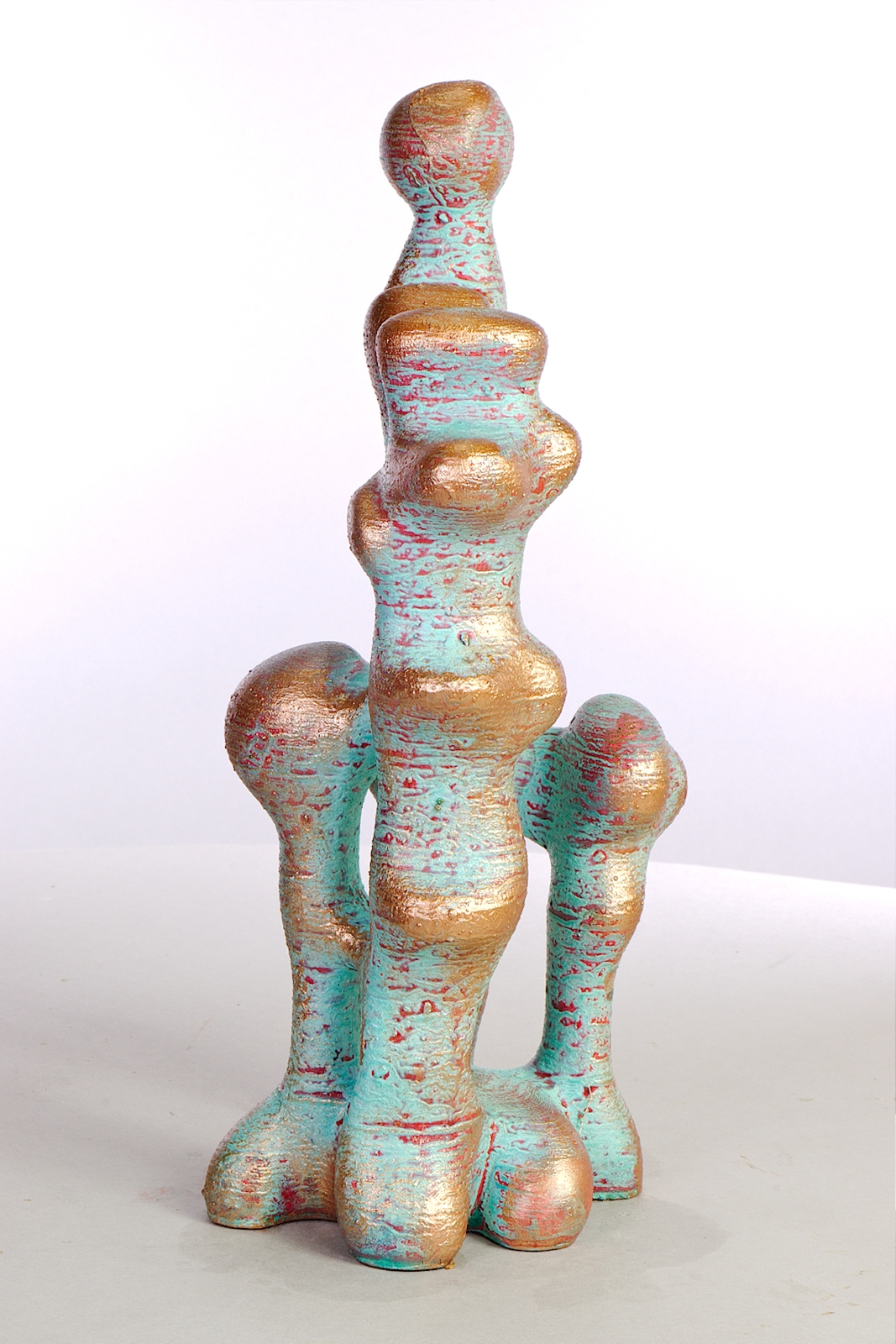
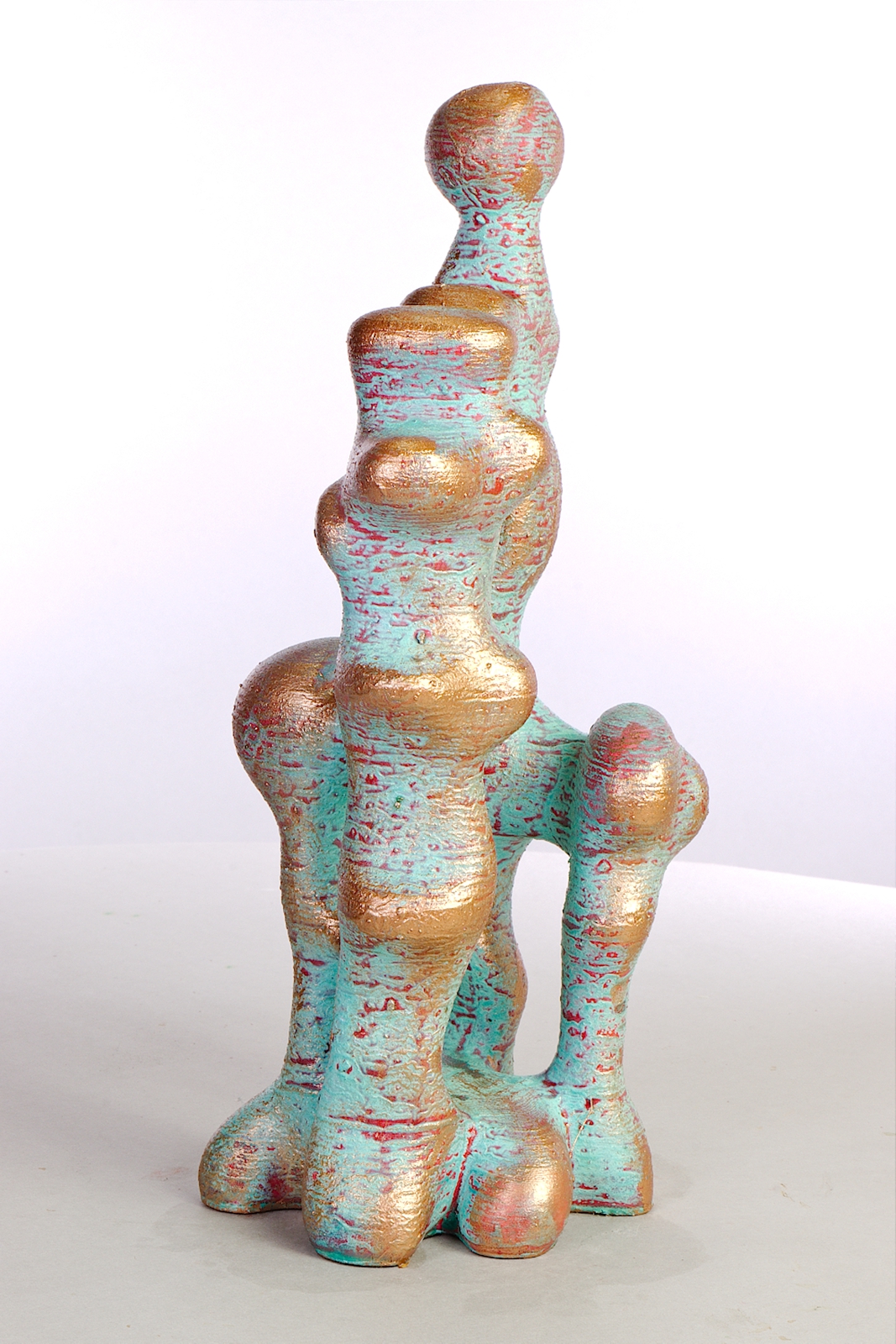
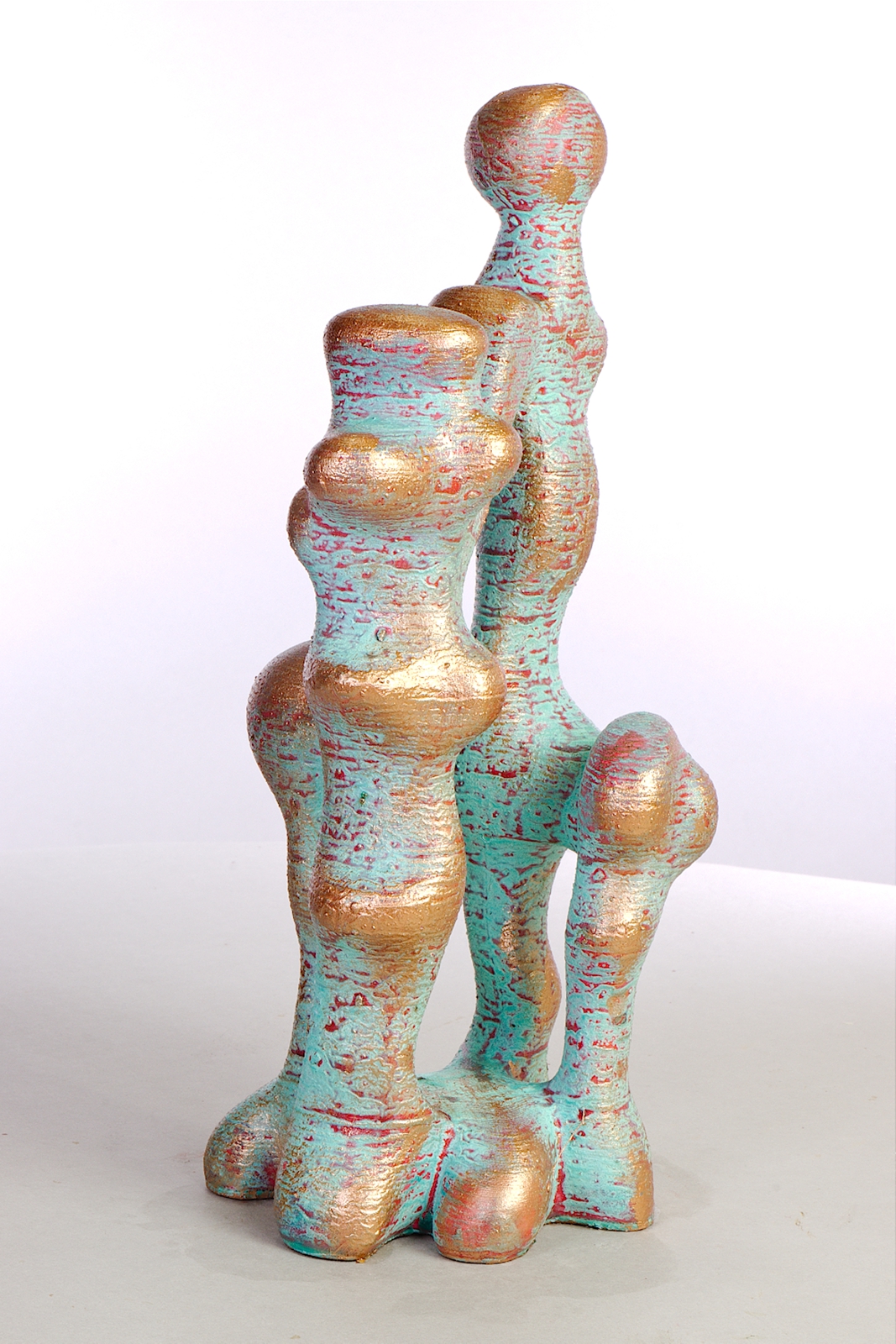
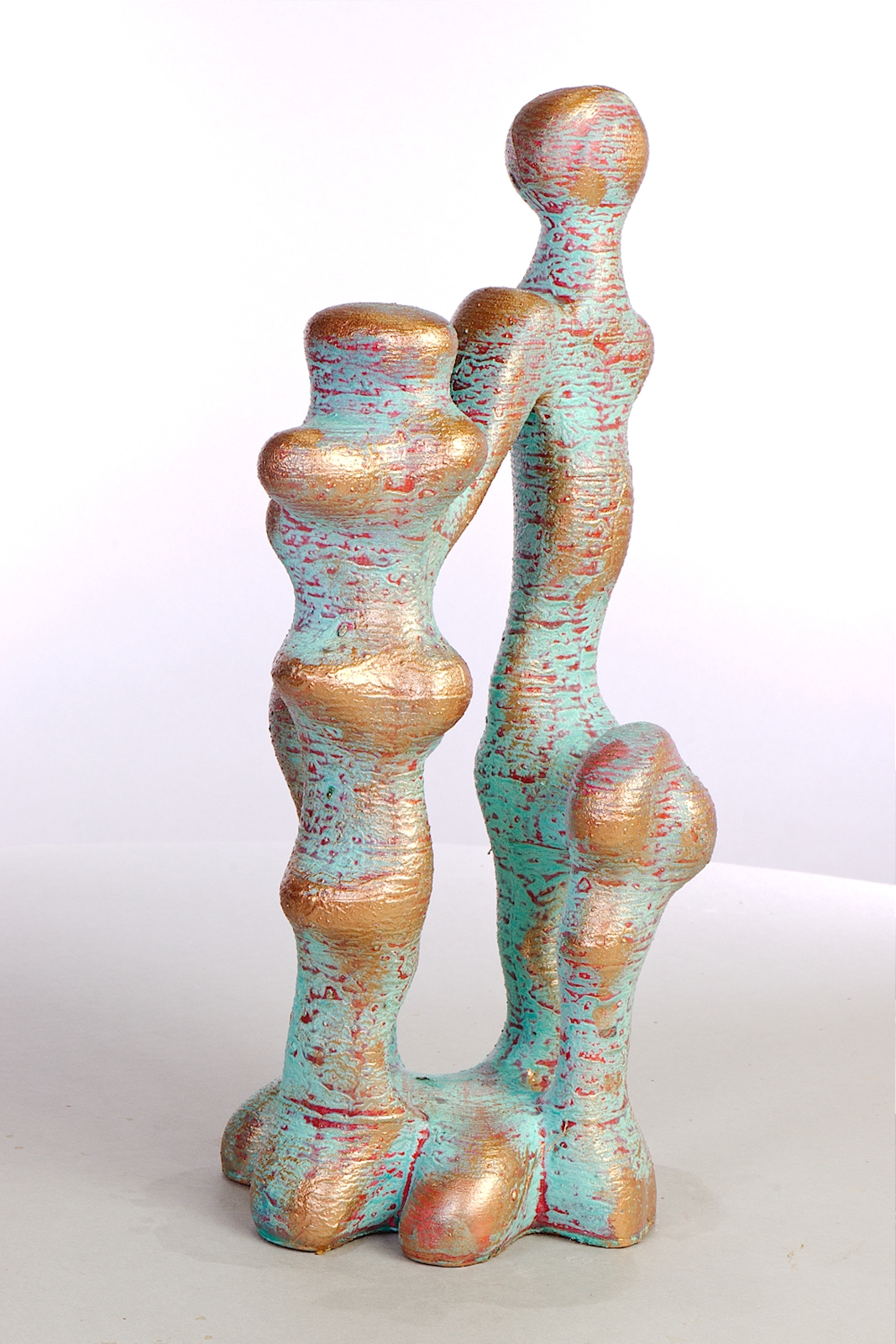
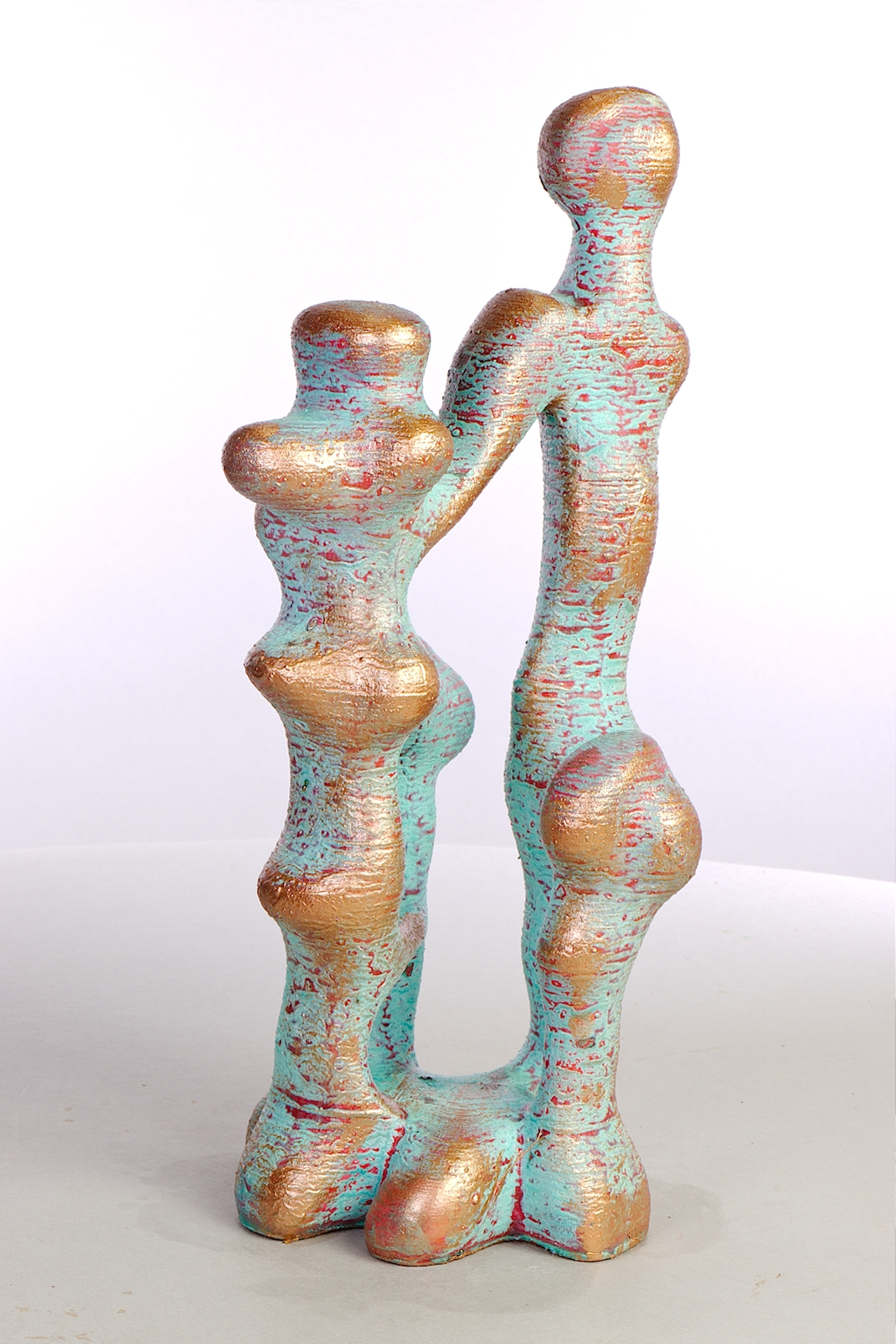
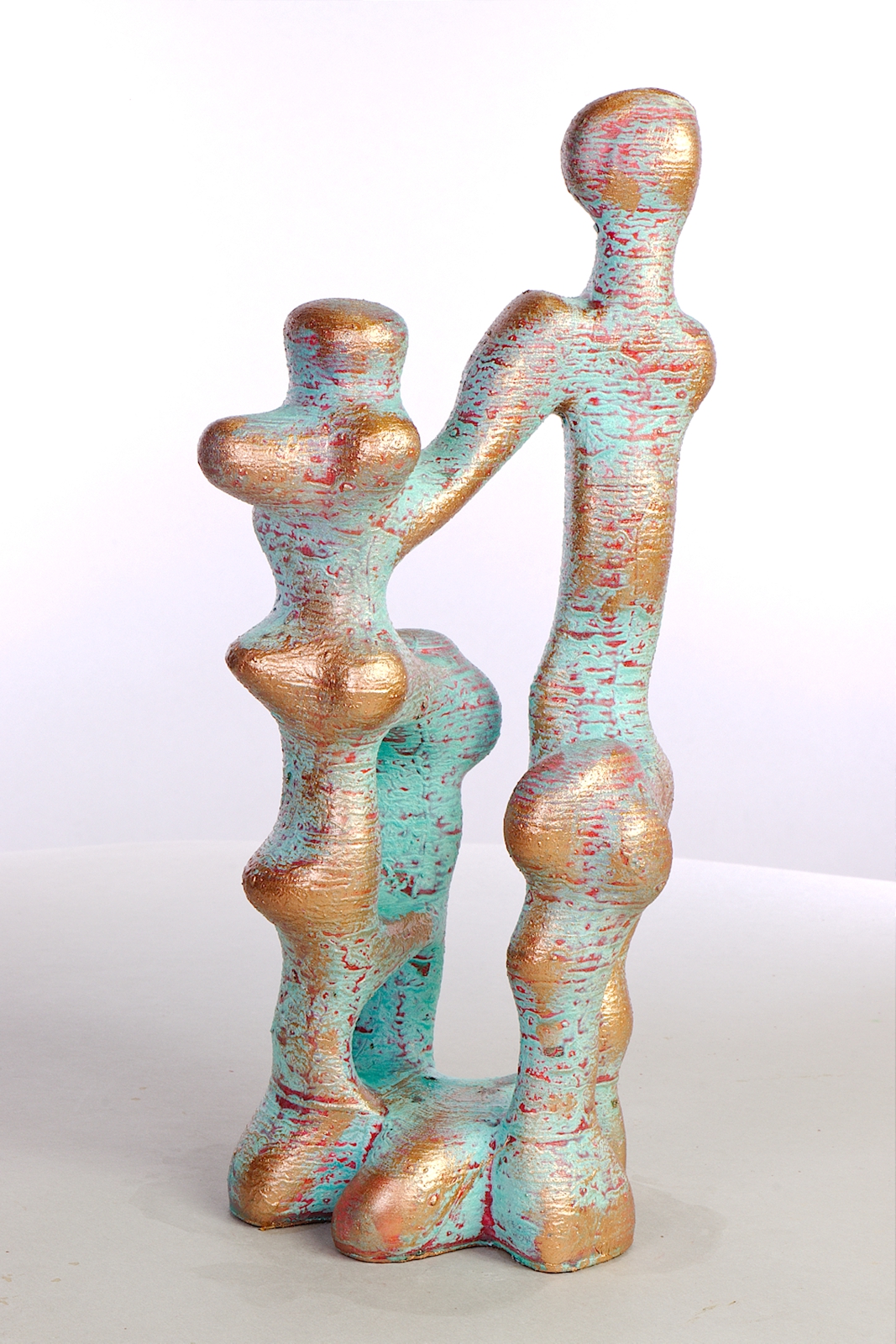
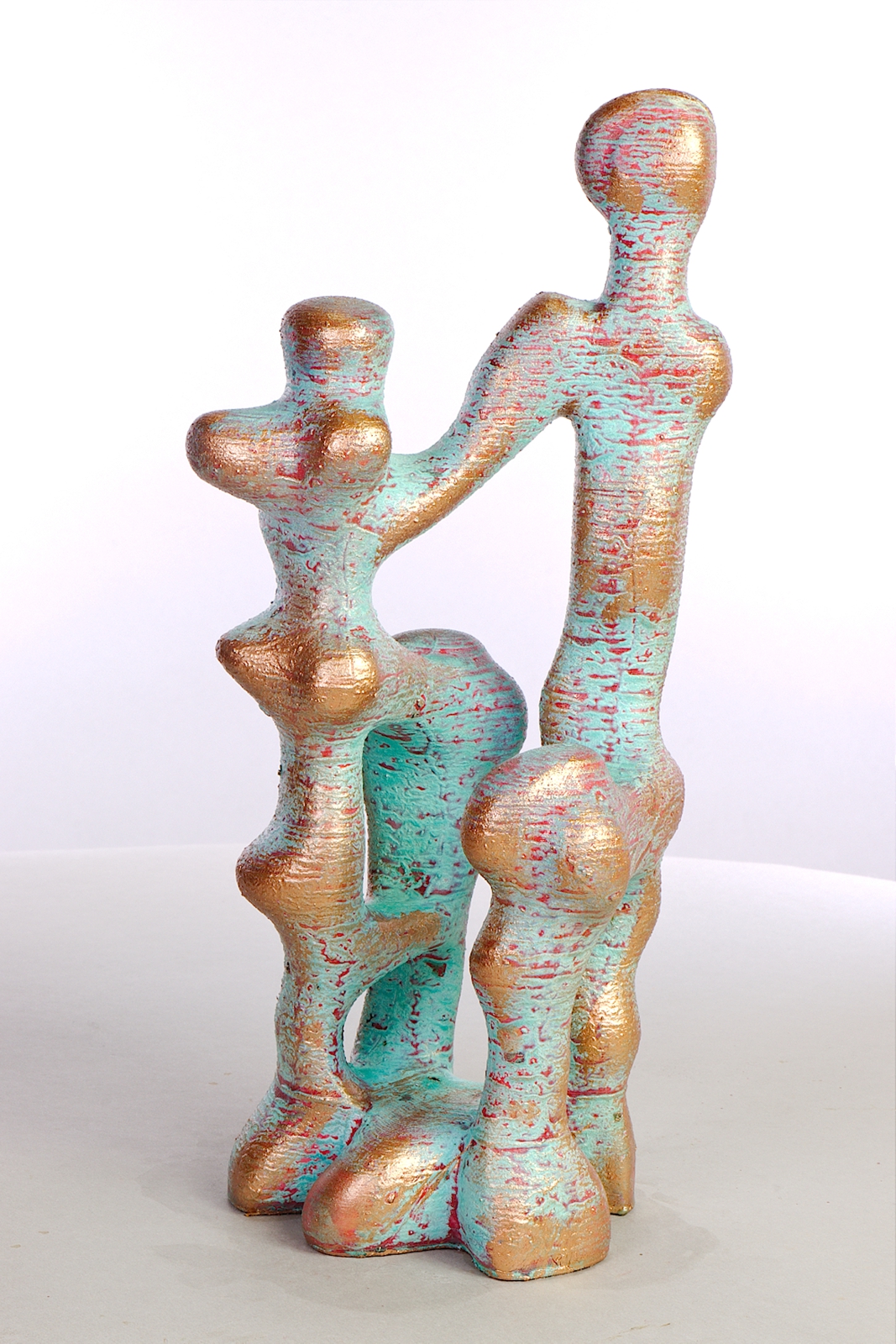
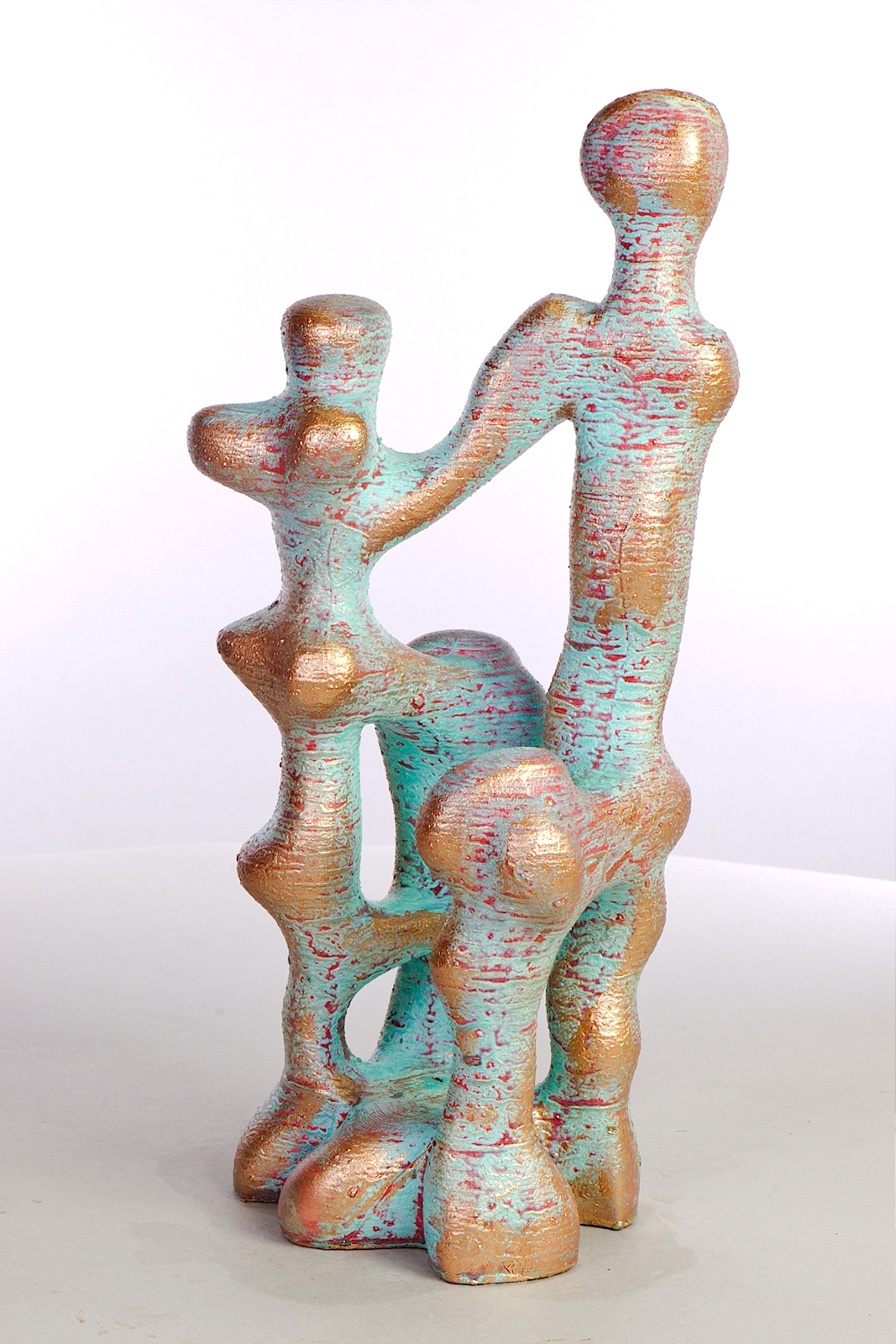
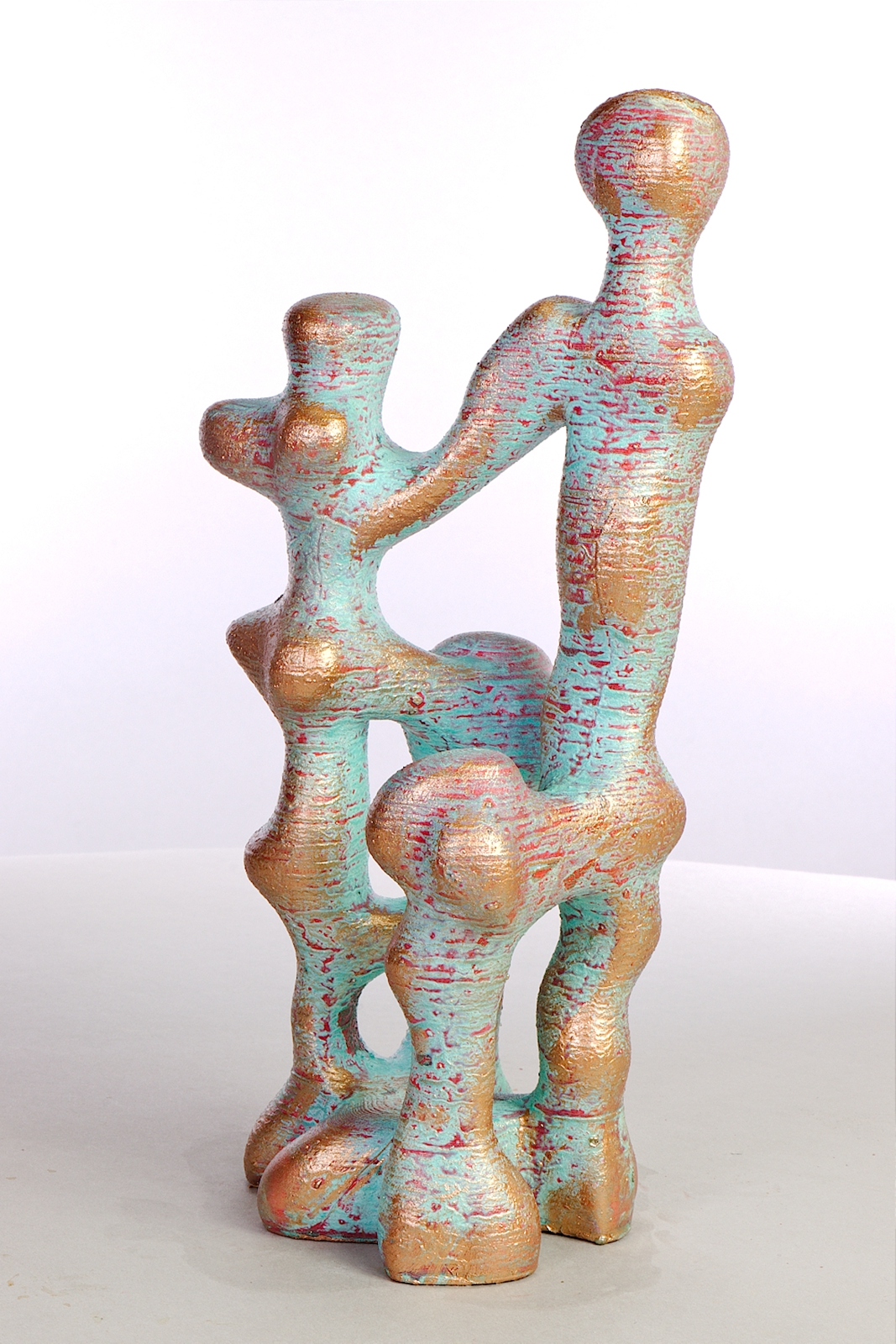
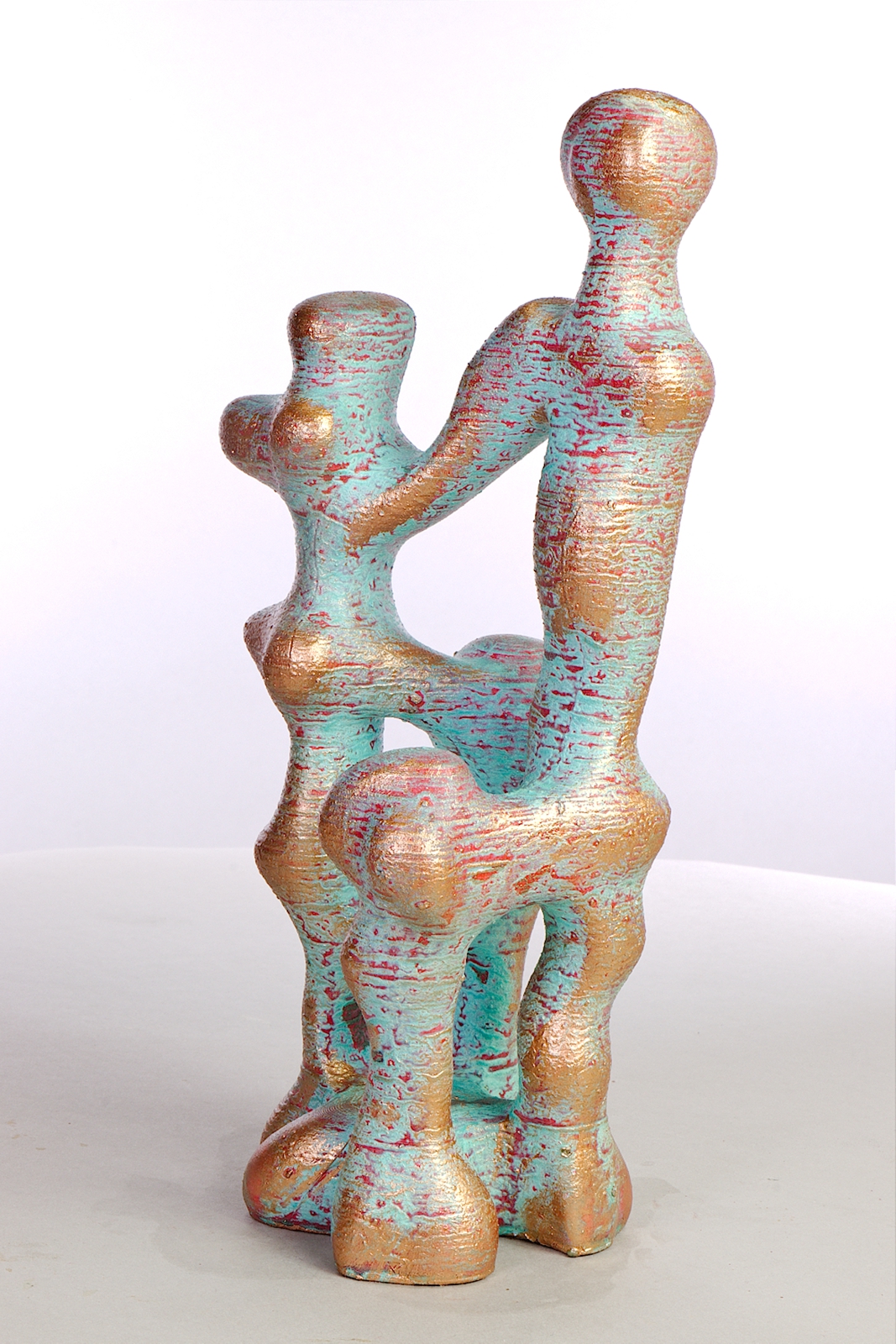
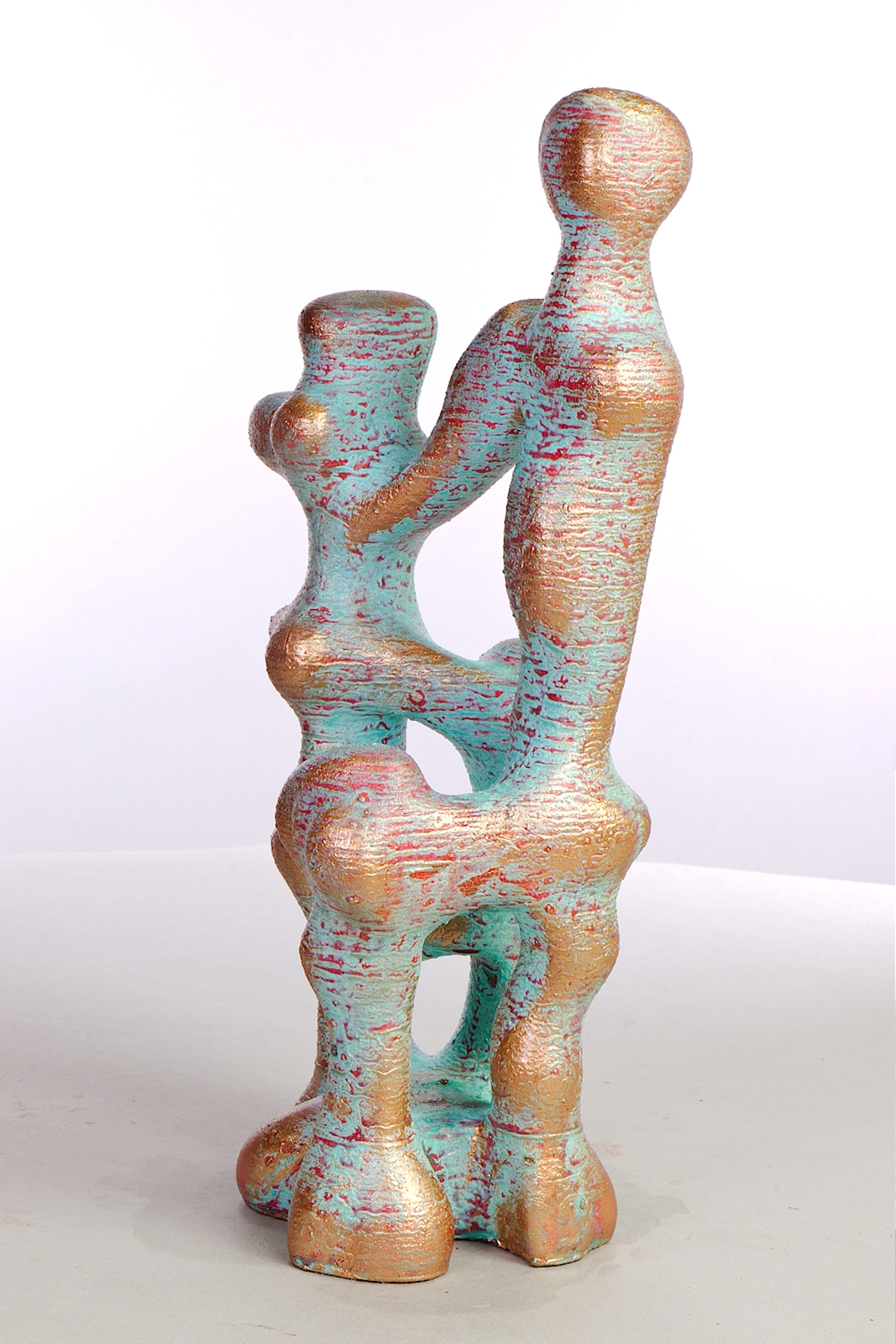
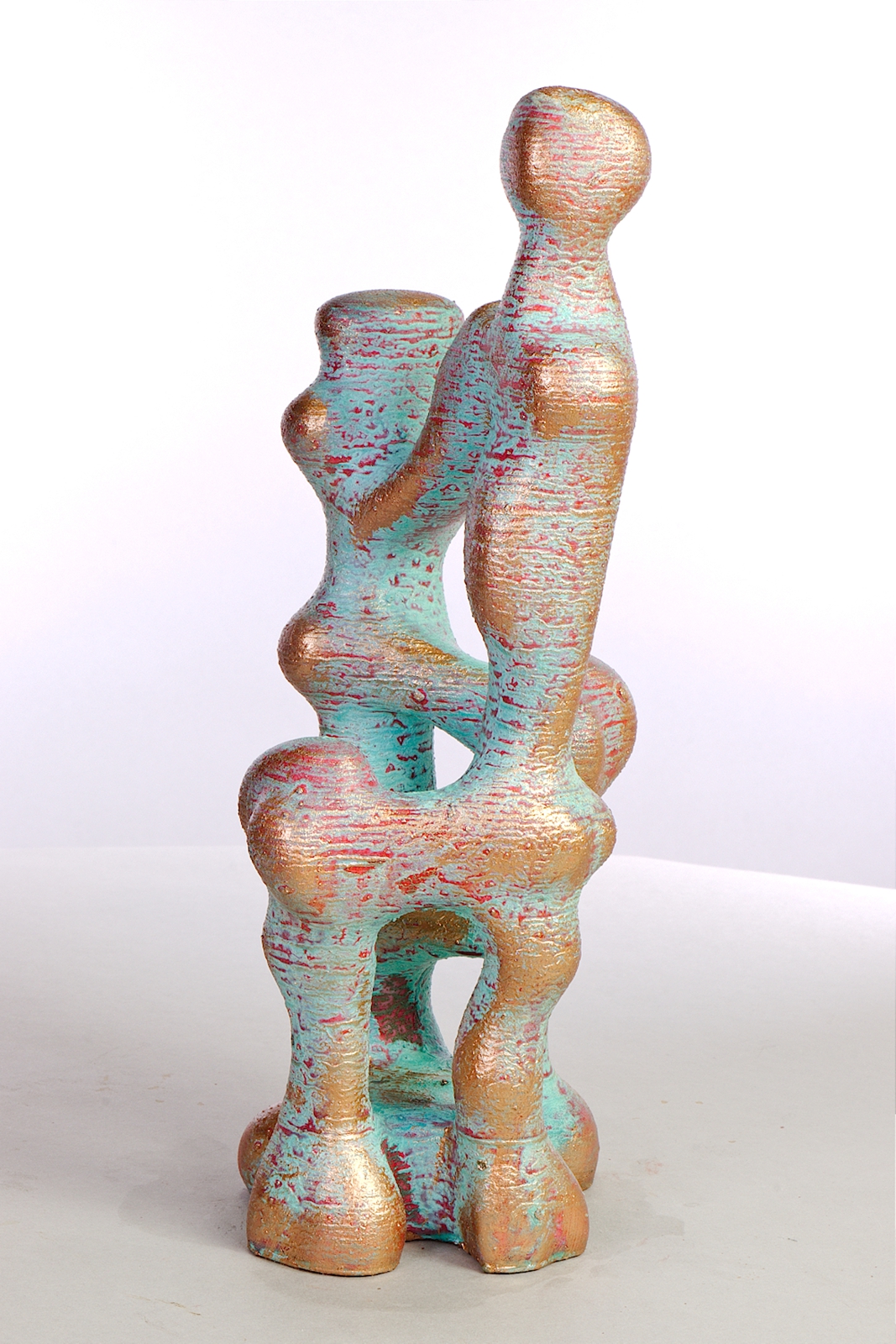
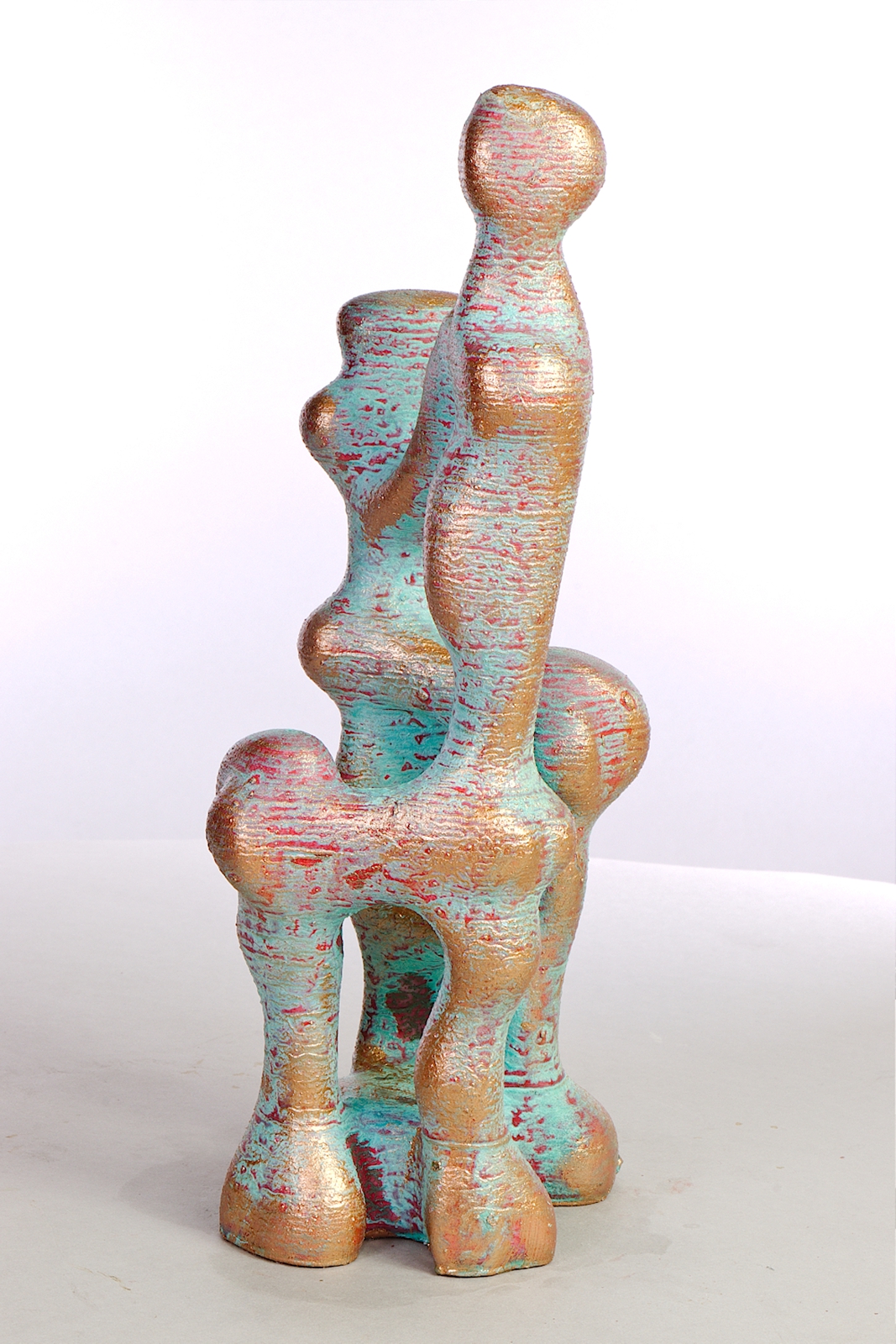
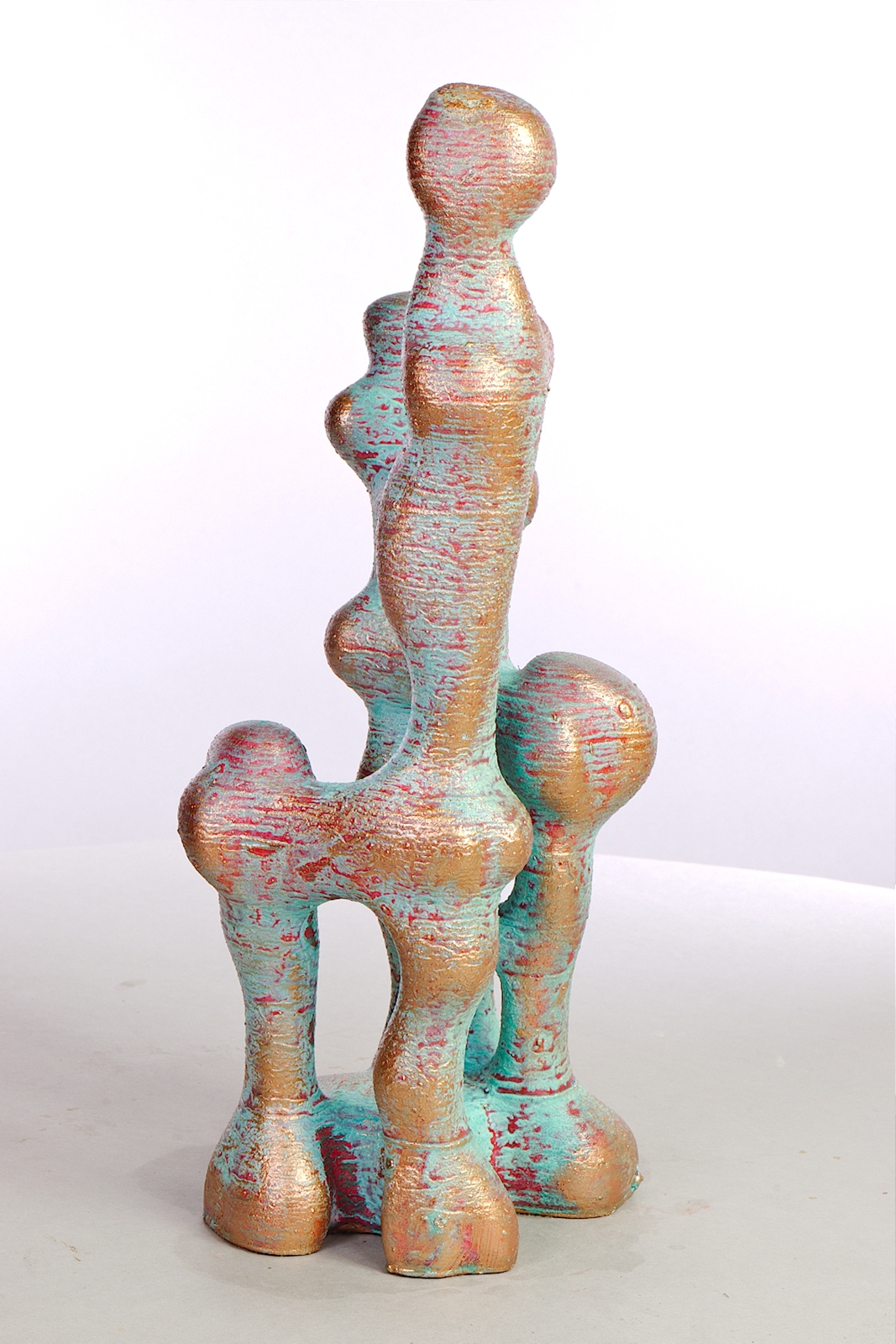
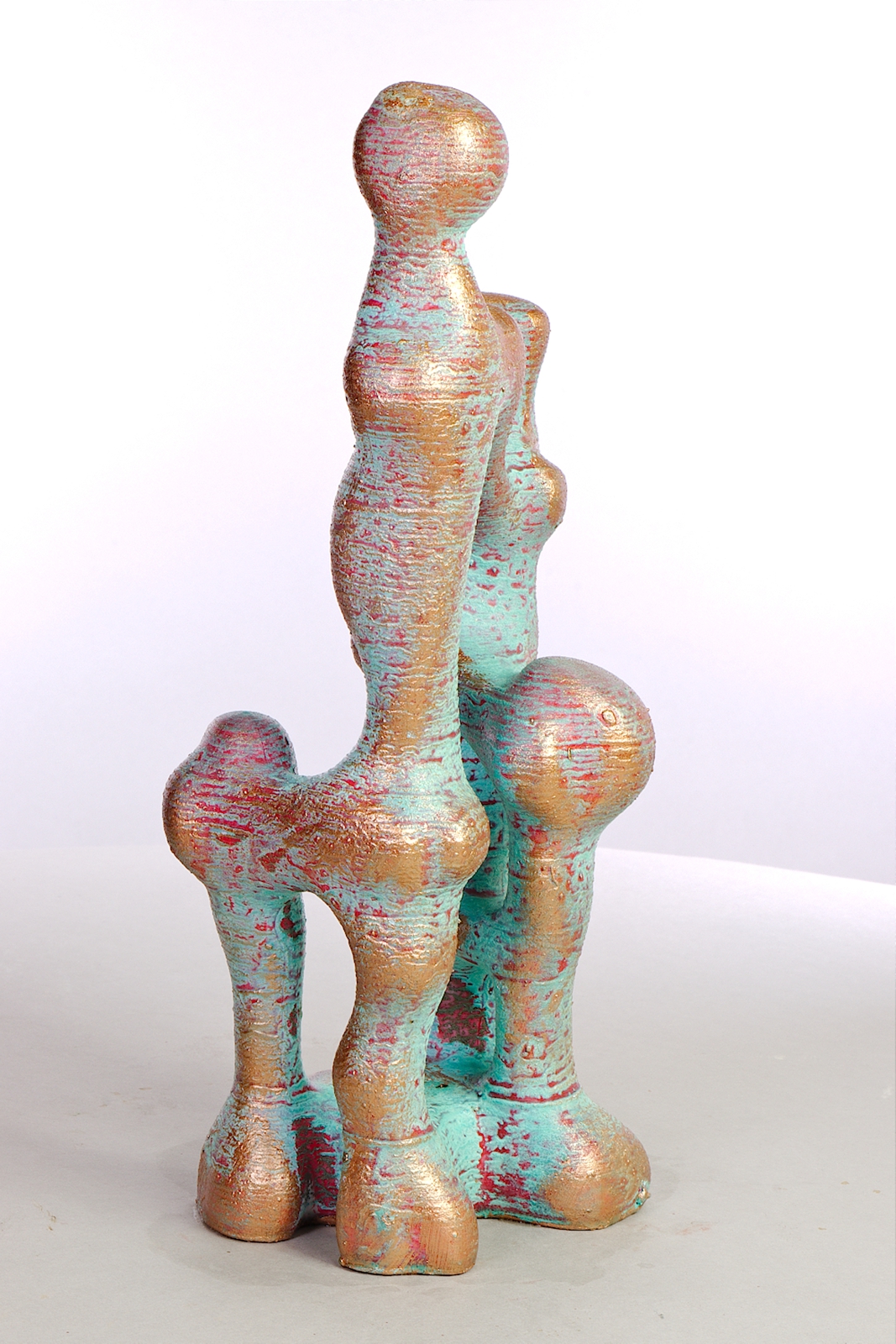
The sculpture titled "Philemon and Baucis" by Andreas Loeschner-Gornau—presented here from various perspectives—alludes to the story of an elderly, impoverished couple from Greek mythology. The figures are abstracted and stylized, devoid of distinct anatomical details yet clearly recognizable as human forms. Each sculpture consists of several interconnected elements reminiscent of tree trunks or columns, which coalesce to form abstract bodies.
The surface of the sculpture features an intriguing texture that appears rough and uneven—a result of either the sculpting technique or the material used. The coloration is a striking feature: a vibrant turquoise or aquamarine hue is interwoven with golden and reddish accents. In many areas, the turquoise appears worn away or applied unevenly, allowing the underlying gold and red to shimmer through or stand out. This combination evokes the look of weathered bronze or patina, thereby underscoring the ancient and mythical nature of the depicted figures. The gold lends the sculptures an air of grandeur and preciousness, while the red—in certain places—may symbolize vitality or vulnerability.
The composition depicts two nearly fused sculptures, comprising two central figures who appear to be embracing or supporting one another. A slender, more upright figure stands in the foreground on the left, leaning against a somewhat stockier figure positioned behind it; their arms are intertwined. The forms are soft and fluid, characterized by rounded edges and voluminous—almost organic—curves that might evoke the contours of breasts or hips.
The sculptures rest upon a broad, flat plinth—which is also color-treated—serving to stabilize the figures. The overall presentation radiates a blend of simplicity, antiquity, and a certain tenderness inherent in the bond between the depicted figures.
Mythology; Philemon and Baucis: An elderly, impoverished couple who kindly welcomed the gods Zeus and Hermes, disguised as beggars. As a reward, they were spared from a flood, were permitted to remain together for the rest of their lives, and were ultimately transformed—together—into two trees (an oak and a linden) after their death...