paintings
paintings
paintings
paintings
paintings
paintings
paintings
paintings
paintings
paintings
paintings
paintings
paintings
paintings
paintings
paintings
paintings
paintings
paintings
paintings
paintings
paintings
paintings
paintings
paintings
paintings
paintings
paintings
paintings
paintings
paintings
paintings
paintings
paintings
paintings
paintings
paintings
paintings
paintings
paintings
paintings
paintings
paintings
paintings
paintings
paintings
paintings
paintings
paintings
paintings
paintings
paintings
paintings
paintings
paintings
paintings
paintings
paintings
paintings
paintings
paintings
paintings
paintings
paintings
paintings
paintings
paintings
paintings
paintings
paintings
paintings
paintings
paintings
paintings
paintings
paintings
paintings
paintings
paintings
paintings
paintings
paintings
paintings
paintings
paintings
paintings
paintings
paintings
paintings
paintings
paintings
paintings
paintings
paintings
paintings
paintings
paintings
paintings
paintings
paintings
Andreas Löschner-Gornau, Professor Emeritus of Fine Arts
"Oedipus" PLA (bio-based plastic),electroplated with copper, patinated/ Click here to buy
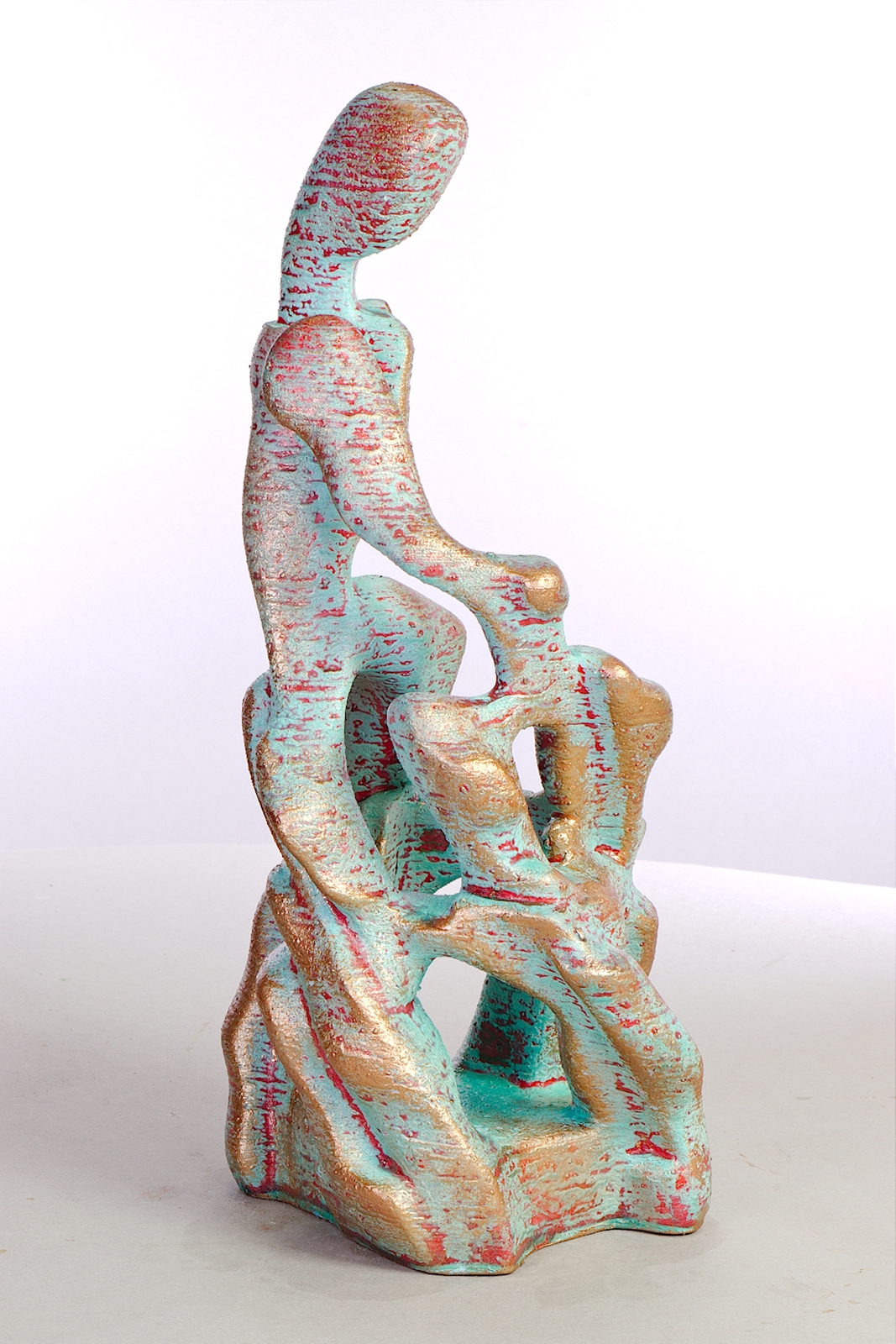
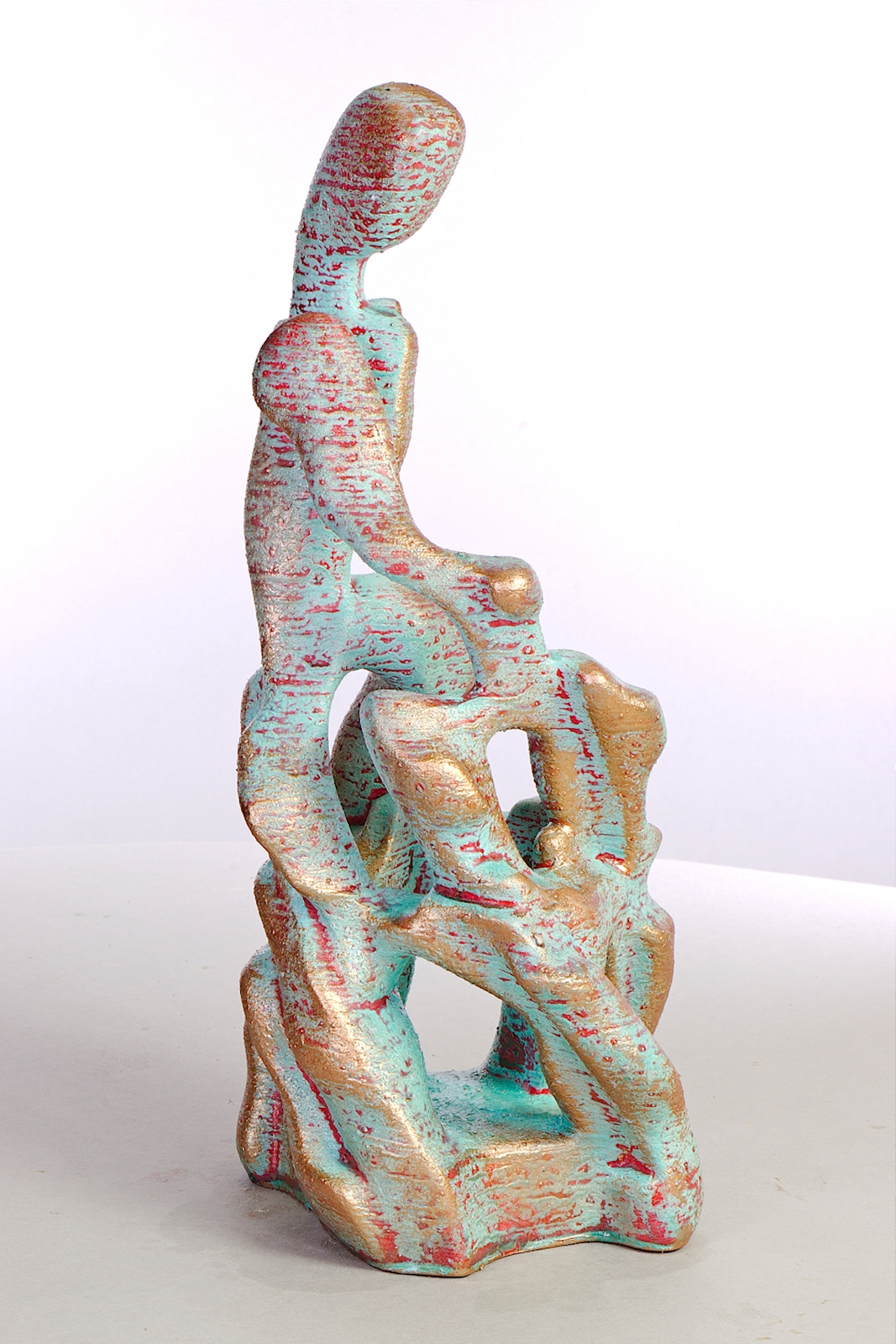
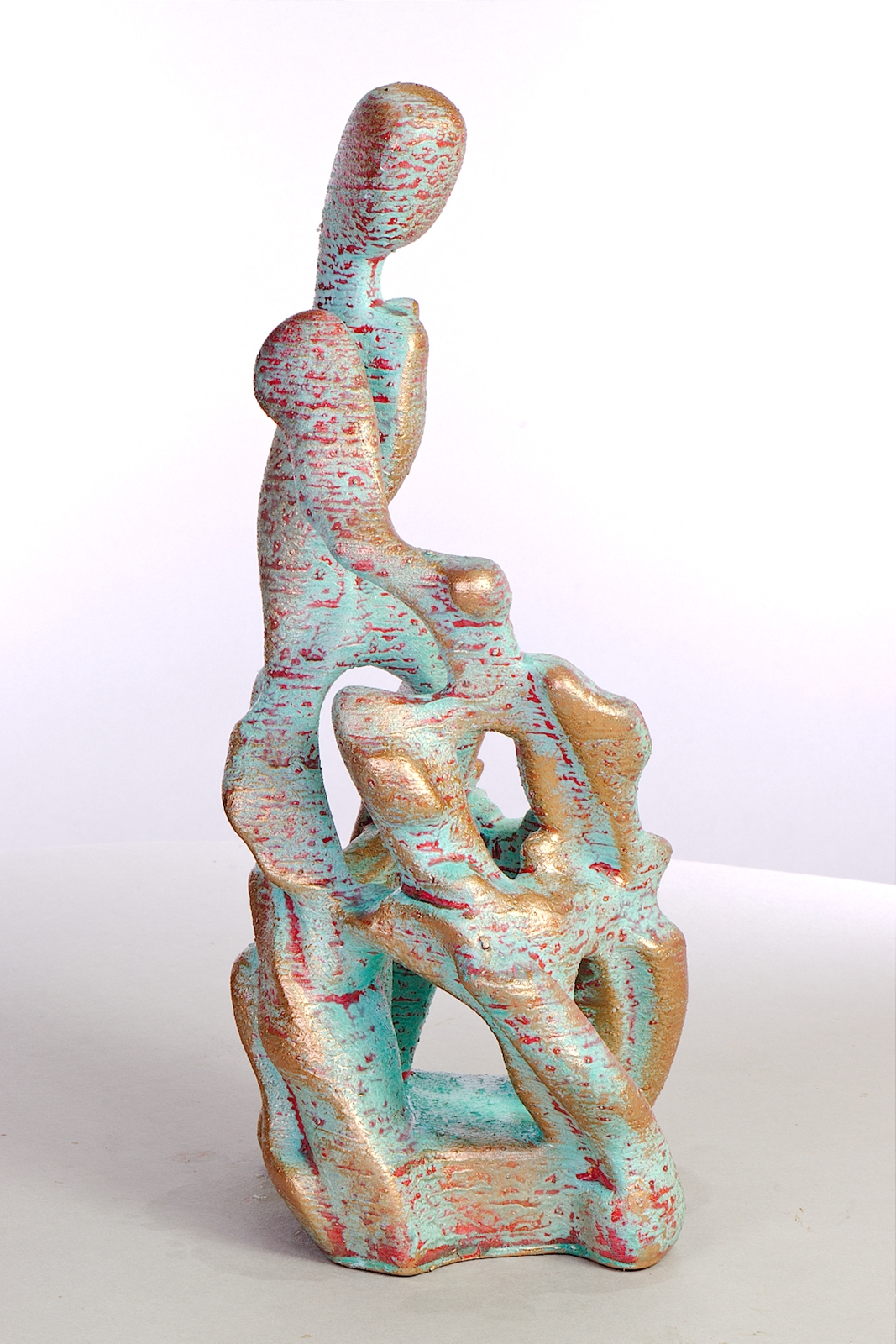
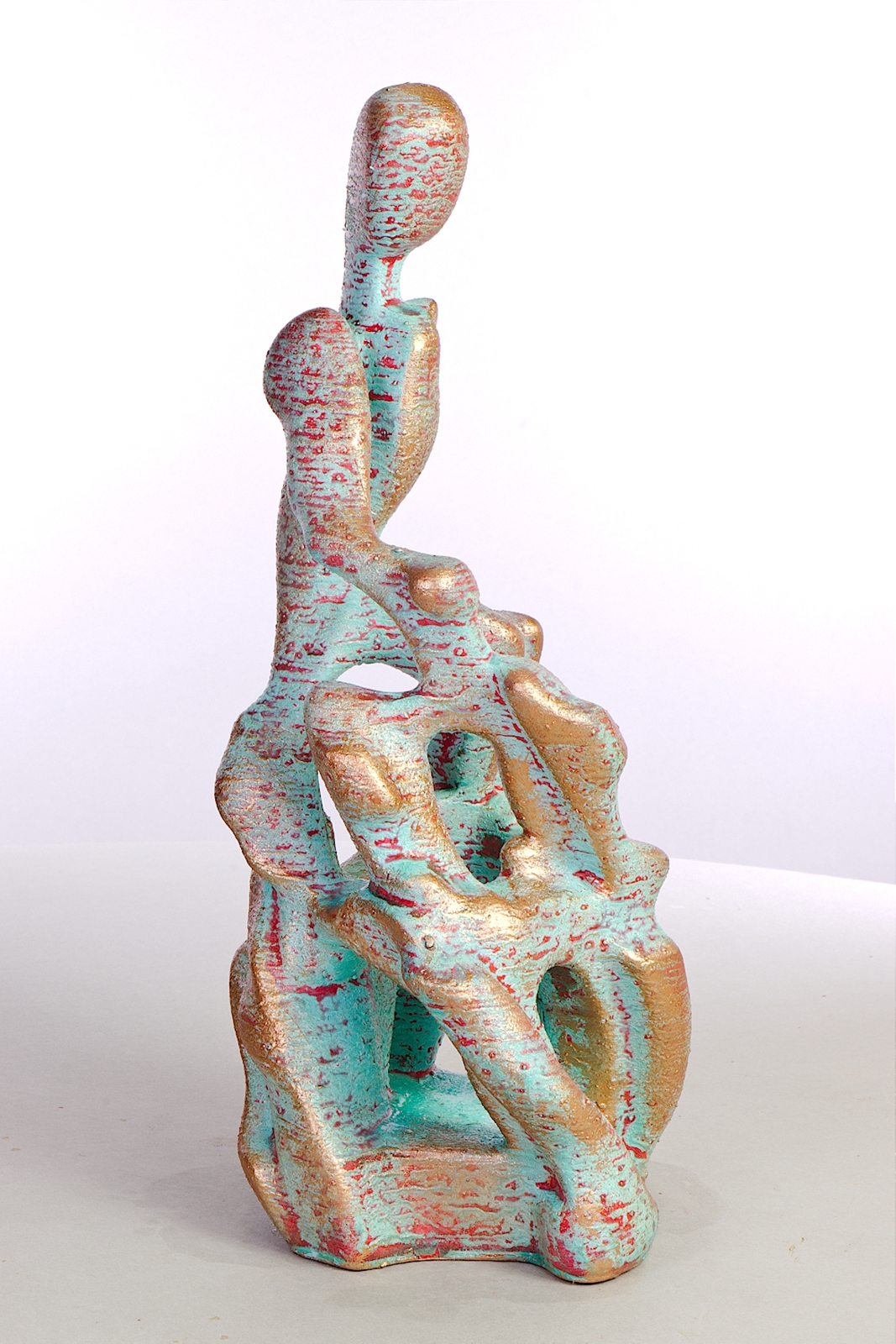
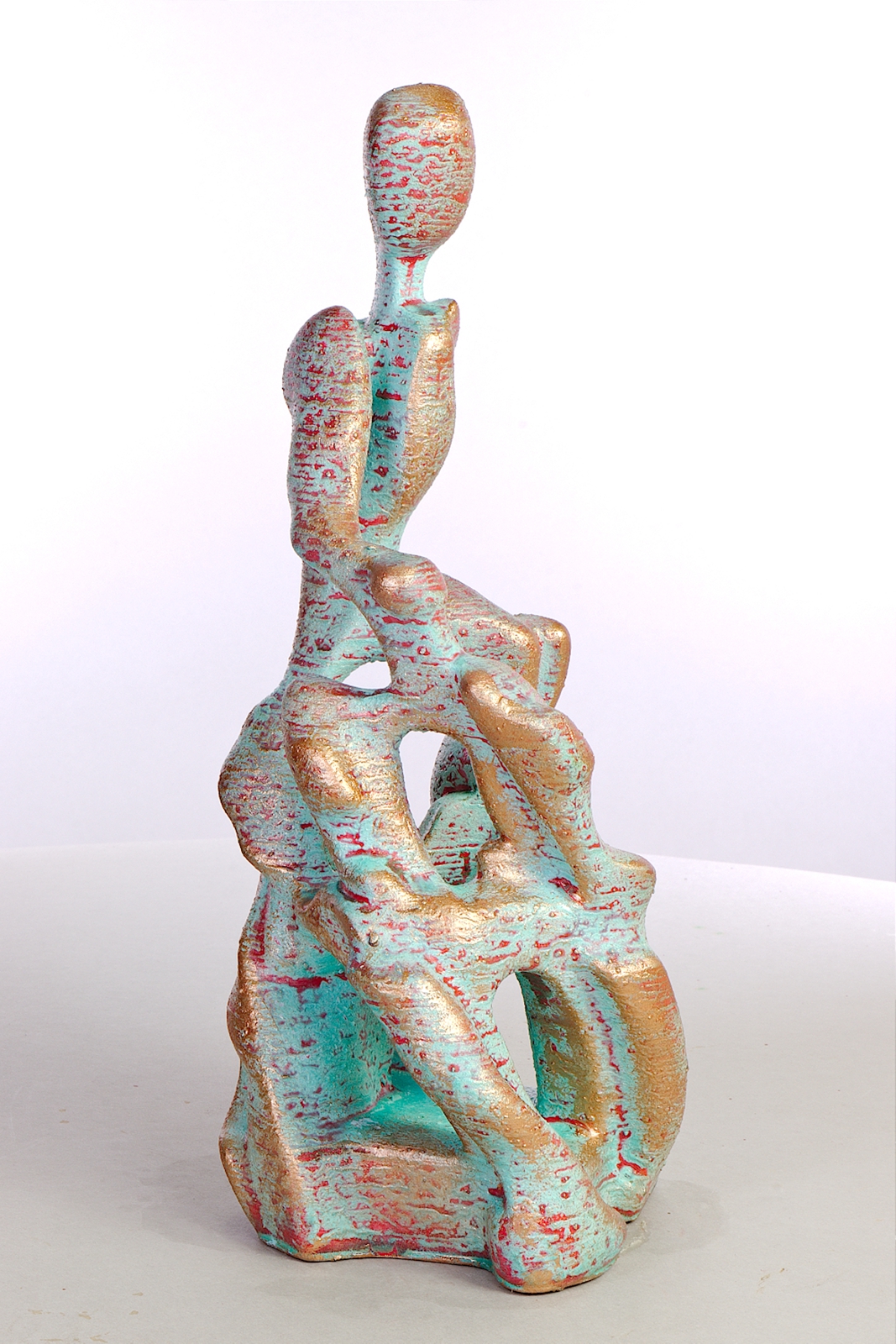

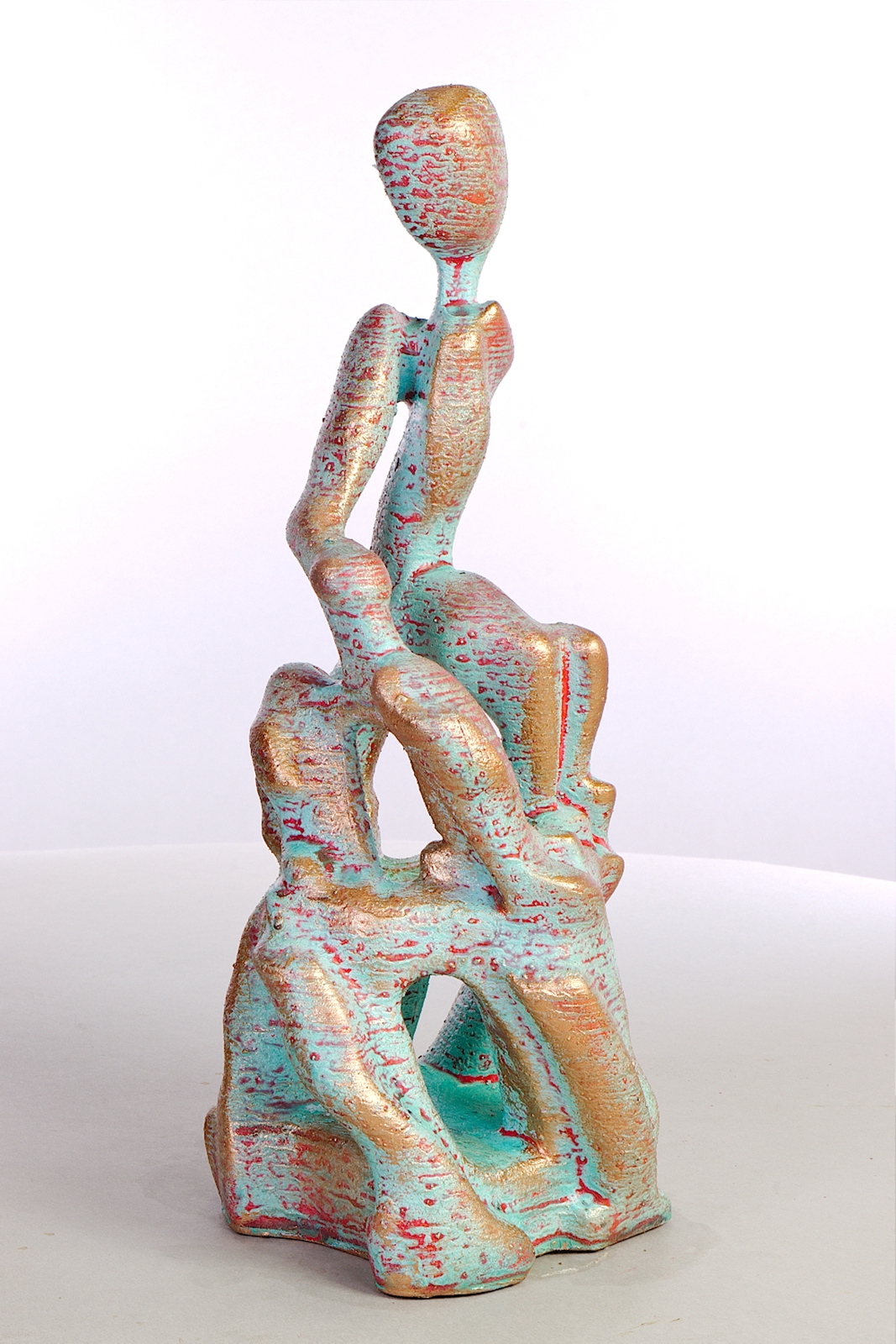
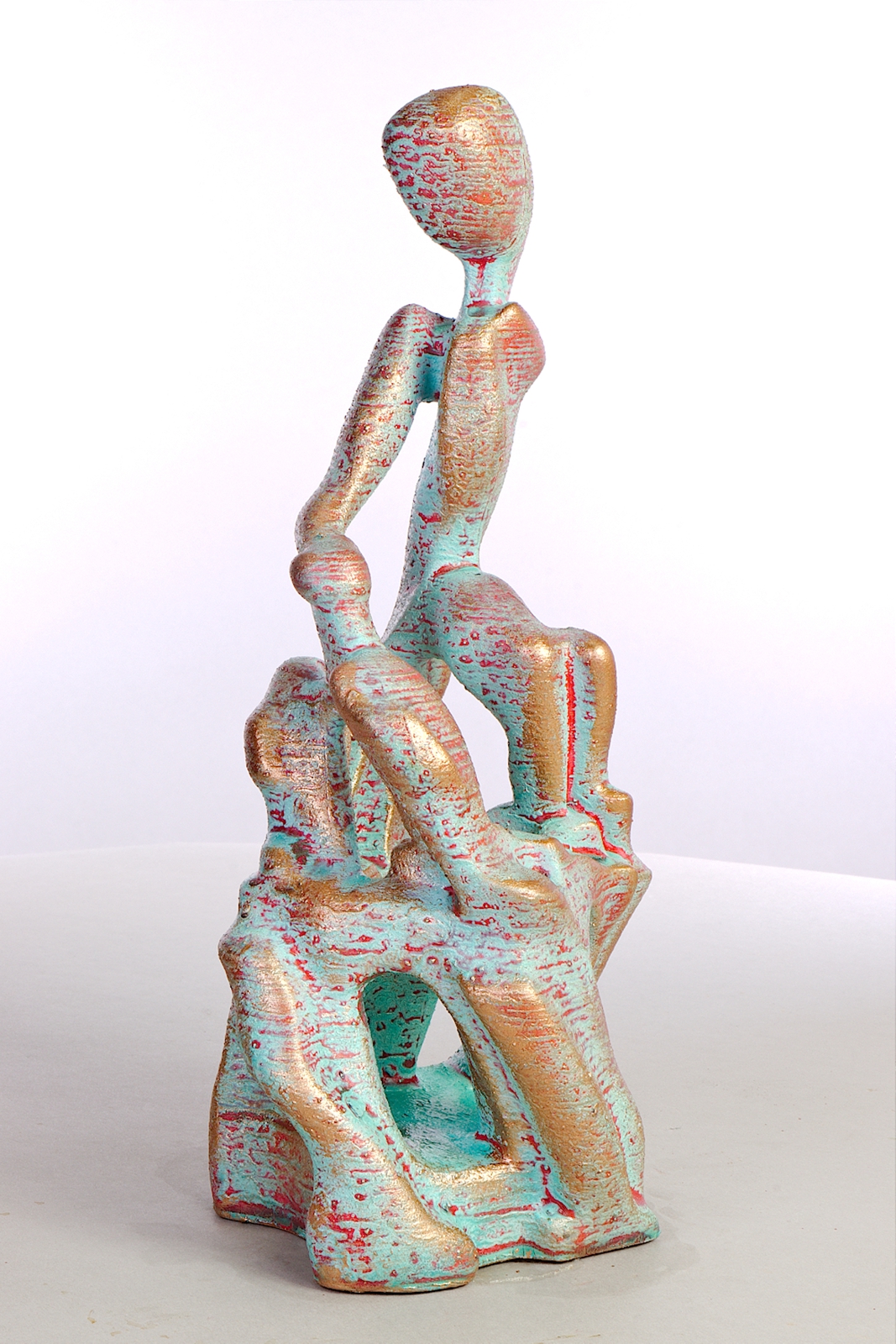
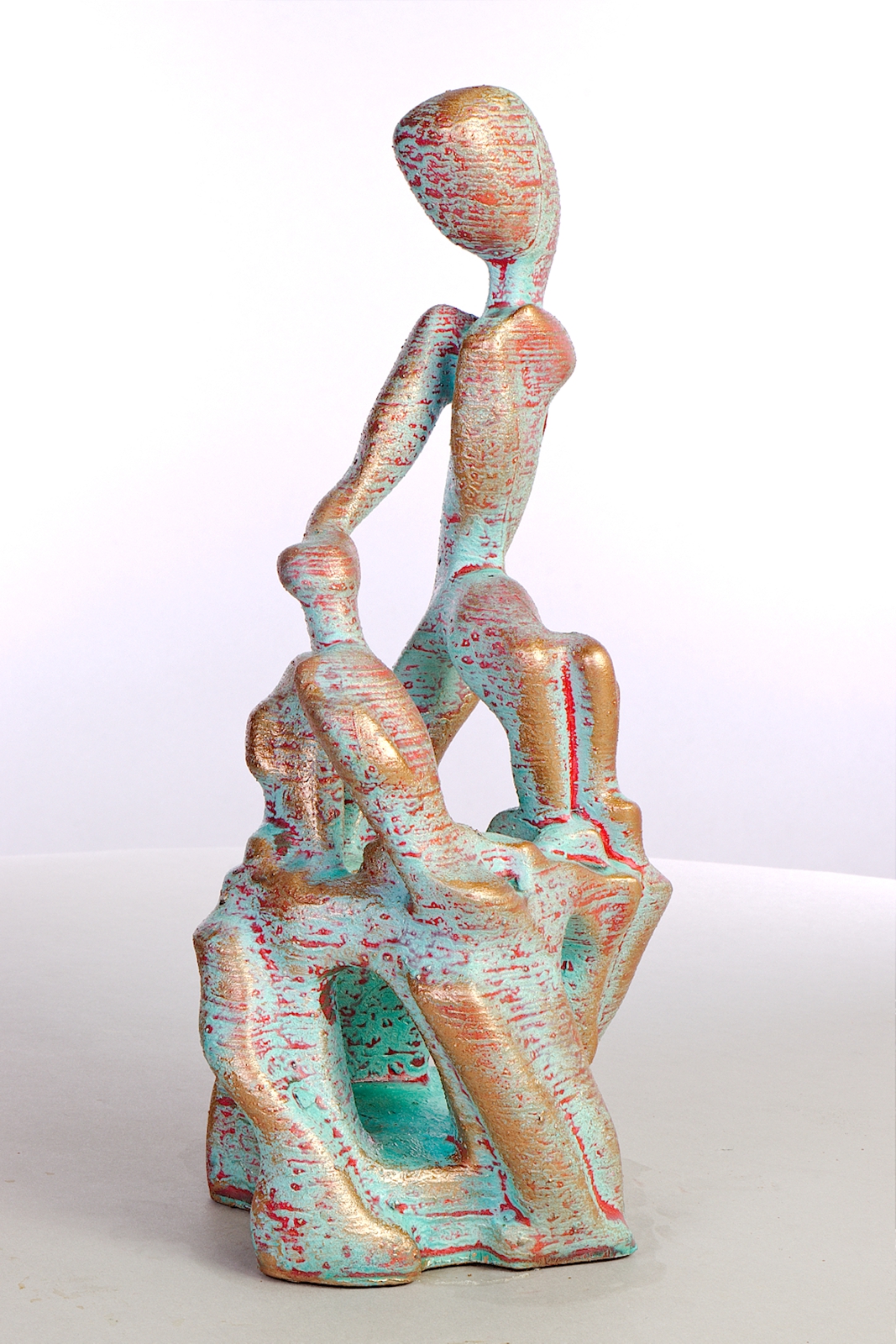
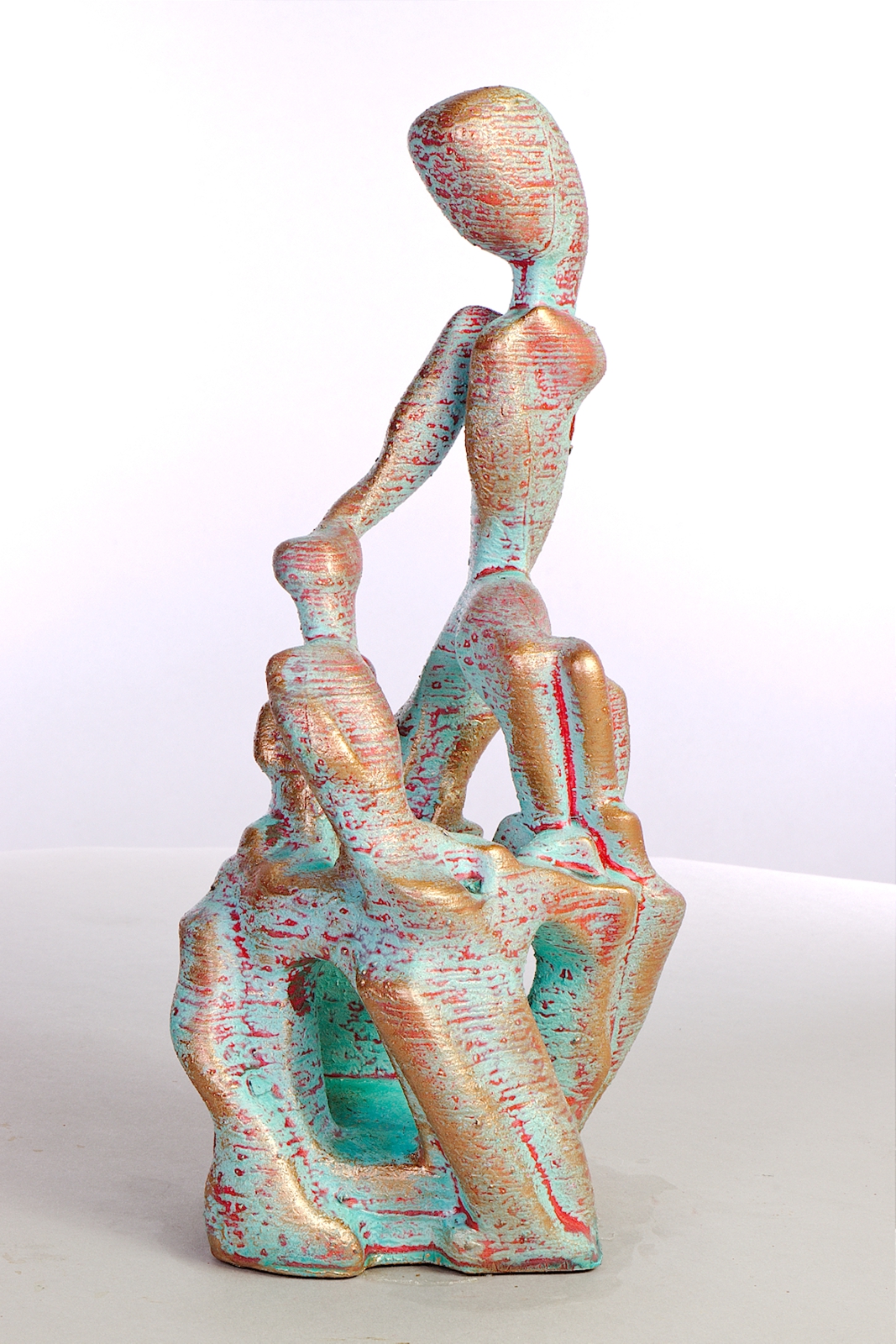
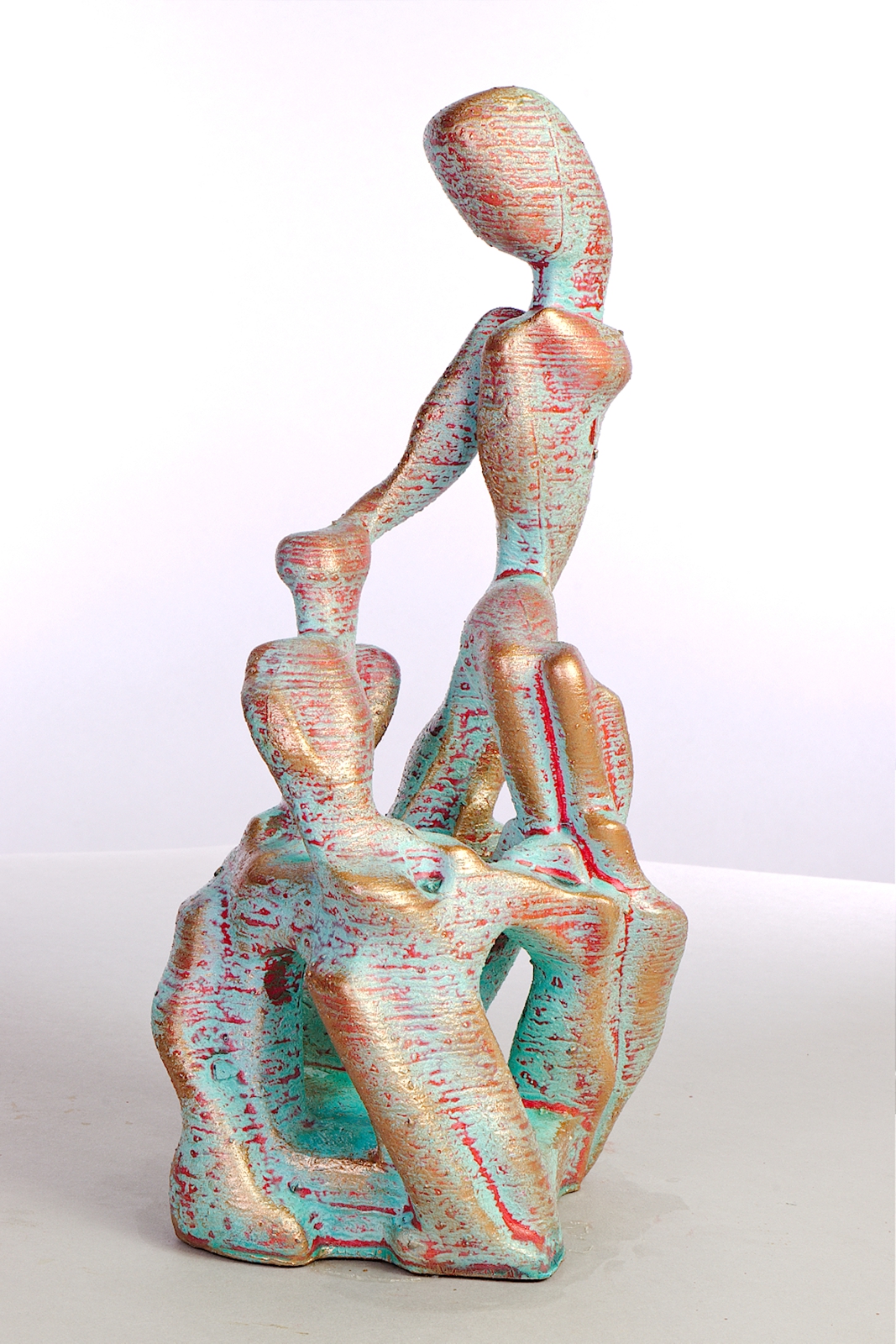
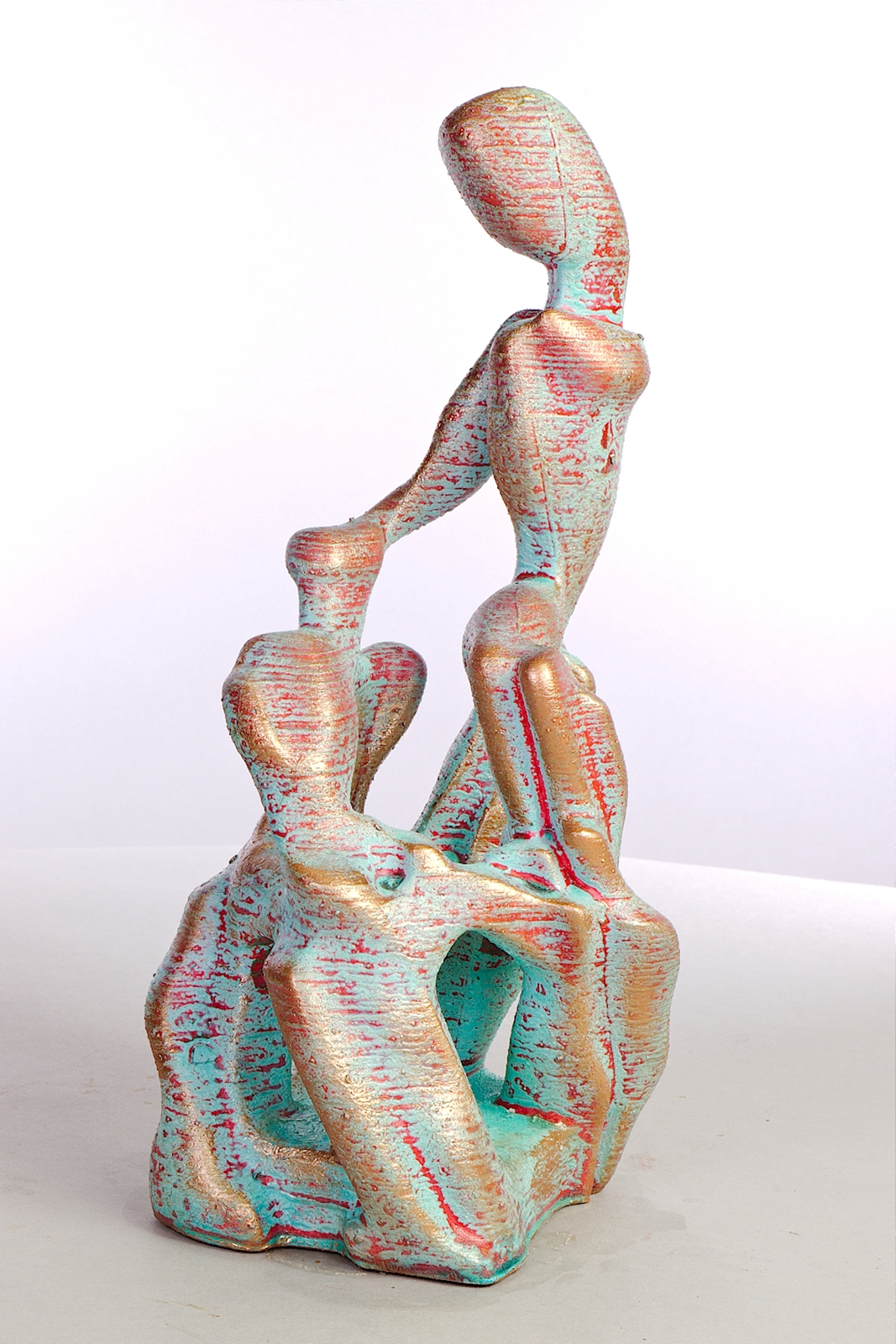

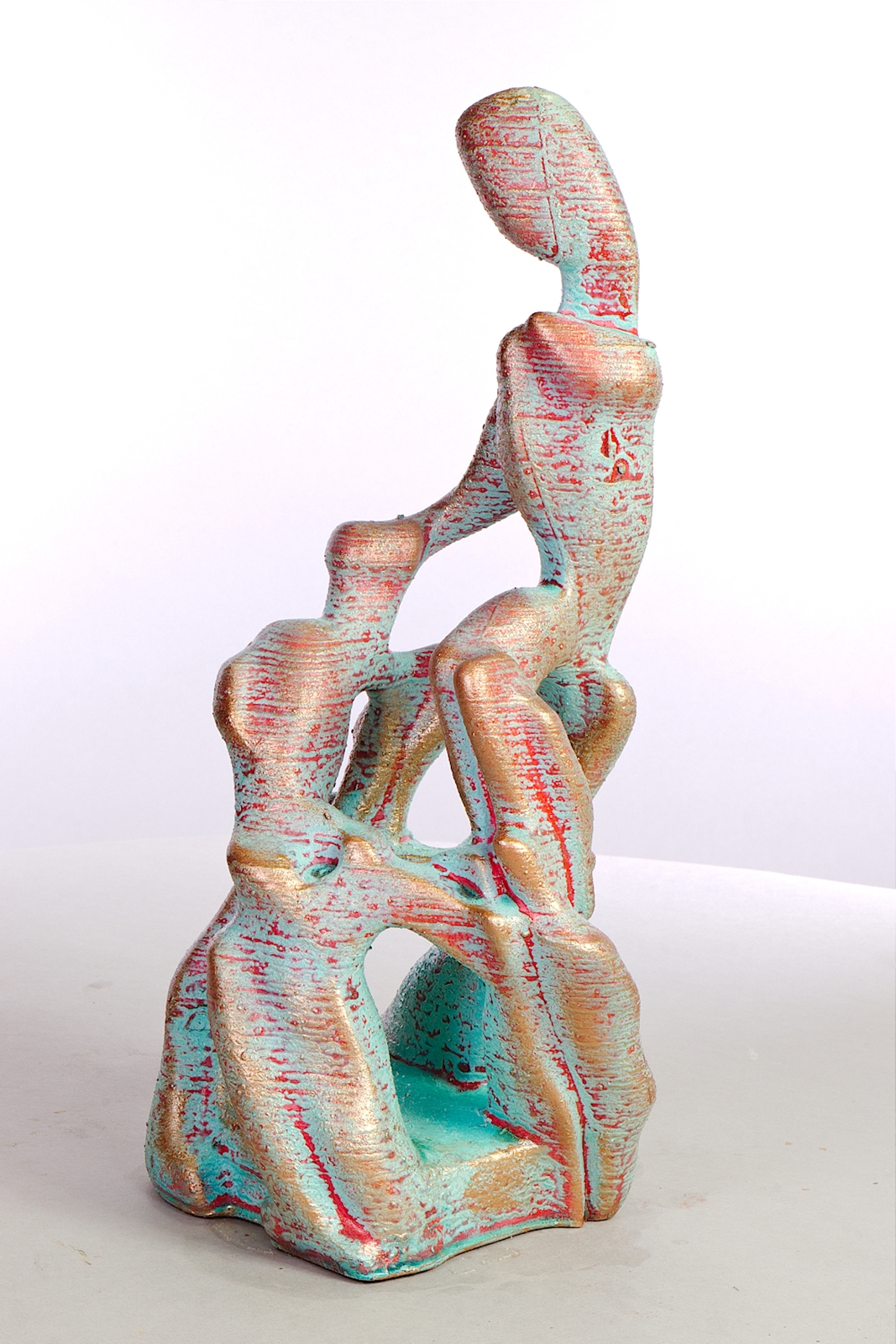
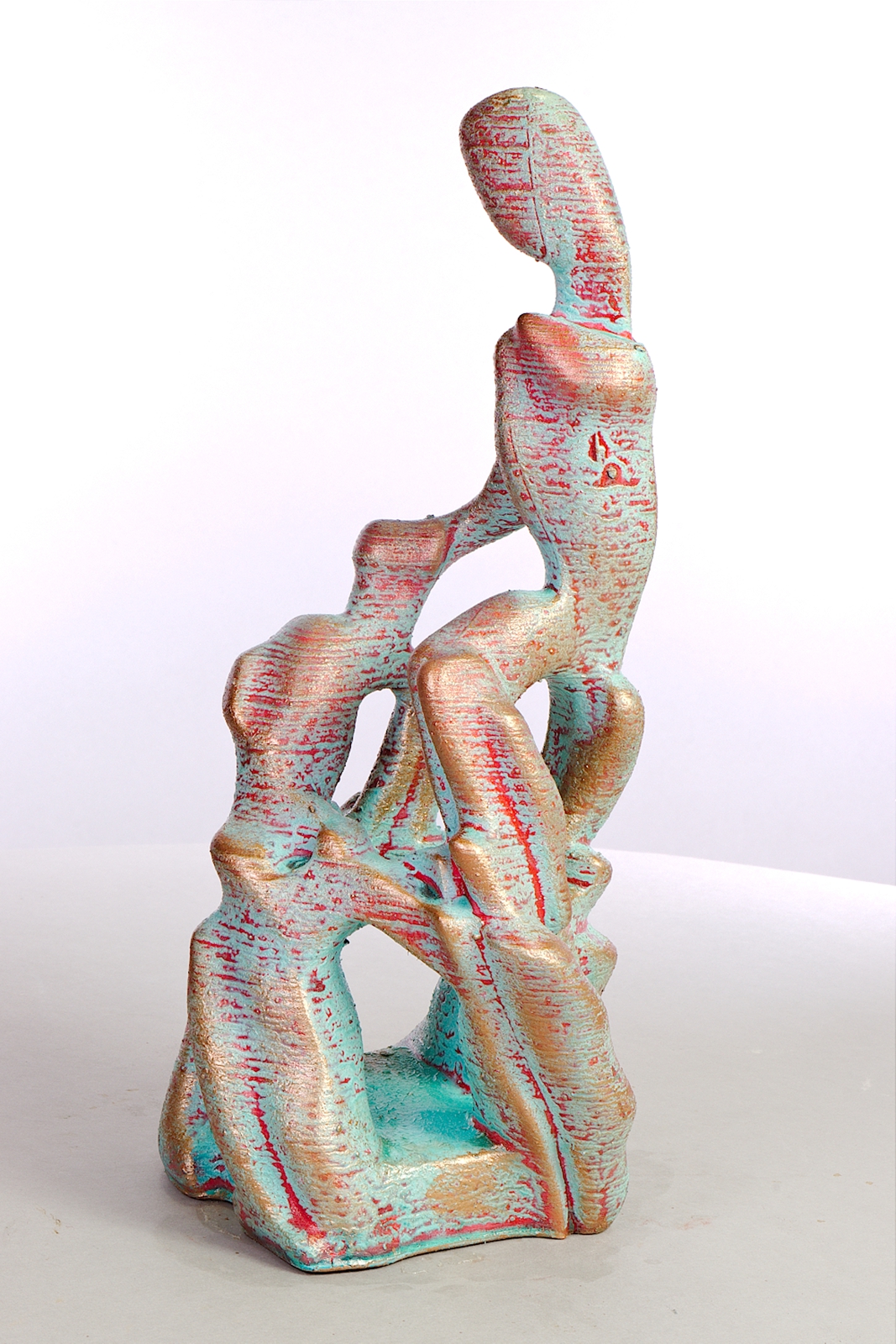
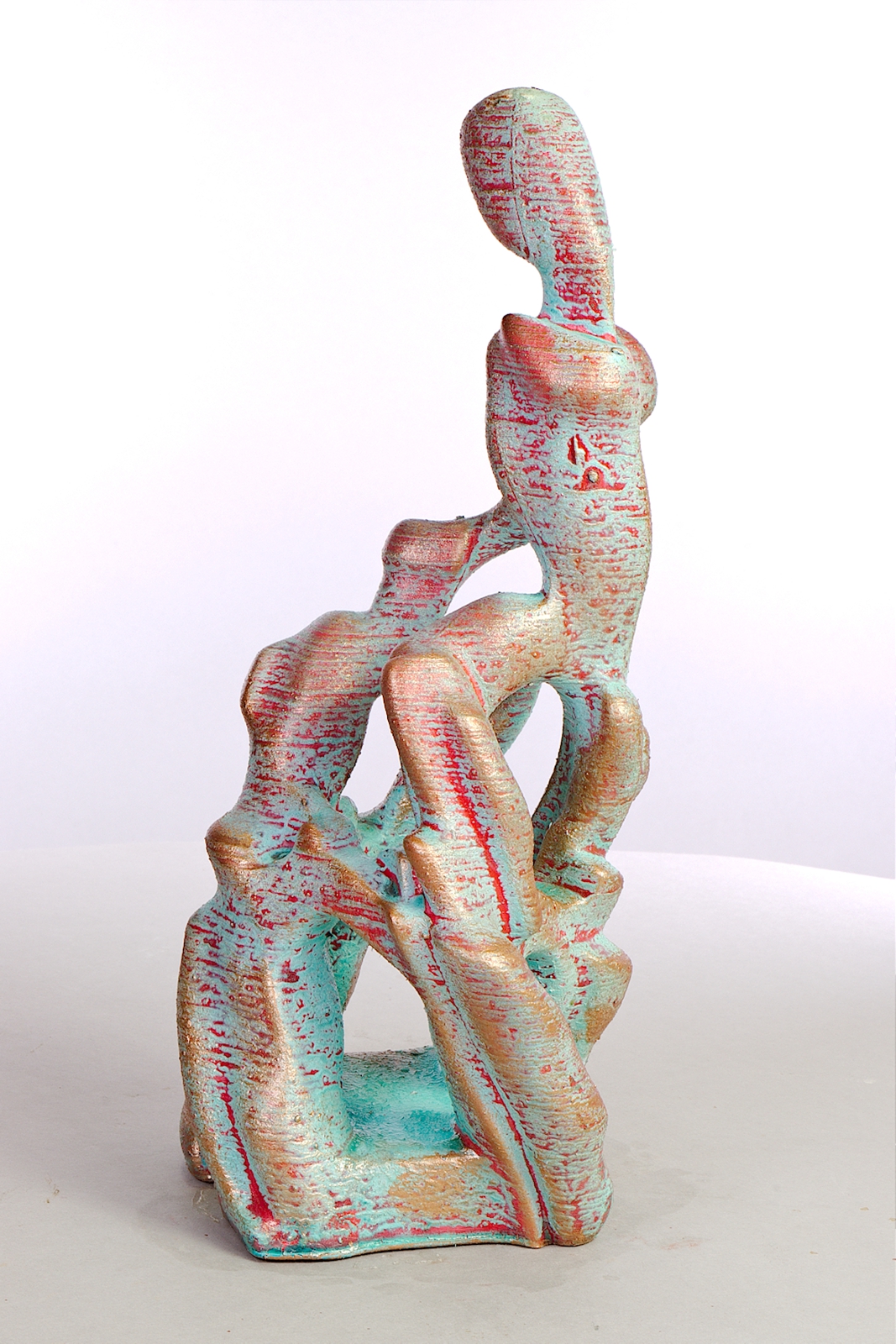
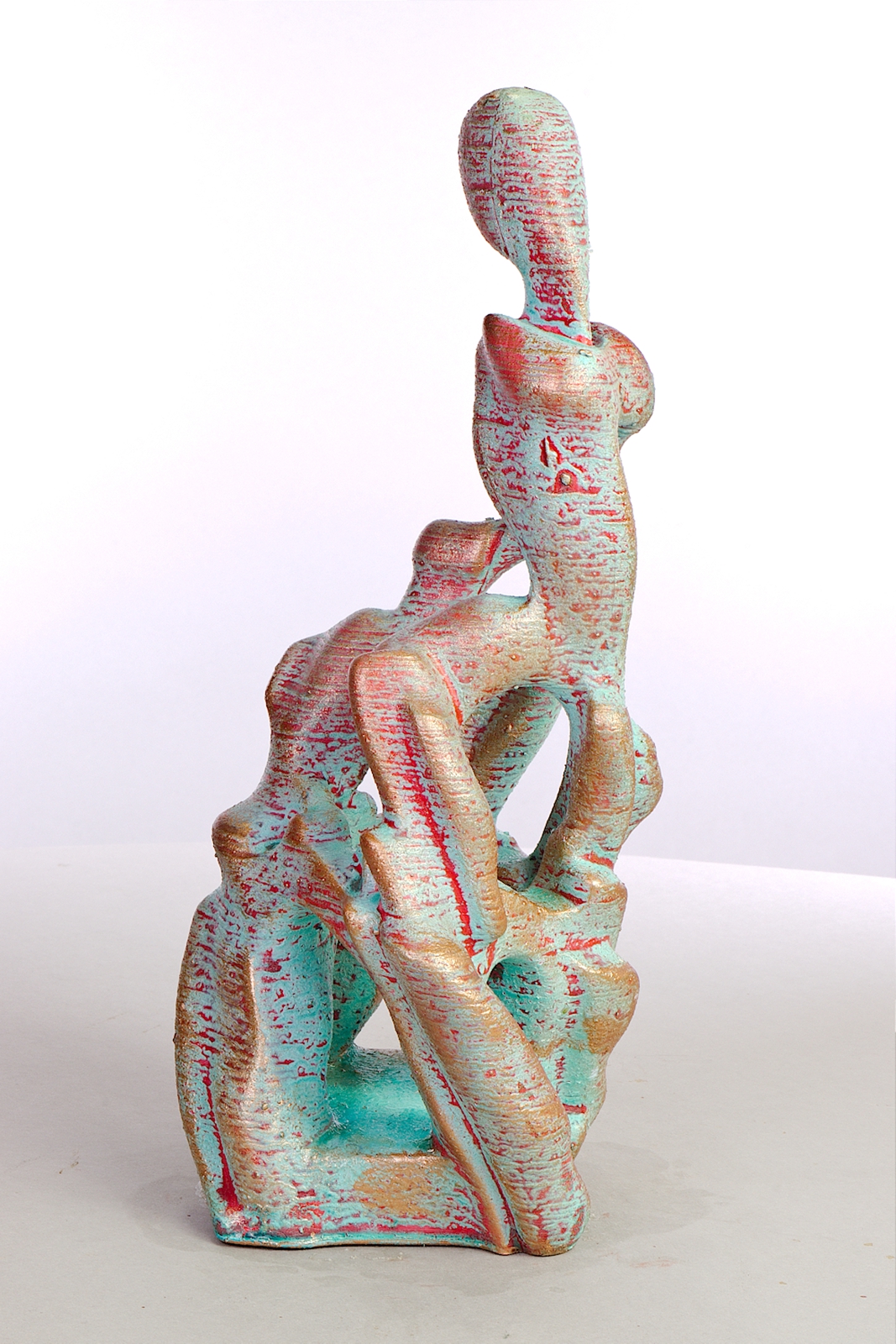
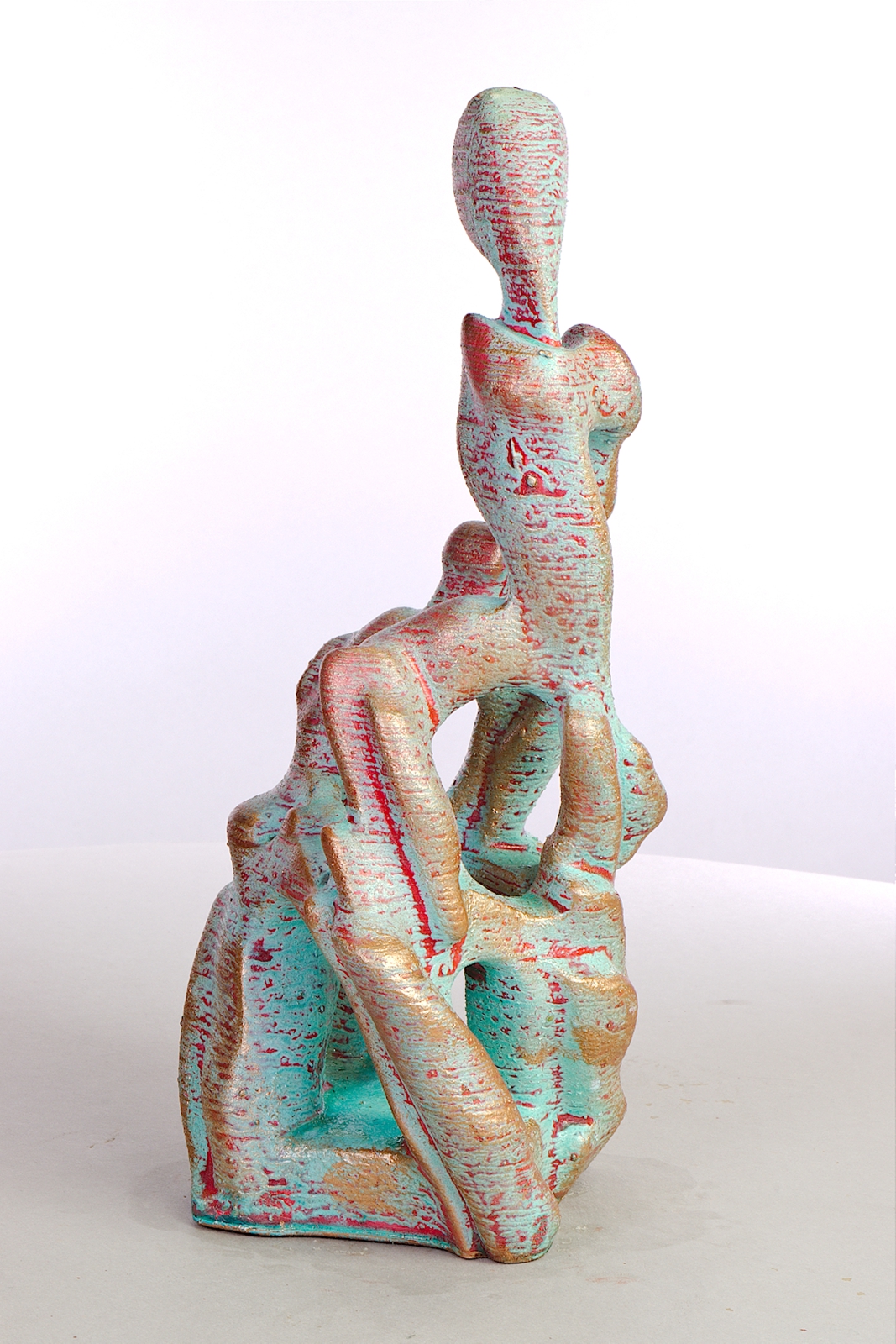
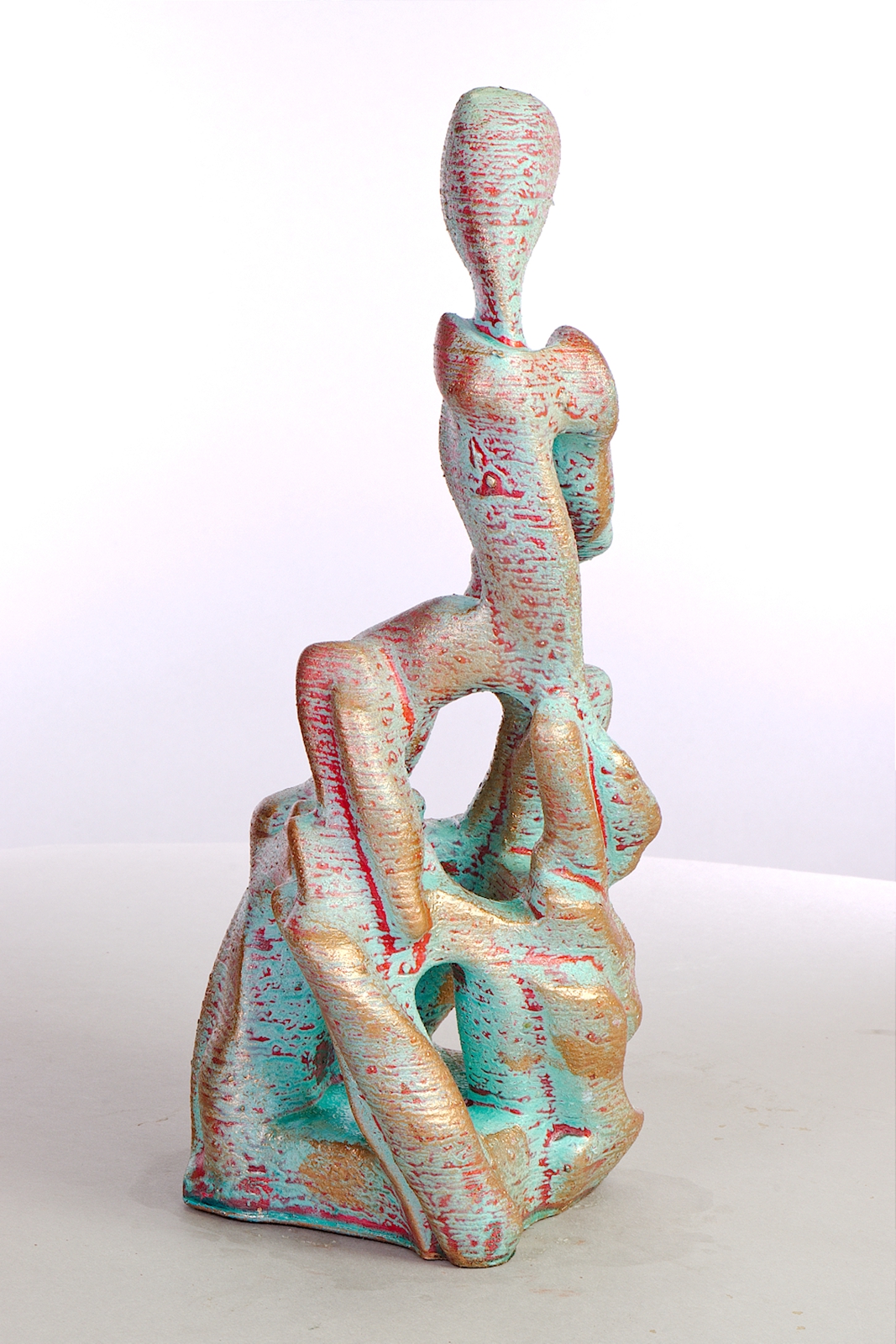
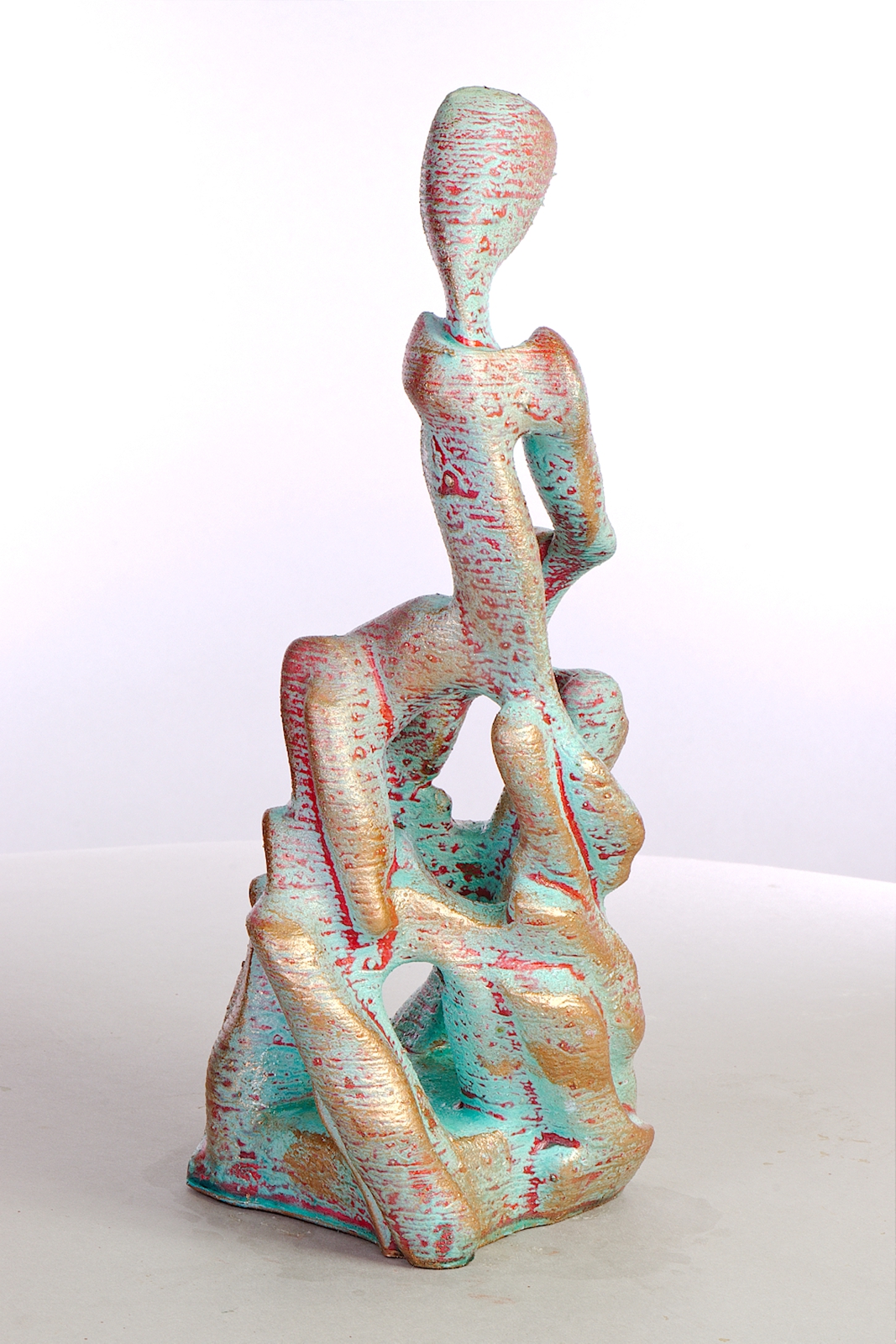
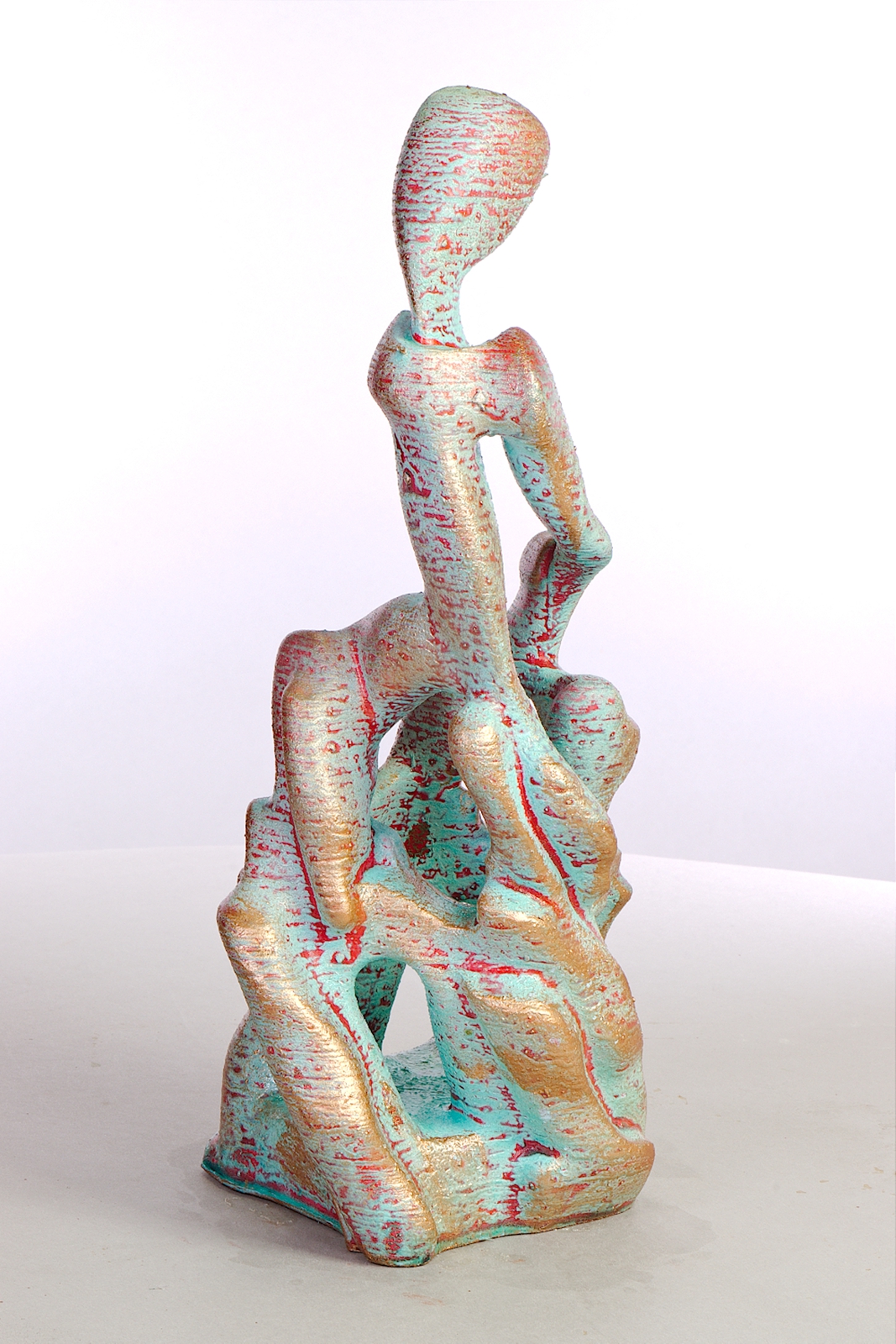
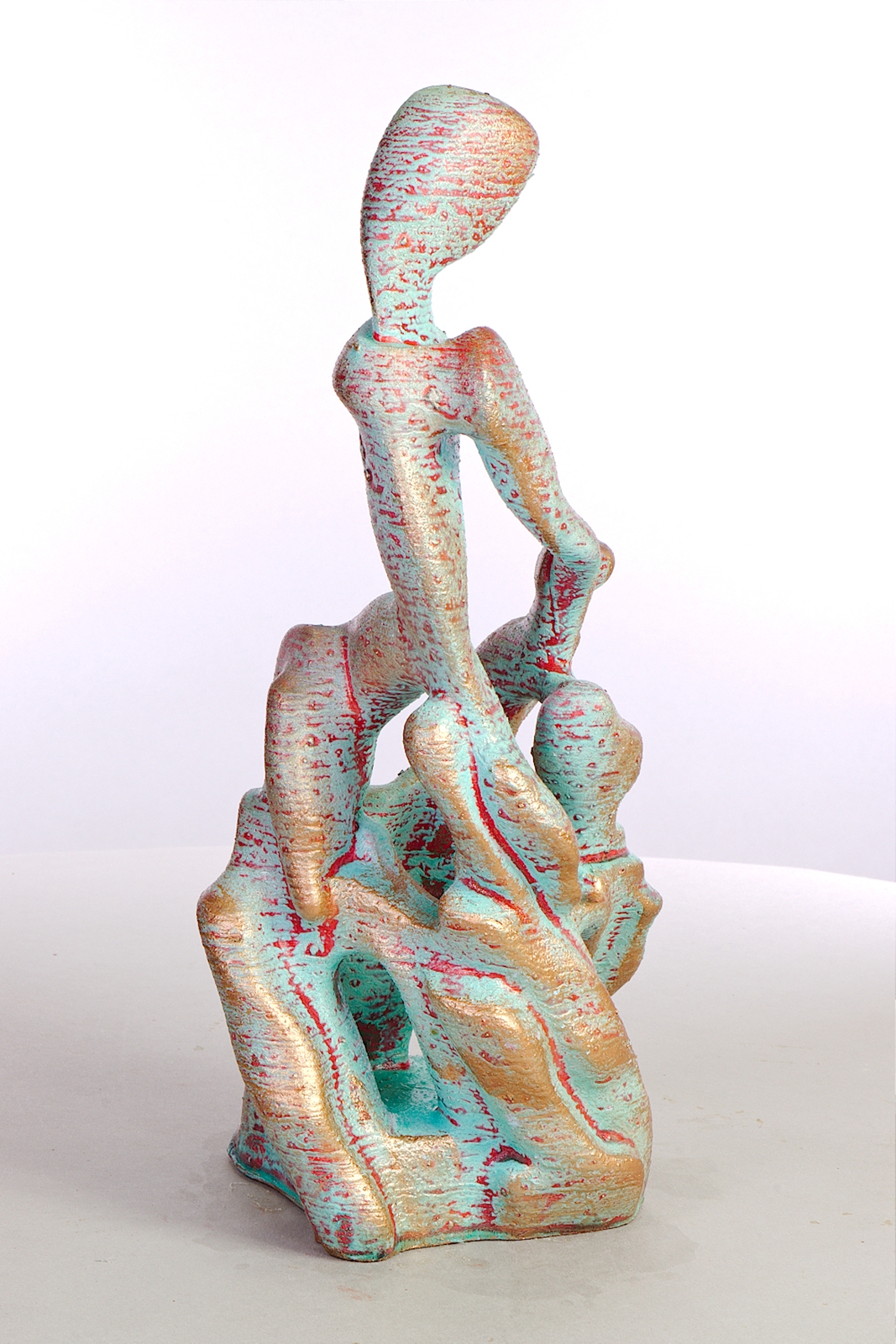
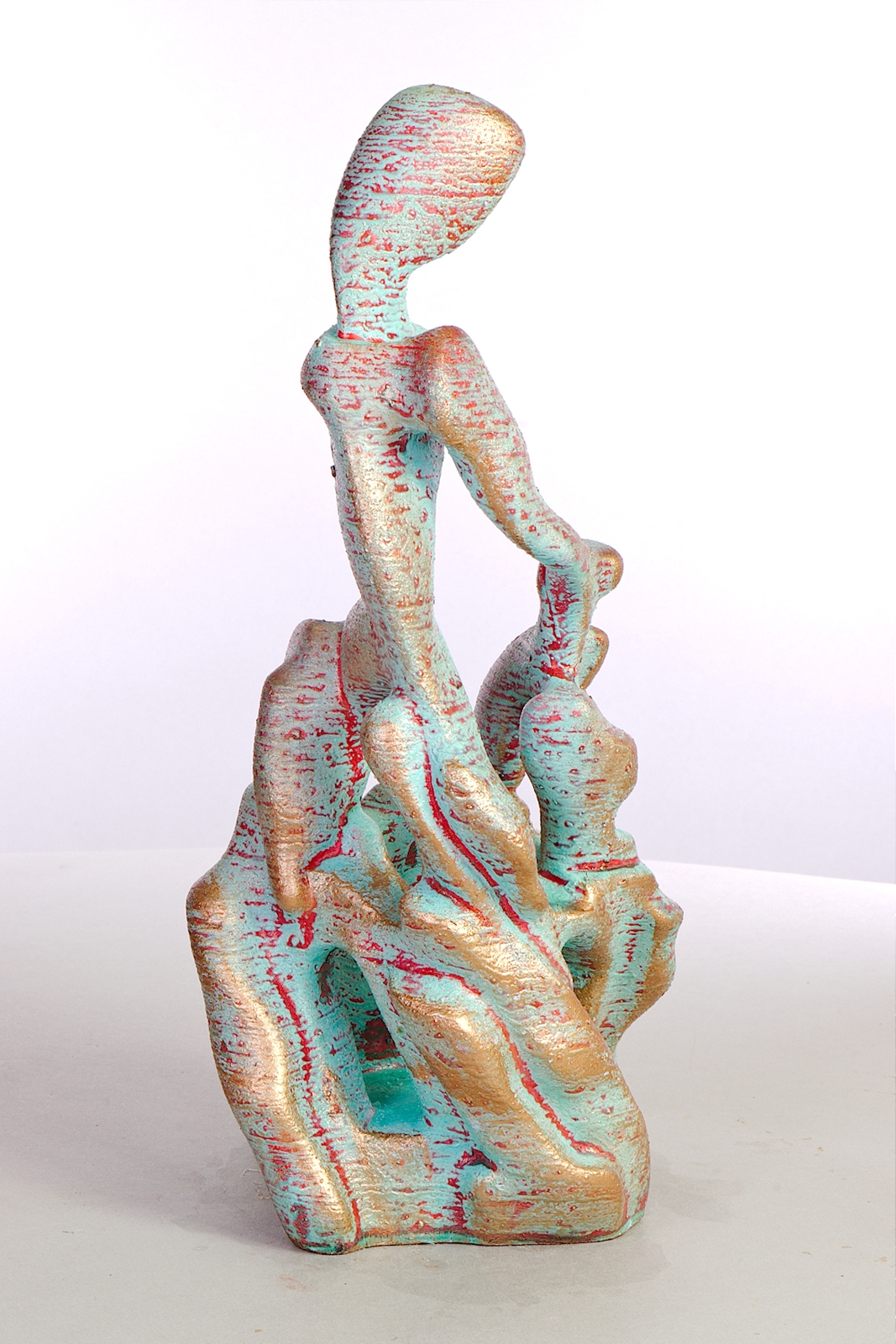
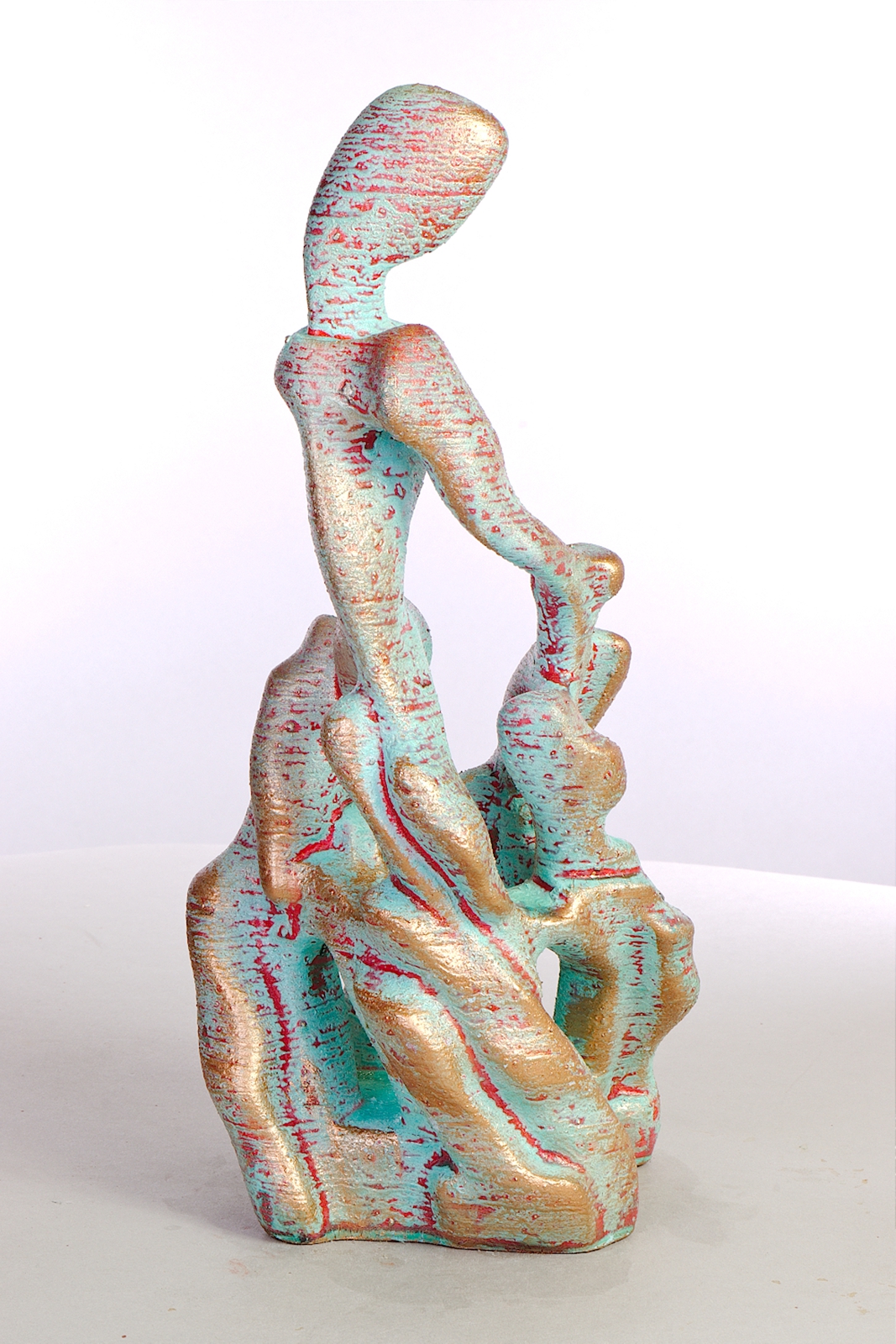
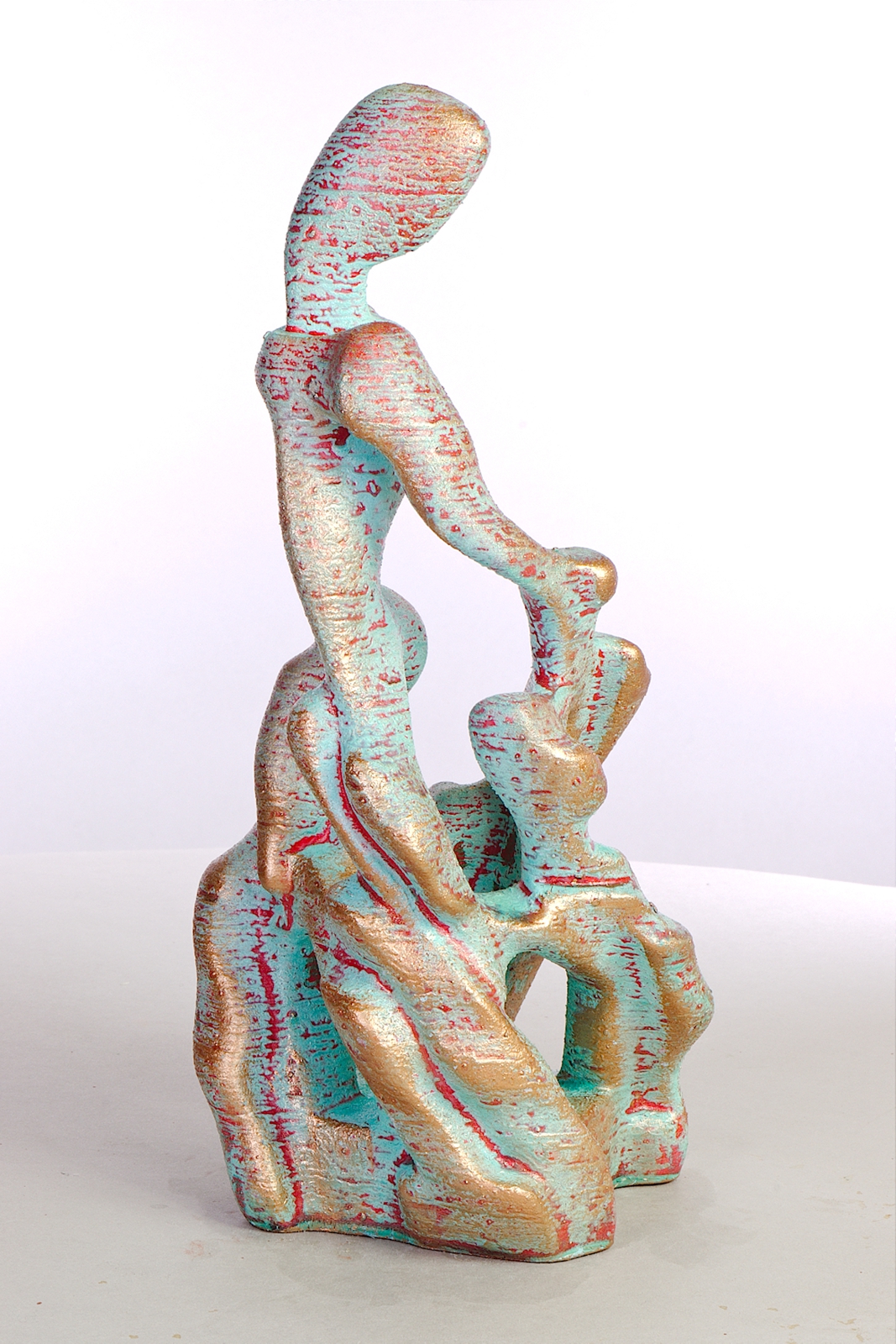
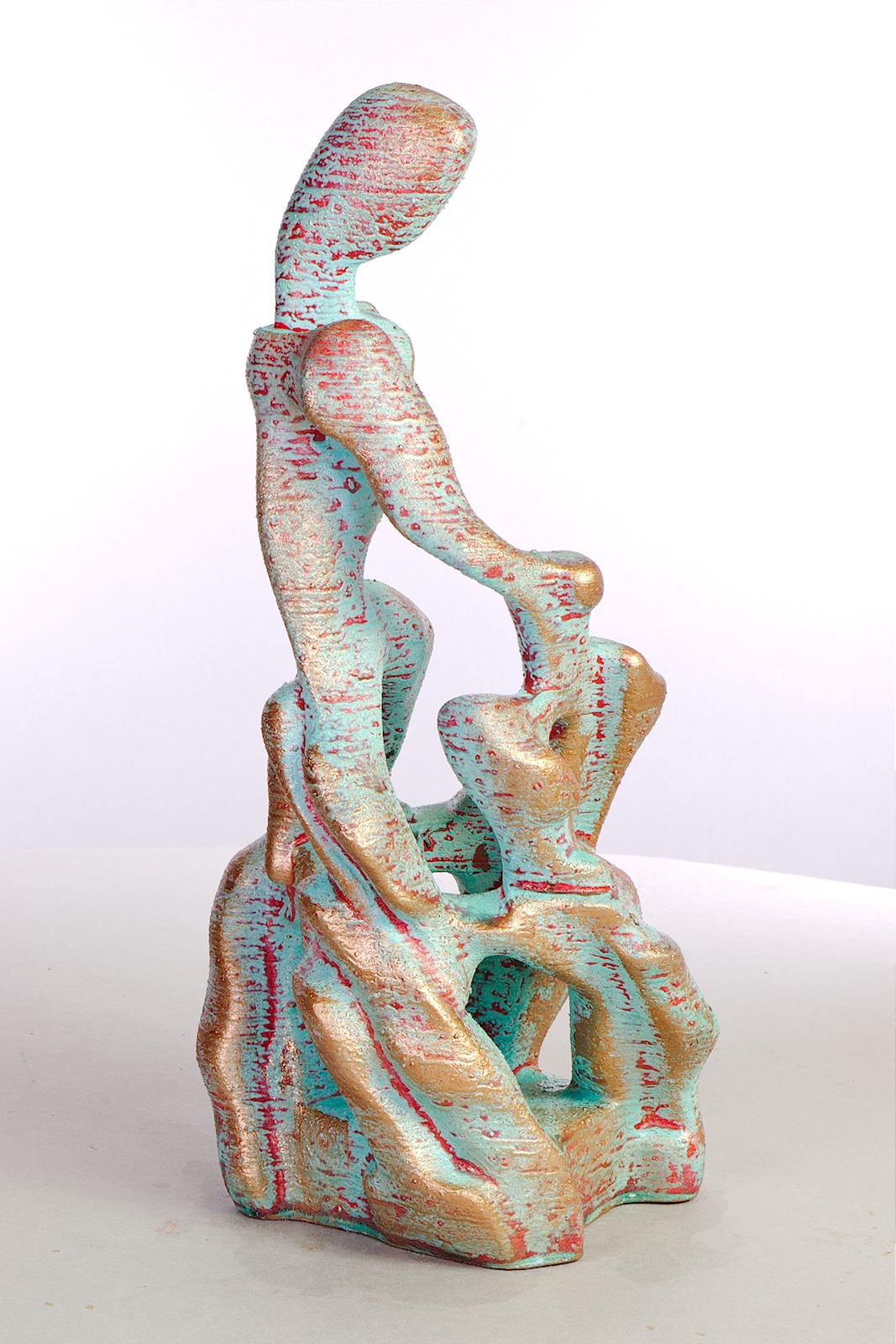
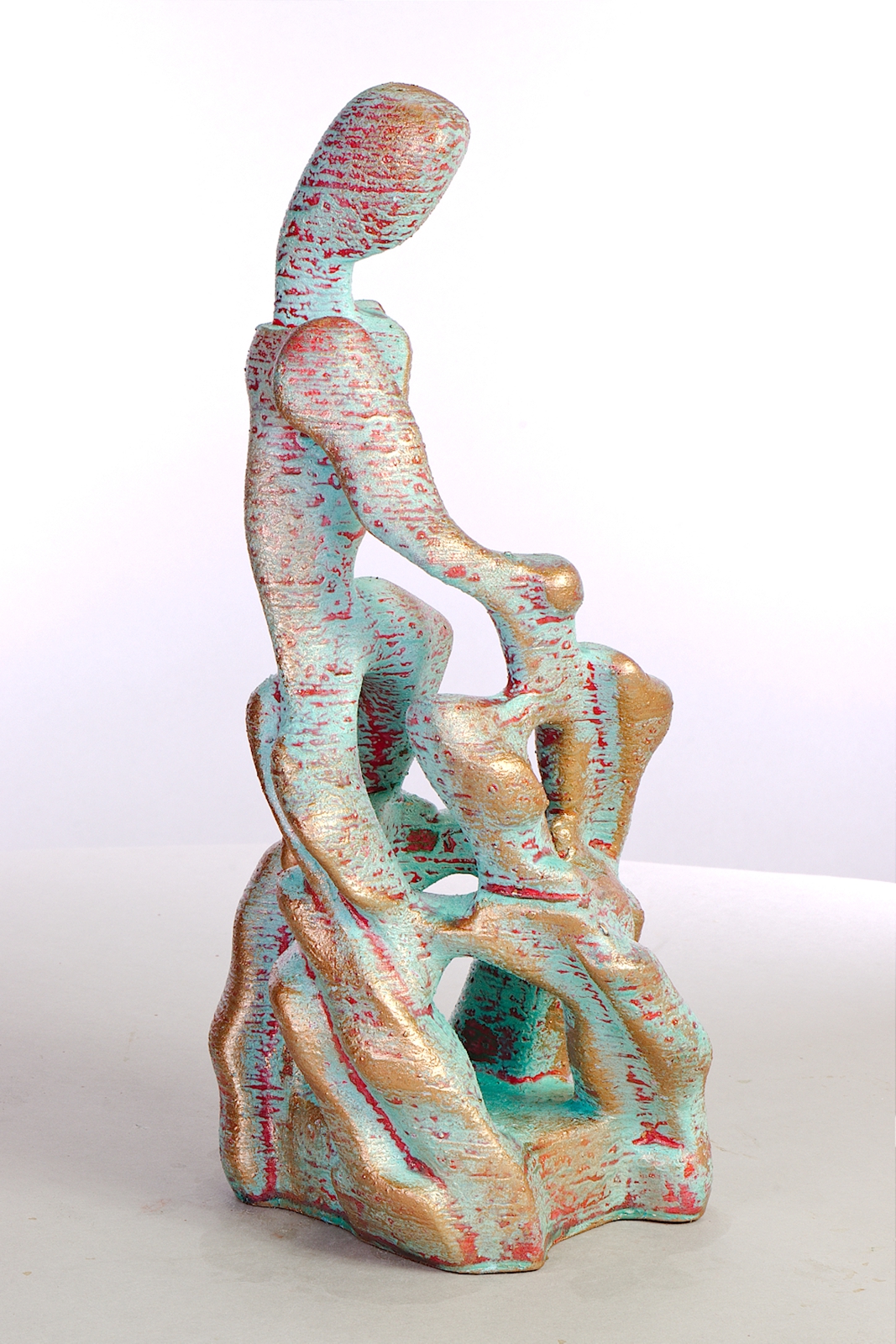
The image depicts a sculpture titled "Oedipus" by Andreas Loeschner-Gornau, photographed from various angles.
The sculpture itself is simultaneously abstract and figurative. It appears to represent an intertwined human figure seated upon an irregular, organically shaped pedestal or royal throne. The figure is elongated and slender, featuring suggested limbs and a head that resembles a teardrop. The body parts seem to flow into one another, forming a complex, nested structure. There are several perforations and voids within the sculpture, lending it a sense of lightness and transparency.
The surface of the sculpture exhibits an intriguing texture and color palette. It is coated in an irregular pattern featuring a turquoise patina and copper- or gold-colored paint, which shimmers through in places. Red accents are also present, lending the surface a vibrant dynamism. The patina appears worn or weathered in parts, imbuing the sculpture with an antique or archaic character. The distribution of color is not uniform but rather random and speckled—a quality that underscores the organic, and perhaps even tragic, nature of the depicted figure.
The intertwining of the figure and the pedestal creates an organic flow.
The work radiates a certain drama and intensity, heightened by the arrangement of the figure and its coloration. The figure conveys a sense of intimacy—and perhaps also the despair—hinted at in its posture and intertwined form, evoking thoughts of the mythological figure of Oedipus: Oedipus, King of Thebes. The tragedy lies in the fact that he was fated to kill his own father and marry his mother. Although he spent his entire life desperately attempting to evade this oracular prophecy, it was precisely through these efforts that he fulfilled his destiny...