paintings
paintings
paintings
paintings
paintings
paintings
paintings
paintings
paintings
paintings
paintings
paintings
paintings
paintings
paintings
paintings
paintings
paintings
paintings
paintings
paintings
paintings
paintings
paintings
paintings
paintings
paintings
paintings
paintings
paintings
paintings
paintings
paintings
paintings
paintings
paintings
paintings
paintings
paintings
paintings
paintings
paintings
paintings
paintings
paintings
paintings
paintings
paintings
paintings
paintings
paintings
paintings
paintings
paintings
paintings
paintings
paintings
paintings
paintings
paintings
paintings
paintings
paintings
paintings
paintings
paintings
paintings
paintings
paintings
paintings
paintings
paintings
paintings
paintings
paintings
paintings
paintings
paintings
paintings
paintings
paintings
paintings
paintings
paintings
paintings
paintings
paintings
paintings
paintings
paintings
paintings
paintings
paintings
paintings
paintings
paintings
paintings
paintings
paintings
paintings
Andreas Löschner-Gornau, Professor Emeritus of Fine Arts
"Daphne - Love and Transformation" 2026 PLA (bio-based plastic),electroplated with copper, patinated/ Click here to buy
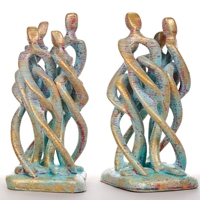
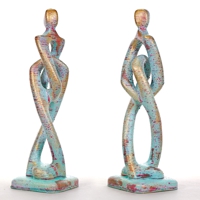
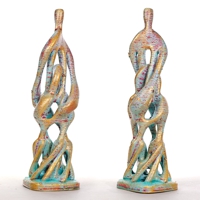
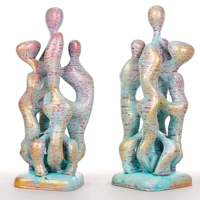
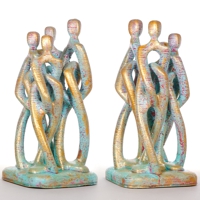
The sculpture "Daphne – Love and Transformation" by Andreas Loeschner-Gornau is an abstract depiction of the mythological figures Apollo and Daphne, inspired by Ovid's *Metamorphoses*. The sculpture features two intertwined, anthropomorphic forms that suggest a dynamic and fluid movement. The figures appear to writhe and interweave around one another, symbolizing the story of Apollo's unrequited love and Daphne's desperate flight and transformation.
The surface texture of the sculpture is rough and characterized by an artificial quality, an effect further heightened by its coloring. A base of light turquoise-green features a coarse texture, across which irregular traces of luminous gold and red accents are distributed. These red traces resemble cracks or fine lines, lending a certain dramatic intensity to the piece as a whole. The gold stands in stark contrast to the turquoise, emphasizing the vertical lines and the curving forms of the figures, thereby creating an impression of movement and energy.
The composition is vertically oriented, featuring a broad, stable base that tapers upward, culminating in a stylized, indistinct head. The intertwining of the figures' lower sections suggests either a struggle or an embrace, while their upper sections may hint at a certain distance or separation brought about by the transformation. Negative spaces between the intertwined elements allow light to pass through, lending the sculpture a sense of lightness despite its apparent weight.
The overall aesthetic conveys a blend of sensuality, despair, and transformation. The colors—turquoise, gold, and red—create a powerful visual impact, possibly reflecting passion, divine touch, and the earth into which Daphne is ultimately transformed.