paintings
paintings
paintings
paintings
paintings
paintings
paintings
paintings
paintings
paintings
paintings
paintings
paintings
paintings
paintings
paintings
paintings
paintings
paintings
paintings
paintings
paintings
paintings
paintings
paintings
paintings
paintings
paintings
paintings
paintings
paintings
paintings
paintings
paintings
paintings
paintings
paintings
paintings
paintings
paintings
paintings
paintings
paintings
paintings
paintings
paintings
paintings
paintings
paintings
paintings
paintings
paintings
paintings
paintings
paintings
paintings
paintings
paintings
paintings
paintings
paintings
paintings
paintings
paintings
paintings
paintings
paintings
paintings
paintings
paintings
paintings
paintings
paintings
paintings
paintings
paintings
paintings
paintings
paintings
paintings
paintings
paintings
paintings
paintings
paintings
paintings
paintings
paintings
paintings
paintings
paintings
paintings
paintings
paintings
paintings
paintings
paintings
paintings
paintings
paintings
Andreas Löschner-Gornau, Professor Emeritus of Fine Arts
"Argonauten" 2026 PLA (bio-based plastic),electroplated with copper, patinated/ Click here to buy
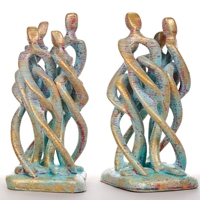
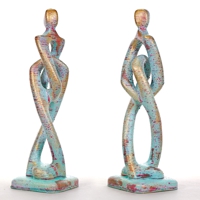
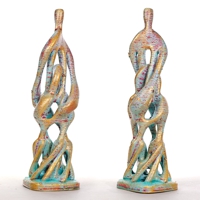
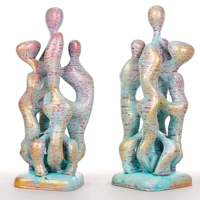
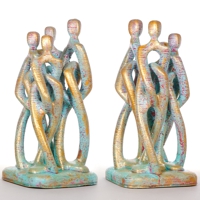
The sculptural group "The Argonauts" by Andreas Loeschner-Gornau depicts a cluster of four schematically rendered human figures standing close together, their body parts intertwined. The figures are abstract, composed of curving, tubular forms; their heads are oval and devoid of facial features. The surface texture of the sculpture is irregular and features a patina reminiscent of weathered metal. The color palette is a blend of matte turquoise, vibrant gold, and scattered splashes of red or pink. Turquoise serves as the base color, over which the gold is applied in a lustrous finish, lending the sculpture a lively and almost unfinished appearance.
The figures are mounted on a rectangular plinth, which is similarly patinated. The composition of the figures is dynamic; they appear as if they are huddling together or collectively straining against a heavy load. The intertwined limbs of the individual Argonauts evoke a sense of solidarity and shared effort—a fitting tribute to the mythological theme of heroes embarking on a perilous journey. The light falling upon the sculpture highlights its metallic surfaces, creating glimmers and highlights, particularly across the golden areas. The background is pure white, isolating the sculpture and allowing it to exert its full visual impact. The overall presentation is modern and stylized, eschewing anatomical detail to focus instead on abstract form and expressive coloration. The figures depicted are all rendered in a similar style, underscoring the concept of a group of heroes standing as equals.
The Argonauts are a group of Greek mythological heroes who, under the leadership of Jason, sailed aboard the ship *Argo* to Colchis to seize the Golden Fleece. Known as the Saga of the Argonauts, this narrative recounts adventures involving mythical perils and divine intervention, with figures such as Heracles, Orpheus, and the Dioscuri numbered among Jason's companions.