paintings
paintings
paintings
paintings
paintings
paintings
paintings
paintings
paintings
paintings
paintings
paintings
paintings
paintings
paintings
paintings
paintings
paintings
paintings
paintings
paintings
paintings
paintings
paintings
paintings
paintings
paintings
paintings
paintings
paintings
paintings
paintings
paintings
paintings
paintings
paintings
paintings
paintings
paintings
paintings
paintings
paintings
paintings
paintings
paintings
paintings
paintings
paintings
paintings
paintings
paintings
paintings
paintings
paintings
paintings
paintings
paintings
paintings
paintings
paintings
paintings
paintings
paintings
paintings
paintings
paintings
paintings
paintings
paintings
paintings
paintings
paintings
paintings
paintings
paintings
paintings
paintings
paintings
paintings
paintings
paintings
paintings
paintings
paintings
paintings
paintings
paintings
paintings
paintings
paintings
paintings
paintings
paintings
paintings
paintings
paintings
paintings
paintings
paintings
paintings
Andreas Löschner-Gornau, Professor Emeritus of Fine Arts
"Toro Farnese" 2026 PLA (bio-based plastic),electroplated with copper, patinated/ Click here to buy
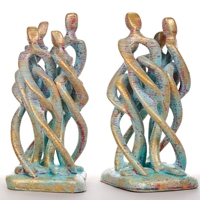
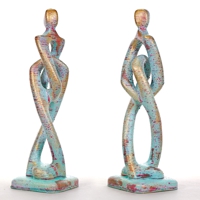
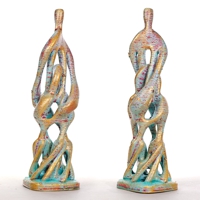
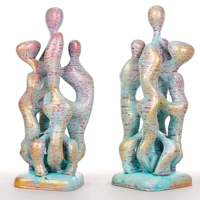
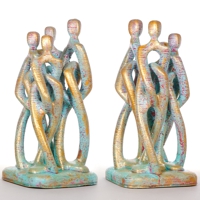
A modern abstract sculpture titled "Toro Farnese" by Andreas Loeschner-Gornau. The work is composed of several interwoven, organically shaped figures that form a dynamic and animated group. The figures are abstracted and resemble human or animal silhouettes, though their precise representation remains open to interpretation.
The color scheme is striking: the sculpture is predominantly rendered in a turquoise hue, interspersed with numerous red and gold accents. The surface appears textured, featuring irregular brushstrokes and an almost scale-like or fissured quality that is further heightened by the color treatment. The red dots and lines of color appear to be layered atop the turquoise background, creating a vivid contrast. Golden accents shimmer at various points—particularly along the curves and edges—lending the sculpture a luxurious and almost metallic quality.
The composition is vertically oriented. The figures rise upward from a broader base, converging at the center before diverging slightly once again. There are no distinct, individually recognizable limbs or faces; rather, there are fluid forms that intertwine and interpenetrate. Certain areas are hollow, with apparent fissures offering glimpses into deeper layers or the reverse side of the figures. The sculpture appears frozen in motion, with its forms generating a sense of tension and drama that resonates with the theme of the "Punishment of Dirce"—even though the depiction itself is not explicit.
The base is likewise rendered in turquoise and gold, though here the gold takes a more prominent role, serving as a kind of foundation or pedestal. The background is a pure white, which clearly and distinctly highlights the sculpture, drawing all attention to the artwork itself. The overall aesthetic is modern, expressive, and rich in visual detail. The myth of the punishment of Dirce by Antiope's sons, Amphion and Zethus, is a tale of vengeance from Greek mythology that serves as an exemplary instance of divine retribution.